Side-by-Side Cognitive Profiles
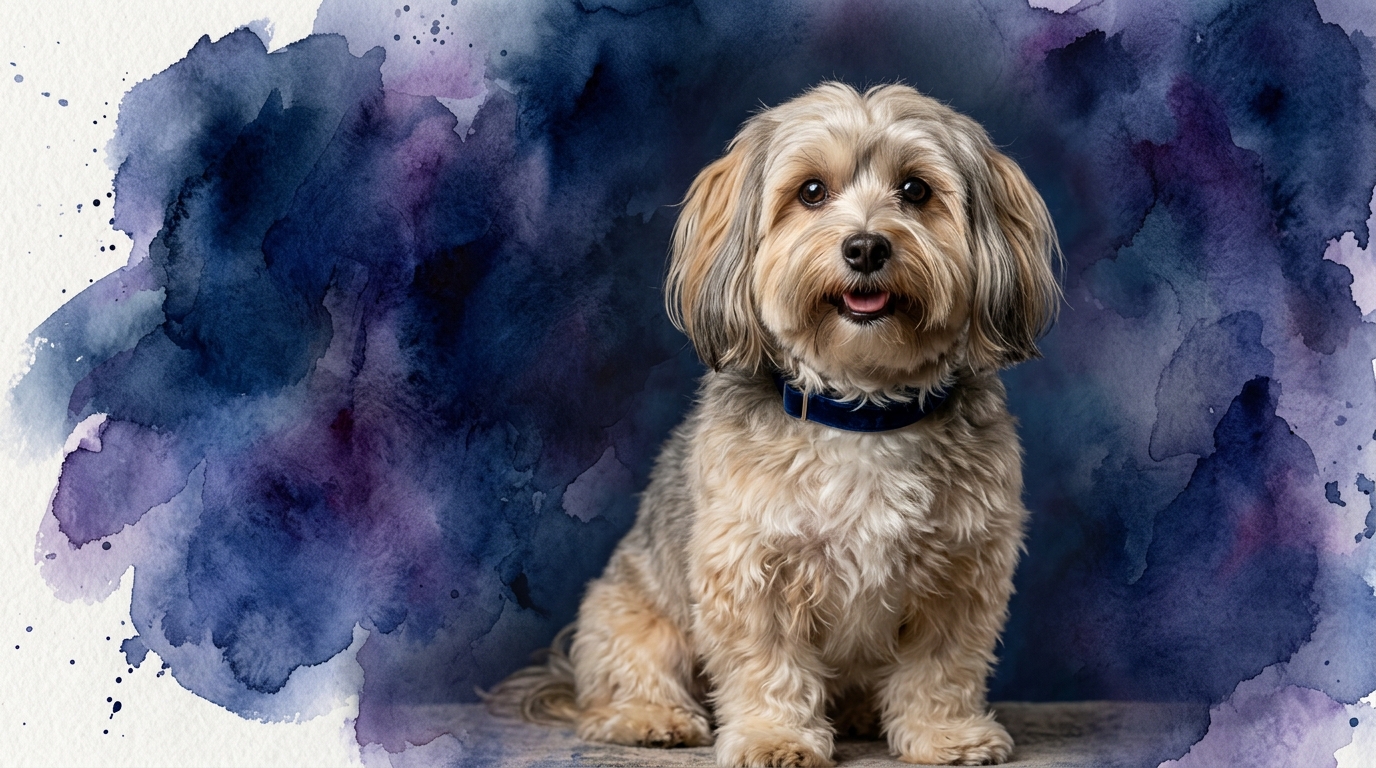
The Cosmic Pet Pet IQ Lab assesses canine cognition across five key dimensions, offering a nuanced view beyond simple labels. For the Havanese, a delightful Toy group member not listed on Stanley Coren's broader ranking, we observe a distinct set of capabilities. Their Problem Solving is rated 3/5, indicating a moderate ability to navigate novel challenges and figure out solutions independently. Training Speed also sits at 3/5, meaning they grasp new commands at an average pace. Where Havanese truly shines is in Social Intelligence, earning a perfect 5/5, reflecting an exceptional capacity to understand human emotions and cues. Their Instinctive Drive is a modest 2/5, suggesting a lower inherent urge for independent tasks, while Memory is 3/5, indicating a competent but not outstanding recall.
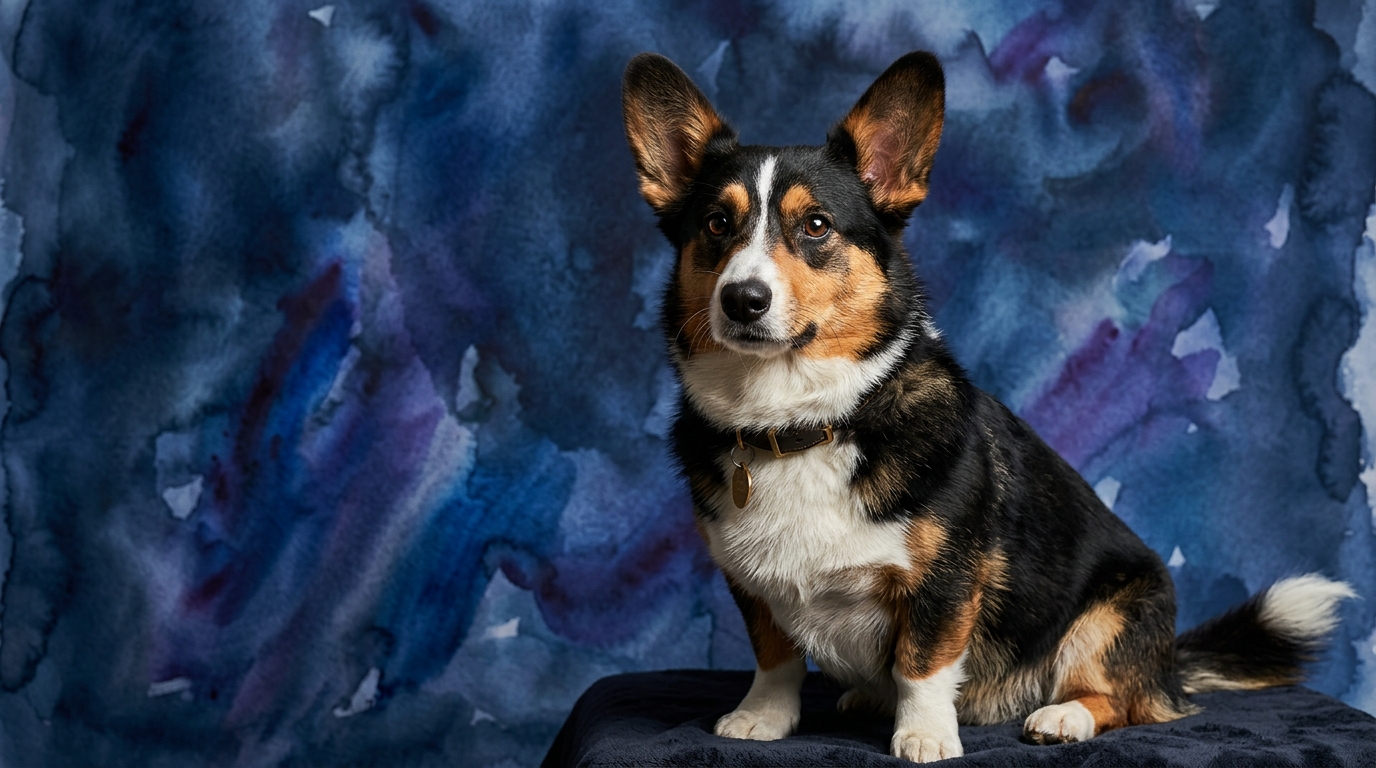
In contrast, the Cardigan Welsh Corgi, a robust member of the Herding group and ranked #26 by Coren for working and obedience intelligence, presents a more task-oriented cognitive profile. Their Problem Solving is a solid 4/5, demonstrating a strong aptitude for tackling complex situations and finding creative ways to achieve goals. Training Speed matches this at 4/5, indicating they learn new tasks quickly and efficiently. Social Intelligence for the Corgi is 3/5, showing a competent understanding of human interactions but perhaps less innate emotional attunement than the Havanese. Their Instinctive Drive is 3/5, a moderate but present urge for herding or independent activity, and their Memory stands at 4/5, pointing to excellent retention of learned behaviors and experiences.
Where the Havanese Excels Cognitively
The Havanese's standout cognitive strength lies in their remarkable Social Intelligence, scoring a rare 5/5. This isn't just about being friendly; it signifies an acute sensitivity to human moods, intentions, and non-verbal communication. A Havanese can often anticipate an owner's needs or comfort them during distress simply by reading subtle cues, making them extraordinarily empathetic companions. This deep understanding fosters strong emotional bonds and allows them to integrate seamlessly into family dynamics, often acting as a cheerful, intuitive presence.
Furthermore, their lower Instinctive Drive (2/5) is a cognitive advantage for many pet owners. Unlike breeds with strong working instincts that might need an outlet for herding, hunting, or guarding, the Havanese is less predisposed to independent, task-driven behaviors. This means less likelihood of self-directed activities like herding children's heels, digging extensively, or patrolling the yard with intense focus. Their cognitive makeup leans towards companionship rather than a 'job,' making them naturally inclined to stay close and engage in shared activities that prioritize interaction over utility.
Where the Cardigan Welsh Corgi Demonstrates Superiority
The Cardigan Welsh Corgi's cognitive strengths are rooted in their working heritage, particularly evident in their Problem Solving (4/5) and Training Speed (4/5). These scores reflect a breed that not only learns commands rapidly but also applies that learning to new scenarios and actively works through obstacles. Their herding background required them to think independently, strategize, and adapt to changing livestock movements, traits that translate into a dog eager to engage in mentally stimulating games, complex trick training, and even agility sports where quick thinking is paramount.
Their Memory, also rated 4/5, complements their training aptitude, ensuring that once a lesson is learned, it's retained effectively over time. This robust memory contributes to their consistent performance and makes them reliable partners in various activities. Coupled with a moderate Instinctive Drive (3/5), Corgis possess an intrinsic motivation to engage with tasks and challenges, though this drive needs appropriate channeling. Their cognitive architecture is built for purpose and application, making them adept at learning and executing multi-step sequences or navigating intricate environments with precision.
Trainability: Havanese vs. Cardigan Welsh Corgi
When it comes to trainability, the Cardigan Welsh Corgi generally holds an edge due to its higher scores in Training Speed (4/5) and Problem Solving (4/5). A Corgi is often quicker to grasp new commands and concepts, requiring fewer repetitions before a behavior is solidified. Their inherent drive to work and their capacity for independent thought mean they respond well to positive reinforcement and can generalize lessons, applying what they've learned in one context to another. This makes them excellent candidates for obedience, rally, or even complex trick training, where their mental agility can truly shine.
The Havanese, with a Training Speed of 3/5 and Problem Solving of 3/5, is certainly trainable but might require a slightly more patient and creative approach. They will learn, but perhaps not at the rapid pace of a Corgi, and might need more consistent reinforcement to ensure retention. However, their exceptional Social Intelligence (5/5) can be leveraged in training; they are highly motivated by pleasing their human companions and thrive on positive interaction. While they might not be as quick to master intricate sequences, their desire for connection can make them very willing participants in training sessions focused on bonding and cooperation.
Suitability for Active vs. Relaxed Owners
For owners seeking a more relaxed pace and a deeply emotionally connected companion, the Havanese is often an ideal match. Their low Instinctive Drive (2/5) means they are generally content with moderate daily exercise, such as walks and indoor play, rather than demanding strenuous activity or constant mental 'work.' Their unparalleled Social Intelligence (5/5) makes them thrive on close human companionship, preferring to be part of family activities and offering intuitive emotional support. They are excellent for individuals or families who prioritize snuggles on the couch and gentle interaction over intense outdoor adventures.
Conversely, the Cardigan Welsh Corgi is better suited for active owners who appreciate a dog with a 'job' and can provide consistent mental and physical stimulation. Their robust Problem Solving (4/5), Training Speed (4/5), and moderate Instinctive Drive (3/5) mean they require regular engagement to prevent boredom and channel their herding tendencies constructively. Corgis excel in activities like agility, herding trials, or long, engaging walks that offer opportunities for exploration and problem-solving. Owners who enjoy active training, dog sports, or simply have an energetic lifestyle will find a Corgi a fulfilling and eager partner.
The Verdict
Choose a Havanese if you prioritize a deeply empathetic, emotionally attuned companion who thrives on close interaction and has moderate exercise needs. Their primary cognitive strength is forming profound social bonds.
Opt for a Cardigan Welsh Corgi if you seek a mentally sharp, trainable dog with a strong work ethic, capable of excelling in structured activities and enjoying an active, engaging lifestyle.
🧠 Find Your Pet's IQ Score
Our Pet IQ Lab assessment covers 25+ tests across 5 cognitive dimensions — personalized to your breed.
Take the Full IQ Test →Frequently Asked Questions
Are Havanese good for first-time dog owners?
Yes, Havanese can be an excellent choice for first-time owners due to their high social intelligence and desire to please. Their moderate training speed means patience is key, but their affectionate nature makes the learning process rewarding and strengthens the bond.
Do Cardigan Welsh Corgis need a lot of mental stimulation?
Absolutely. With their strong problem-solving skills and moderate instinctive drive, Cardigan Welsh Corgis require consistent mental challenges. Daily puzzle toys, training sessions, and varied environments are crucial to keep their minds engaged and prevent boredom-related behaviors.
How does social intelligence impact Havanese behavior in a multi-pet household?
A Havanese's exceptional social intelligence (5/5) often allows them to adapt well to multi-pet households by reading and responding to the nuances of other animals' behaviors. They are typically adept at understanding social cues, which can facilitate harmonious cohabitation and reduce potential conflicts.