Side-by-Side Cognitive Profiles: A Deep Dive
The Cosmic Pet Pet IQ Lab employs five key dimensions to evaluate canine intelligence, offering a nuanced view beyond simple obedience. Let's explore how the Havanese and Chesapeake Bay Retriever stack up across these specific cognitive traits.
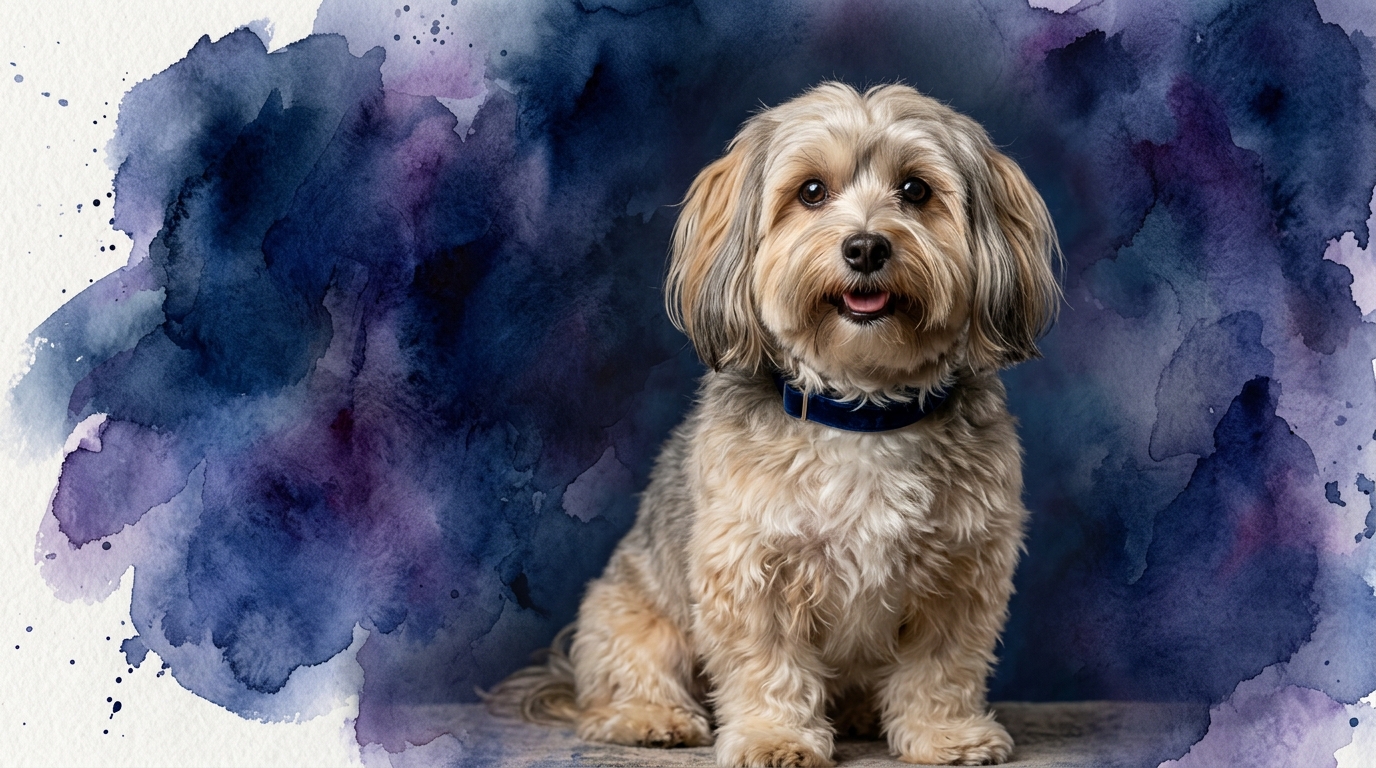
For the Havanese, a Toy breed not Coren-ranked, their Problem Solving is rated 3/5. This suggests they can navigate moderately complex situations, like figuring out how to open a treat puzzle or finding a dropped toy, but might rely on human cues for truly novel challenges. Their Training Speed, also 3/5, indicates they learn new commands and routines at a moderate pace, often motivated by positive reinforcement and a desire for connection rather than inherent drive for task mastery.
Where the Havanese truly shines is in Social Intelligence, earning a perfect 5/5. This breed is exceptionally attuned to human emotions and social dynamics, making them highly responsive companions capable of subtle communication and empathetic interaction. Their Instinctive Drive is a low 2/5; they typically lack strong prey drives or intense working instincts, preferring the role of a devoted family member. Finally, their Memory is 3/5, meaning they retain learned behaviors and routines reliably, though complex sequences might require consistent reinforcement.
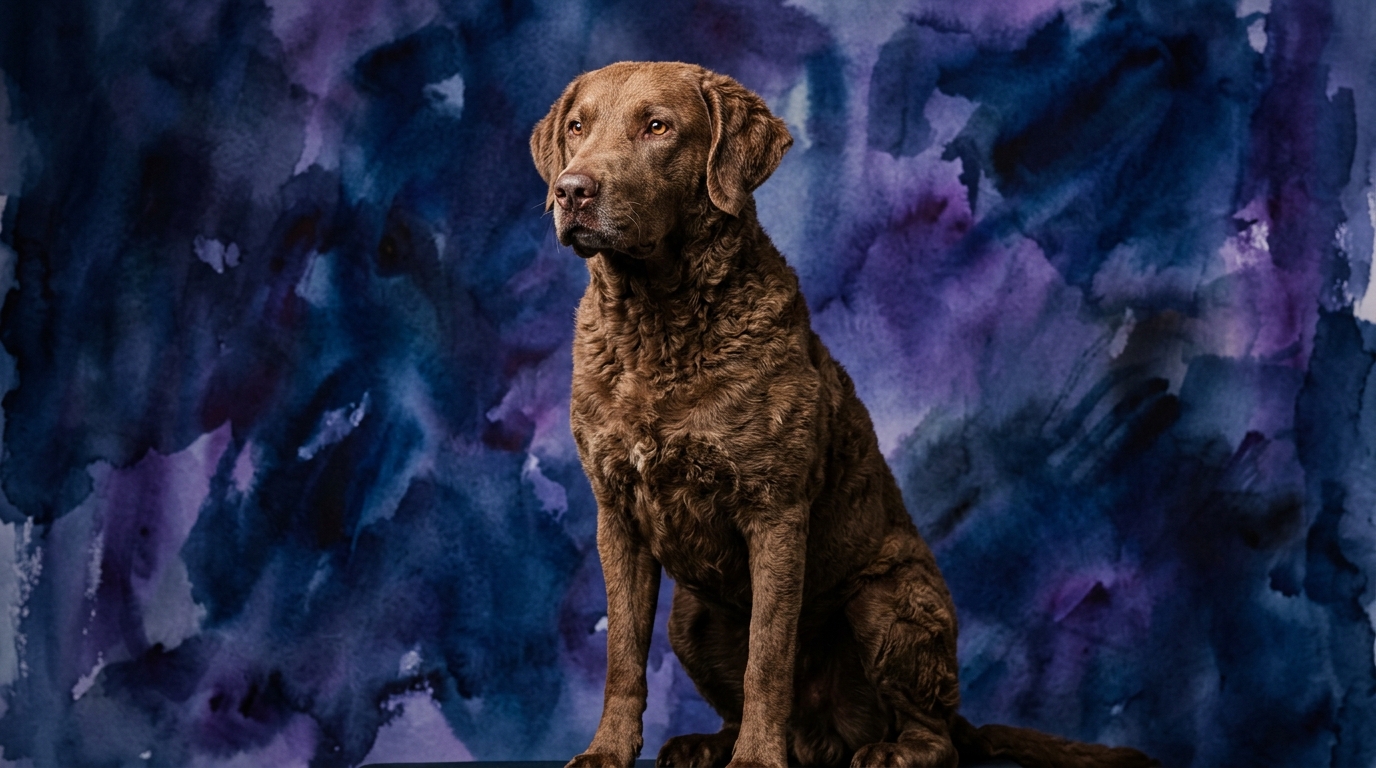
In contrast, the Chesapeake Bay Retriever, a Sporting breed ranked #27 by Coren, presents a different cognitive landscape. Their Problem Solving is a strong 4/5, reflecting a breed that can independently assess and strategize solutions to environmental challenges, such as navigating complex terrain or retrieving objects from difficult spots. Their Training Speed matches this at 4/5, demonstrating an ability to grasp and execute new commands quickly and efficiently, often with a keen eagerness to work.
The Chesapeake Bay Retriever's Social Intelligence is 3/5. While they form deep bonds with their families, they tend to be more reserved and independent than the Havanese, sometimes appearing less overtly expressive of their emotions or less immediately welcoming to strangers. Their Instinctive Drive is 3/5, showcasing a strong natural inclination for retrieving, water work, and using their senses, which is a core part of their breed identity. Their Memory is 4/5, indicating a superior capacity to recall complex sequences, multiple commands, and detailed routes over extended periods, crucial for their traditional working roles.
Where the Havanese Outshines Cognitively
The Havanese's unparalleled 5/5 Social Intelligence is where they truly lead. This isn't just about being friendly; it's a sophisticated ability to read and respond to human emotional states, subtle body language, and vocal inflections with remarkable accuracy. They often anticipate their owner's needs for comfort or play, making them exceptional emotional support companions and intuitive family members. Their cognitive strength lies in fostering deep, empathetic connections and seamlessly integrating into diverse social environments, thriving on reciprocal interaction.
Where the Chesapeake Bay Retriever Excels Cognitively
The Chesapeake Bay Retriever's cognitive prowess is most evident in their robust Problem Solving (4/5), Training Speed (4/5), and Memory (4/5). These combined attributes mean they are adept at independent thought and execution, capable of devising strategies to overcome obstacles in their environment, such as figuring out how to access a hidden toy or retrieve a bumper from challenging waters. Their quick learning and strong memory allow them to master and retain complex multi-step commands and intricate tasks, making them highly capable partners for advanced obedience, agility, or working roles where precision and retention are paramount.
Training Dynamics: Havanese vs. Chesapeake Bay Retriever
When considering ease of training, the picture is more nuanced than a simple 'yes' or 'no.' The Chesapeake Bay Retriever, with higher scores in Training Speed (4/5) and Problem Solving (4/5), generally grasps new concepts and commands more quickly and retains them effectively, especially for complex, task-oriented learning. Their working background means they often possess a strong desire to perform and please, provided the training is engaging and consistent, allowing them to master intricate sequences and advanced skills efficiently.
The Havanese, with a Training Speed of 3/5, learns at a moderate pace. While they might not pick up complex commands as rapidly as a Chessie, their exceptional Social Intelligence (5/5) means they are highly motivated by positive reinforcement and the desire to please their human companions. They respond well to gentle, consistent training methods that leverage their strong bond with their owner, making them very trainable for basic obedience and house manners, though they might require more repetition for intricate tasks or independent problem-solving exercises. The Chessie's independence might require a more confident, experienced trainer to channel their drive, whereas the Havanese thrives on a more collaborative, connection-based approach.
Matching Canine Cognition to Owner Lifestyles
The Havanese's cognitive profile makes them an ideal match for relaxed owners seeking a constant, intuitive companion. Their high social intelligence means they thrive on close human interaction and adapt well to various home environments, whether a quiet apartment or a bustling family home, as long as they are central to the family's activities. They excel in roles where their primary contribution is companionship and emotional support, requiring less physical exertion but significant social engagement.
Conversely, the Chesapeake Bay Retriever's robust problem-solving, quick training speed, and moderate instinctive drive make them perfect for active, outdoors-oriented owners. They need mental and physical challenges, whether it's through retrieving games, advanced obedience, or water sports. Owners who appreciate a dog capable of independent work, strategic thinking, and retaining extensive training will find a fulfilling partnership with a Chessie, as they are not content to be mere lapdogs but seek to engage their cognitive and physical capabilities in meaningful activities.
The Verdict
Choose the Havanese if you prioritize an emotionally astute companion who excels in social interaction and thrives on close familial bonds, perfect for a less active but highly connected lifestyle.
Opt for the Chesapeake Bay Retriever if you are an active owner seeking a capable, intelligent partner for outdoor adventures and structured training, valuing a dog that can problem-solve and master complex tasks.
🧠 Find Your Pet's IQ Score
Our Pet IQ Lab assessment covers 25+ tests across 5 cognitive dimensions — personalized to your breed.
Take the Full IQ Test →Frequently Asked Questions
Do Havanese dogs get bored easily without constant mental stimulation?
Havanese thrive on social engagement more than complex mental puzzles. While they benefit from moderate mental stimulation, their primary need is human companionship and interaction, rather than constant, intricate problem-solving tasks. They are content with being involved in family activities and receiving affection.
Are Chesapeake Bay Retrievers suitable for first-time dog owners?
Chesapeake Bay Retrievers possess a high training speed and problem-solving ability, but their independent nature and strong drive can be challenging for inexperienced owners. They require consistent, firm, and knowledgeable training to channel their energy and intelligence effectively, making them generally better suited for owners with prior dog experience.
How does social intelligence impact daily life with these breeds?
A Havanese's high social intelligence means they are highly attuned to their owner's moods and make intuitive companions, often seeking to comfort or engage appropriately. A Chesapeake Bay Retriever's moderate social intelligence means they form strong bonds but might be more reserved and independent, valuing their family deeply but not always displaying the same overt emotional responsiveness to strangers or subtle human cues.