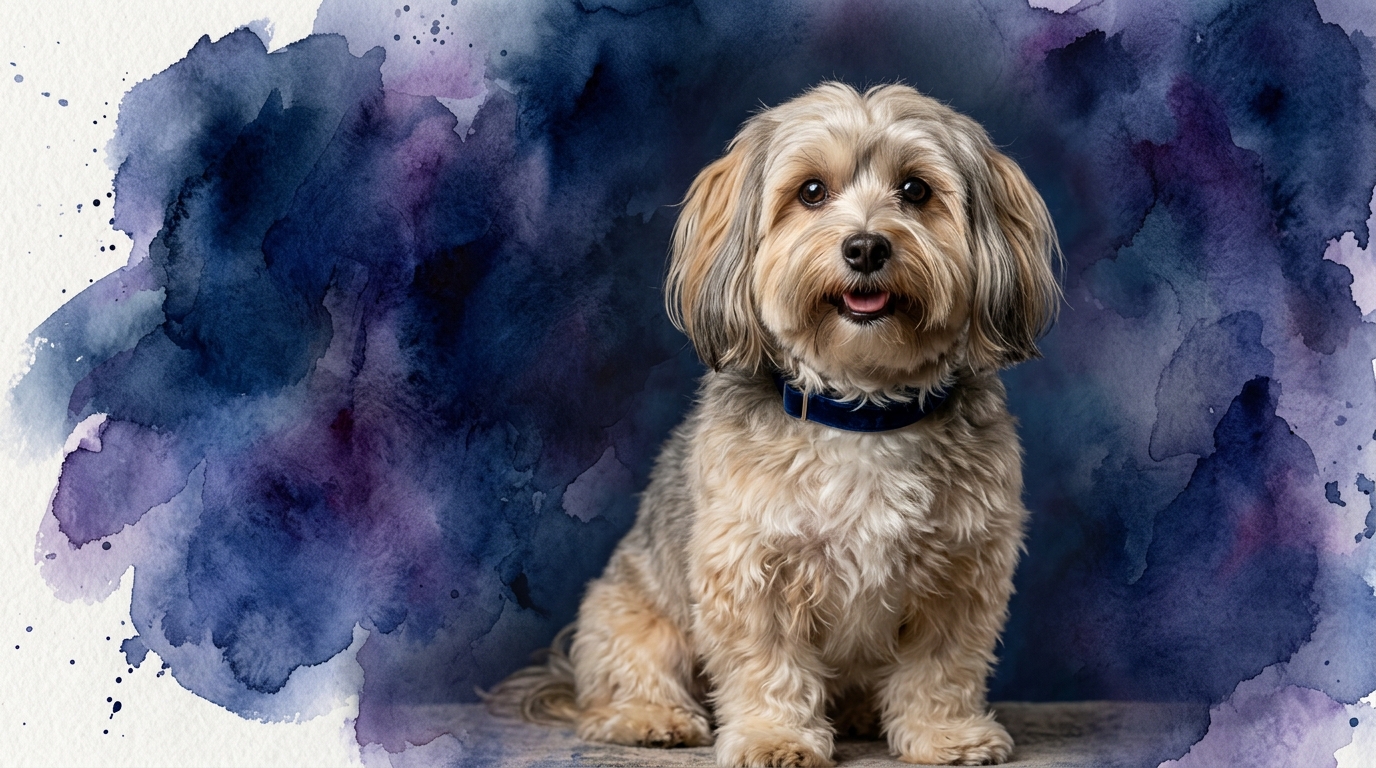
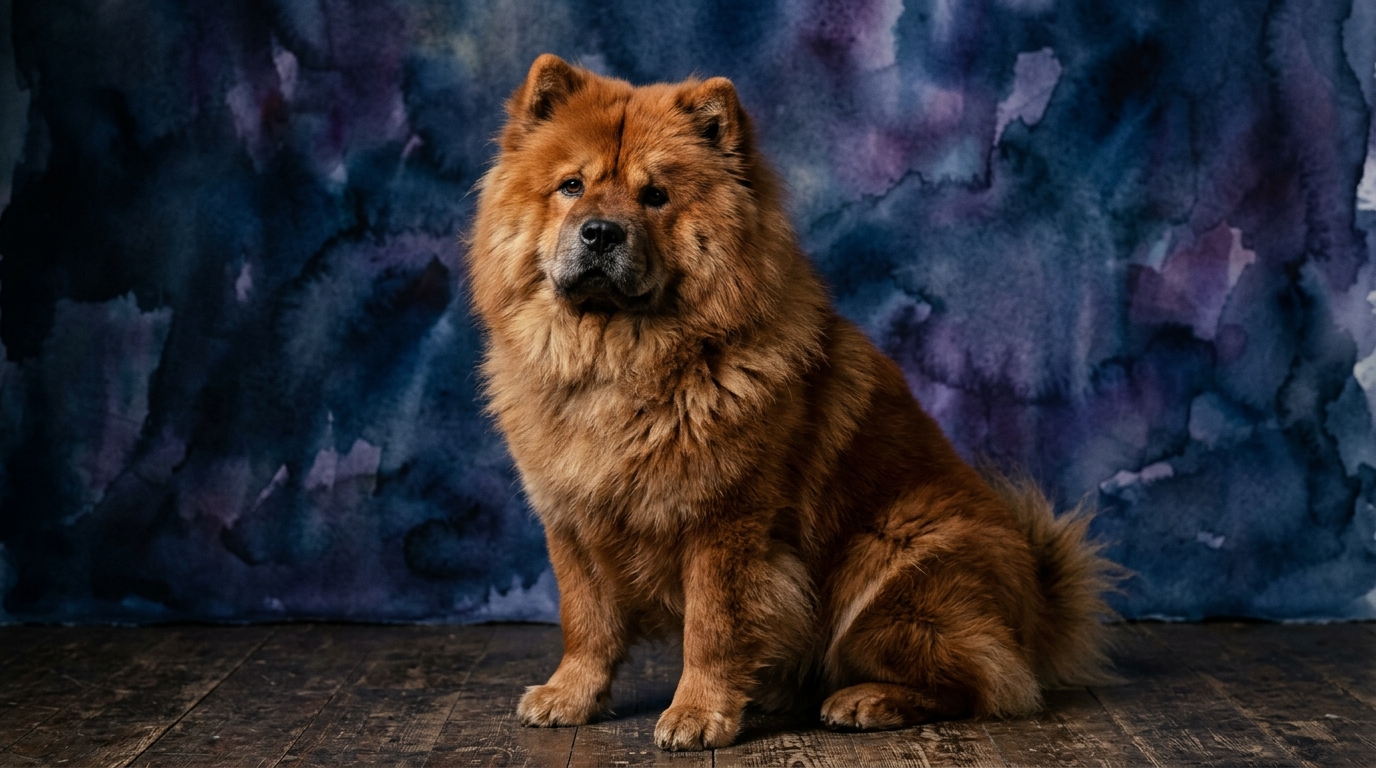
Side-by-Side IQ Profile
The Cosmic Pet Pet IQ Lab provides a structured lens through which to examine the distinct cognitive architectures of the Havanese and the Chow Chow. For the Havanese, a Toy breed, their problem-solving ability registers at a respectable 3 out of 5, indicating a capacity for navigating moderately complex situations and figuring out solutions when presented with challenges. Their training speed also sits at a 3 out of 5, suggesting they learn new commands and routines at a steady, consistent pace, responding well to patient instruction. Where the Havanese truly shines is in social intelligence, scoring an exceptional 5 out of 5. This signifies an outstanding ability to interpret human emotions, cues, and social dynamics, making them incredibly attuned companions. Their instinctive drive is lower, at 2 out of 5, reflecting a diminished inclination for independent tasks like hunting or guarding, preferring instead to be closely integrated into human activity. Finally, their memory stands at 3 out of 5, allowing them to retain learned behaviors and experiences with reasonable consistency.
In contrast, the Chow Chow, a Non-Sporting breed with a Coren rank of #76, presents a different cognitive blueprint. Their problem-solving score matches the Havanese at 3 out of 5, indicating an equivalent capacity for working through moderate challenges, albeit often with a more self-reliant approach. Similarly, their training speed is also 3 out of 5, meaning they learn at a moderate pace, though their independent nature can sometimes require more nuanced training strategies. The Chow Chow's social intelligence is rated at 3 out of 5; they understand social cues but typically express themselves with more reserve and less effusive enthusiasm than the Havanese. Their instinctive drive is a moderate 3 out of 5, reflecting a historical inclination towards guarding and independent decision-making, rather than constant human direction. Their memory, like the Havanese, is rated at 3 out of 5, allowing for a steady retention of learned information.
Where Havanese Wins Cognitively
The Havanese undeniably holds a cognitive advantage in the realm of social intelligence, scoring a perfect 5 out of 5 compared to the Chow Chow's 3 out of 5. This superior capacity means the Havanese possesses an extraordinary ability to read and respond to human emotions and subtle social cues. They are deeply empathetic companions, often anticipating their owner's moods and reacting accordingly, whether by offering comforting presence or initiating playful engagement. This high social acumen allows them to seamlessly integrate into family life, adapting their behavior to fit various social situations with remarkable grace. Their cognitive strength here translates into a profound desire for connection and a keen awareness of their place within the human family unit, making them exceptionally responsive to praise, affection, and positive social reinforcement. This attunement is not merely about "eagerness to please," but a sophisticated processing of interpersonal dynamics that few breeds exhibit to such a degree, fostering exceptionally strong, reciprocal bonds. They use their understanding of social context to navigate their world, making them intuitive communicators and highly adaptable household members.
Where Chow Chow Wins Cognitively
While both breeds share a 3 out of 5 rating for problem-solving, the Chow Chow's cognitive strengths manifest in a distinctive way, largely influenced by their higher instinctive drive of 3 out of 5 compared to the Havanese's 2 out of 5. This moderate instinctive drive, historically rooted in roles requiring independent judgment and guarding, suggests a more self-reliant and purposeful application of their cognitive abilities. Their problem-solving often leans towards thoughtful assessment and independent decision-making rather than immediate reliance on human input. A Chow Chow might process a situation, weigh options, and then act, sometimes appearing aloof or deliberate rather than quick to react. Their cognitive framework supports a dignified independence, allowing them to be content and secure in their own presence, requiring less constant external validation or direction. This manifests as a thoughtful, sometimes stoic, approach to their environment, where they might assess situations and make decisions based on their own internal logic. Their cognitive strength lies in this capacity for self-sufficiency and the ability to process information and react with a certain gravitas, often requiring less constant supervision in familiar environments than a breed with a higher social drive. They are not merely stubborn; they are processing information and acting on an internal compass.
Which is Easier to Train and Why
When it comes to training, both the Havanese and the Chow Chow share a moderate training speed score of 3 out of 5, indicating they learn at a steady pace. However, the *ease* of training differs significantly due to their contrasting social intelligence and instinctive drives. The Havanese, with its exceptional 5 out of 5 social intelligence, is generally perceived as easier to train. Their strong desire for interaction and deep understanding of human cues mean they are highly motivated by praise, affection, and the opportunity to engage with their owners. They are naturally inclined to cooperate and respond enthusiastically to positive reinforcement, eager to strengthen the bond through shared activities like training. Their lower instinctive drive means they are less likely to act on independent impulses that might conflict with commands, making them more consistently compliant.
The Chow Chow, despite the same training speed score, can present a different training experience due to its moderate social intelligence (3/5) and higher instinctive drive (3/5). They are not inherently driven by a strong desire to "please" in the same demonstrative way as the Havanese. Their training benefits from consistency, fairness, and a respectful approach that acknowledges their independent nature. A Chow Chow might learn a command, but whether they *choose* to execute it immediately depends on their assessment of the situation and their relationship with the trainer. They respond best to handlers who understand their self-reliant character and make training a collaborative effort, appealing to their inherent thoughtfulness rather than demanding unquestioning obedience. Perceived "stubbornness" in a Chow Chow is often a manifestation of their independent cognitive process, requiring a patient and understanding trainer who can build trust and mutual respect.
Which Suits Active Owners vs Relaxed Owners
The distinct cognitive profiles of the Havanese and Chow Chow dictate different ideal owner types, aligning with varying lifestyles. The Havanese, with its high social intelligence and moderate energy, is an ideal companion for owners who lead an active, socially engaged life and desire a dog that is consistently involved in their daily routines. They thrive on being included in family activities, whether it's accompanying owners on walks, participating in interactive play sessions, or simply being present during household tasks. Their cognitive makeup means they genuinely flourish with owners who can provide consistent social engagement, mental stimulation through interaction, and opportunities for shared experiences. They adapt well to various home environments but are happiest when their human companions are readily available for connection and communication.
Conversely, the Chow Chow, characterized by its moderate social intelligence and stronger instinctive drive, is better suited for owners who appreciate a more relaxed, independent companion. While they benefit from regular, moderate exercise, their cognitive disposition suggests they are content with a more structured routine and less constant, overt interaction. They are suitable for owners who value a dignified, somewhat reserved presence and are comfortable with a dog that doesn't demand continuous attention but will offer steadfast, calm loyalty. Chow Chows require owners who understand and respect their independent nature, providing clear boundaries and consistent leadership without being overly intrusive. They are not the breed for someone seeking a constant shadow, but rather a thoughtful, self-possessed presence that enriches the home with quiet companionship.
The Verdict
If you seek a highly social, emotionally attuned companion eager to participate in family life and thrive on close interaction and positive reinforcement, the Havanese is likely your ideal match.
Conversely, if you appreciate a dignified, independent companion who offers steadfast loyalty and requires a respectful, consistent approach to training, content with a more reserved social dynamic, then the Chow Chow may be the perfect fit.
🧠 Find Your Pet's IQ Score
Our Pet IQ Lab assessment covers 25+ tests across 5 cognitive dimensions — personalized to your breed.
Take the Full IQ Test →Frequently Asked Questions
How do their problem-solving abilities compare?
Both breeds show a moderate problem-solving capacity (3/5), meaning they can navigate moderately complex tasks. However, the Havanese might apply this more cooperatively in conjunction with human guidance, while the Chow Chow might use it more independently to assess situations before acting.
Is the Havanese truly "smarter" than the Chow Chow?
"Smarter" is subjective and depends on what cognitive traits are prioritized. The Havanese excels in social intelligence, making them appear more responsive and eager to please, while the Chow Chow's strengths lie in independent thought and a dignified, self-reliant approach, which some might interpret as less overtly "smart" but is a different form of cognitive strength.
Which breed requires more mental stimulation?
Both benefit from mental engagement, but the *type* differs. The Havanese thrives on interactive games, learning new tricks, and social puzzles due to their high social drive, whereas the Chow Chow benefits from consistent routines, opportunities to observe and process their environment, and challenges that engage their thoughtful independence without constant direct prompting.