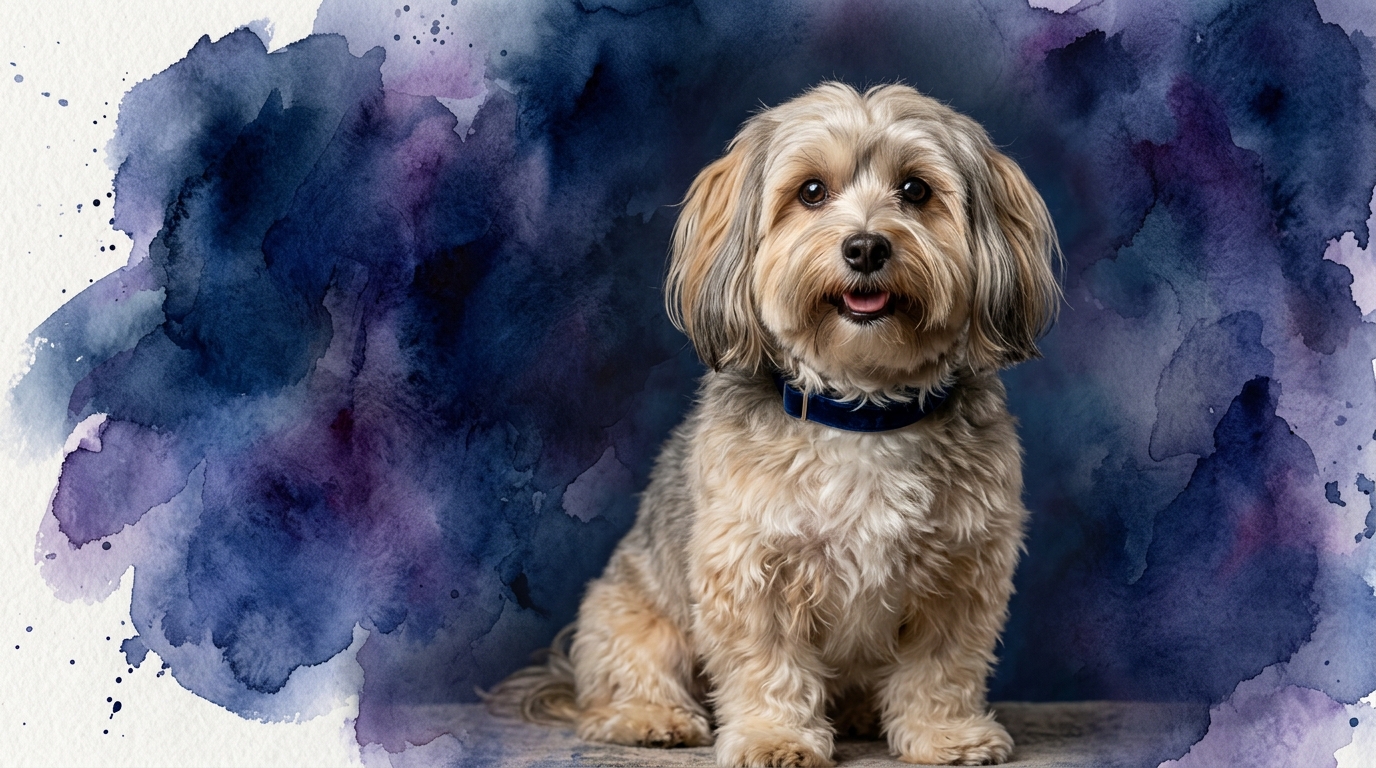
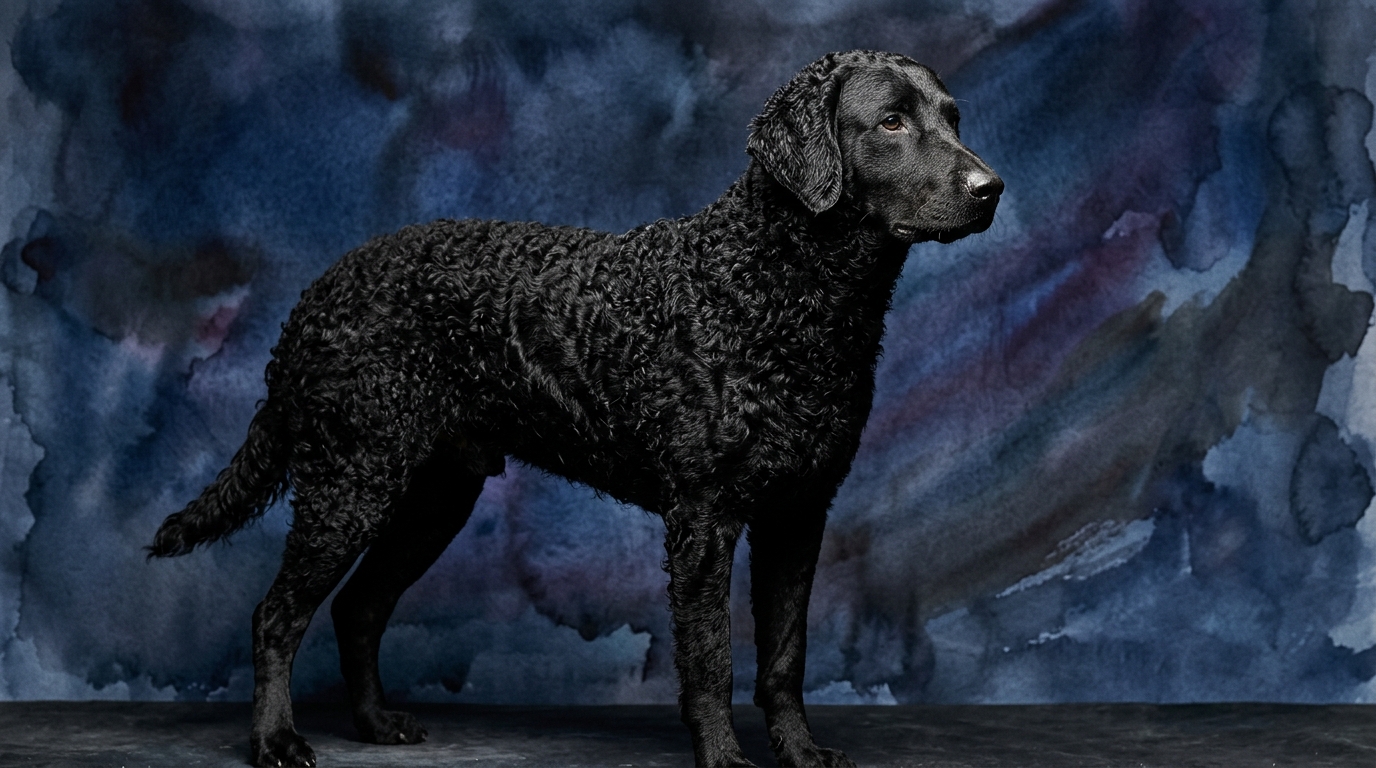
Side-by-Side IQ Profile: Havanese vs. Curly-Coated Retriever
The Cosmic Pet Pet IQ Lab's framework evaluates canine intelligence across five key dimensions, providing a granular view of each breed’s cognitive strengths. For the Havanese, a Toy group dog not ranked by Coren, their profile highlights their companion nature. They exhibit a Problem Solving score of 3/5, indicating a moderate ability to navigate challenges and adapt to new situations. Their Training Speed is also 3/5, suggesting a reasonable pace for learning new commands and behaviors. The Havanese truly excels in Social Intelligence, achieving a perfect 5/5, reflecting an exceptional capacity for understanding human emotions and social cues. Their Instinctive Drive is a low 2/5, meaning primal urges like hunting or herding are not dominant motivators. Lastly, their Memory is rated 3/5, indicating a dependable ability to recall past experiences and learned information.
In contrast, the Curly-Coated Retriever, a Sporting group dog ranked #41 by Coren for obedience intelligence, presents a profile geared towards its working heritage. Their Problem Solving capability matches the Havanese at 3/5, demonstrating a similar aptitude for figuring things out. Their Training Speed is also 3/5, suggesting they are equally receptive to learning new tasks at a steady pace. The Curly-Coated Retriever’s Social Intelligence is a solid 3/5, indicating good understanding of social dynamics and a capacity for forming strong bonds, though perhaps with less nuanced sensitivity than the Havanese. Their Instinctive Drive is a moderate 3/5, reflecting their inherent desire to retrieve and engage with their environment. A notable strength for the Curly-Coated Retriever is their Memory, scoring 4/5, which signifies a superior ability to retain complex information and sequences over time.
Where Havanese Wins Cognitively
The Havanese's clear cognitive advantage lies in their exceptional Social Intelligence, scoring a rare 5/5. This isn't merely about being friendly; it speaks to an acute sensitivity and profound understanding of human emotions, subtle body language, and vocal inflections. A Havanese can often perceive an owner's mood or anticipate their needs, offering comfort or initiating play with remarkable intuition. This deep emotional attunement allows them to integrate seamlessly into family life, acting as highly responsive and empathetic companions. While the Curly-Coated Retriever possesses a capable social understanding, the Havanese operates on a different level of emotional perception. This superior social acumen makes them particularly adept as therapy dogs, capable of forging deep, personal connections and responding to the nuanced emotional states of individuals, far beyond what their moderate problem-solving or training speed scores might suggest. Their lower Instinctive Drive also means their cognitive energy is primarily channeled into these social connections, rather than being diverted by strong independent urges.
Where Curly-Coated Retriever Wins Cognitively
The Curly-Coated Retriever distinguishes itself with a superior Memory score of 4/5, outperforming the Havanese's 3/5. This enhanced capacity for recall is a fundamental asset, particularly given their background as working retrievers. It means they are better equipped to remember a vast array of commands, complex sequences of actions, and the precise locations of retrieved items, even across varying environments and after significant periods. For an owner, this translates into training that builds more robustly; once a Curly-Coated Retriever learns a task, they tend to retain it with greater fidelity and require less frequent reinforcement. Furthermore, their moderate Instinctive Drive of 3/5, while not overwhelming, provides a cognitive edge in purposeful activities. This drive fuels their engagement in tasks, making them more persistent in problem-solving related to their working functions, such as scent tracking or navigating complex retrieval scenarios. Their cognitive architecture is wired to effectively process and store environmental information relevant to their tasks, allowing for consistent performance and adaptability in dynamic outdoor settings where memory of past experiences is critical.
Which is Easier to Train and Why
Both the Havanese and the Curly-Coated Retriever share a Training Speed rating of 3/5, suggesting that neither breed is inherently quicker to grasp new commands. However, the *approach* to training and the *nature* of the learning experience can feel quite different due to their other cognitive strengths. The Havanese’s exceptional Social Intelligence (5/5) means they are profoundly motivated by human interaction, approval, and the desire to maintain a harmonious bond. They thrive on positive reinforcement that strengthens their relationship with their owner, often eager to please and highly responsive to emotional cues. Their lower Instinctive Drive (2/5) means fewer internal distractions from strong primal urges, allowing them to focus more readily on the trainer. This makes them highly receptive to relationship-based training, where the reward is often simply the joy of shared activity and owner affirmation. Their cognitive energy is largely directed towards understanding and pleasing their human companion.
The Curly-Coated Retriever, with its strong Memory (4/5) and moderate Instinctive Drive (3/5), approaches training with a different set of cognitive tools. While they also respond well to positive reinforcement, their motivation is often intertwined with their natural working drives. Training for a Curly-Coated Retriever often benefits from incorporating tasks that engage their retrieving instincts, such as fetch, scent work, or agility, providing a more fulfilling cognitive challenge. Their superior memory means that once a command or sequence is learned, it is likely to be retained with impressive longevity, potentially requiring less frequent refreshing. However, their moderate instinctive drive means trainers might need to proactively manage potential environmental distractions related to scents or movement more actively than with a Havanese. Therefore, while both learn new commands at a comparable pace, the Havanese might feel "easier" for owners seeking an emotionally driven, companionable training partner, whereas the Curly-Coated Retriever excels when training involves purposeful, engaging tasks that leverage their memory and natural working drives.
Which Suits Active Owners vs. Relaxed Owners
The Havanese, characterized by their lower Instinctive Drive (2/5) and paramount Social Intelligence (5/5), generally suits owners seeking a more relaxed lifestyle or those who prioritize intense emotional connection and companionship over rigorous physical demands. While they certainly enjoy play and regular walks, their cognitive energy is predominantly invested in social interaction and understanding their human family. They are often content with indoor games, moderate puzzle toys that engage their problem-solving at a comfortable level, and being in close proximity to their people. Their cognitive profile makes them excellent companions for apartment dwellers, seniors, or individuals whose primary joy comes from a deeply bonded pet that is highly attuned to their emotional state. They thrive on consistent presence and interaction, rather than extensive outdoor adventures or demanding physical challenges.
Conversely, the Curly-Coated Retriever, with its moderate Instinctive Drive (3/5) and superior Memory (4/5), is better suited for active owners who can provide consistent mental and physical engagement. Their cognitive design, rooted in their sporting heritage, means they possess an innate desire to 'do' things – retrieve, explore, and learn complex tasks. They require regular opportunities to exercise both their bodies and minds, whether through long walks, runs, swimming, or engaging in dog sports like agility, obedience, or field trials. Their strong memory means they excel at learning and performing complex routines, making them ideal partners for owners who enjoy structured activities and a dog that can keep up with an adventurous lifestyle. A Curly-Coated Retriever will likely become bored and potentially disruptive if their cognitive and instinctive needs for purposeful activity are not adequately met, emphasizing the importance of an owner who can match their inherent drive.
The Verdict
Choose the Havanese if your priority is an emotionally intelligent companion deeply attuned to your moods, thriving on close social bonds and indoor companionship with moderate activity needs.
Opt for the Curly-Coated Retriever if you're an active owner seeking a capable, memorable learner for outdoor adventures and structured activities, valuing a dog with a strong working drive.
🧠 Find Your Pet's IQ Score
Our Pet IQ Lab assessment covers 25+ tests across 5 cognitive dimensions — personalized to your breed.
Take the Full IQ Test →Frequently Asked Questions
Does the Havanese's high social intelligence mean they are prone to separation anxiety?
While their exceptional social intelligence fosters deep bonds, it can predispose them to separation anxiety if not managed. Early training focused on independent periods and positive associations with being alone can mitigate this. Their need for connection is profound, requiring thoughtful management.
How does the Curly-Coated Retriever's instinctive drive manifest in daily life?
Their moderate instinctive drive means they often enjoy activities like fetching, swimming, and exploring with their nose. This drive needs appropriate outlets, or it might manifest as chewing, digging, or excessive sniffing if bored, making structured play and training essential.
Despite similar training speed, why might one breed feel easier to train than the other?
The Havanese's high social intelligence makes them highly responsive to owner cues and emotional feedback, often perceiving training as a bonding activity. The Curly-Coated Retriever's strong memory and drive for purposeful work make them excellent at retaining complex tasks, but they might require more structured, task-oriented motivation.