Side-by-Side IQ Profile: Unpacking Their Minds
The Cosmic Pet Pet IQ Lab assesses canine intelligence across five critical dimensions, providing a detailed look into how different breeds process the world. While some scores may align, the underlying implications for daily life and companionship can vary significantly.
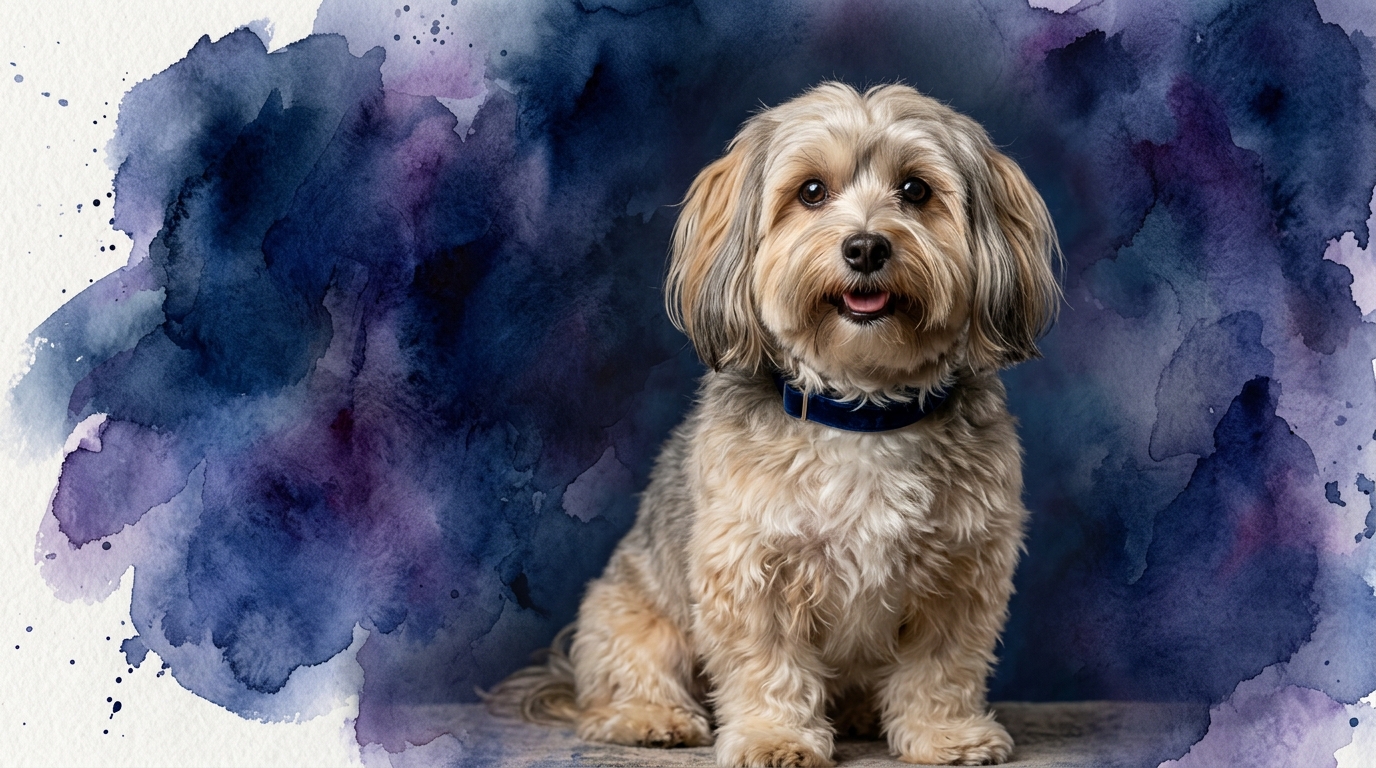
**Havanese Cognitive Profile:** The Havanese, a charming Toy breed, presents a unique cognitive makeup centered around human connection. Their **Problem Solving (3/5)** rating indicates a moderate ability to navigate novel challenges, often employing cleverness to overcome everyday household obstacles like retrieving a toy from a tight spot. Their approach is more observational and trial-and-error based rather than complex strategic planning, meaning they learn routine solutions effectively. In **Training Speed (3/5)**, they show an average pace for acquiring new commands, responsive to consistent and engaging instruction. The Havanese truly shines in **Social Intelligence (5/5)**, demonstrating an exceptional capacity to understand and respond to human emotions, intentions, and subtle social cues, making them deeply empathetic companions. Their **Instinctive Drive (2/5)** is relatively low, meaning they are less motivated by independent tasks like hunting or guarding, and instead prioritize companionship. Finally, their **Memory (3/5)** is solid and average, allowing them to retain learned behaviors and routines consistently over time.
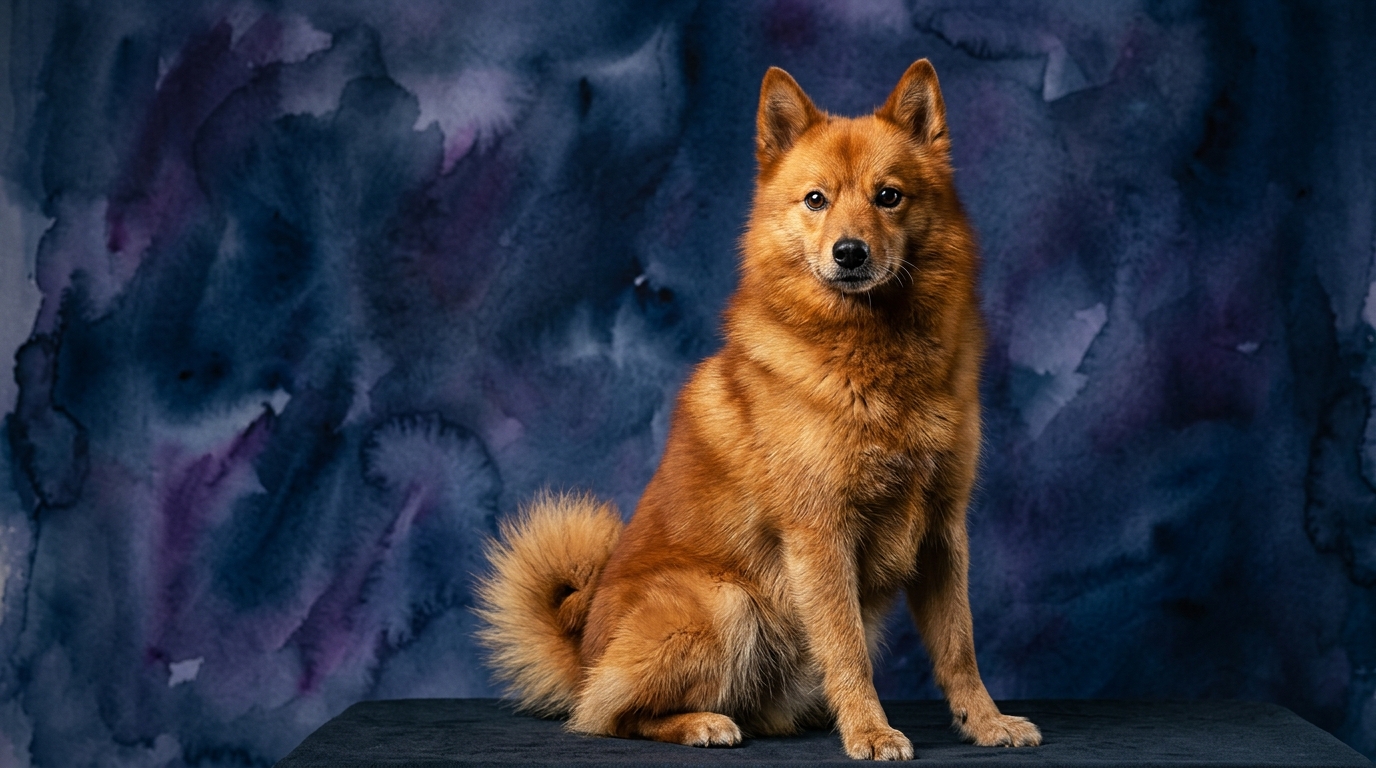
**Finnish Spitz Cognitive Profile:** The Finnish Spitz, a Non-Sporting breed with a distinct heritage, possesses a cognitive profile reflecting its more independent nature. Their **Problem Solving (3/5)** score mirrors the Havanese, indicating a moderate aptitude for figuring out practical solutions to environmental challenges, often through persistence and sensory exploration rather than intricate thought processes. Their **Training Speed (3/5)** is also average, meaning they learn new commands at a steady pace, though their independent streak may require more creative and patient training methods to maintain engagement. The Finnish Spitz shows a **Social Intelligence (3/5)** score, capable of forming strong bonds with their family but generally more reserved and less overtly expressive or emotionally attuned than the Havanese. Their **Instinctive Drive (3/5)** is moderate, a significant aspect of their character stemming from their legacy as barking bird dogs, manifesting as alertness, vocalization, and environmental curiosity. Like the Havanese, their **Memory (3/5)** is average, reliably recalling established commands, routines, and significant experiences.
Where Havanese Wins Cognitively
The Havanese undeniably stands out in the realm of **Social Intelligence (5/5)**, a score two points higher than the Finnish Spitz. This isn't merely about friendliness; it signifies a profound cognitive capacity to interpret and respond to the subtle nuances of human interaction. A Havanese will often anticipate your needs, offering a comforting nudge when you're distressed or initiating play when you're seeking distraction, demonstrating an almost intuitive grasp of emotional states. They excel at reading body language, vocal inflections, and even facial expressions, allowing them to adapt their behavior seamlessly to various social contexts. This superior social processing makes them exceptionally responsive companions, creating a deep, reciprocal emotional connection that few other breeds achieve to the same extent. Their world revolves around understanding and interacting with their human family, making them masters of social cohesion.
Where Finnish Spitz Wins Cognitively
The Finnish Spitz shows a distinct cognitive edge in **Instinctive Drive (3/5)**, surpassing the Havanese by one point. This isn't just about energy; it reflects a deeper intrinsic motivation to engage with their environment in purposeful ways, stemming from their historical role as independent hunting dogs. This drive manifests as a keen alertness to sounds and movements, a persistent curiosity, and a natural inclination to investigate their surroundings. While not an overwhelming drive, it means they possess a sustained focus when a task engages their natural inclinations, such as tracking a scent or alerting to a perceived intruder. This moderate drive equips them with a self-directed mental tenacity, allowing them to pursue interests with a greater degree of independence and self-motivation than their Havanese counterparts. Their cognitive strengths are often best observed when they are allowed to engage these innate behaviors.
Which is Easier to Train and Why
Despite both breeds sharing a **Training Speed (3/5)** score, the Havanese often presents as an "easier" dog to train due to their superior **Social Intelligence (5/5)**. A Havanese's deep desire to please and their exceptional ability to read human cues mean they are highly motivated by social reinforcement – a happy tone, a smile, or a gentle touch can be incredibly effective motivators. They are often eager participants in training, readily offering behaviors to elicit positive feedback from their beloved humans, making the learning process feel more collaborative. Their lower **Instinctive Drive (2/5)** also means fewer competing internal motivations; they are less likely to be distracted by independent pursuits when a training session is underway, preferring to focus on their human partner.
Conversely, while equally capable of learning new commands at an average pace, the Finnish Spitz's more moderate **Social Intelligence (3/5)** and higher **Instinctive Drive (3/5)** can make training a different experience. They are independent thinkers, and their focus might be more readily drawn to environmental stimuli or their own internal motivations rather than solely on pleasing their handler. Training a Finnish Spitz often requires more creativity, patience, and the ability to make tasks engaging and relevant to their natural drives. They respond well to positive reinforcement but might require more compelling rewards or game-based approaches to maintain their engagement, as their compliance is less about emotional reciprocity and more about finding the activity worthwhile.
Which Suits Active Owners vs Relaxed Owners
For **relaxed owners** seeking a deeply empathetic and constant companion, the **Havanese** is typically a more congruent match. Their lower **Instinctive Drive (2/5)** means they are generally content with moderate exercise, such as daily walks and indoor play, and their primary cognitive need is often fulfilled through rich social interaction with their human family. They thrive on companionship and are less prone to developing destructive behaviors from a lack of intense physical or independent mental stimulation, provided their social needs are met. Their exceptional **Social Intelligence (5/5)** makes them ideal for individuals who value a responsive, emotionally attuned presence that seamlessly integrates into a calmer household rhythm, offering comfort and lighthearted engagement without demanding strenuous activity.
For **active owners** who appreciate a dog with a bit more independent spirit and a moderate drive for exploration, the **Finnish Spitz** often presents a better fit. Their **Instinctive Drive (3/5)**, while not extreme, indicates a need for regular mental and physical engagement that taps into their natural curiosity and alertness. They benefit from activities that allow them to use their senses, such as scent games, regular walks in varied environments, or even participation in dog sports like agility or rally. Owners who enjoy outdoor adventures or wish to engage in consistent, goal-oriented training will find the Finnish Spitz a willing, albeit sometimes independently minded, partner. They offer a rewarding companionship for those who can appreciate and channel their moderate work ethic and environmental awareness into constructive outlets.
The Verdict
Choose the Havanese if your priority is an exceptionally socially intelligent and emotionally responsive companion who thrives on deep human connection and requires less independent, task-oriented mental stimulation.
Opt for the Finnish Spitz if you appreciate a dog with a moderate instinctive drive, a more independent personality, and enjoy engaging in activities that allow them to use their senses and natural alertness.
🧠 Find Your Pet's IQ Score
Our Pet IQ Lab assessment covers 25+ tests across 5 cognitive dimensions — personalized to your breed.
Take the Full IQ Test →Frequently Asked Questions
Do Havanese and Finnish Spitz get along well with other pets?
The Havanese, with its high social intelligence, generally adapts well to other pets, often seeking to integrate them into its social circle. The Finnish Spitz, possessing a moderate social intelligence and instinctive drive, can coexist peacefully but might maintain a more independent stance, especially with smaller, prey-like animals if not socialized early.
Are Havanese or Finnish Spitz prone to excessive barking?
The Havanese is generally not considered an excessive barker, often using vocalizations for communication or attention. The Finnish Spitz, however, is historically known as a "barking bird dog" and possesses a moderate instinctive drive, meaning they are more prone to vocalizing as an alert or in response to environmental stimuli.
How do their memory scores (both 3/5) affect their daily routines?
A memory score of 3/5 for both breeds indicates they can reliably recall established routines, commands, and significant experiences over time. This means both breeds will generally remember house training, meal schedules, and familiar paths, contributing to a stable and predictable daily life without requiring constant re-teaching of basic patterns.