Side-by-Side Cognitive Profiles from The Cosmic Pet IQ Lab
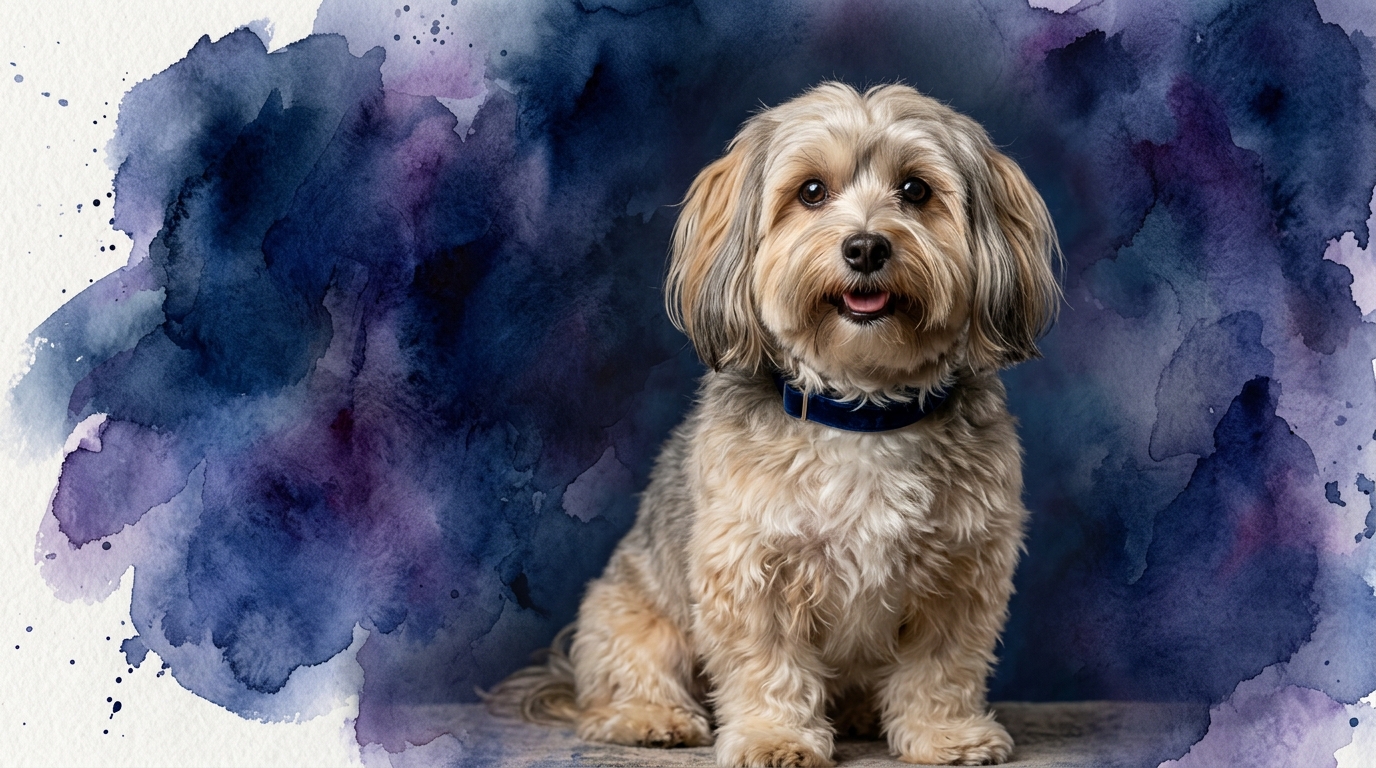
The Havanese, a delightful Toy breed, presents a unique cognitive blueprint. Their Problem Solving is rated 3/5, indicating a moderate ability to navigate novel situations. Training Speed also sits at 3/5, suggesting they absorb new commands at an average pace, benefiting from consistent, positive reinforcement. Their standout trait is Social Intelligence, an exceptional 5/5, signifying a profound capacity to read human emotions and adapt to family dynamics. Instinctive Drive is lower at 2/5, meaning primal urges like hunting or guarding are less dominant. Finally, their Memory is rated 3/5, reflecting solid recall for learned routines.
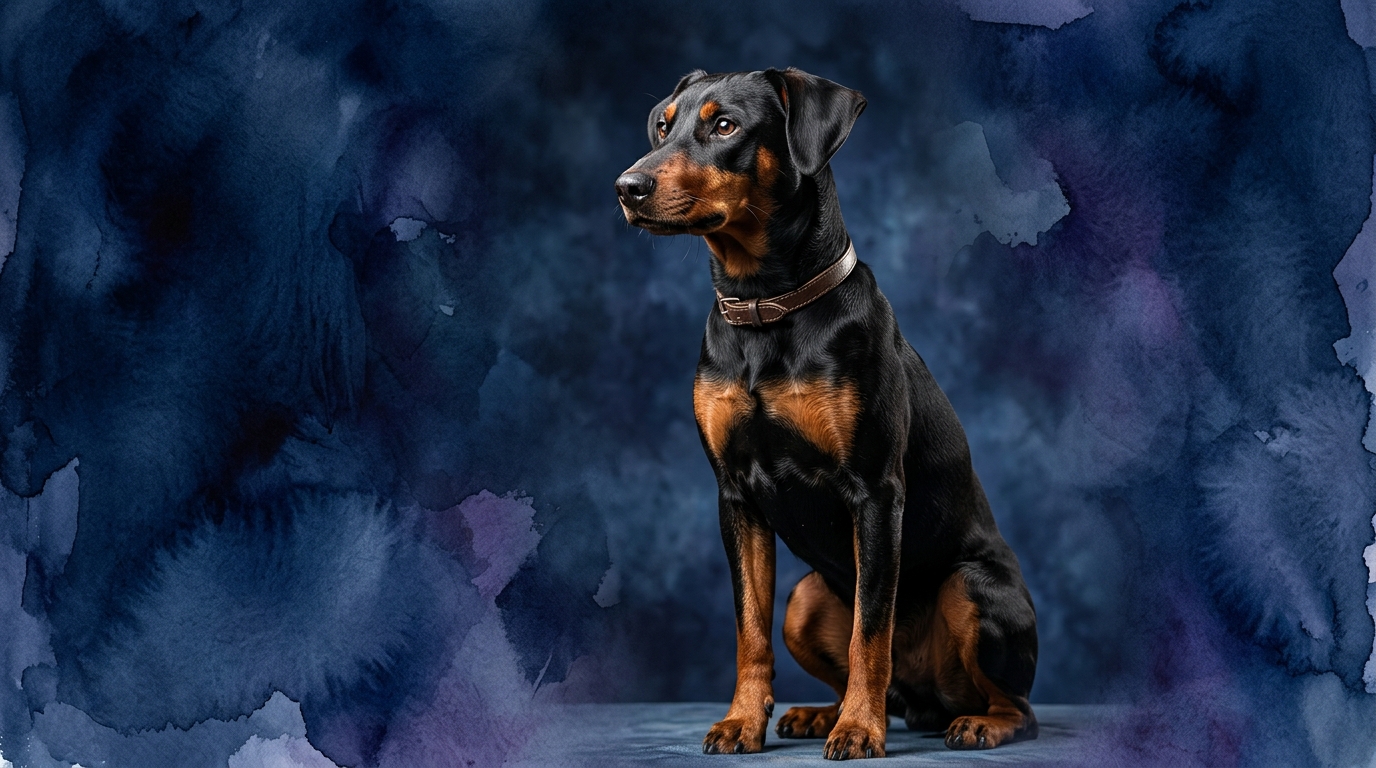
In contrast, the German Pinscher, a robust Working breed, offers a different set of cognitive strengths. Like the Havanese, their Problem Solving is rated 3/5, showing a moderate ability to tackle new challenges. Training Speed also matches at 3/5, indicating they pick up commands with consistent effort, though their motivation might stem from a desire for purpose. Social Intelligence is a balanced 3/5, suggesting they form strong bonds but are not as acutely attuned to subtle emotional nuances. Instinctive Drive is higher at 3/5, reflecting a moderate, inherent inclination for vigilance and guarding. Their Memory, like the Havanese, is rated 3/5, ensuring effective retention of learned information.
Where the Havanese Shines Cognitively
The Havanese’s paramount cognitive strength lies in their extraordinary Social Intelligence, scoring a perfect 5/5. This denotes a sophisticated understanding of human social structures and emotional states. A Havanese can often anticipate an owner's mood, offering comfort during sadness or engaging in play during joy. This deep empathetic connection allows them to integrate seamlessly into family life, making them exceptional emotional support companions. They master reading subtle body language and vocal tones, adapting their behavior to maintain harmony and connection within their human 'pack'.
This high social intelligence also translates into remarkable adaptability within human environments. They thrive on interaction and can co-regulate emotional states with their owners, often mirroring their calm or excitement. While their problem-solving isn't groundbreaking, their social acumen means they often 'solve' social dilemmas by seeking human guidance or de-escalating tension through their charming presence. This cognitive strength makes them exceptionally responsive to human-centered training methods and highly motivated by social praise and companionship.
Where the German Pinscher Excels Cognitively
The German Pinscher's cognitive edge is rooted in its Instinctive Drive, rated 3/5. This inherent drive gives them a strong sense of purpose and a vigilant nature. Unlike the Havanese, whose drives are less pronounced, the German Pinscher possesses a moderate inclination towards tasks like monitoring surroundings or engaging with perceived threats. This isn't uncontrolled aggression, but rather a cognitive framework that primes them for alert observation and decisive action when their instincts are triggered. They derive satisfaction from having a 'job' and exercising their natural capabilities.
This instinctive drive often manifests as a more independent approach to certain problems. While their general problem-solving score is 3/5, instinct-driven scenarios might see them exhibiting more self-reliance in navigating situations related to their duties, such as patrolling a yard or identifying an unusual sound. Their historical role as farm dogs required a degree of autonomy and resilience, shaping a cognitive profile that values purpose and clear boundaries. This makes them less prone to being overly reliant on constant human direction in all contexts.
Training: Willingness vs. Purpose
Both the Havanese and German Pinscher share a Training Speed score of 3/5, suggesting they learn at an average rate. However, the *ease* of training can diverge based on their primary motivations. The Havanese, with its superior social intelligence, is often highly motivated by pleasing its owner and receiving affection. Their desire for connection makes them eager participants in training sessions, often viewing it as a shared activity. This eagerness can make them seem 'easier' to train for beginners, as their compliance is often driven by a strong bond and desire for social reward.
The German Pinscher, while equally capable of learning, often responds best to training that taps into their innate purpose and drive. Their 3/5 instinctive drive means they can sometimes be more focused on environmental stimuli or their own agenda if not properly channeled. Training them requires clear, consistent leadership and often benefits from incorporating tasks that provide mental and physical engagement, rather than solely relying on social praise. While they learn commands efficiently, maintaining their focus and ensuring compliance in the face of distractions might require a more structured and assertive approach.
Matching Breeds to Lifestyles: Active vs. Relaxed Owners
For owners seeking a deeply connected and emotionally responsive companion, the Havanese is an ideal match. Their high social intelligence means they thrive on constant human interaction and are wonderfully adaptable to various home environments, from apartments to larger houses, provided their social needs are met. While they enjoy moderate exercise, their physical demands are not as intense as working breeds. They are well-suited for individuals or families who prioritize companionship, gentle play, and a dog that is always attuned to their presence, making them perfect for owners who appreciate a more 'relaxed' yet highly engaged indoor companion.
The German Pinscher, with its moderate instinctive drive and working group heritage, is better suited for more active and purpose-driven owners. They require consistent mental stimulation and physical exercise to be truly content. Owners who enjoy structured activities like obedience training, agility, or even simply long, engaging walks with clear objectives will find a willing partner. Their need for a 'job' means they thrive when given tasks and boundaries, making them a superb choice for those who want a vigilant, active, and mentally challenged canine companion, rather than solely a lap dog.
The Verdict
Choose the Havanese if you prioritize a highly empathetic, socially intelligent companion who thrives on deep connection and mirrors your emotional landscape. They are ideal for owners seeking a devoted indoor partner.
Opt for the German Pinscher if you desire a vigilant, purposeful, and mentally engaged dog that benefits from structured activities and a clear sense of duty. They suit active owners who can provide consistent guidance and outlets for their drives.
🧠 Find Your Pet's IQ Score
Our Pet IQ Lab assessment covers 25+ tests across 5 cognitive dimensions — personalized to your breed.
Take the Full IQ Test →Frequently Asked Questions
Can a Havanese serve as a guard dog?
While their high social intelligence and alertness mean a Havanese will likely bark to alert you to strangers, their low instinctive drive means they are not suited for true guarding roles. They are more likely to greet new people than to deter them with protective aggression.
Are German Pinschers generally good with children?
German Pinschers can be excellent family dogs with proper socialization and training, developing strong bonds. However, their moderate instinctive drive and energetic nature mean supervision is essential, especially with very young children, to ensure respectful interactions and prevent accidental rough play.
Which breed is more prone to separation anxiety?
Due to their exceptional social intelligence and strong desire for companionship, Havanese might be more prone to separation anxiety if not conditioned to alone time from a young age. German Pinschers, while social, tend to be a bit more independent, potentially making them less susceptible, but still require proper management of alone time.