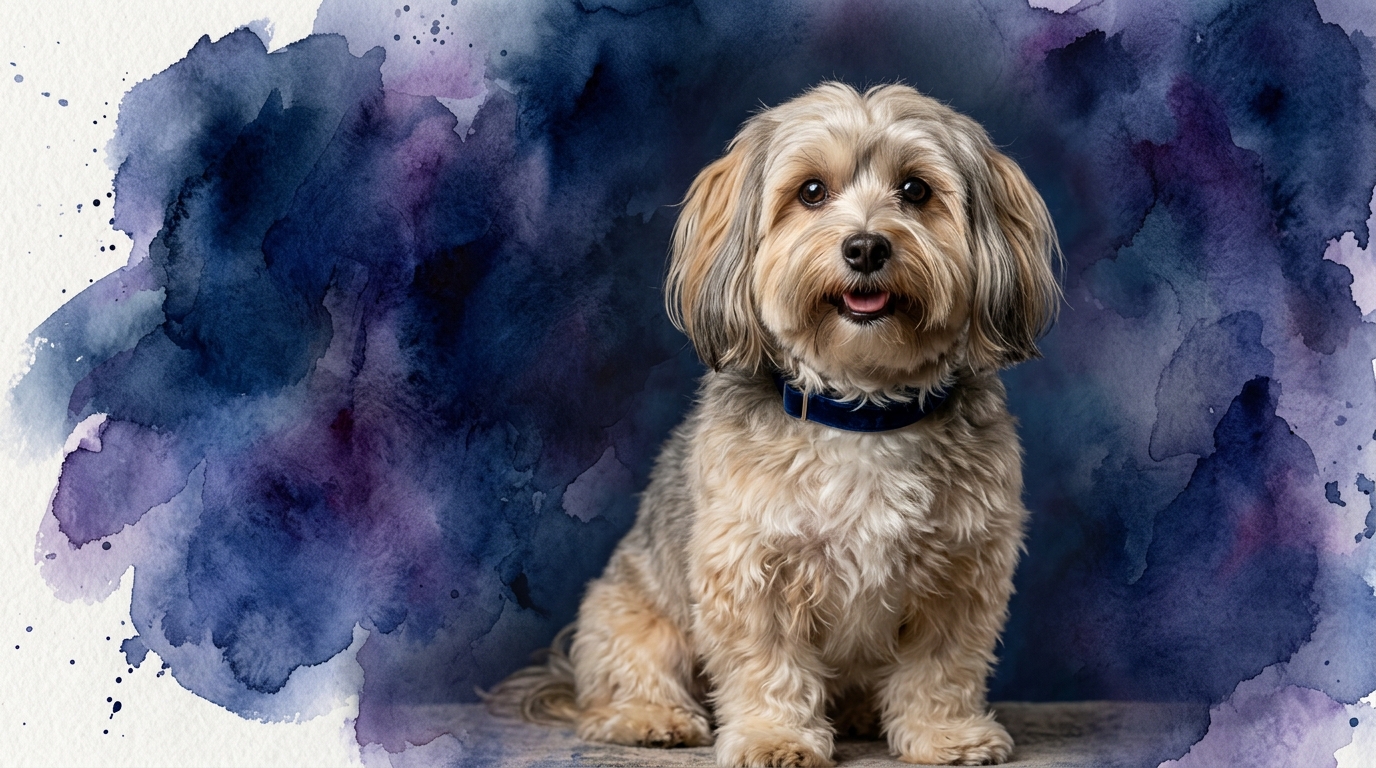
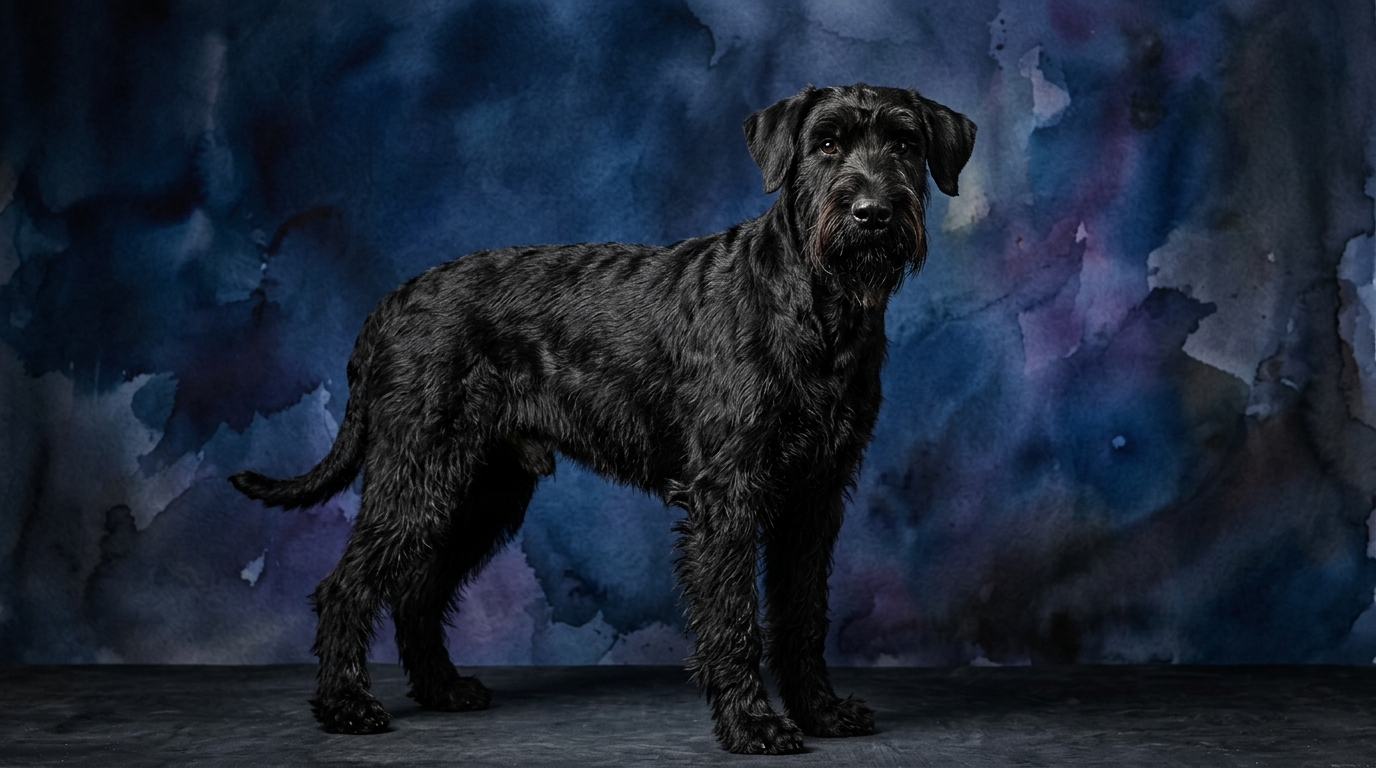
Side-by-Side IQ Profile
The Cosmic Pet Pet IQ Lab assesses five key dimensions of canine intelligence, offering a nuanced view of how breeds process the world. For the Havanese, their IQ profile is: Problem Solving 3/5, Training Speed 3/5, Social Intelligence 5/5, Instinctive Drive 2/5, and Memory 3/5. Their Problem Solving score indicates a moderate ability to navigate novel challenges, often relying on learned patterns rather than innovative solutions. A Training Speed of 3/5 suggests they learn new commands at an average pace, responding well to consistent, positive reinforcement. Social Intelligence, at a perfect 5/5, is their standout trait, reflecting exceptional skill in interpreting human emotions, intentions, and social cues, fostering deep companionship. Their Instinctive Drive of 2/5 means natural urges for tasks like herding or guarding are minimal, favoring interaction over independent work. Finally, a Memory score of 3/5 shows they retain learned information and experiences adequately, remembering routines and familiar people.
In contrast, the Giant Schnauzer's IQ profile presents a different set of strengths: Problem Solving 4/5, Training Speed 4/5, Social Intelligence 3/5, Instinctive Drive 3/5, and Memory 4/5. Their Problem Solving score of 4/5 demonstrates a strong capacity for analytical thought and effective strategies when facing new obstacles or complex tasks. Training Speed, also 4/5, highlights their rapid acquisition of commands and complex sequences, often needing fewer repetitions than many breeds. Social Intelligence at 3/5 indicates a solid understanding of social structures and cues, though perhaps less nuanced in emotional attunement compared to the Havanese. An Instinctive Drive of 3/5 points to a moderate inherent inclination for tasks like guarding or protection, requiring outlets for this drive. Lastly, their Memory score of 4/5 signifies a robust ability to recall intricate training, past experiences, and environmental details over extended periods, reinforcing their Coren rank of #28 for obedience and working intelligence.
Where Havanese Wins Cognitively
The Havanese truly shines in the realm of Social Intelligence, scoring a perfect 5/5. This isn't just about being friendly; it's a deep cognitive ability to read and respond to human emotional states and subtle body language with remarkable precision. They possess an innate talent for understanding what their human companions need or feel, often anticipating desires before they're explicitly communicated, making them exceptional emotional support animals and family confidantes. This high social acumen allows them to adapt seamlessly to diverse family dynamics and individual personalities, becoming highly attuned members of their household. Their cognitive strength lies in their affiliative nature, driving them to seek connection and interaction, and they leverage their social understanding to maintain harmony and engagement within their human pack. This keen emotional perception is a significant advantage in fostering deep, reciprocal relationships.
Where Giant Schnauzer Wins Cognitively
The Giant Schnauzer demonstrates cognitive superiority in areas demanding structured thought and retention, particularly in Problem Solving (4/5), Training Speed (4/5), and Memory (4/5). Their problem-solving prowess translates into a capability for navigating complex environments or learning intricate multi-step commands, showcasing strategic thinking. This breed can analyze situations, strategize, and execute solutions with notable efficiency, making them adept at tasks requiring sequential thought and independent action. Their rapid training speed means they grasp new concepts and behaviors quickly, often requiring fewer repetitions than many breeds to achieve mastery. Furthermore, their impressive memory ensures that once a lesson is learned or a solution discovered, it is retained over long periods, allowing them to build an extensive repertoire of skills and knowledge. This cognitive profile makes them exceptional candidates for advanced obedience, dog sports, and working roles, where their capacity for complex learning truly excels.
Which is Easier to Train and Why
When evaluating ease of training for structured obedience and skill acquisition, the Giant Schnauzer, with its Training Speed of 4/5 and a Coren rank of #28, generally presents a smoother path. Their predisposition for task mastery means they process and execute commands efficiently, often enjoying the mental engagement of learning complex sequences. This breed thrives on clear direction and purpose-driven activities, exhibiting a strong desire to understand and perform what is asked of them, likely due to their working heritage where precise instructions were critical. They typically require fewer repetitions to solidify a command, reflecting their robust memory and problem-solving skills.
The Havanese, with a Training Speed of 3/5, learns at a respectable pace, but their primary motivation stems from their exceptional Social Intelligence (5/5). They are often motivated by the desire to please their human companions and maintain social harmony, making positive reinforcement highly effective. However, their lower Instinctive Drive (2/5) means they might lack the inherent zeal for repetitive, task-oriented work that the Giant Schnauzer possesses. Training a Havanese often involves leveraging their deep connection with their owner, making it a cooperative, relationship-driven process rather than purely command-based, and they may require more creative methods to maintain engagement during longer sessions, often responding best to training integrated into daily interactions.
Which Suits Active Owners vs Relaxed Owners
Owners seeking a companion for more relaxed, emotionally resonant interaction will find the Havanese to be an ideal match. Their high Social Intelligence (5/5) means they are content to observe and participate in family life, thriving on close companionship and subtle communication rather than requiring extensive physical or mental challenges. While they enjoy play, their cognitive strengths are best utilized in understanding and responding to human moods and preferences, making them superb companions for those who value emotional connection and a less demanding daily routine. Their lower Instinctive Drive (2/5) means they are less prone to seeking out independent "jobs" or high-intensity activities, preferring to be a warm, empathetic presence that enriches the home environment with their perceptive nature.
Conversely, the Giant Schnauzer is better suited for active owners who relish engaging in structured activities and providing consistent mental stimulation. Their Problem Solving (4/5) and Training Speed (4/5) indicate a need for regular challenges, such as advanced obedience, agility, or scent work, to keep their minds engaged and prevent boredom. An owner who can provide these outlets will find a highly capable and enthusiastic partner, one eager to learn and perform complex tasks. Their moderate Instinctive Drive (3/5) suggests they benefit from having a "job" or a purpose, channeling their energy into productive tasks. This breed thrives with owners who enjoy a dynamic lifestyle and are prepared to invest significant time in training and structured engagement to fulfill their cognitive potential, creating a strong working partnership.
The Verdict
Choose a Havanese if your priority is an emotionally attuned companion who thrives on social connection and subtle communication, adapting seamlessly to your family's rhythm.
Opt for a Giant Schnauzer if you seek a capable, task-oriented partner for advanced training, dog sports, or a working role, enjoying their robust problem-solving and memory skills.
🧠 Find Your Pet's IQ Score
Our Pet IQ Lab assessment covers 25+ tests across 5 cognitive dimensions — personalized to your breed.
Take the Full IQ Test →Frequently Asked Questions
Do Havanese respond well to emotional cues?
Absolutely, Havanese excel in social intelligence, scoring 5/5, which means they are remarkably adept at interpreting human emotions and subtle body language. This makes them highly empathetic companions who often seem to anticipate their owners' needs and respond with comforting presence or playful engagement.
What kind of training best suits a Giant Schnauzer's intelligence?
Giant Schnauzers thrive with structured, purpose-driven training, especially advanced obedience, agility, or protection work, leveraging their 4/5 problem-solving and training speed. They enjoy mental challenges that allow them to utilize their strong memory and ability for sequential learning, finding satisfaction in mastering complex tasks and routines.
Is a Havanese difficult to train given its 'Not Coren-ranked' status?
Being 'Not Coren-ranked' doesn't mean a Havanese is difficult to train; it simply indicates they weren't part of that specific ranking study. With a 3/5 training speed and high social intelligence, they are responsive to positive reinforcement and motivated by pleasing their owners, making them very trainable for household manners and basic commands when approached with patience and positive methods.