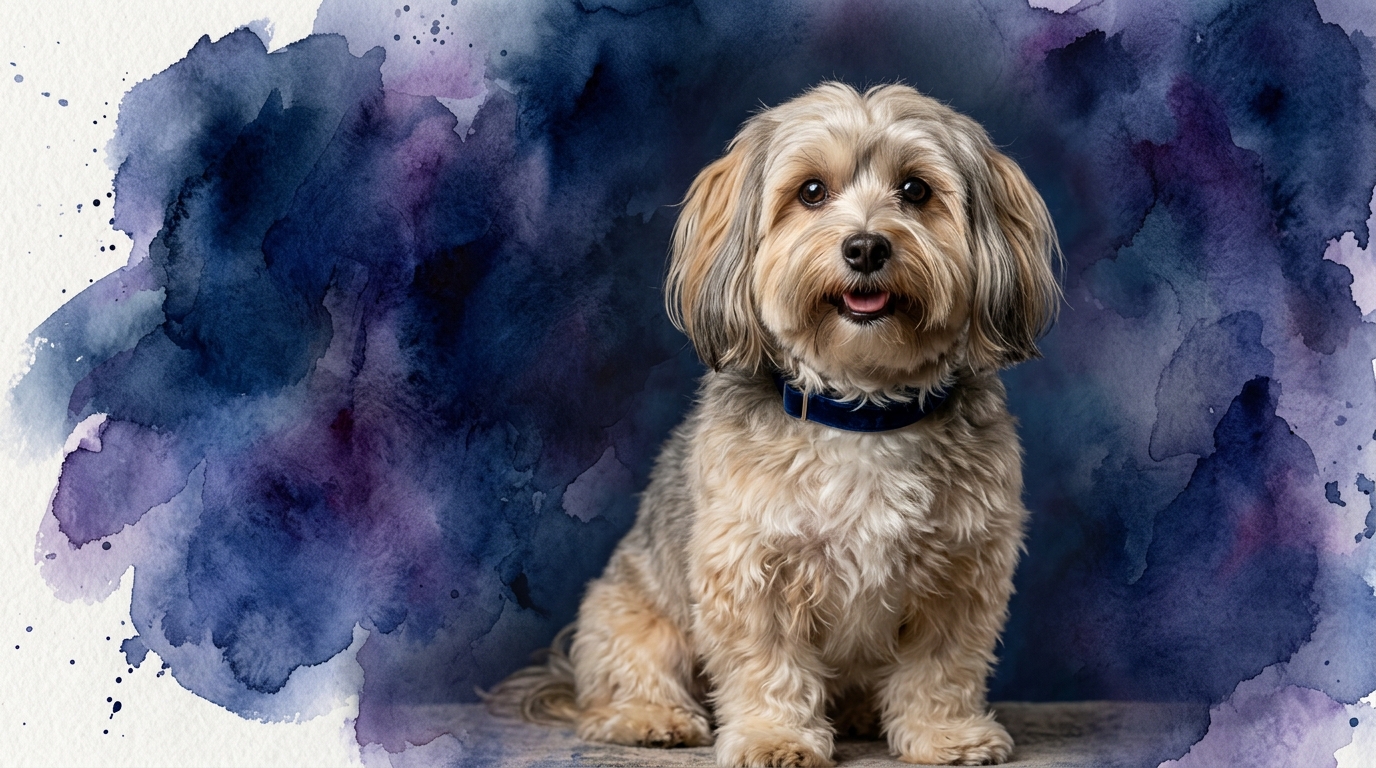
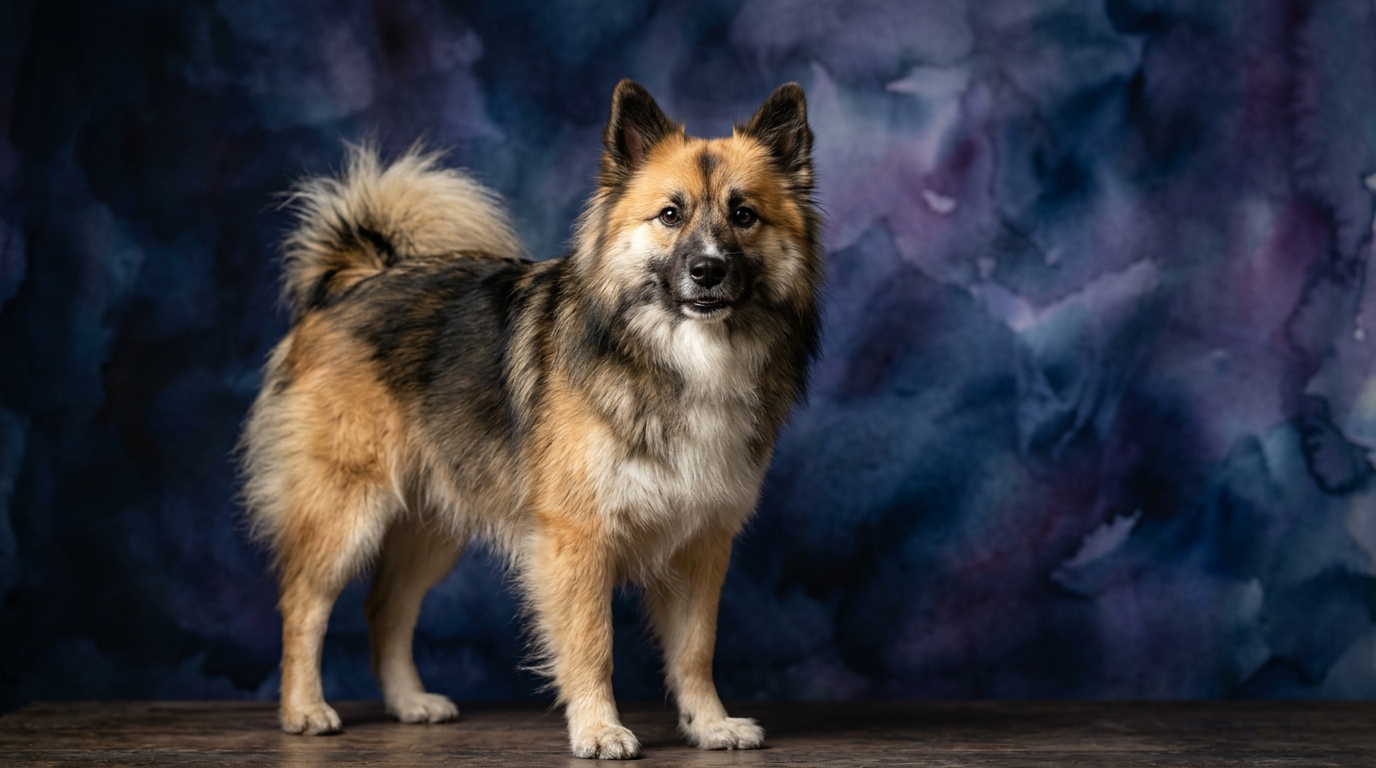
Side-by-Side Cognitive Profiles: Decoding Their Minds
The Cosmic Pet Pet IQ Lab employs five key dimensions to map a dog's cognitive makeup, and while some scores align between the Havanese and Icelandic Sheepdog, their overall intellectual application diverges significantly. Both breeds register a 3/5 for Problem Solving, indicating a moderate capacity to navigate novel situations or figure out how to access a treat puzzle, suggesting they are capable of learning strategies but may not always devise entirely new solutions independently. Their Training Speed also stands at 3/5, meaning they typically grasp new commands at an average pace, requiring consistent but not overly intensive repetition to solidify new behaviors.
Where the Havanese truly shines is in Social Intelligence, earning a perfect 5/5. This reflects an exceptional ability to read human emotions, understand subtle social cues, and integrate seamlessly into family dynamics, often anticipating owner moods or desires. In stark contrast, the Icelandic Sheepdog scores a 3/5 in Social Intelligence, indicating a solid but more independent understanding of social interactions; they are responsive but perhaps less inclined to interpret the nuanced emotional landscape of their human companions. This difference points to distinct motivational structures and interaction styles.
Instinctive Drive presents another critical divergence: the Havanese registers a 2/5, while the Icelandic Sheepdog earns a 3/5. The Havanese's lower score reflects its development as a companion, with minimal inherent urges to herd, hunt, or guard, making them generally adaptable to a home environment without needing extensive outlets for primal behaviors. The Icelandic Sheepdog's score highlights its inherent herding instincts, a drive that, while not extreme, is a fundamental part of its mental makeup and requires appropriate channeling. Finally, both breeds share a Memory score of 3/5, suggesting they retain learned information and experiences for an average duration, remembering routines, commands, and familiar faces without extraordinary recall.
Where the Havanese Excels Cognitively
The Havanese’s standout cognitive strength lies squarely in its superior Social Intelligence (5/5). This isn't merely about being friendly; it signifies a sophisticated capacity for emotional understanding and interpersonal adaptation. A Havanese can often pick up on subtle changes in a person's tone or body language, adjusting their behavior accordingly – perhaps offering comfort when a family member is sad or initiating play when spirits are high. This keen social awareness makes them incredibly intuitive companions, fostering deep, empathetic bonds.
This high social acumen also contributes to their adaptability in varied social settings, from bustling family gatherings to quiet evenings at home. Their lower Instinctive Drive (2/5) further enhances this advantage, as they are less likely to be sidetracked by strong herding urges or prey drives that could pull their attention away from human interaction. Instead, their cognitive focus remains primarily on their human relationships, making them masters of cohabitation and emotional support within a household.
Where the Icelandic Sheepdog Holds a Cognitive Edge
The Icelandic Sheepdog's cognitive strengths are rooted in its working heritage, particularly evident in its Instinctive Drive (3/5). While the Havanese's drive is minimal, the Icelandic Sheepdog possesses a foundational motivation for purpose-driven activity, channeling its mental energy into tasks. This drive, combined with its 3/5 Problem Solving, means that when presented with a task, they are often persistent and engaged in finding solutions relevant to their inherent predispositions.
Their cognitive framework is geared towards environmental awareness and practical application, a trait essential for a herding dog. While their Social Intelligence is moderate, their ability to process environmental stimuli and react appropriately to external cues, such as the movement of livestock or changes in weather, highlights a different kind of practical intellect. This specific cognitive orientation makes them adept at independent work and attentive to their surroundings, even if not always seeking nuanced human emotional connection.
Trainability: Nuances Beyond Speed
While both breeds share a 3/5 Training Speed, the Havanese often appears easier to train in a typical home environment due to its exceptional Social Intelligence. A Havanese is typically highly motivated by pleasing its human companions and thrives on positive affirmation, making them eager participants in training sessions. Their low Instinctive Drive also means fewer strong, innate urges to manage or redirect, allowing them to focus more readily on human-directed tasks without the distraction of a powerful herding instinct.
The Icelandic Sheepdog, despite the same training speed, might present different challenges. Its higher Instinctive Drive means that while it can learn commands effectively, it may also require training that acknowledges and appropriately channels its herding tendencies. Without suitable outlets for this drive, they might become less focused or find their own 'work' to do, such as attempting to gather family members. Their moderate Social Intelligence suggests they might respond well to task-oriented rewards and clear instructions, rather than relying solely on the desire to please their owner.
Lifestyle Match: Active vs. Relaxed Companions
The Havanese, with its lower Instinctive Drive (2/5) and high Social Intelligence (5/5), is generally better suited for more relaxed owners or those seeking a devoted indoor companion. They thrive on close companionship and mental stimulation derived from interaction, rather than extensive physical exertion or complex work tasks. While they enjoy play and short walks, their cognitive needs are primarily met through social engagement, trick training, and being an integral part of family life. They adapt well to apartment living, provided their social and moderate exercise needs are met.
Conversely, the Icelandic Sheepdog's higher Instinctive Drive (3/5) and herding background make it a more fitting choice for active owners who can provide consistent physical and mental engagement. They benefit from activities that tap into their natural inclinations, such as herding games, agility, or extensive hikes. Their cognitive profile suggests a dog that needs a 'job' or purpose to feel fulfilled, making them less suitable for purely sedentary lifestyles. Owners prepared to channel this inherent drive will find a diligent and engaged companion.
The Verdict: Choosing Your Canine Companion
The Verdict
Choose the Havanese if you prioritize a deeply socially intelligent companion who thrives on close human connection and requires moderate physical activity. They are ideal for owners seeking an adaptable indoor dog who is highly attuned to family dynamics.
Opt for the Icelandic Sheepdog if you lead an active lifestyle and are prepared to engage a dog with a moderate herding drive and a desire for purpose-driven activities. They are best suited for owners who can provide consistent outdoor engagement and mental challenges that satisfy their working instincts.
🧠 Find Your Pet's IQ Score
Our Pet IQ Lab assessment covers 25+ tests across 5 cognitive dimensions — personalized to your breed.
Take the Full IQ Test →Frequently Asked Questions
Are Havanese good family dogs, especially with children?
Yes, Havanese often excel as family dogs due to their exceptional Social Intelligence. They are typically gentle, adaptable, and enjoy being part of family activities, making them well-suited for households with respectful children who understand how to interact with a small dog.
Do Icelandic Sheepdogs bark excessively, given their herding background?
Icelandic Sheepdogs can be vocal, using barks to communicate and alert, which is a common trait in many herding breeds. While not necessarily excessive, owners should be prepared for their tendency to 'sound the alarm' and can mitigate this with consistent training and appropriate mental stimulation.
What kind of mental stimulation benefits each breed most?
For Havanese, mental stimulation often comes from learning new tricks, puzzle toys, and extensive social interaction with their family. Icelandic Sheepdogs benefit greatly from activities that mimic their herding work, such as structured training, agility, or scent work, alongside plenty of outdoor exploration.