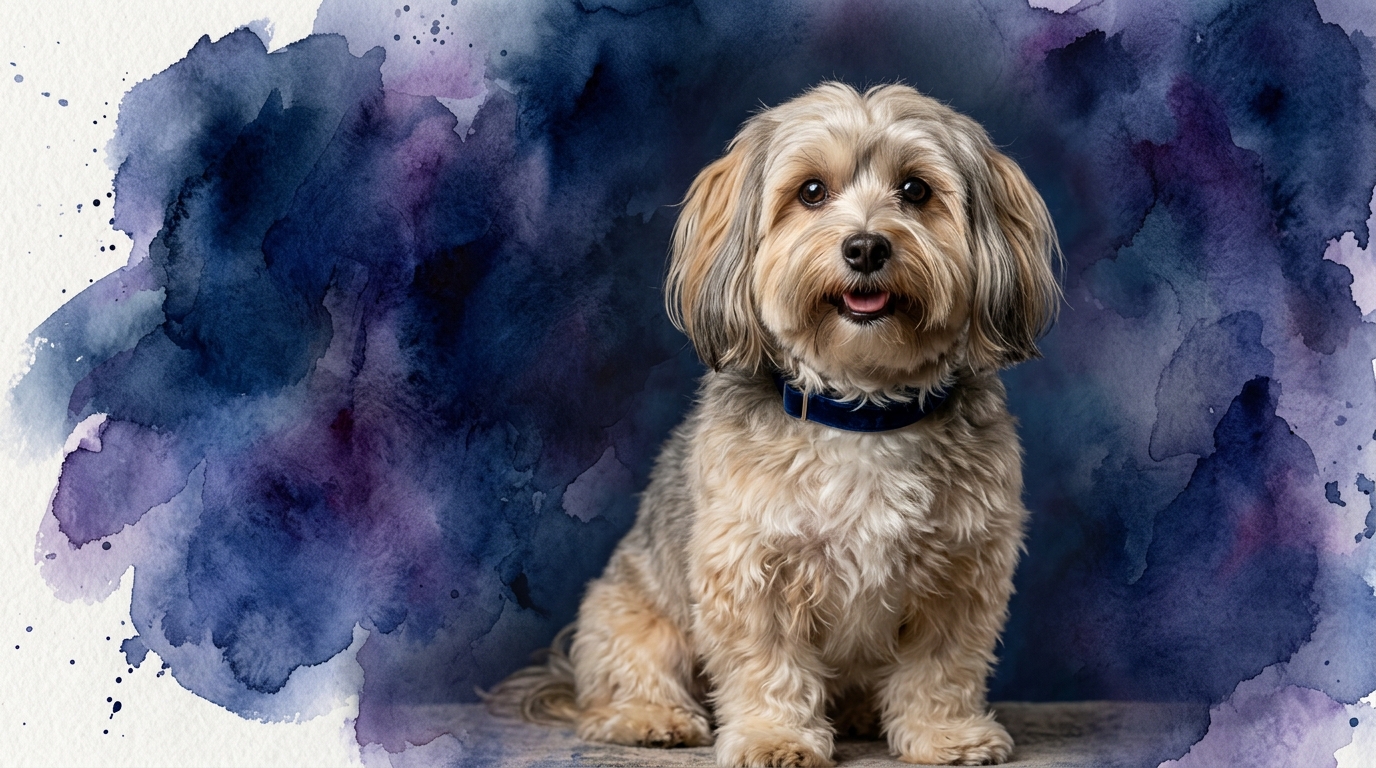
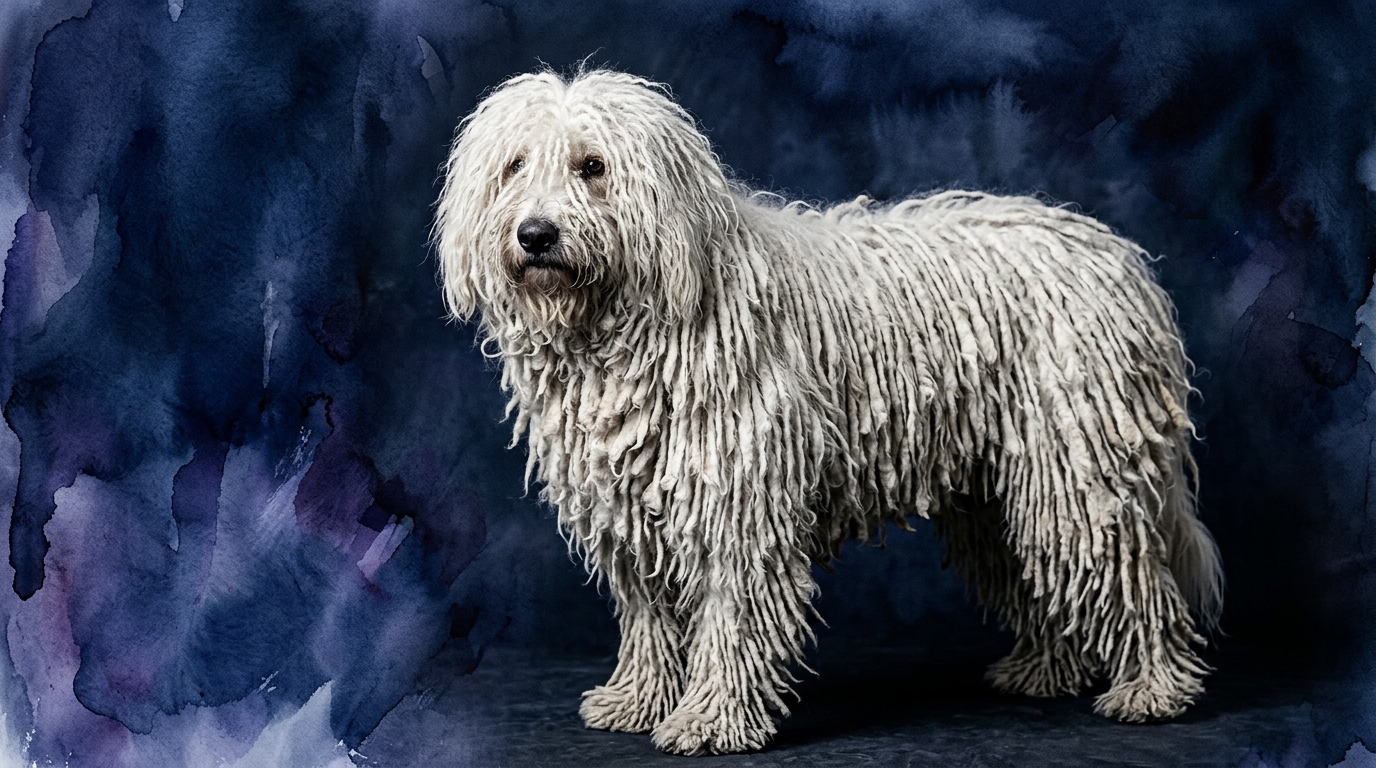
Side-by-Side IQ Profile: Havanese vs Komondor
The Cosmic Pet Pet IQ Lab provides a nuanced framework for understanding canine cognition, breaking intelligence down into five dimensions: Problem Solving, Training Speed, Social Intelligence, Instinctive Drive, and Memory. Let's compare the Havanese and Komondor across these critical areas.
Both breeds share a Problem Solving score of 3 out of 5, indicating a moderate capacity for navigating novel situations and figuring out solutions without extensive guidance. They aren't quick to invent complex strategies but adapt with experience. Similarly, their Training Speed is rated identically at 3 out of 5, suggesting they both learn new commands and routines at a moderate pace; consistency and clear communication are key.
Where they diverge significantly is in Social Intelligence. The Havanese boasts an impressive 5 out of 5, indicating an exceptional ability to understand and respond to human emotions, intentions, and social cues. They are deeply attuned to their human companions, often anticipating needs. The Komondor scores a 3 out of 5; while capable of strong bonds, their social interactions tend to be more independent and less overtly people-focused, reflecting their self-reliant guardian role.
Instinctive Drive also highlights a difference. The Havanese has a score of 2 out of 5, meaning their behavior is less driven by strong, inherent breed-specific predispositions, making them adaptable. The Komondor shows a slightly higher Instinctive Drive at 3 out of 5, reflecting a strong genetic inclination towards guarding and territorial behavior, a core aspect influencing their cognitive output.
Finally, both breeds exhibit a Memory score of 3 out of 5. This suggests they possess a moderate ability to retain learned information, remember past experiences, and recall specifics. They will remember training cues and routines, but not with perfect recall.
Where Havanese Wins Cognitively
The Havanese truly shines in Social Intelligence, where its perfect 5 out of 5 score sets it apart. This superior capacity for understanding and interacting with humans means a Havanese can navigate complex social dynamics with remarkable finesse, adept at reading subtle shifts in human mood and body language. This deep cognitive skill makes them exceptionally responsive companions, allowing them to integrate seamlessly into family life, anticipate owner needs, and offer comfort. Furthermore, their lower Instinctive Drive (2/5) can be a cognitive advantage in a domestic setting. With less intense innate predispositions, their cognitive energy is more readily directed towards human interaction and companionship, making them highly adaptable and flexible to various pet lifestyles rather than fulfilling a specific historical working role.
Where Komondor Wins Cognitively
While the Havanese excels in social nuance, the Komondor demonstrates distinct cognitive strength rooted in its history. Its higher Instinctive Drive (3/5 vs. Havanese's 2/5) is a significant cognitive asset for its intended role, manifesting as a profound sense of responsibility and autonomous decision-making essential for a livestock guardian. A Komondor assesses threats, remembers boundaries, and acts independently, applying its moderate Problem Solving and Memory skills to real-world scenarios without human intervention. This cognitive independence is further reflected in its Coren rank of #67, signifying a measurable capacity for obedience and working intelligence within a structured environment, a specific type of working cognitive ability not demonstrated by the unranked Havanese. The Komondor’s intelligence is geared towards vigilance, territorial awareness, and strategic defense, requiring a distinct application of memory and problem-solving.
Which is Easier to Train and Why
Despite identical scores for Problem Solving (3/5) and Training Speed (3/5), the Havanese is generally easier to train due to its superior Social Intelligence (5/5). A Havanese thrives on human interaction and approval; their high social acumen makes them highly motivated to please and quick to understand cues. Their lower Instinctive Drive (2/5) also contributes, as they have fewer strong, innate behaviors to manage, making them pliable and adaptable to various commands. They view training as positive social interaction.
The Komondor presents a different training dynamic. While learning at a moderate pace, their moderate Social Intelligence (3/5) means they are less intensely focused on human approval, prioritizing their own assessment of a situation. Their higher Instinctive Drive (3/5), particularly for guarding, fosters an independent streak and a strong sense of purpose that can sometimes override compliance. Training a Komondor requires understanding their guardian mindset, patience, and consistency. They respond best to clear, logical commands and appreciate knowing the "why" behind instructions, rather than just performing for social praise. Their inherent independence means they might question commands or prioritize perceived duties, requiring a nuanced, assertive approach.
Which Suits Active Owners vs Relaxed Owners
Understanding cognitive profiles helps align breeds with owner lifestyles. The Havanese, with its high Social Intelligence and moderate Instinctive Drive, fits both relaxed and moderately active owners. They thrive on companionship, content with daily walks, indoor play, and cuddle time. Their cognitive makeup allows adaptability: they happily join a relaxed owner on the couch or engage in interactive games with a more active owner. Their mental stimulation needs are often met through social interaction and puzzle toys, rather than intense physical exertion.
The Komondor, however, suits owners "active" in a specific sense – those prepared to manage and engage a purposeful, independent guardian. While not requiring constant physical activity, their higher Instinctive Drive means they need a purpose or "job," like patrolling a secure yard. Relaxed owners expecting a purely passive companion might find the Komondor's autonomous nature challenging. Owners who appreciate their cognitive predisposition for vigilance and protection, providing consistent leadership and outlets for their instincts, will find the Komondor loyal and rewarding. They need owners actively committed to training, socialization, and fostering an environment where their unique intelligence thrives.
The Verdict
For those seeking a highly communicative and adaptable companion who thrives on close social interaction and can fit into various domestic lifestyles, the Havanese is an ideal choice.
The Komondor suits owners who appreciate an independent, purposeful guardian with a strong sense of duty, capable of autonomous decision-making and requiring consistent, understanding leadership.
🧠 Find Your Pet's IQ Score
Our Pet IQ Lab assessment covers 25+ tests across 5 cognitive dimensions — personalized to your breed.
Take the Full IQ Test →Frequently Asked Questions
How does Coren Rank relate to the Pet IQ Lab's scores?
Coren Rank primarily measures obedience and working intelligence, focusing on how quickly a dog learns and obeys commands. The Pet IQ Lab scores offer a broader, more granular view across five distinct cognitive dimensions, providing a comprehensive understanding beyond just trainability.
Can a Komondor be a good family pet despite its guardian instincts?
Yes, with proper socialization from an early age and consistent training, a Komondor can be a devoted family pet. Their protective instincts naturally extend to their human family, but early exposure to various people and situations is crucial to ensure they distinguish between real threats and normal visitors.
Do Havanese require much mental stimulation?
While their problem-solving and training speed are moderate, Havanese thrive on mental engagement due to their high social intelligence. They enjoy learning new tricks, puzzle toys, and interactive games that involve their human companions, keeping their minds sharp and preventing boredom effectively.