Side-by-Side IQ Profile: Unpacking Cognitive Strengths
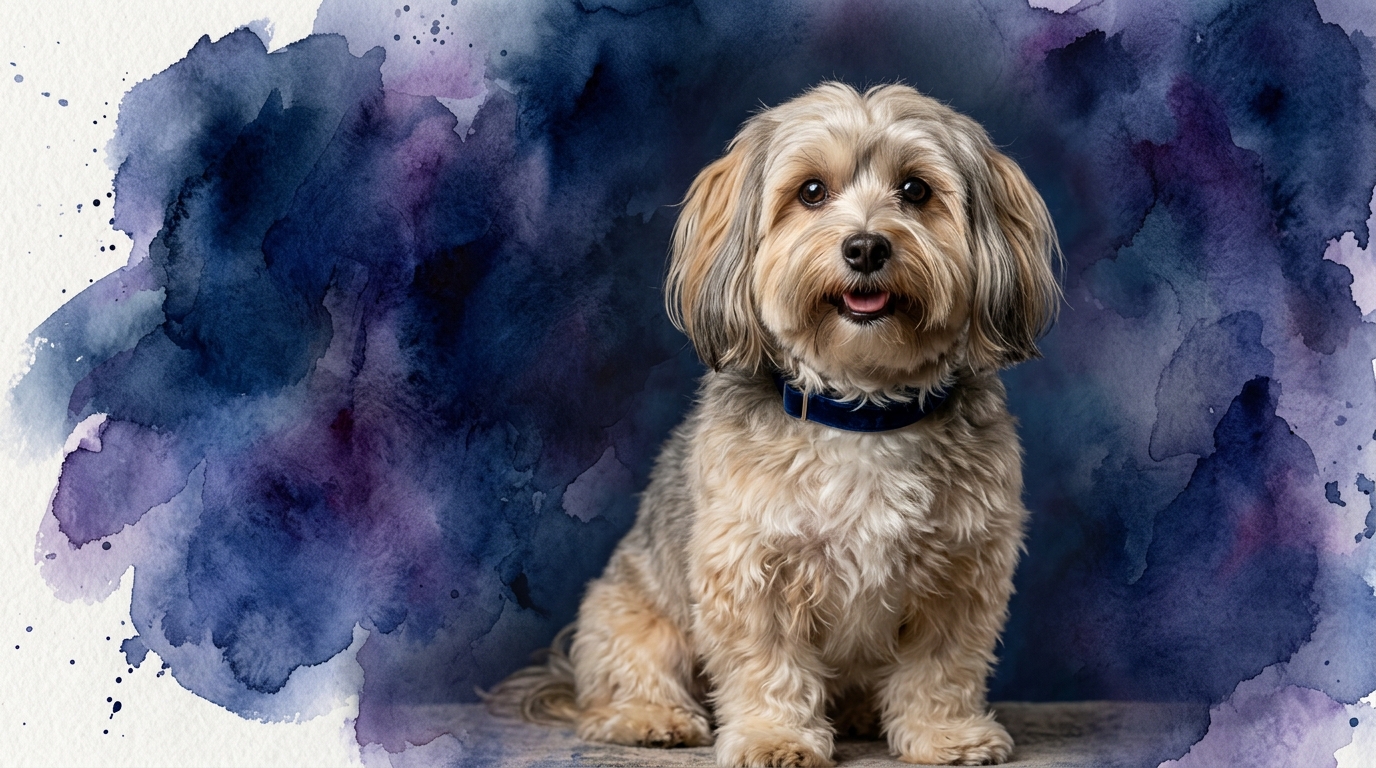
The Havanese, a charming companion breed, presents a cognitive profile centered on connection and social engagement. Their problem-solving ability, rated at 3/5, indicates a capacity for navigating moderately complex daily challenges, often employing observation and a desire to understand their environment through a human lens rather than independent action. They typically learn effective strategies from their surroundings and apply them to achieve desired outcomes, such as retrieving a toy or finding a comfortable spot.
Their training speed, also 3/5, reflects a steady learning curve where consistent, positive reinforcement yields reliable results. This aptitude is significantly amplified by their exceptional social intelligence, scoring a perfect 5/5. This metric highlights their profound capacity to read and respond to human emotions, intentions, and even subtle cues, making them highly attuned and empathetic family members. Their instinctive drive is a modest 2/5, meaning they are less driven by primal urges like hunting or extensive independent exploration, preferring to engage within the family unit. A memory score of 3/5 ensures they retain learned behaviors, social routines, and past experiences effectively.
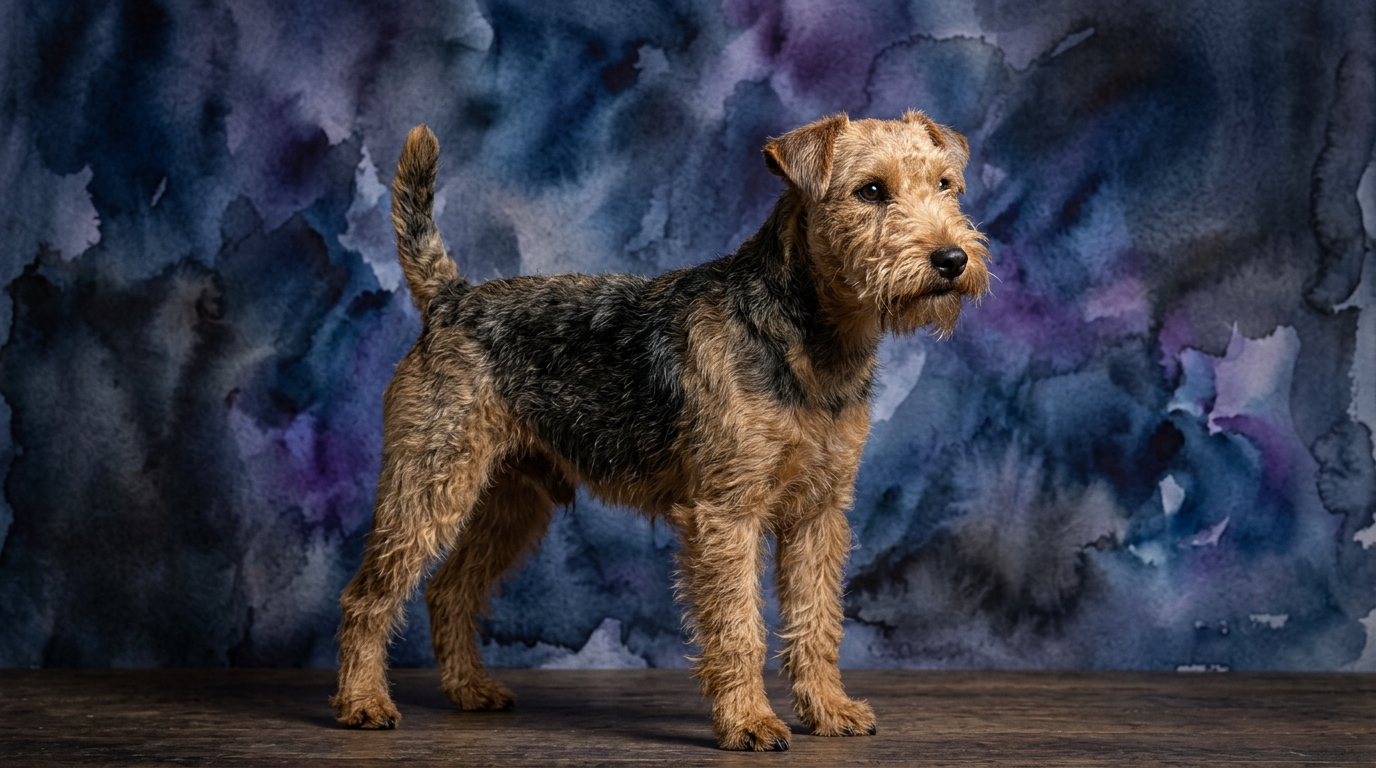
In contrast, the Lakeland Terrier, a spirited working breed, approaches cognition with a different emphasis, rooted in their terrier heritage. Their problem-solving, also 3/5, often manifests through a more tenacious, independent spirit. They are adept at figuring out how to achieve their goals, sometimes with a creative and persistent streak typical of terriers, whether it's outwitting a small critter or finding a way to access a forbidden area. Their cognitive approach is often more hands-on and exploratory.
Their training speed, matching the Havanese at 3/5, indicates they can grasp concepts efficiently, but their independent nature often means the *motivation* to comply can be more nuanced and requires consistent engagement. Their social intelligence, at 3/5, is solid; they form strong bonds and interact well with humans, but without the deep, almost intuitive emotional attunement seen in the Havanese. The Lakeland's instinctive drive, a 3/5, reflects their heritage as vermin hunters, giving them a moderate but distinct inclination for pursuit, digging, and independent investigation. A memory score of 3/5 ensures they recall lessons and experiences, though they might apply them through a lens of self-interest or a desire for independent action.
Where the Havanese Shines Cognitively
The Havanese truly distinguishes itself with its exceptional social intelligence, a perfect 5/5 score within our Cosmic Pet IQ Lab framework. This isn't merely about being friendly; it signifies a profound ability to interpret human non-verbal communication, emotional states, and even subtle shifts in household dynamics. They possess an innate empathy, often anticipating their owner's needs or offering comfort without explicit prompting, demonstrating a sophisticated understanding of their social world and their role within it.
This high social acumen translates into remarkable adaptability within social settings. A Havanese can seamlessly integrate into diverse family structures, often becoming the emotional glue, and easily navigate interactions with new people or other animals through their perceptive understanding of social cues. Their cognitive energy is largely directed towards forming and maintaining these intricate social bonds, making them masters of companion-oriented interaction and communication, far beyond simple obedience.
Where the Lakeland Terrier Demonstrates Cognitive Prowess
While both breeds share a 3/5 problem-solving score, the Lakeland Terrier applies this cognitive ability through the lens of its robust 3/5 instinctive drive. Their cognitive strengths are rooted in independent thought and a tenacious spirit, often manifesting as a determined focus on a task or goal. This isn't just about following commands, but about actively assessing and manipulating their environment to achieve an objective, whether it’s locating a hidden toy or navigating an obstacle course with a resourceful approach.
This breed's terrier heritage imbues them with a purpose-driven persistence. Their cognitive processes are geared towards investigation and action; they are thinkers who act, often with a strong sense of self-direction. This self-reliance, coupled with their moderate social intelligence, allows them to make decisions and pursue interests with less reliance on constant human direction, showcasing a practical, results-oriented form of cognition that was historically invaluable for their working roles. Their cognitive energy is often channeled into exploring, digging, and engaging with the world on their own terms, seeking out novel experiences.
Training Dynamics: Which is Easier and Why?
When evaluating ease of training, the Havanese generally presents a smoother path for most owners. Their exceptional social intelligence and strong desire to please their human companions act as powerful intrinsic motivators. They are highly attuned to handler feedback, eager to cooperate, and thrive on positive reinforcement, praise, and the reward of social interaction. This profound connection means they often *want* to understand and comply, which significantly enhances their 3/5 training speed, making them quite responsive.
Furthermore, their lower instinctive drive (2/5) means fewer distractions from ingrained urges like chasing or independent exploration, allowing them to maintain focus on commands with greater consistency. A Havanese is likely to find joy in the training process itself, as it deepens their bond with their owner and provides desired social interaction, making them cooperative pupils.
The Lakeland Terrier, while also rated 3/5 for training speed, offers a different experience. They are certainly capable of learning quickly, but their independent nature and moderate instinctive drive (3/5) mean that compliance isn't always a given. A Lakeland might learn a command proficiently but choose to prioritize a more enticing scent or activity if not sufficiently engaged or if they perceive a more rewarding alternative. Their problem-solving abilities can sometimes be applied to finding creative ways *around* a command rather than simply following it.
Effective training for a Lakeland requires consistent, stimulating methods, a strong emphasis on positive reinforcement, and clear, firm but fair boundaries. Owners must be prepared to be more persuasive and engaging, transforming training into a rewarding mental exercise rather than a mere obedience drill, to harness their terrier resolve. Patience and creativity are key to motivating this self-assured breed.
Lifestyle Match: Active Owners vs. Relaxed Owners
The Havanese, with their commanding 5/5 social intelligence and moderate 2/5 instinctive drive, is an ideal companion for more relaxed owners. Their primary need is for companionship and being an integral part of family life, thriving on close physical proximity and shared quiet moments. They are content with moderate daily exercise, such as gentle walks around the neighborhood or engaging in indoor games that involve their human family. Their cognitive energy is largely focused on observing and interacting with their human family, making them superb lap dogs and empathetic companions.
Owners who prioritize cuddles, consistent presence, and social interaction will find the Havanese a deeply fulfilling addition to their home, requiring less intense physical activity but abundant emotional engagement. They are excellent for those seeking a devoted, responsive presence that adapts well to a quieter, more home-centric lifestyle.
Conversely, the Lakeland Terrier, characterized by its 3/5 instinctive drive and tenacious problem-solving, is better suited for active, experienced owners. These spirited dogs require significant structured physical activity and consistent mental stimulation to channel their natural terrier energies effectively. Without adequate outlets, their cognitive drive for exploration and action can lead to boredom and potentially destructive behaviors around the home.
Activities such as earthdog trials, agility training, long hikes, or engaging scent work are highly beneficial, allowing them to utilize their senses and problem-solving skills in a constructive manner. Owners who enjoy outdoor adventures, can provide consistent, challenging activities, and appreciate a dog with a robust, independent spirit will find a rewarding and energetic partner in the Lakeland Terrier, one that thrives on purposeful engagement.
The Verdict
Opt for a Havanese if you prioritize an exceptionally socially attuned companion who thrives on deep emotional connection and is eager to please, fitting seamlessly into a relaxed, companion-focused lifestyle.
Select a Lakeland Terrier if you appreciate an independent, persistent dog with a moderate drive for exploration and activity, and are prepared to provide consistent mental and physical challenges.
🧠 Find Your Pet's IQ Score
Our Pet IQ Lab assessment covers 25+ tests across 5 cognitive dimensions — personalized to your breed.
Take the Full IQ Test →Frequently Asked Questions
Are Havanese prone to separation anxiety?
Due to their extremely high social intelligence and strong desire for companionship, Havanese can be prone to separation anxiety if left alone for extended periods. They thrive on constant human interaction and may develop distress behaviors without it, highlighting their need for consistent presence.
Can Lakeland Terriers live in apartments?
Lakeland Terriers can adapt to apartment living if they receive sufficient daily exercise and mental stimulation to satisfy their moderate instinctive drive. Regular walks, playtime, and engaging activities are crucial to prevent boredom and channel their energy constructively within a smaller space, making an active owner essential.
How do Havanese and Lakeland Terriers react to strangers?
Havanese, with their high social intelligence, are generally welcoming and friendly towards strangers, often eager to make new acquaintances and receive attention. Lakeland Terriers, while not typically aggressive, can be more reserved or watchful around strangers, displaying a confident but sometimes aloof terrier demeanor until they deem someone trustworthy or harmless.