The Cosmic Pet IQ Lab: Side-by-Side Cognitive Profiles
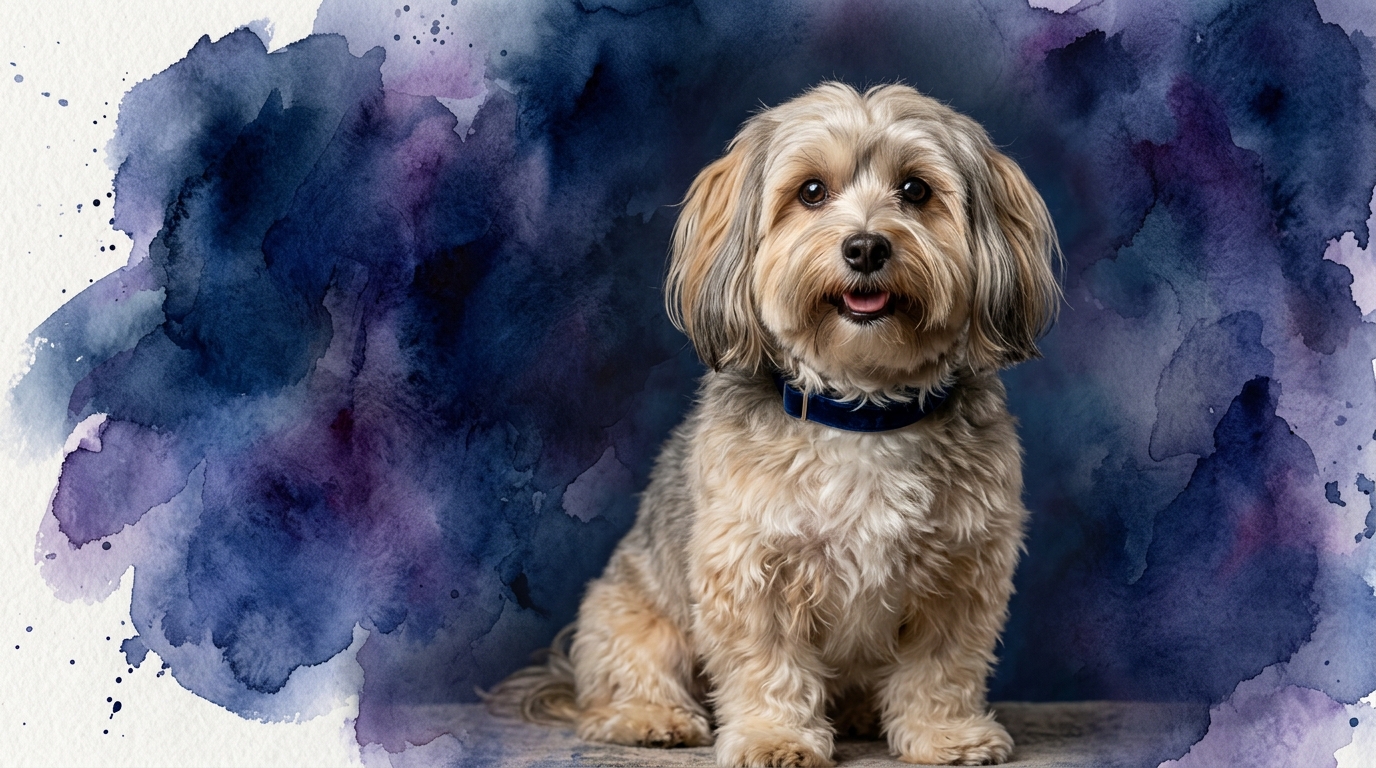
At The Cosmic Pet Pet IQ Lab, we delve into five key cognitive dimensions to understand how breeds process information and interact with their environment. For the Havanese, a Toy breed, their profile reveals a Problem Solving score of 3/5, indicating a moderate ability to navigate challenges like retrieving a hidden toy or figuring out simple puzzles. Their Training Speed also stands at 3/5, suggesting they acquire new commands at a steady, consistent pace, responding well to patient, positive reinforcement. Where the Havanese truly shines is in Social Intelligence, earning a remarkable 5/5, reflecting an exceptional capacity to read human emotions and social cues, fostering deep, intuitive bonds. Their Instinctive Drive is lower at 2/5, meaning they possess minimal inherent urges for activities like hunting or guarding, preferring social engagement. Finally, their Memory is rated 3/5, indicating a good retention of routines, learned behaviors, and past experiences.
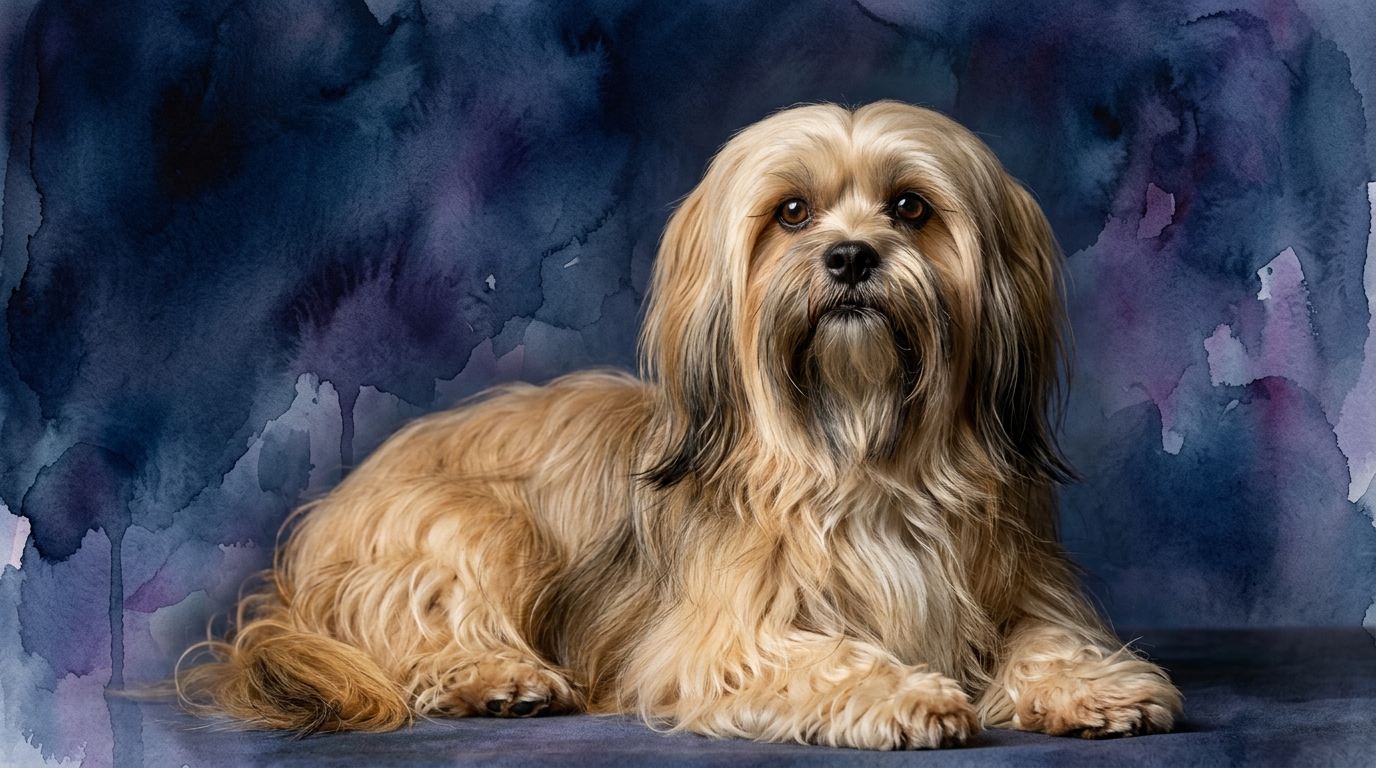
The Lhasa Apso, a Non-Sporting breed with a Coren ranking of #68, presents a slightly different cognitive landscape. Their Problem Solving score mirrors the Havanese at 3/5, demonstrating a similar moderate aptitude for overcoming obstacles and understanding cause-and-effect. Their Training Speed also matches at 3/5; they learn at a steady rate, though their independent nature can sometimes require more consistent motivation. In Social Intelligence, the Lhasa Apso scores 3/5, indicating a solid understanding of social dynamics, particularly within their immediate family, though they tend to be more reserved with strangers. Their Instinctive Drive is slightly higher at 3/5, reflecting their historical role as watchful sentinels, which manifests as alertness and a protective inclination. Like the Havanese, their Memory is rated 3/5, signifying an average capacity for remembering commands, routines, and experiences over time.
Where the Havanese Excels Cognitively
The Havanese truly distinguishes itself in the realm of Social Intelligence, where it scores a perfect 5/5 compared to the Lhasa Apso's 3/5. This isn't merely about being friendly; it reflects a sophisticated cognitive ability to interpret nuanced human emotions, intentions, and social cues. A Havanese often seems to anticipate their owner's moods or desires, offering comfort or companionship precisely when needed, creating an extraordinarily empathetic connection. This high social acumen allows them to adapt quickly to new people and environments, making them versatile companions in various social settings.
This superior social processing means a Havanese is more likely to seek out and thrive on reciprocal interaction, often initiating play or cuddling. Their drive for social connection is a powerful motivator, influencing their learning and behavior. They are adept at understanding complex social dynamics within a family unit, often forming strong bonds with multiple individuals and understanding their roles, which contributes significantly to their reputation as delightful and responsive family members.
Where the Lhasa Apso Holds a Cognitive Edge
While many of their individual IQ scores are similar, the Lhasa Apso's cognitive advantage lies in its specific Instinctive Drive and its Coren ranking. With an Instinctive Drive of 3/5, compared to the Havanese's 2/5, the Lhasa Apso possesses a stronger inherent inclination for vigilance and watchfulness. This stems from their historical role as sentinels in Tibetan monasteries, manifesting as a keen awareness of their surroundings and a tendency to alert their family to perceived changes or intruders. This isn't just a behavior; it's a cognitive predisposition to observe, assess, and react to environmental stimuli, demonstrating a practical, applied intelligence in their protective role.
Furthermore, the Lhasa Apso's Coren ranking of #68, which places them within a category of breeds capable of understanding new commands with 25-40 repetitions and obeying them 50% of the time, offers a concrete benchmark for their learning consistency. While the Havanese is not Coren-ranked, this specific classification for the Lhasa Apso suggests a reliable, if not lightning-fast, capacity for task-oriented learning and retention. This indicates a cognitive framework that, while independent, is structured for practical application and adherence to learned directives within a defined context.
Which is Easier to Train and Why?
Both the Havanese and Lhasa Apso share a Training Speed score of 3/5, suggesting they acquire new commands at a comparable pace. However, the Havanese often presents as easier to train for the average owner, primarily due to their exceptional Social Intelligence (5/5) and lower Instinctive Drive (2/5). Havanese are deeply motivated by human interaction and praise; their strong desire to please and connect with their owners makes them highly receptive to positive reinforcement. Their low instinctive drives mean fewer competing internal urges, allowing them to focus more intently on the training task at hand and readily accept human guidance.
In contrast, while equally capable learners, the Lhasa Apso's Training Speed of 3/5 can be influenced by their more pronounced Instinctive Drive (3/5) for independence and watchfulness. This often translates into a more discerning or stubborn streak during training sessions. They may question commands or require more patience and consistency, as their motivation might stem less from an immediate desire to please and more from a pragmatic understanding of the command's utility or a strong, established bond with a specific person. Successful Lhasa Apso training often requires a confident, consistent leader who understands their independent spirit.
Suitability for Active vs. Relaxed Owners
For owners seeking an active, highly engaged, and socially integrated companion, the Havanese is an excellent fit. Their outstanding Social Intelligence (5/5) means they thrive on constant interaction, mental stimulation, and being an integral part of family activities. They are adaptable to various settings and enjoy participating in dog sports like agility or obedience, albeit at a moderate physical intensity. Their moderate Problem Solving (3/5) and Training Speed (3/5), coupled with their eagerness to please, make them rewarding partners for owners who enjoy consistent training sessions, learning new tricks, and frequent outings.
Conversely, the Lhasa Apso is often better suited for more relaxed, yet consistent, owners who appreciate a dog with a quiet dignity and an independent spirit. While they enjoy walks and playtime, their moderate Social Intelligence (3/5) and slightly higher Instinctive Drive (3/5) for watchfulness mean they are content with being a calm, observant presence in the home. They appreciate routine and a clear hierarchy. Owners who can provide patient, consistent guidance and respect their dog's independent nature will find a deeply loyal companion in the Lhasa Apso, who bonds intensely with their chosen family members.
The Verdict: When to Choose Each Breed
The Verdict
If you seek an exceptionally socially astute and emotionally responsive companion who thrives on deep interaction and readily engages in varied family activities, the Havanese’s cognitive profile aligns perfectly with a life rich in shared experiences.
Opt for the Lhasa Apso if you value a watchful, independent companion with a quiet dignity and a strong sense of loyalty, who will appreciate consistent guidance and a calm, predictable home environment.
🧠 Find Your Pet's IQ Score
Our Pet IQ Lab assessment covers 25+ tests across 5 cognitive dimensions — personalized to your breed.
Take the Full IQ Test →Frequently Asked Questions
Are Havanese good at dog sports like agility?
With a Problem Solving of 3/5 and Training Speed of 3/5, Havanese can certainly enjoy and excel at dog sports, especially those that emphasize teamwork and problem-solving over sheer speed or intense drive. Their high Social Intelligence (5/5) makes them eager to work alongside their human partners, making agility or obedience classes a fun and rewarding experience.
Do Lhasa Apsos bark a lot due to their watchfulness?
Lhasa Apsos do possess an Instinctive Drive of 3/5 for vigilance, stemming from their historical role as sentinels, which means they are naturally alert to their surroundings. While this can lead to alert barking, consistent training and early socialization can help manage and direct this natural tendency, teaching them appropriate times to vocalize.
How do their memory scores (both 3/5) affect daily life?
Both breeds having a Memory score of 3/5 indicates they reliably remember routines, commands, and past experiences, which is beneficial for house-training, consistent behavior, and general adaptability within their home environment. This average memory capacity supports their ability to learn and maintain good habits over time.