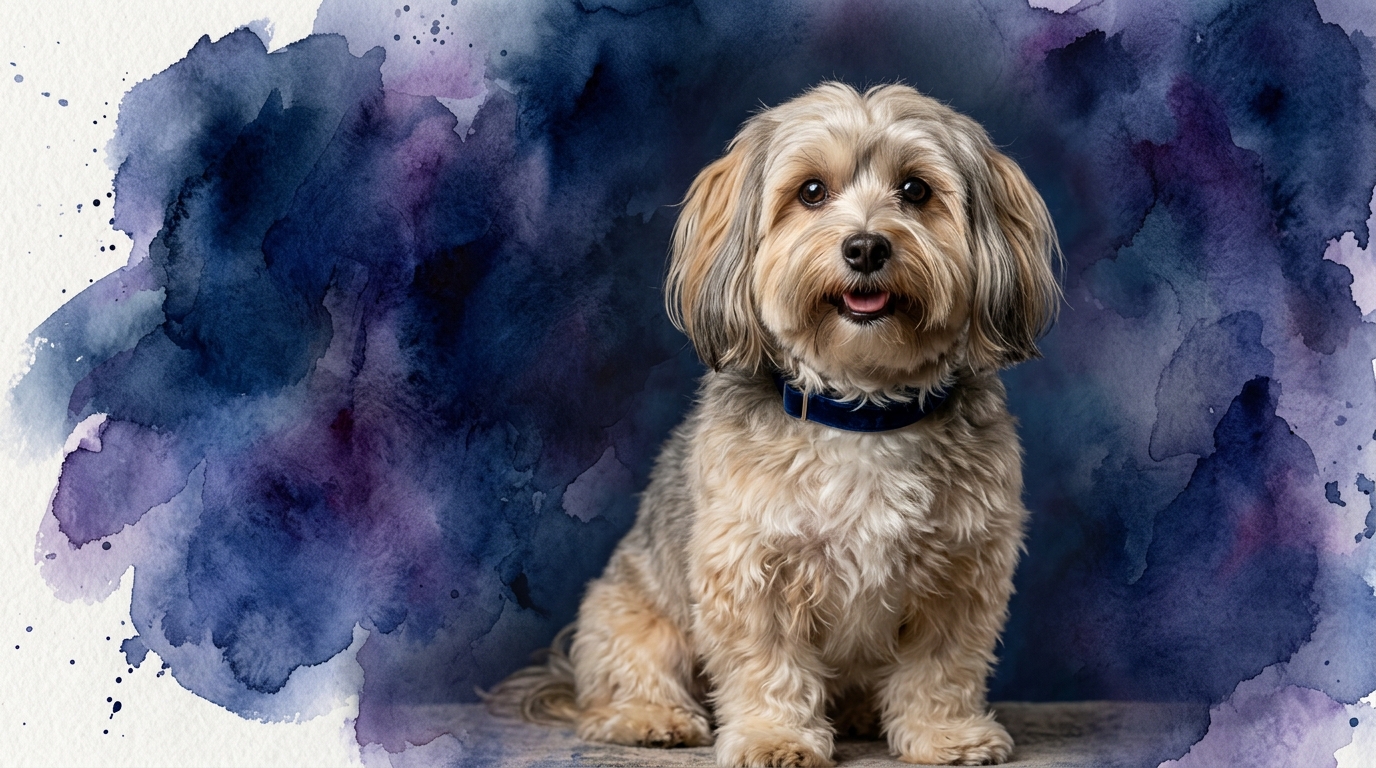
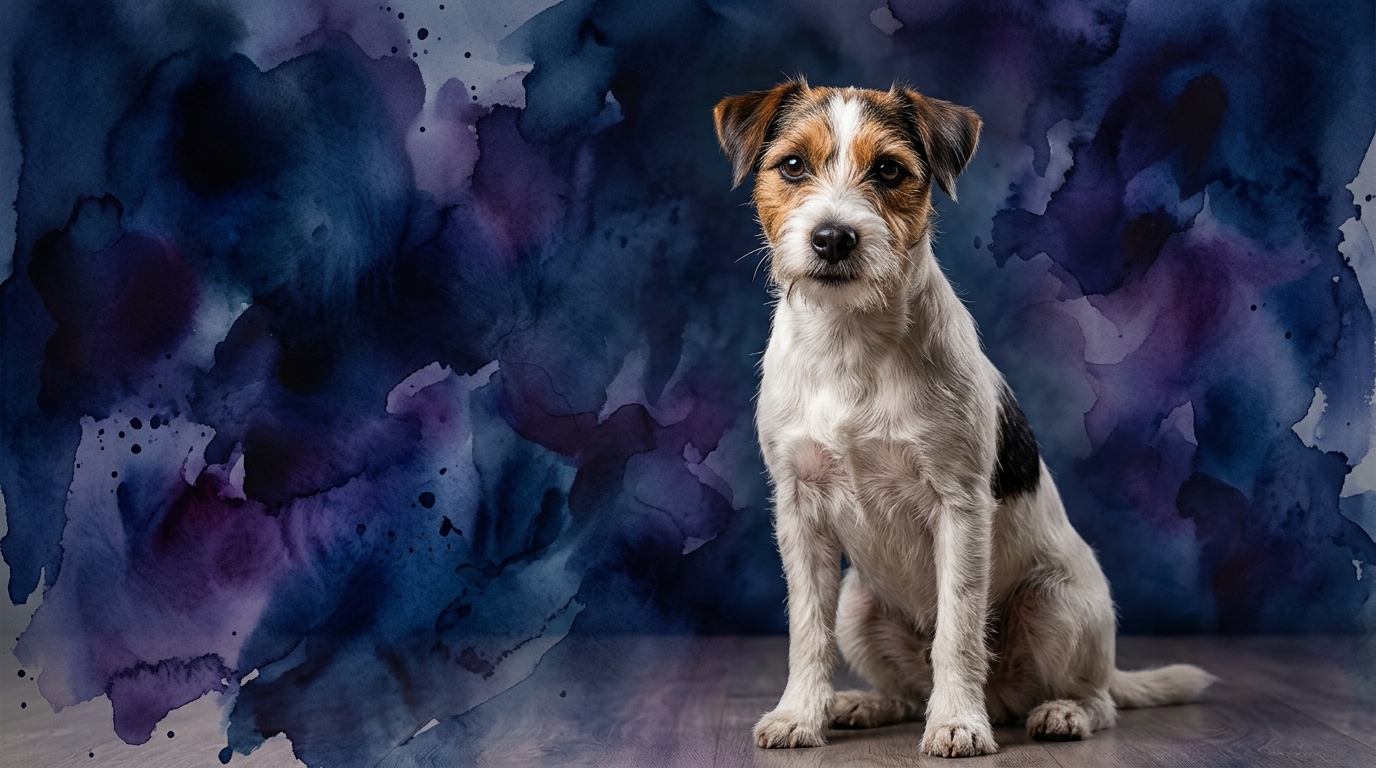
Side-by-Side Cognitive Profile
At The Cosmic Pet Pet IQ Lab, we evaluate breeds across five key cognitive dimensions. For both the Havanese and the Parson Russell Terrier, we observe some fascinating similarities and distinct differences that inform their overall behavior and trainability.
When it comes to Problem Solving, both breeds score a moderate 3/5. This indicates that both the Havanese and the Parson Russell Terrier possess a reasonable capacity for navigating novel challenges or figuring out how to achieve a desired outcome, such as retrieving a hidden toy or bypassing a simple barrier. Their raw ability to analyze a situation and devise a solution is comparable.
In Training Speed, another shared score of 3/5 suggests that both breeds learn new commands or routines at a moderate pace. They are neither instant learners nor particularly slow, requiring consistent, clear instruction and repetition to grasp new concepts effectively and integrate them into their behavioral repertoire.
A significant divergence appears in Social Intelligence, where the Havanese achieves an exceptional 5/5, while the Parson Russell Terrier scores a 3/5. The Havanese demonstrates an outstanding ability to interpret human cues, understand complex social dynamics, and form deep emotional bonds, making them incredibly attuned to their human companions. The Parson Russell Terrier, while responsive, processes social information with less inherent intensity or nuanced interpretation.
Instinctive Drive is another area of contrast: the Havanese scores 2/5, and the Parson Russell Terrier 3/5. The Havanese exhibits a lower natural inclination towards independent hunting, chasing, or guarding behaviors, generally preferring to remain close to their human companions. In contrast, the Parson Russell Terrier retains a more pronounced drive for exploration, scent work, and pursuit, reflecting its historical working terrier heritage and need for engagement with its environment.
Finally, Memory is consistent across both breeds with a score of 3/5. Both the Havanese and the Parson Russell Terrier possess a moderate capacity for recalling learned commands, routines, and past experiences. This allows them to build upon previous training and adapt to established household patterns over time with reasonable accuracy.
Where the Havanese Wins Cognitively
The Havanese's exceptional 5/5 in Social Intelligence is its standout cognitive strength, positioning them as remarkably adept at understanding and engaging with human emotions and intentions. They possess an innate ability to read subtle facial expressions, body language, and vocal tones, often anticipating their owner's moods or desires with striking accuracy. This high social acumen means they are exceptionally attuned to the dynamics of their human family, making them superb companions who thrive on mutual understanding and connection. Their capacity for empathy and their desire to please stem directly from this cognitive strength, allowing for a profound, almost intuitive bond with their people. This isn't just about being friendly; it's about a deep cognitive processing of social information that allows them to integrate seamlessly into human social structures and respond appropriately to social cues.
Where the Parson Russell Terrier Wins Cognitively
The Parson Russell Terrier's moderate 3/5 in Instinctive Drive, compared to the Havanese's 2/5, translates into a breed with a more robust and persistent drive to engage with its environment through sensory exploration and physical activity. This isn't necessarily about aggression, but about a heightened curiosity and a natural inclination to investigate, track scents, and pursue small movements. Their cognitive strength lies in their ability to focus intensely on a task related to these drives, demonstrating a tenacious problem-solving approach when confronted with an environmental challenge that piques their interest, such as finding a hidden toy or navigating complex terrain. This persistent, independent thinking, fueled by their instincts, allows them to excel in activities requiring self-directed exploration and determination, making them adept at tasks that require sustained engagement with the physical world.
Which is Easier to Train and Why
While both breeds share a 3/5 score in Training Speed, the nuances of their other cognitive traits significantly influence their trainability. The Havanese, with its exceptional 5/5 Social Intelligence and lower 2/5 Instinctive Drive, tends to be more inherently motivated by human approval and connection. They are eager to engage in cooperative learning and respond well to positive reinforcement that strengthens their bond with their owner. Their lower drive for independent exploration means they are generally less distracted by environmental stimuli, making it easier to maintain their focus during training sessions centered on human interaction and praise.
The Parson Russell Terrier, conversely, with its 3/5 Social Intelligence and 3/5 Instinctive Drive, often requires a more dynamic and engaging training approach. Their natural curiosity and drive to explore can lead to distractions if training isn't stimulating enough or if the environment is too rich with tempting scents or sights. While they learn at a moderate pace, their independent streak means that trainers need to tap into their innate drives, perhaps through scent games, agility, or engaging chase games, to maintain consistent engagement. Training a Parson Russell often involves channeling their natural terrier tenacity and energy into productive learning rather than relying solely on a desire to please, which may be less pronounced than in the Havanese.
Which Suits Active Owners vs Relaxed Owners
For owners seeking a more relaxed pace of life, the Havanese often presents a more suitable companion. Their high Social Intelligence (5/5) means they thrive on close companionship and mental engagement through interaction with their humans, rather than requiring extensive physical exertion. Their lower Instinctive Drive (2/5) indicates they are generally content with moderate daily walks and indoor play, preferring to be a constant presence by their owner's side. They find contentment in shared quiet moments and thrive in environments where their primary role is that of a cherished family member, perfectly adapting to a less physically demanding lifestyle without becoming bored or destructive, provided they receive ample social attention.
In contrast, the Parson Russell Terrier is undeniably better suited for active owners who can provide consistent outlets for their robust energy and cognitive drives. Their moderate Instinctive Drive (3/5) necessitates regular, vigorous exercise that goes beyond a simple stroll, often including activities like hiking, running, or dog sports that engage both their body and mind. Their tendency towards independent exploration means they benefit from structured activities that challenge their problem-solving abilities and allow them to utilize their natural instincts, such as agility, earthdog trials, or advanced obedience. An active lifestyle provides the mental and physical stimulation essential for a well-adjusted Parson Russell, preventing the boredom that can lead to undesirable behaviors.
The Verdict
If your lifestyle prioritizes deep emotional connection, moderate activity, and a companion exceptionally attuned to social cues, the Havanese is an ideal choice, offering a profound, sensitive bond and thriving on human companionship.
Opt for the Parson Russell Terrier if you lead an active life, enjoy outdoor adventures, and are prepared to engage a dog with a robust independent spirit and a keen drive for exploration, as they will flourish with consistent mental and physical challenges.
🧠 Find Your Pet's IQ Score
Our Pet IQ Lab assessment covers 25+ tests across 5 cognitive dimensions — personalized to your breed.
Take the Full IQ Test →Frequently Asked Questions
Do Havanese and Parson Russell Terriers both excel at puzzle toys?
Both breeds have a 3/5 in Problem Solving, suggesting they can enjoy and figure out puzzle toys at a moderate level. However, a Parson Russell Terrier might approach them with more tenacious, independent focus due to its higher instinctive drive, while a Havanese might be more motivated by the shared interaction of solving it with their owner.
Which breed is more likely to bark excessively?
The Parson Russell Terrier, with its higher Instinctive Drive and terrier heritage, is generally more prone to alert barking or barking at perceived intruders or prey. The Havanese, while social, is typically less inclined to excessive vocalization unless bored or anxious, often preferring to communicate through more subtle social cues and relying on human interaction.
Are Havanese good with children, given their high social intelligence?
Yes, the Havanese's 5/5 Social Intelligence makes them often excellent with respectful children, as they are adept at reading social cues and understanding family dynamics. They thrive on being part of the family unit, though supervision is always crucial to ensure gentle interactions from both dog and child, fostering a harmonious environment.