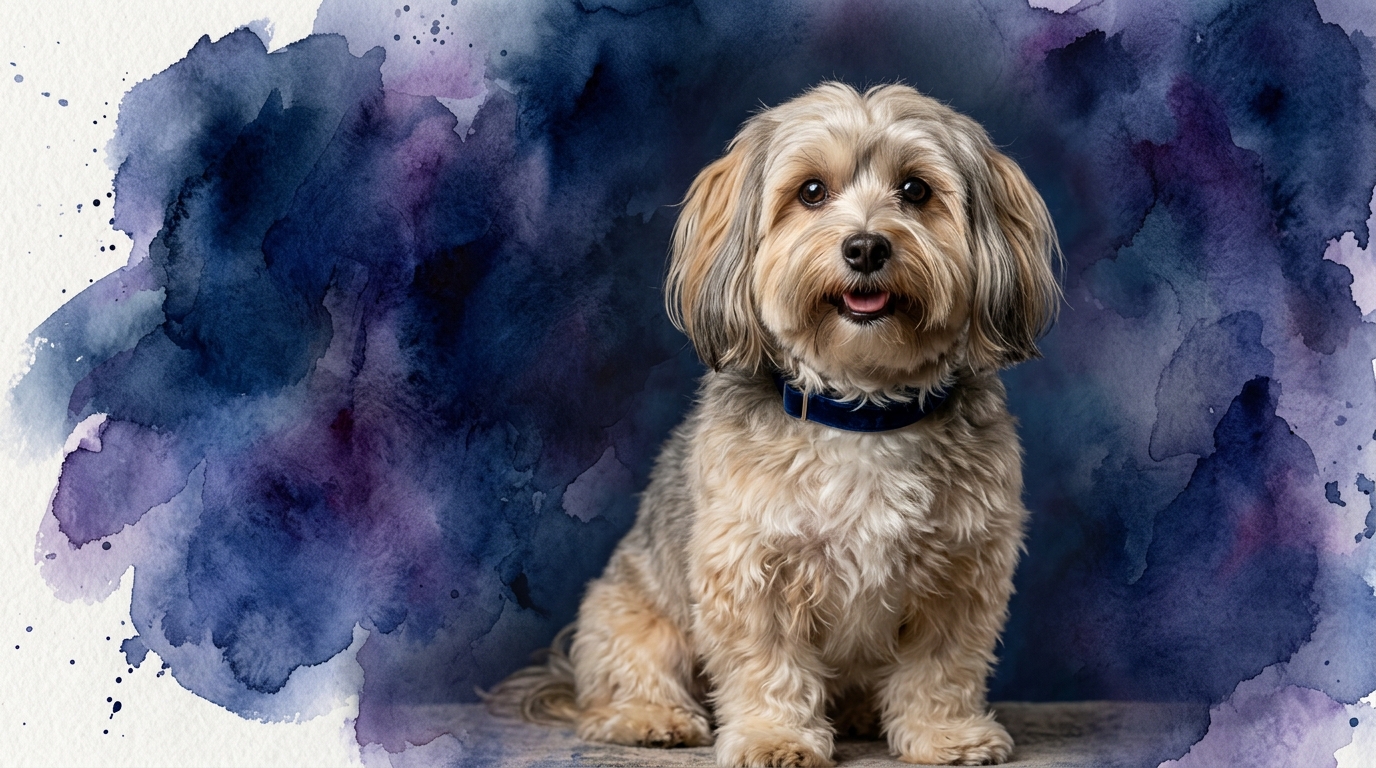
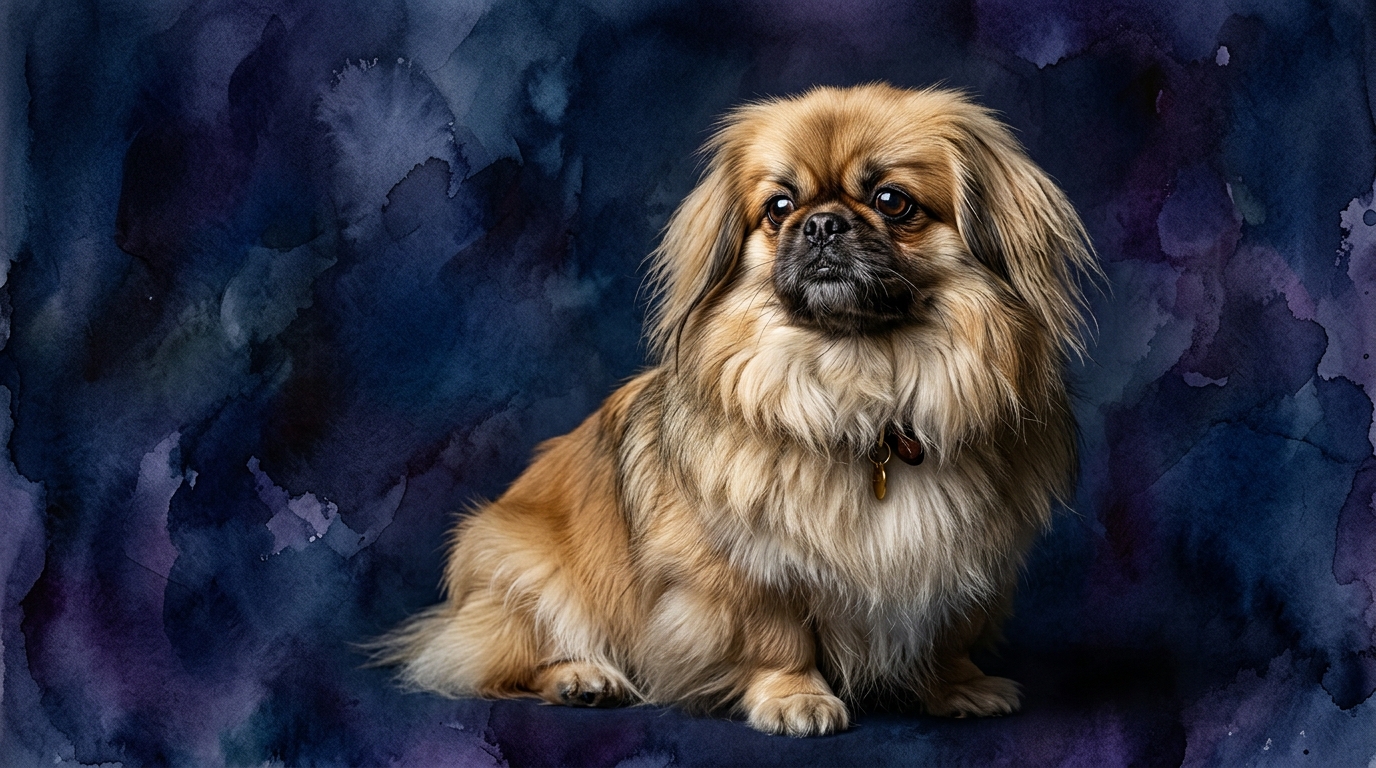
Side-by-Side IQ Profile: Havanese vs. Pekingese
At The Cosmic Pet Pet IQ Lab, we evaluate canine intelligence across five key dimensions, moving beyond simplistic rankings to understand the practical applications of a breed's cognitive strengths. For the Havanese, we observe a balanced, socially-driven intellect, while the Pekingese presents a more independent and self-assured cognitive makeup.
The Havanese, a breed not ranked in Coren's traditional obedience intelligence list, demonstrates a Problem Solving score of 3/5. This suggests they are capable of navigating moderately complex tasks, figuring out how to access a favorite toy or understanding basic household routines, but aren't typically master strategists for intricate puzzles. Their Training Speed is also rated 3/5, meaning they learn new commands at a moderate pace, responding best to engaging and consistent positive reinforcement. Where the Havanese truly shines is in Social Intelligence, earning an exceptional 5/5. This breed is profoundly attuned to human emotions, social cues, and family dynamics, making them highly empathetic and communicative companions. Their Instinctive Drive is a low 2/5, indicating minimal prey drive or strong working instincts; their primary motivation is companionship. Finally, their Memory is a solid 3/5, allowing them to retain learned behaviors and recognize familiar faces and places effectively.
The Pekingese, with a Coren rank of #77, offers a contrasting cognitive profile. Like the Havanese, their Problem Solving ability is rated 3/5; they are practical thinkers, capable of solving immediate environmental challenges or devising clever ways to secure a comfortable napping spot, but they might not actively seek out complex mental exercises. Their Training Speed also stands at 3/5, implying they can learn commands at a moderate rate, though their independent streak can sometimes make training feel less straightforward. The Pekingese's Social Intelligence is rated 3/5; while they form deep bonds with their chosen humans and understand social dynamics, they often engage on their own terms and can be more reserved or discerning with strangers. Their Instinctive Drive is a 3/5, reflecting a moderate guarding tendency and a strong sense of self-preservation, often expressed as an alert awareness of their surroundings. Their Memory, like the Havanese, is rated 3/5, enabling them to recall routines, commands, and past experiences that shape their future interactions.
Where Havanese Wins Cognitively
The Havanese distinctly outperforms the Pekingese in Social Intelligence, scoring a perfect 5/5 compared to the Pekingese's 3/5. This remarkable attunement translates into a dog that is exceptionally responsive to human emotional states, making them incredibly intuitive companions. A Havanese will often sense a change in your mood, offering comfort or adapting their playfulness accordingly without direct prompting. Their capacity for nuanced communication with humans extends beyond simple commands; they are adept at reading body language, vocal inflections, and even subtle facial expressions, allowing for a deeply integrated presence within a family unit.
This superior social cognition also fuels their eagerness to participate and please, making them highly motivated by positive human interaction. They thrive on being involved in family activities and learning new things alongside their owners. This inherent desire for connection means they are often more proactive in seeking out engagement and will work harder to understand and comply with human requests, driven by the reward of companionship and praise. Their low instinctive drive further reinforces this, as they are less distracted by independent pursuits and more focused on their human partners.
Where Pekingese Wins Cognitively
The Pekingese displays a unique cognitive strength in its self-assured independence and a slightly higher Instinctive Drive (3/5 vs. Havanese's 2/5). This means they possess a greater capacity for self-sufficiency and are less dependent on constant human direction or validation. A Pekingese is often content to observe their surroundings from a comfortable perch, entertaining themselves without the constant need for interactive play or commands. This independent problem-solving manifests in their ability to manage their own comfort and boundaries, often making decisions based on their preferences rather than solely to please an owner.
Their moderate guarding instincts, a facet of their instinctive drive, position them as surprisingly alert watchdogs for their size. While not aggressive, a Pekingese will often be the first to notice and alert their household to new sounds or visitors, demonstrating a keen awareness of their territory. This self-reliant nature, combined with a pragmatic problem-solving approach, means they excel in situations where a dog is expected to be a dignified, discerning presence rather than a perpetual performer. Their social intelligence, while lower than the Havanese, is still robust enough to form deep, loyal bonds, albeit on their own terms, providing affection and companionship with a distinct sense of personal agency.
Which is Easier to Train and Why?
When considering ease of training, the Havanese often presents a more straightforward experience despite both breeds sharing a 3/5 Training Speed. The crucial difference lies in their Social Intelligence and underlying motivations. The Havanese's exceptional 5/5 Social Intelligence means they are inherently driven to interact with and please their human companions. They are highly motivated by praise, positive attention, and the joy of shared activity, which makes them very receptive to learning new commands and tricks. They are less likely to exhibit stubbornness because their primary goal is often to strengthen their bond with their owner, leading to a more cooperative training dynamic. Their low instinctive drive also means fewer distractions from ingrained behaviors.
The Pekingese, while equally capable of learning with a 3/5 Training Speed, requires a different approach due to their 3/5 Social Intelligence and more pronounced independent streak. A Pekingese might understand a command but choose not to comply if it doesn't align with their immediate comfort or perceived benefit. Their training often demands more patience, consistency, and a strong understanding of what motivates the individual dog, which might be a high-value treat or a favorite comfortable spot rather than just owner praise. They are not difficult to train, but they often require owners to prove the value of the instruction, rather than simply accepting it out of a desire to please. Real behavioral differences include the Havanese's tendency to mirror owner enthusiasm versus the Pekingese's more discerning, 'what's in it for me?' attitude.
Which Suits Active Owners vs. Relaxed Owners?
For owners with a more active lifestyle, the Havanese generally makes a more suitable companion. While not requiring extreme physical exertion, their high Social Intelligence means they thrive on being an integral part of family activities. They are playful and enjoy mental stimulation through learning new tricks, participating in dog sports like agility or rally, or accompanying their owners on walks and outings. An active owner for a Havanese isn't necessarily a marathon runner, but rather someone who enjoys consistent interaction, engagement, and incorporating their dog into daily life beyond just basic care. They need their minds stimulated and their social needs met through consistent companionship.
Conversely, the Pekingese is often a better fit for more relaxed owners who appreciate a dignified and self-sufficient companion. Their independent nature means they are generally content with less structured activity and can entertain themselves without constant human intervention. While they enjoy short, leisurely strolls and affectionate interactions, they are equally happy to lounge comfortably, observing the household from a plush bed. A relaxed owner for a Pekingese values a dog that provides companionship on its own terms, appreciates a predictable routine, and doesn't demand constant engagement. They offer a calm, regal presence that enriches a peaceful home environment, providing affection when they choose to give it.
The Verdict
Choose the Havanese if you seek an emotionally attuned, highly interactive companion eager for social engagement and motivated to learn alongside you. They thrive in homes where they are an integral, participating member of the family.
Opt for the Pekingese if you appreciate an independent, dignified companion who offers affection on its own terms and prefers a more relaxed pace of life. They are ideal for owners who value a self-assured presence and a calm home environment.
🧠 Find Your Pet's IQ Score
Our Pet IQ Lab assessment covers 25+ tests across 5 cognitive dimensions — personalized to your breed.
Take the Full IQ Test →Frequently Asked Questions
Are Havanese good for first-time dog owners?
Yes, Havanese are often an excellent choice for first-time dog owners due to their eager-to-please nature and high social intelligence. They are generally responsive to training and thrive on positive reinforcement, making the learning process rewarding for both dog and owner.
Do Pekingese get along with other pets?
Pekingese can get along with other pets, especially if introduced thoughtfully and from a young age. Their independent nature means they might tolerate rather than actively seek interaction, but they can coexist peacefully with cats or other calm dogs if their boundaries are respected.
What kind of mental stimulation do these breeds need?
Havanese need mental stimulation through interactive play, learning new tricks, and consistent social engagement, thriving on tasks that involve their human partners. Pekingese, while appreciating occasional puzzle toys or short training sessions, are often content with observing their surroundings and having their comfort needs met, requiring less intense, structured mental exercise.