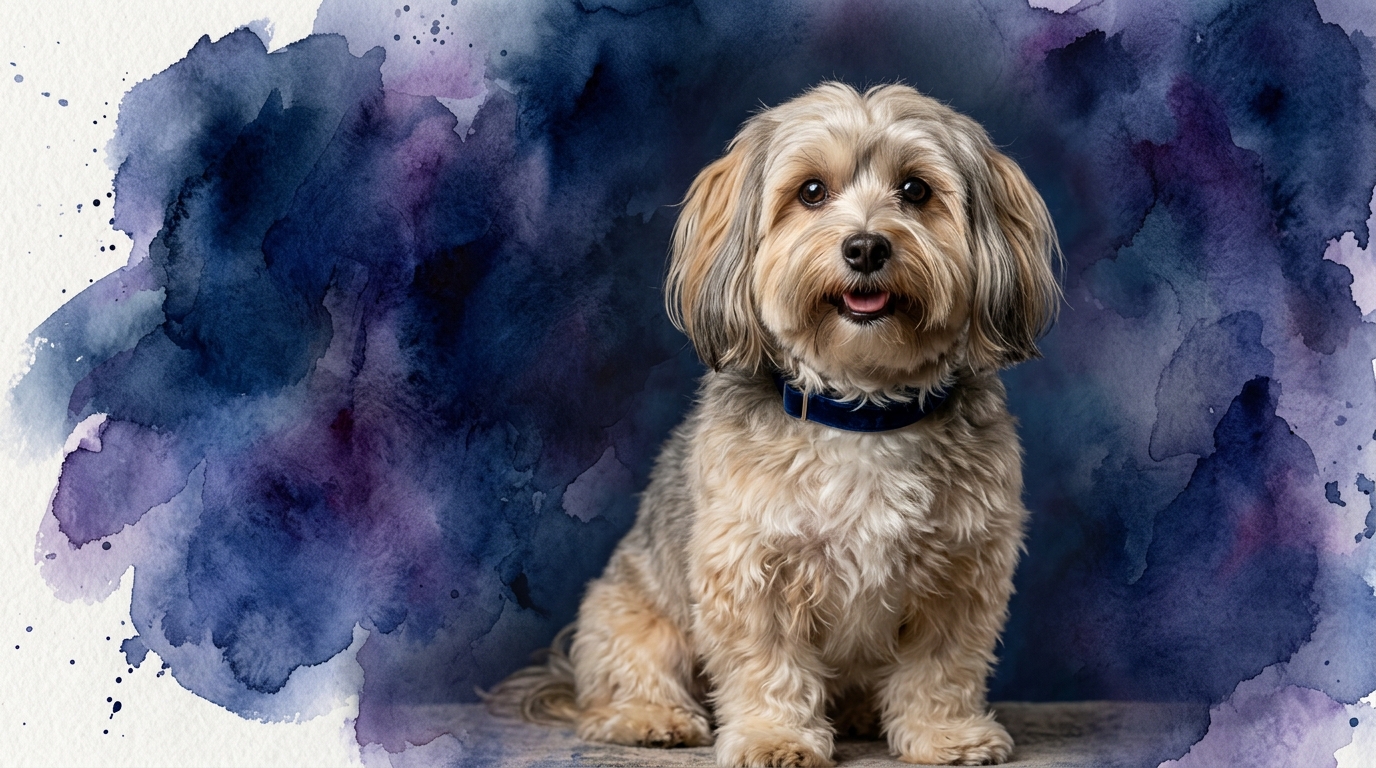
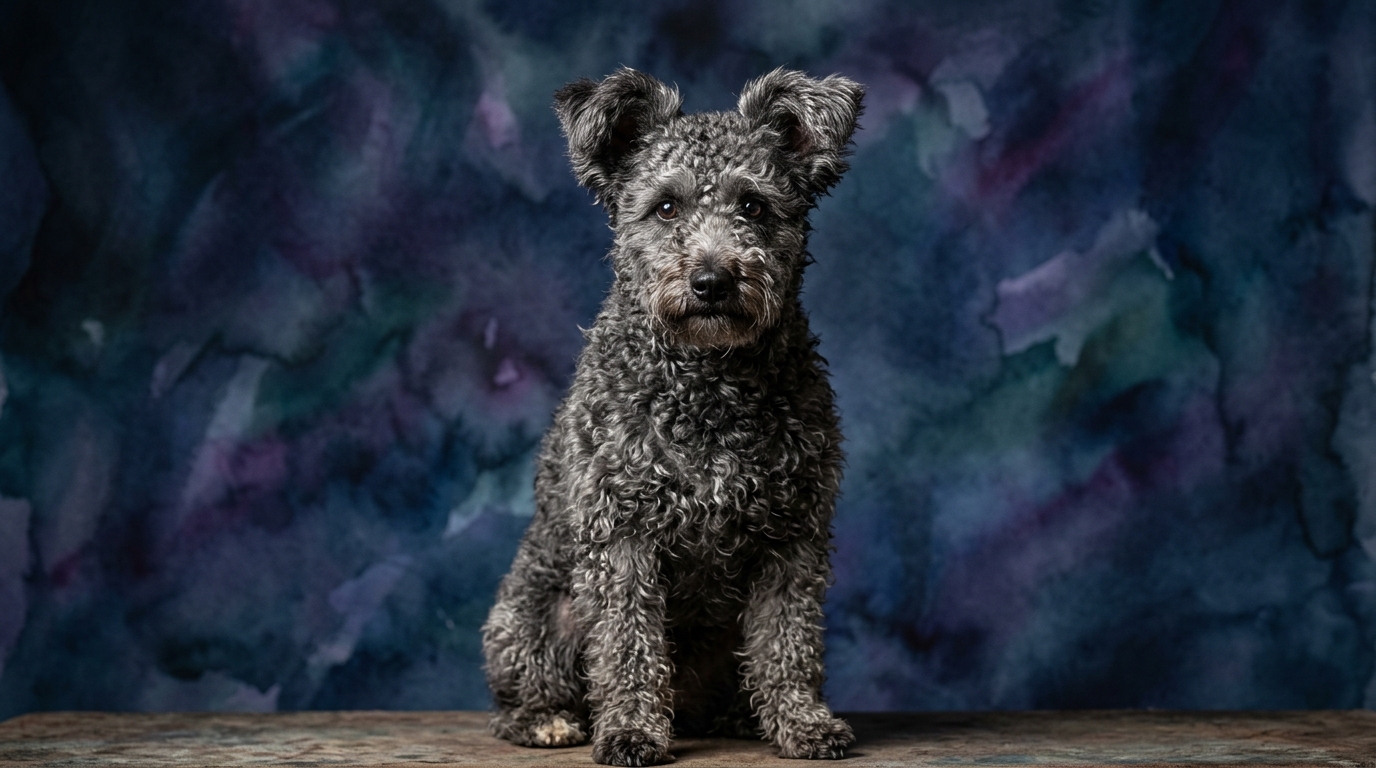
Side-by-Side IQ Profile: Havanese vs. Pumi
At The Cosmic Pet Pet IQ Lab, we evaluate canine cognition across five key dimensions. Understanding these profiles offers insight beyond general perceptions, highlighting specific strengths and tendencies for each breed.
The Havanese, hailing from the Toy group, presents a unique cognitive blueprint. Their Problem Solving is rated 3/5, indicating an ability to navigate moderately complex everyday challenges, often through observation and manipulation within their immediate environment. Training Speed for the Havanese also stands at 3/5; they respond well to consistent, positive reinforcement, learning new cues and routines at a steady, engaged pace. Their Social Intelligence is their standout trait at a remarkable 5/5, reflecting an exceptional capacity to read human emotions, understand subtle social cues, and form deep, reciprocal bonds. Instinctive Drive for the Havanese is lower at 2/5, meaning they possess minimal intrinsic motivation for traditional working tasks like herding or guarding, prioritizing companionship above all else. Finally, their Memory is solid at 3/5, allowing them to recall learned commands, routines, and the locations of favored items or people effectively.
In contrast, the Pumi, a vibrant member of the Herding group, exhibits a cognitive profile shaped by its working heritage. Their Problem Solving score is 3/5, similar to the Havanese, demonstrating capability in tackling moderate problems, often with a practical, task-oriented approach. Training Speed for the Pumi is also 3/5; they learn at a good pace, especially when training sessions are engaging and tap into their innate desire for purpose and activity. The Pumi's Social Intelligence is rated 3/5, indicating competence in understanding human cues and forming bonds, yet balanced with a degree of independence. Their Instinctive Drive is moderate at 3/5, manifesting as a keen awareness of their surroundings, a desire for activity, and a need for a 'job' or purposeful engagement. Their Memory, like the Havanese, is 3/5, providing good recall for learned tasks, boundaries, and previous interactions, supporting their ability to perform complex sequences.
Where Havanese Wins Cognitively
The most pronounced cognitive advantage for the Havanese lies in their exceptional Social Intelligence, scoring a perfect 5/5 compared to the Pumi’s 3/5. This isn't merely about being friendly; it signifies a profound ability to interpret subtle human emotional states and intentions. A Havanese will often adapt their behavior to match their owner’s mood, offering comfort during distress or mirroring excitement during joyful moments. They thrive on reciprocal interaction, making eye contact, and engaging in behaviors designed to maintain social harmony and connection. This heightened social awareness contributes to their reputation as empathetic companions, often intuitively understanding their human’s needs even before they are explicitly expressed. Their cognitive energy is heavily invested in navigating and enriching the human-canine bond, making them uniquely attuned emotional partners.
Where Pumi Wins Cognitively
While both breeds share several 3/5 scores, the Pumi's distinct edge emerges in its Instinctive Drive, rated 3/5 against the Havanese’s 2/5. This seemingly small difference is significant, reflecting the Pumi’s inherent motivation for purposeful activity and engagement beyond pure companionship. Derived from their herding lineage, this drive manifests as a natural inclination to be aware, to investigate, and to participate actively in their environment. Pumis often possess an underlying 'work ethic,' a desire to be given a task or a role. This drive means they are often more focused and persistent when engaged in activities that tap into their natural instincts, such as agility, obedience trials, or even complex puzzle toys. They possess an internal engine that prompts them to seek out stimulation and can maintain focus on a task for longer periods, provided it aligns with their intrinsic motivations.
Which is Easier to Train and Why
Both Havanese and Pumi share a Training Speed score of 3/5, suggesting they learn new commands at a similar pace. However, the *ease* of training can differ significantly due to their other cognitive dimensions and inherent behavioral tendencies. The Havanese, with their superior Social Intelligence (5/5), often appears 'easier' to train for basic obedience in a home setting. Their profound desire to please and maintain a positive connection with their human companions serves as a powerful motivator. They are highly responsive to praise and attention, making them eager participants in training sessions that are framed as interactive games. Their lower instinctive drive means they are generally less prone to independent pursuits that might distract from training, making them more pliable for owners seeking a compliant, socially motivated learner. They thrive on positive reinforcement and gentle guidance, viewing training as an extension of their social bond.
Conversely, the Pumi's moderate Instinctive Drive (3/5) means they bring a different dynamic to training. They are often highly motivated by tasks and purpose, making them excellent candidates for advanced obedience, dog sports, or complex trick training when their drive is properly channeled. However, if training isn't engaging enough or doesn't tap into their innate desire for activity, their independence and vigilance can sometimes be perceived as a challenge. Their herding instincts might lead to nipping at heels or trying to 'herd' family members if not redirected appropriately. While they learn quickly, a Pumi often requires a trainer who understands how to harness their working dog mentality, providing clear expectations and consistent, rewarding outlets for their energy. They might be less inclined to perform simply for social approval, needing more task-oriented motivation and mental stimulation to stay focused.
Which Suits Active Owners vs. Relaxed Owners
When considering lifestyle compatibility, the Havanese and Pumi present distinct preferences. The Havanese, with their high Social Intelligence and lower Instinctive Drive, is ideally suited for owners who prioritize close companionship and a generally relaxed home environment. They thrive on being an integral part of family life, content with moderate daily exercise such as walks or indoor play, as long as they receive ample social interaction and attention. Their adaptability makes them suitable for various living situations, from apartments to larger homes, provided their emotional needs for connection are met. They are excellent companions for individuals or families seeking a devoted, empathetic presence rather than a demanding athletic partner.
The Pumi, on the other hand, with its moderate Instinctive Drive and energetic disposition, is a better match for active owners who can provide consistent mental and physical stimulation. These dogs flourish when given a 'job' or an outlet for their natural working instincts. Owners who enjoy dog sports like agility, flyball, or advanced obedience, or who lead an active outdoor lifestyle involving hiking or long, engaging walks, will find the Pumi an enthusiastic partner. Without adequate exercise and mental engagement, a Pumi can become restless, bored, and potentially destructive, channeling their drive into less desirable behaviors. They are not content to be purely decorative companions; they need purpose and engagement to truly thrive.
The Verdict
If your priority is an exceptionally socially attuned companion who thrives on close interaction and adapts well to a generally relaxed home life, the Havanese is likely your match. They excel at reading human emotions and providing gentle, unwavering companionship, making them ideal emotional anchors.
If you are an active individual or family seeking a spirited, task-oriented canine partner for dog sports, outdoor adventures, or a 'working' companion, the Pumi's moderate drive and focused energy make them an excellent choice. They flourish with consistent engagement and a sense of purpose, requiring an owner who can match their zest for activity.
🧠 Find Your Pet's IQ Score
Our Pet IQ Lab assessment covers 25+ tests across 5 cognitive dimensions — personalized to your breed.
Take the Full IQ Test →Frequently Asked Questions
Do Havanese make good therapy dogs?
Yes, their exceptional social intelligence (5/5) and innate desire for connection make Havanese well-suited for roles requiring empathy and gentle interaction, like therapy work. They naturally attune to human emotions and offer comforting presence, making them effective emotional support animals.
Can a Pumi live in an apartment?
A Pumi can adapt to apartment living if their owners commit to providing ample daily exercise and mental stimulation outside the home. Their moderate instinctive drive means they need regular outlets for their energy and a sense of purpose to prevent restlessness and boredom in smaller spaces.
Are Havanese difficult to house train?
Havanese are not inherently difficult to house train, scoring 3/5 in training speed, but their small bladder size and preference for companionship mean consistent routines and frequent outdoor access are crucial. Their desire to please can be a strong motivator when training is positive and consistent, helping them quickly grasp the concept.