
Side-by-Side Cognitive Profiles: Havanese vs. Rat Terrier
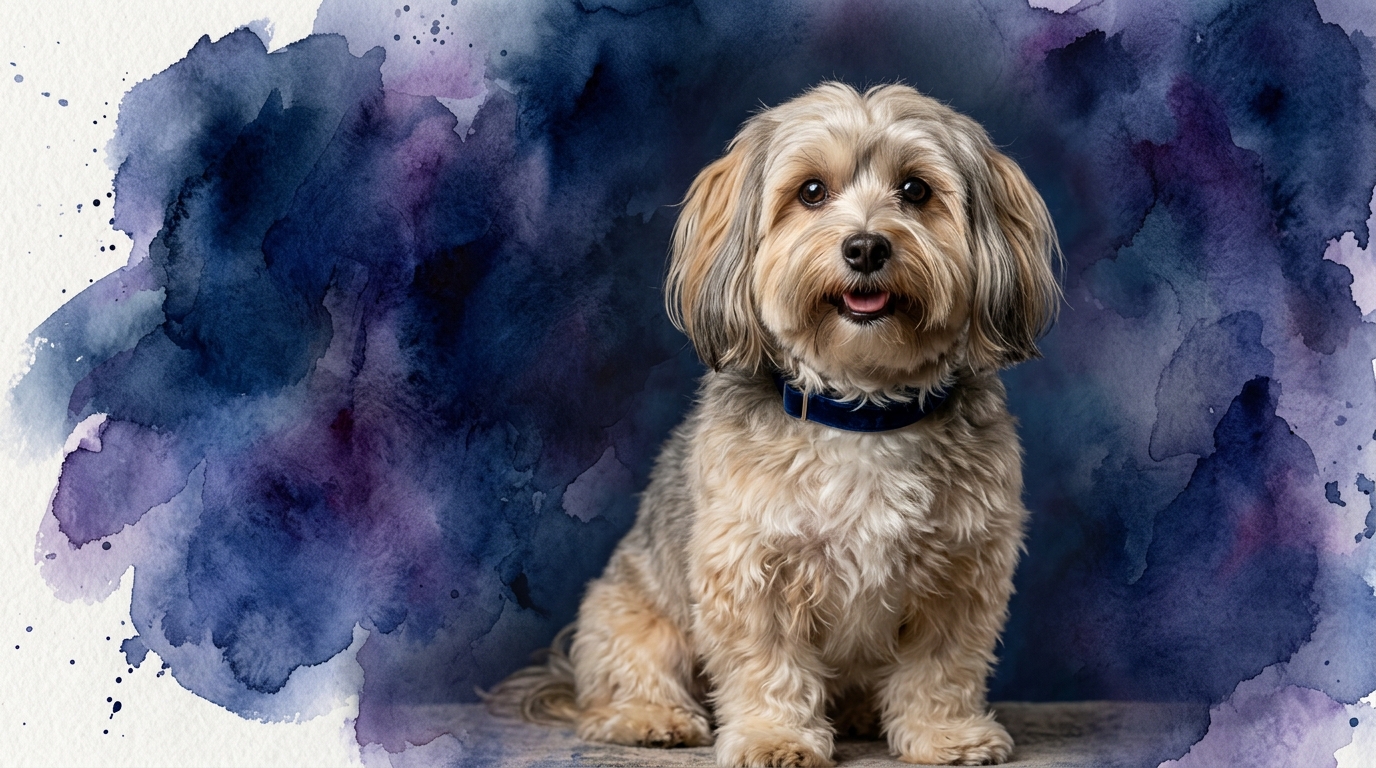
The Havanese, a charming companion from the Toy group, exhibits a balanced cognitive profile with a standout social aptitude. Their Problem Solving is rated 3/5, indicating a moderate capacity to navigate new puzzles or situations independently, capable of figuring out solutions with some persistence. Training Speed is also 3/5, meaning they learn new commands and routines at a steady, average pace, responding well to consistent instruction. Where they truly shine is Social Intelligence, scoring an impressive 5/5, reflecting an exceptional ability to read human emotions, understand subtle cues, and deeply connect with their people. Instinctive Drive is lower at 2/5, suggesting a reduced innate pull towards hunting, herding, or guarding tasks, preferring instead to focus on companionship. Finally, their Memory is 3/5, indicating a moderate ability to retain learned behaviors and recall past experiences.
In contrast, the Rat Terrier, a spirited member of the Terrier group, presents a profile shaped by its working heritage. Their Problem Solving matches the Havanese at 3/5, showing a moderate ability to tackle mental challenges and adapt to new scenarios. Similarly, their Training Speed is 3/5, meaning they acquire new skills at a consistent, average rate, benefiting from clear and engaging instruction. Social Intelligence for the Rat Terrier is 3/5, indicating a solid but less intense focus on human emotional cues compared to the Havanese; they form strong bonds but maintain a degree of independence. Their Instinctive Drive is 3/5, higher than the Havanese, reflecting a moderate innate inclination towards behaviors like chasing, digging, and scent tracking, stemming from their pest control origins. Memory is also 3/5, providing them with a moderate capacity to remember commands and past events.
Where the Havanese Cognitively Excels
The Havanese undeniably takes the lead in Social Intelligence, boasting a perfect 5/5 compared to the Rat Terrier's 3/5. This isn't merely about friendliness; it's a deep cognitive aptitude for interpreting human behavior, emotions, and subtle communicative signals. A Havanese processes the nuances of your tone, body language, and even your mood, often anticipating your desires or offering comfort instinctively. Their high social IQ means they are exceptionally attuned to household dynamics, quickly learning routines and adapting their behavior to maintain harmony and closeness. This profound understanding makes them incredibly responsive to human interaction, thriving in environments where they can be an integral, emotionally engaged part of the family. They leverage this social acumen to build incredibly strong, intuitive bonds, making them feel like they truly 'get' their human companions.
Where the Rat Terrier Cognitively Shines
The Rat Terrier edges out the Havanese in Instinctive Drive, scoring 3/5 against the Havanese's 2/5. This subtle difference highlights a foundational cognitive inclination towards active engagement with their environment, rooted in their breed's historical purpose. While the Havanese's drives are geared towards social connection, the Rat Terrier possesses a more pronounced innate curiosity and motivation for tasks involving scent work, exploration, and the pursuit of small, moving objects. This means their problem-solving might naturally lean towards figuring out how to access an interesting scent or navigate a physical challenge with a purpose. Their cognitive energy often manifests as a desire to investigate, dig, or chase, which, when channeled appropriately, can make them highly engaged in activities like agility or scent detection games. This drive provides an internal engine for self-directed engagement that is less prominent in the Havanese.
Training Dynamics: Which Breed is Easier to Guide?
While both breeds share identical 3/5 ratings for Training Speed and Problem Solving, the Havanese often presents as 'easier' to train due to their superior Social Intelligence (5/5). A Havanese is inherently motivated by human approval and a desire for connection, making them highly receptive to positive reinforcement and eager to please their handler. Their exceptional ability to read cues means they often understand what is being asked of them more quickly, even subtle shifts in body language or tone. This deep social awareness fosters a strong partnership in training, where the dog actively seeks to comply and bond through the learning process, often showing a greater intrinsic motivation to perform for their human.
In contrast, the Rat Terrier, with a 3/5 Social Intelligence and a 3/5 Instinctive Drive, can be trainable but may require a more strategic approach. Their moderate instinctive drives mean they might be more easily distracted by environmental stimuli—a fascinating scent, a rustling leaf, or a distant movement—pulling their focus away from the training session. While intelligent, their independence and terrier tenacity might lead them to test boundaries or prioritize their own interests if the training isn't consistently engaging and rewarding. Trainers might need to work harder to capture and maintain a Rat Terrier's attention, leveraging their drives into games and varied exercises to keep them invested, rather than relying solely on the desire to please.
Matching Cognitive Profiles to Owner Lifestyles
For owners seeking a deeply engaged, active partner, the Rat Terrier is often the more suitable choice. Their moderate instinctive drive (3/5), combined with their problem-solving aptitude, means they thrive on structured activities that tap into their innate curiosity and energy. They excel in dog sports such as agility, flyball, or scent work, where their focus and determination can be channeled productively. These dogs often enjoy long hikes, exploring new environments, and engaging in vigorous play sessions that challenge both their bodies and minds. Their independence, while sometimes a training hurdle, also means they can be self-entertaining to a degree, enjoying solo exploration in a safe, stimulating yard, making them ideal for individuals who want a canine companion for adventures.
Conversely, the Havanese is an exceptional match for relaxed owners who prioritize companionship and emotional connection over intense physical activity. Their outstanding social intelligence (5/5) means they thrive on being a central part of family life, enjoying quiet evenings on the couch just as much as a gentle walk in the park. While they do require daily exercise and mental stimulation, their lower instinctive drive (2/5) means they are generally content with moderate activity levels and are less prone to developing destructive behaviors out of boredom if their social needs are met. Their cognitive strengths are best utilized in a home environment rich in human interaction, where they can observe, learn, and respond to the subtle dynamics of their family, making them superb lap dogs and attentive emotional support companions.
The Verdict
Choose a Havanese if you prioritize an emotionally intuitive, deeply bonded partner who thrives on social interaction and a more relaxed home environment, leveraging their exceptional social intelligence.
Opt for a Rat Terrier if you seek an engaged, moderately active partner who enjoys structured activities and has a keen interest in exploring their environment, even if it means a bit more independent thought during training and a desire to utilize their instinctive drives.
🧠 Find Your Pet's IQ Score
Our Pet IQ Lab assessment covers 25+ tests across 5 cognitive dimensions — personalized to your breed.
Take the Full IQ Test →Frequently Asked Questions
Do Havanese and Rat Terriers have similar problem-solving abilities?
Yes, both breeds are rated 3/5 for Problem Solving, indicating they have a moderate capacity to figure out new situations and puzzles. This means they are capable of learning and adapting, though neither is exceptionally quick or slow in this regard, relying on consistent guidance.
Is one breed significantly faster at learning new commands than the other?
According to our IQ lab, both Havanese and Rat Terriers are rated 3/5 for Training Speed. This suggests they learn new commands at a similar, average pace, requiring consistent and clear instruction to master new skills effectively.
Which breed is more attuned to human emotions and social cues?
The Havanese significantly excels in Social Intelligence with a 5/5 rating, compared to the Rat Terrier's 3/5. This means Havanese are exceptionally adept at reading and responding to human emotions and subtle cues, making them highly intuitive companions.