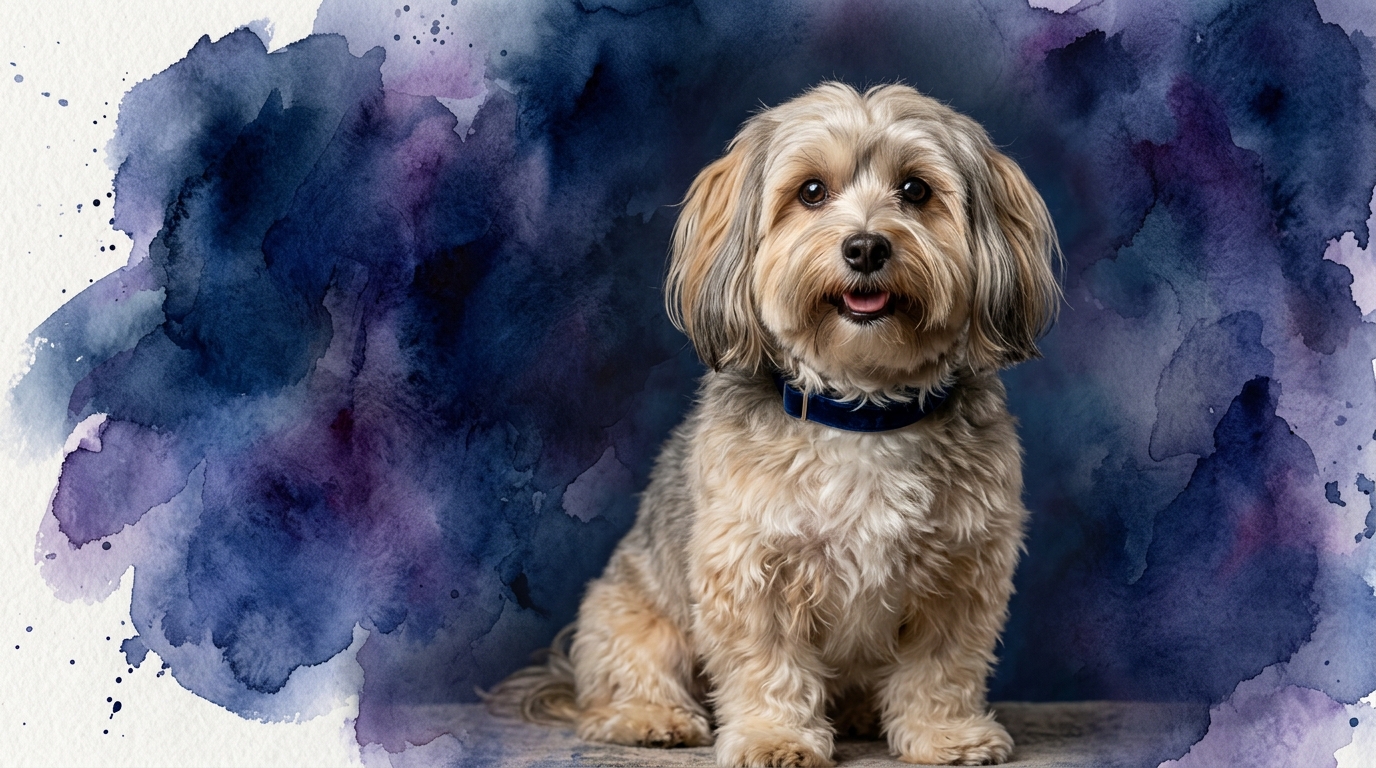
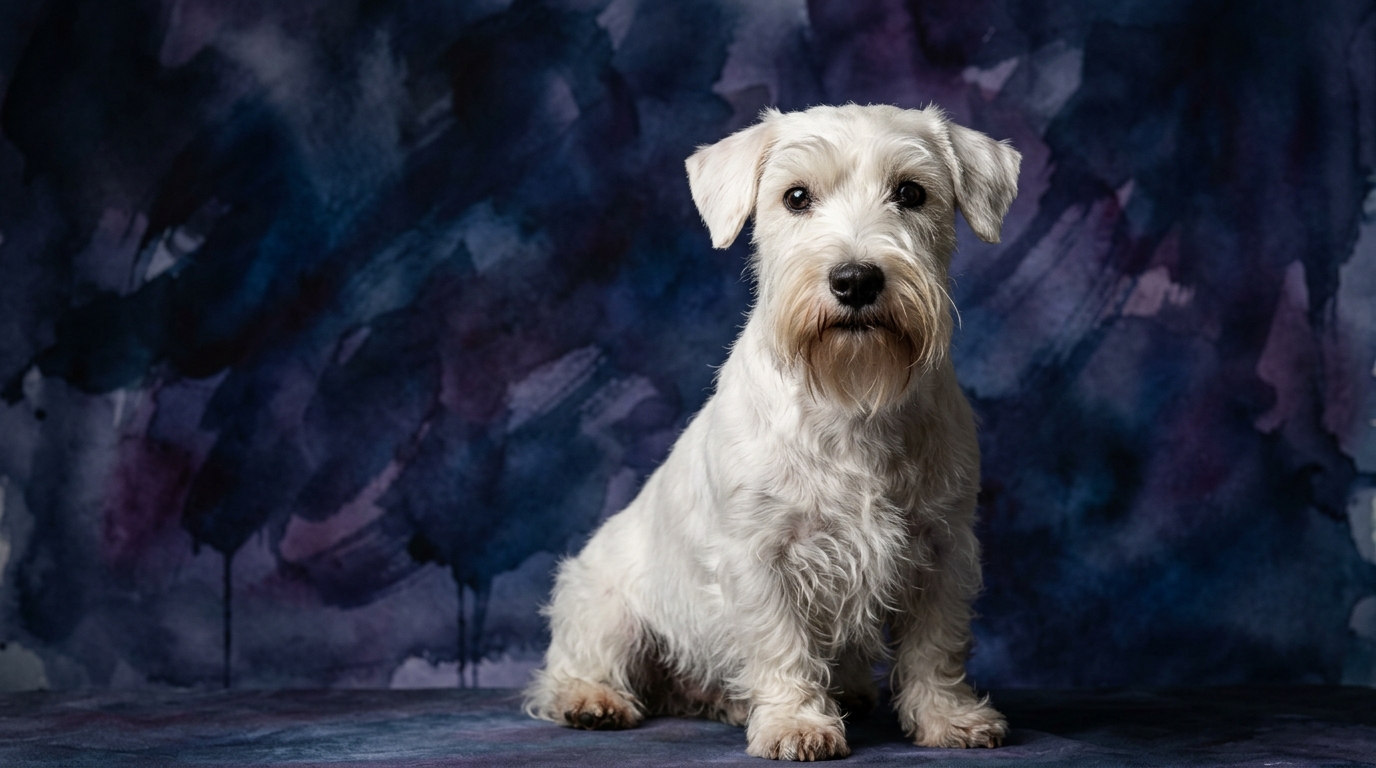
Side-by-Side Cognitive Profiles
The Cosmic Pet Pet IQ Lab provides a structured look into canine cognition, assessing five key dimensions. For the Havanese, a Toy group dog, we observe a problem-solving capacity of 3/5, indicating an ability to navigate moderately complex challenges through observation and trial-and-error. Their training speed also stands at 3/5, meaning they grasp new commands at an average pace, often aided by their social nature. A standout trait for the Havanese is their social intelligence, scoring a remarkable 5/5, reflecting an exceptional attunement to human emotions and social cues. Their instinctive drive is relatively low at 2/5, meaning less inclination for tasks like hunting or tracking, and their memory is an average 3/5, reliably retaining learned experiences and routines.
The Sealyham Terrier, a member of the Terrier group, shares some cognitive scores but diverges significantly in others. Their problem-solving ability is also 3/5, demonstrating a similar capacity for working through puzzles and overcoming obstacles with persistence. Training speed for the Sealyham Terrier matches the Havanese at 3/5, indicating an average learning pace, though their terrier tenacity can sometimes require more focused motivation. Their social intelligence is rated at 3/5, showing they connect with companions but are less overtly focused on subtle emotional nuances. Distinctly, the Sealyham's instinctive drive is 3/5, a more pronounced inclination towards investigation, digging, and pursuit, reflecting their working heritage. Like the Havanese, their memory is an average 3/5, reliably recalling commands and familiar elements.
Where the Havanese Excels Cognitively
The Havanese’s clear cognitive advantage lies in their profound social intelligence, scoring a perfect 5/5 compared to the Sealyham Terrier's 3/5. This dimension isn't about solving abstract puzzles but about navigating the intricate world of human-animal interaction with exceptional grace. A Havanese will often anticipate an owner's mood or desires before a verbal cue is given, picking up on micro-expressions, shifts in posture, or subtle vocal inflections. This makes them profoundly empathetic companions, often described as having an uncanny ability to "read the room." They excel at adapting their behavior to suit the social context, whether it's comforting a distressed family member or engaging in playful antics to lighten the mood. This strong social attunement translates into a dog that not only understands commands but truly seeks to connect and cooperate on an emotional level. Their contentment is deeply intertwined with their human family's well-being, driving them to form exceptionally strong, reciprocal bonds. This cognitive strength makes them superb therapy dogs or companions for individuals who appreciate a dog deeply responsive to their emotional landscape. They thrive in environments rich with consistent human interaction and subtle communication, often seeming to almost "converse" with their eyes and body language.
Where the Sealyham Terrier Excels Cognitively
The Sealyham Terrier's cognitive strengths lean into their historical purpose, particularly evident in their instinctive drive, rated at 3/5 compared to the Havanese's 2/5. This higher drive signifies a greater inherent inclination towards tasks rooted in their ancestral roles, such as exploration, scent work, and the pursuit of small game. While the Havanese is content with social interaction, the Sealyham often finds satisfaction in engaging with its environment in a more physical, investigative manner. This doesn't mean they are less affectionate, but their mental stimulation often requires an outlet for these innate urges. Owners might observe a Sealyham displaying a focused intensity when tracking a scent in the yard, or a persistent determination when attempting to "solve" the mystery of a rustling bush. This instinctive drive fuels their curiosity and resilience, making them tenacious learners when a task appeals to their natural inclinations. They possess a robust mental fortitude for sustained, goal-oriented activity, be it digging, exploring new territories, or engaging in structured scent games. This cognitive trait makes them excellent candidates for activities like earthdog trials or even just extended, stimulating walks where they can engage their senses and fulfill their inherent desire to "work" in a terrier fashion.
Training Dynamics: Havanese vs. Sealyham Terrier
When evaluating ease of training, both Havanese and Sealyham Terriers score 3/5 for training speed, suggesting an average pace for grasping new commands. However, the *approach* to training and the *motivation* for learning differ significantly due to their other cognitive profiles. The Havanese, with its exceptional social intelligence (5/5), often proves easier to motivate through praise, affection, and the sheer desire to please its human companion. They are highly attuned to their owner's reactions, making them responsive to positive reinforcement and eager to cooperate in social learning contexts. Their low instinctive drive (2/5) means fewer distractions from deeply ingrained urges, allowing them to focus more readily on human-directed tasks. In contrast, the Sealyham Terrier, despite the same training speed rating, presents a different dynamic. Their moderate social intelligence (3/5) means they might not be as overtly driven by social approval alone.
Their higher instinctive drive (3/5), characteristic of terriers, means they can be more independent thinkers, sometimes appearing stubborn if a task doesn't align with their intrinsic interests or if they perceive a more compelling environmental distraction, like a tempting scent. Training a Sealyham often requires more creative motivation, making the task itself rewarding, perhaps incorporating elements of chase or problem-solving that appeal to their inherent drive. They respond well to consistency and clarity, but an owner must be prepared to be more engaging and perhaps more patient in finding what truly motivates their terrier spirit. While both breeds learn, the Havanese tends to offer a more fluid, socially cooperative training experience, whereas the Sealyham requires a trainer who understands terrier tenacity and can channel their drive effectively.
Matching Breeds to Lifestyles: Active vs. Relaxed Owners
The Havanese and Sealyham Terrier present distinct fits for varying owner lifestyles, largely influenced by their cognitive and inherent drive profiles. For the more relaxed owner seeking a devoted, emotionally responsive companion, the Havanese is often an ideal match. Their low instinctive drive (2/5) means they don't possess a relentless urge for physically demanding "work" or constant outdoor exploration. Instead, their profound social intelligence (5/5) means they thrive on close human companionship, enjoying indoor play, short walks, and simply being part of family activities. Their cognitive needs are primarily met through social interaction, gentle mental games, and consistent affection, making them content with a more sedentary, yet socially rich, home life. They are less prone to creating their own "entertainment" through destructive behaviors if their social needs are met.
Conversely, the Sealyham Terrier, with its moderate instinctive drive (3/5) and slightly more independent social intelligence (3/5), is better suited for owners who enjoy a more active, engaging lifestyle, even if not intensely athletic. While not requiring marathon runs, a Sealyham benefits immensely from regular opportunities to explore, dig (in designated areas), and engage in scent-driven games. Their cognitive satisfaction comes from both companionship and the outlet for their inherent terrier instincts. Owners who appreciate a dog with a bit more "fire" and a need for structured engagement to channel their drive will find the Sealyham rewarding. They require consistent, stimulating walks and mentally challenging activities that allow them to exercise their natural curiosity and determination. Their independent streak means they can be content with slightly less constant social oversight, provided their need for environmental engagement is met.
The Verdict
Choose the Havanese if you prioritize a deeply empathetic, socially attuned companion who thrives on close interaction and less on instinctual tasks. They are ideal for owners seeking a responsive presence that is content with a more relaxed, yet socially engaging, daily routine.
Opt for the Sealyham Terrier if you appreciate a dog with a robust, independent spirit and a moderate instinctive drive that enjoys engaging with its environment through exploration and purposeful activity. They suit owners who can provide consistent mental stimulation and an outlet for their natural terrier tenacity.
🧠 Find Your Pet's IQ Score
Our Pet IQ Lab assessment covers 25+ tests across 5 cognitive dimensions — personalized to your breed.
Take the Full IQ Test →Frequently Asked Questions
Do Havanese and Sealyham Terriers learn tricks at the same rate?
Both breeds score 3/5 for training speed, suggesting they grasp new tricks at an average pace. However, Havanese may appear to learn more readily due to their high social intelligence and eagerness to please, while Sealyhams might require more creative motivation to engage their independent spirit.
Which breed is more likely to dig or chase small animals?
The Sealyham Terrier, with its instinctive drive rated at 3/5, is more prone to behaviors like digging and chasing small critters, reflecting its terrier heritage. The Havanese, with a lower instinctive drive of 2/5, is less likely to exhibit these behaviors.
How does social intelligence impact the daily life of these breeds?
The Havanese's superior social intelligence (5/5) means they are exceptionally attuned to human emotions and cues, making them highly responsive and empathetic companions. The Sealyham Terrier's moderate social intelligence (3/5) suggests they are affectionate but less overtly focused on subtle human emotional states, maintaining a more independent demeanor.