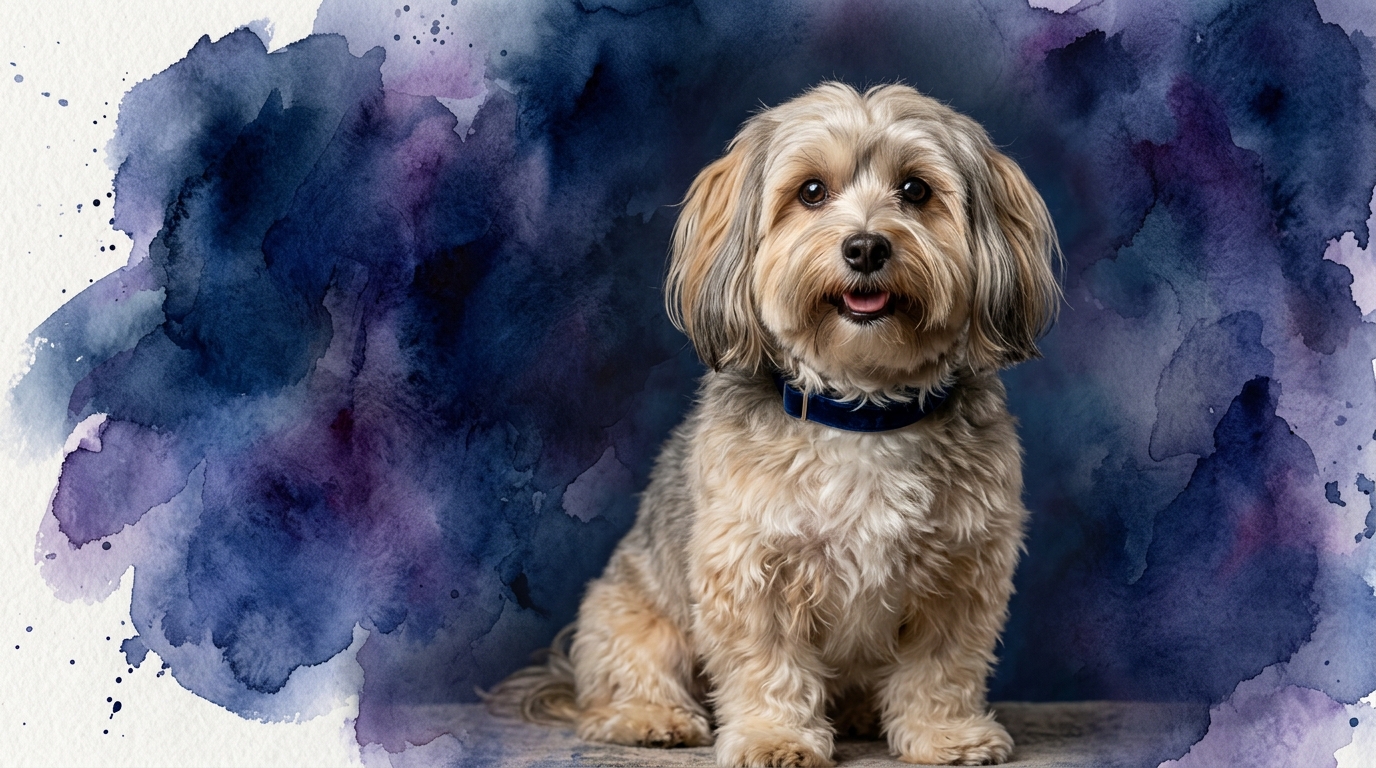
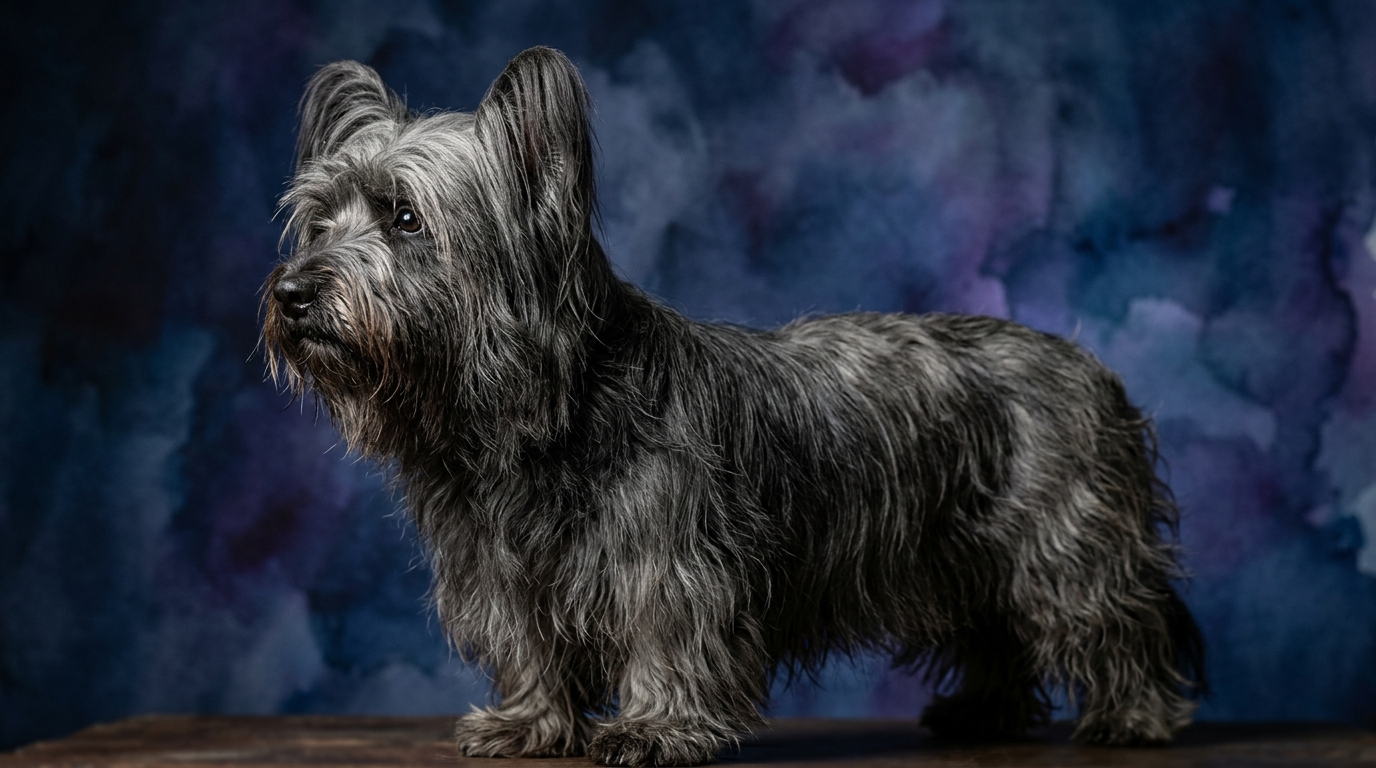
Side-by-Side IQ Profile: Havanese vs. Skye Terrier
The Cosmic Pet Pet IQ Lab offers a structured approach to comparing canine cognitive abilities across five key dimensions. For the Havanese, a charming Toy group member, Problem Solving is rated 3 out of 5, indicating an average capacity to navigate novel challenges. Their Training Speed also stands at 3 out of 5, suggesting they acquire new commands and routines at a typical pace. The Havanese truly excels in Social Intelligence, scoring an impressive 5 out of 5 due to an exceptional ability to interpret human emotions and cues, making them highly attuned companions. Their Instinctive Drive is a low 2 out of 5, reflecting minimal inclination for traditional working tasks and a strong focus on companionship. Memory is solid at 3 out of 5, allowing for reasonable retention of learned information.
The Skye Terrier, a distinguished Terrier group member, presents a distinct cognitive profile. Like the Havanese, the Skye Terrier registers 3 out of 5 for Problem Solving, demonstrating an average aptitude for new mental puzzles. Their Training Speed is also 3 out of 5, indicating a similar pace in acquiring new skills. However, their Social Intelligence is 3 out of 5, signifying a more moderate understanding of human social cues and a tendency towards independence. The Skye Terrier's Instinctive Drive is 3 out of 5, reflecting a moderate inclination towards behaviors rooted in their terrier heritage, such as digging or chasing. Their Memory score is also 3 out of 5, showing an average ability to recall past events and training.
Where the Havanese Wins Cognitively
The Havanese shows a clear cognitive advantage in social intelligence, scoring 5 out of 5 compared to the Skye Terrier's 3 out of 5. This significant difference means the Havanese possesses an extraordinary capacity to interpret human body language, vocal inflections, and emotional states with remarkable precision. A Havanese might intuitively understand an owner's mood, offering comfort or initiating play based on subtle cues. Their high social intelligence makes them exceptionally empathetic companions, often anticipating needs and reacting sensitively to household dynamics. This acute awareness contributes to their role as deeply integrated family members, highly responsive to social feedback and thriving in environments rich with human interaction. This cognitive strength allows them to navigate complex social routines and understand nuanced communication effectively.
Where the Skye Terrier Wins Cognitively
While the Havanese excels in social attunement, the Skye Terrier holds a comparative advantage in instinctive drive, scoring 3 out of 5 against the Havanese's 2 out of 5. This moderate instinctive drive, characteristic of their terrier lineage, means Skye Terriers possess a more pronounced inclination towards independent exploration and engagement with their environment. This often manifests as a natural curiosity for scents, sounds, and potential "prey," motivating them to persistently investigate an interesting burrow or strategize how to reach a hidden toy. This cognitive trait suggests greater self-reliance and a more robust internal motivation for certain tasks, contrasting with the Havanese's primary motivation for social interaction. Their terrier instincts can make them tenacious in pursuing a goal, whether it's exploring the garden or figuring out how to access a desired object. This moderate drive, coupled with their average problem-solving, allows them to engage with the world in a more self-directed and persistent manner when their instincts are piqued.
Which is Easier to Train and Why
Comparing training ease between these breeds requires looking beyond their identical 3/5 Training Speed scores to their differing social intelligence and instinctive drives. The Havanese's exceptional 5/5 Social Intelligence gives them a distinct advantage in responsiveness and eagerness to please their human companions. Highly attuned to owner reactions, a Havanese is more likely to adjust behavior based on subtle cues and positive reinforcement, thriving on human approval. Their lower instinctive drive (2/5) also means fewer distractions from environmental stimuli, allowing them to maintain focus during training sessions.
In contrast, the Skye Terrier, with its 3/5 Social Intelligence and 3/5 Instinctive Drive, presents a different training dynamic. While capable of learning, their more independent nature and moderate drive mean they might be less inherently motivated by human approval alone. Their terrier instincts can lead them to pursue their own interests, such as investigating smells or digging, potentially making them appear more stubborn or less attentive. Owners will need consistent, engaging methods, perhaps incorporating games that tap into their innate drive, to keep a Skye Terrier focused. They require patience and a clear approach, as their self-reliant spirit means they're less likely to simply comply without sufficient personal motivation. Therefore, the Havanese is generally perceived as easier to train due to their profound desire to connect and please.
Suitability for Active vs. Relaxed Owners
Considering which breed aligns better with active versus relaxed lifestyles, their cognitive profiles, particularly instinctive drive and social intelligence, are key. The Havanese, with its lower Instinctive Drive (2/5) and supreme Social Intelligence (5/5), generally suits more relaxed owners or those prioritizing companionship over intense physical activity. While they enjoy play and short walks, their primary cognitive need is deep integration into the family's social life, participating in daily routines and receiving ample affection. They are content with indoor games and being a constant, comforting presence. Their low drive means fewer disruptive behaviors from unmet instinctual needs, making them excellent choices for apartment living or owners preferring a calmer, emotionally responsive companion.
The Skye Terrier, with its moderate Instinctive Drive (3/5) and average Social Intelligence (3/5), might appeal more to owners appreciating a dog with independent spirit and a desire for exploration. While not needing extreme activity, a Skye Terrier benefits from regular opportunities to engage their senses, whether through exploring a secure yard, scent work, or purposeful walks. Their terrier drive means they appreciate "jobs" or activities allowing them to express natural inclinations, like controlled digging or interactive games. They adapt to home life but thrive when their moderate drive is acknowledged and channeled through consistent, stimulating engagement. They are well-suited for active-relaxed owners who enjoy purposeful outdoor time and structured outlets for their instincts.
The Verdict
If you desire a deeply empathetic, socially attuned companion who thrives on close interaction and aims to please, the Havanese will be an ideal match. Their strong social intelligence makes them highly responsive to human cues and emotional states.
For those who appreciate a more independent spirit, a moderate innate drive for exploration, and a dog that engages with the world on its own terms, the Skye Terrier offers a unique and rewarding partnership.
🧠 Find Your Pet's IQ Score
Our Pet IQ Lab assessment covers 25+ tests across 5 cognitive dimensions — personalized to your breed.
Take the Full IQ Test →Frequently Asked Questions
Does a Havanese's high social intelligence make them prone to separation anxiety?
A Havanese's exceptional social intelligence means they form very strong bonds with their human family and thrive on companionship. While this makes them wonderful companions, it also means they can be more susceptible to separation distress if not properly accustomed to alone time from a young age, as they deeply value their human connection.
Are Skye Terriers suitable for first-time dog owners given their instinctive drive?
Skye Terriers can be suitable for first-time owners, but it requires commitment to consistent training and understanding of their terrier instincts. Their moderate drive means they need clear boundaries and engaging activities to channel their natural curiosity and independence, which a dedicated novice owner can certainly provide.
How do their similar problem-solving scores translate into daily life?
Both breeds scoring 3/5 in problem-solving means they are generally capable of figuring out everyday puzzles like opening gates or navigating new environments. They won't typically invent complex solutions but can learn and adapt effectively to routine challenges, indicating a balanced capacity for cognitive flexibility.