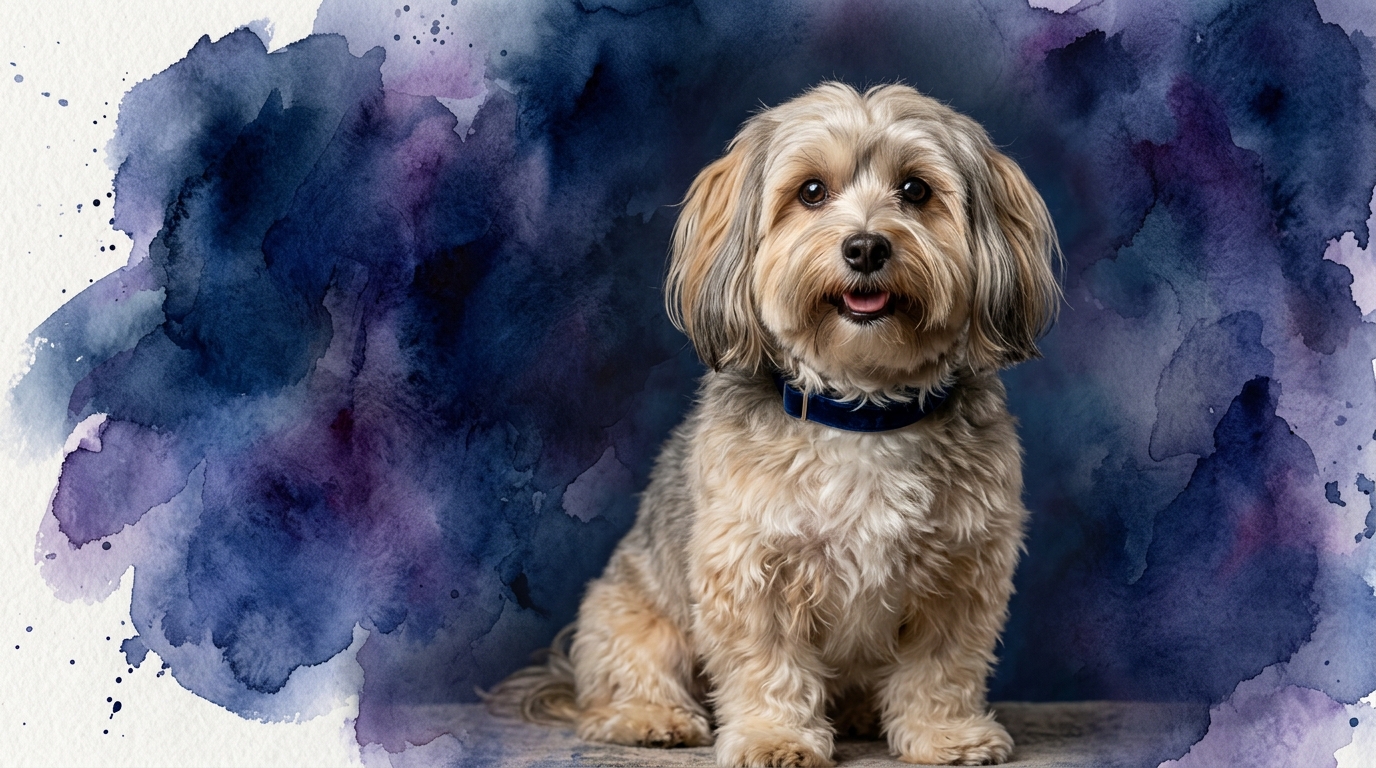
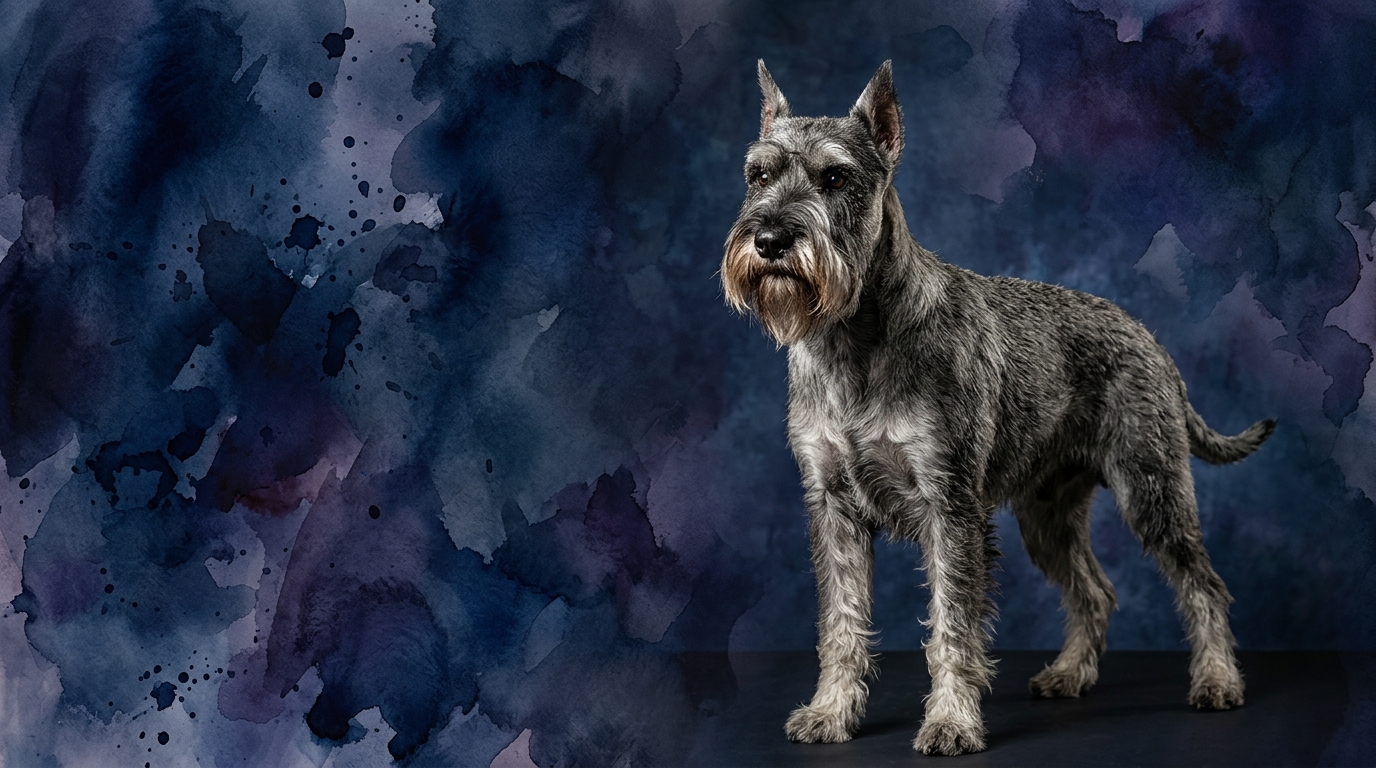
Side-by-Side Cognitive Profiles: Havanese vs. Standard Schnauzer
The Cosmic Pet Pet IQ Lab employs a five-dimensional framework to assess canine intelligence, providing a granular view beyond general classifications. Here's how the Havanese and Standard Schnauzer stack up, highlighting their unique mental strengths.
Havanese (Toy Group): This breed is not represented in Stanley Coren's 'The Intelligence of Dogs' ranking, but our lab's assessment reveals a distinct cognitive blueprint. Problem Solving (3/5): They possess a moderate aptitude for navigating novel situations or figuring out simple puzzles, but might not independently devise complex solutions. Training Speed (3/5): A moderate pace in acquiring new commands and routines means they require consistent repetition and positive reinforcement to solidify behaviors. Social Intelligence (5/5): This is their pinnacle, demonstrating exceptional understanding of human cues, emotions, and social dynamics, making them highly attuned and empathetic companions. Instinctive Drive (2/5): Exhibits a lower level of innate urges related to hunting, herding, or guarding; their primary drive is often companionship. Memory (3/5): Possesses a moderate capacity for retaining learned information and experiences, recalling familiar people and routines reliably.
Standard Schnauzer (Working Group): Ranked #22 in Stanley Coren's 'The Intelligence of Dogs,' placing it among breeds with excellent working and obedience intelligence. Problem Solving (4/5): Demonstrates a strong ability to analyze and resolve challenges, often showing initiative in finding solutions and adapting quickly. Training Speed (4/5): Exhibits a notable quickness in grasping and executing new commands and tasks, making them responsive to structured training environments. Social Intelligence (3/5): Possesses a solid understanding of social cues, yet their focus is often on primary human connections rather than a broad spectrum of social interactions; they are loyal but may not seek to please everyone. Instinctive Drive (3/5): Carries a moderate level of innate drives, particularly those related to guarding, alertness, and a working mentality, contributing to their protective nature. Memory (4/5): Shows a robust ability to recall complex sequences, commands, and past experiences, aiding consistent performance and long-term retention.
Where the Havanese Excels Cognitively
The Havanese's standout cognitive strength lies unequivocally in its social intelligence, scoring a perfect 5 out of 5. This breed possesses an extraordinary ability to interpret human emotions, body language, and vocal inflections, making them incredibly empathetic and intuitive companions. They are masters at reading a room, understanding subtle shifts in mood, and responding with appropriate comforting or playful gestures. This profound social acumen often means a Havanese can anticipate a family member's needs or desires, offering quiet support during distress or initiating cheerful interaction when spirits are low. Their strong desire to connect and their capacity for emotional attunement enable exceptionally deep and responsive bonds. This isn't merely about affection; it's a sophisticated cognitive function that allows them to navigate complex social environments within a household with remarkable grace and understanding, often adapting their behavior to maintain harmony and closeness. While other breeds might excel at task-oriented problem-solving, the Havanese excels at solving the intricate puzzles of human connection.
Where the Standard Schnauzer Excels Cognitively
The Standard Schnauzer demonstrates a more task-oriented and independent cognitive profile, particularly excelling in problem-solving, training speed, and memory. With a problem-solving score of 4/5, they show a significant capacity for analytical thought, often evaluating situations and devising effective strategies to achieve a goal. This manifests in their ability to learn complex tricks, navigate agility courses with precision, or even figure out how to open latches or gates. Their training speed, also rated 4/5, highlights their quick uptake of new commands and routines, making them highly responsive to consistent instruction. This rapid learning curve means they can master a wide repertoire of behaviors efficiently, moving beyond basic obedience to more specialized tasks. Furthermore, their strong memory (4/5) ensures that once a lesson is learned or an experience is processed, it tends to stick. This robust recall aids in their consistent performance of complex multi-step commands and contributes to their reliability in various working roles. These combined strengths allow the Standard Schnauzer to excel in environments requiring mental agility, focused attention, and the ability to retain and apply learned information effectively over time, from competitive obedience to guarding duties.
Which is Easier to Train and Why
When comparing trainability, the Standard Schnauzer generally presents as the easier breed to train for obedience and task-oriented learning, largely due to its superior training speed and problem-solving abilities. A Schnauzer's 4/5 training speed means they grasp new commands quickly, often requiring fewer repetitions than the Havanese (3/5). Their higher problem-solving score also means they are more inclined to figure out what's being asked of them and how to achieve the desired outcome, often showing a keen interest in engaging their minds. For instance, teaching a 'stay' command might see a Schnauzer quickly understanding the concept of holding position, while a Havanese, with its moderate training speed, might need more consistent practice and motivation. However, the Havanese's exceptional social intelligence (5/5) means they are highly motivated by human interaction and praise, which can be a powerful training tool. While they might learn at a slightly slower pace for complex tasks, their strong desire to please and connect with their handler can make them very willing participants in training, especially when it involves close partnership. Conversely, a Schnauzer's moderate social intelligence and higher instinctive drive mean they might occasionally be more independent or prone to distraction if a task doesn't align with their intrinsic motivations, requiring a trainer to be firm, fair, and engaging. For a novice owner, the Havanese's eagerness to bond might make basic manners feel more intuitive, but for advanced obedience or sport, the Schnauzer's cognitive strengths give it an edge.
Which Suits Active Owners vs. Relaxed Owners
Considering their differing cognitive profiles and drives, the Standard Schnauzer is generally better suited for active owners, while the Havanese aligns more with relaxed owners. The Standard Schnauzer's higher problem-solving and training speed scores, coupled with a moderate instinctive drive (3/5), mean they thrive on mental and physical engagement. An active owner who enjoys structured training, dog sports like agility or obedience, or regular purposeful activities will find the Schnauzer a willing and capable partner. Their cognitive makeup demands regular challenges to prevent boredom and channel their intelligence constructively. They appreciate a 'job' to do, even if it's just a long, stimulating walk or learning new tricks daily. In contrast, the Havanese, with its lower instinctive drive (2/5) and unparalleled social intelligence, is a superb fit for more relaxed owners. Their primary cognitive need is strong social connection and companionship. While they enjoy play and short walks, their mental fulfillment comes more from being an integral part of family life, cuddling, and interacting closely with their humans. Owners who value a constant, empathetic presence and are happy with less rigorous exercise routines will find the Havanese perfectly complements their lifestyle.
The Verdict
Choose the Havanese if you prioritize an exceptionally empathetic, socially attuned companion who thrives on deep emotional connection and moderate activity.
Opt for the Standard Schnauzer if you seek a highly trainable, problem-solving partner who excels in structured activities and requires consistent mental and physical engagement.
🧠 Find Your Pet's IQ Score
Our Pet IQ Lab assessment covers 25+ tests across 5 cognitive dimensions — personalized to your breed.
Take the Full IQ Test →Frequently Asked Questions
Do Havanese dogs get bored easily without constant mental stimulation?
While Havanese benefit from engaging play and learning, their high social intelligence means their primary fulfillment often comes from human interaction rather than complex mental puzzles. They are less prone to boredom from lack of specific 'tasks' compared to breeds with higher instinctive drives, preferring companionship.
How does the Standard Schnauzer's memory affect its daily behavior?
The Standard Schnauzer's strong memory (4/5) helps them retain training consistently and remember routines, but it also means they can recall negative experiences or inconsistent training. This makes clear, fair, and positive reinforcement crucial for shaping desirable long-term behaviors.
Is the Havanese's social intelligence beneficial for families with children?
Absolutely. The Havanese's exceptional social intelligence allows them to be highly adaptable and gentle with children, often sensing their moods and adjusting their play accordingly. Their empathy and desire for connection make them wonderful, understanding family members.