Side-by-Side Cognitive Profiles
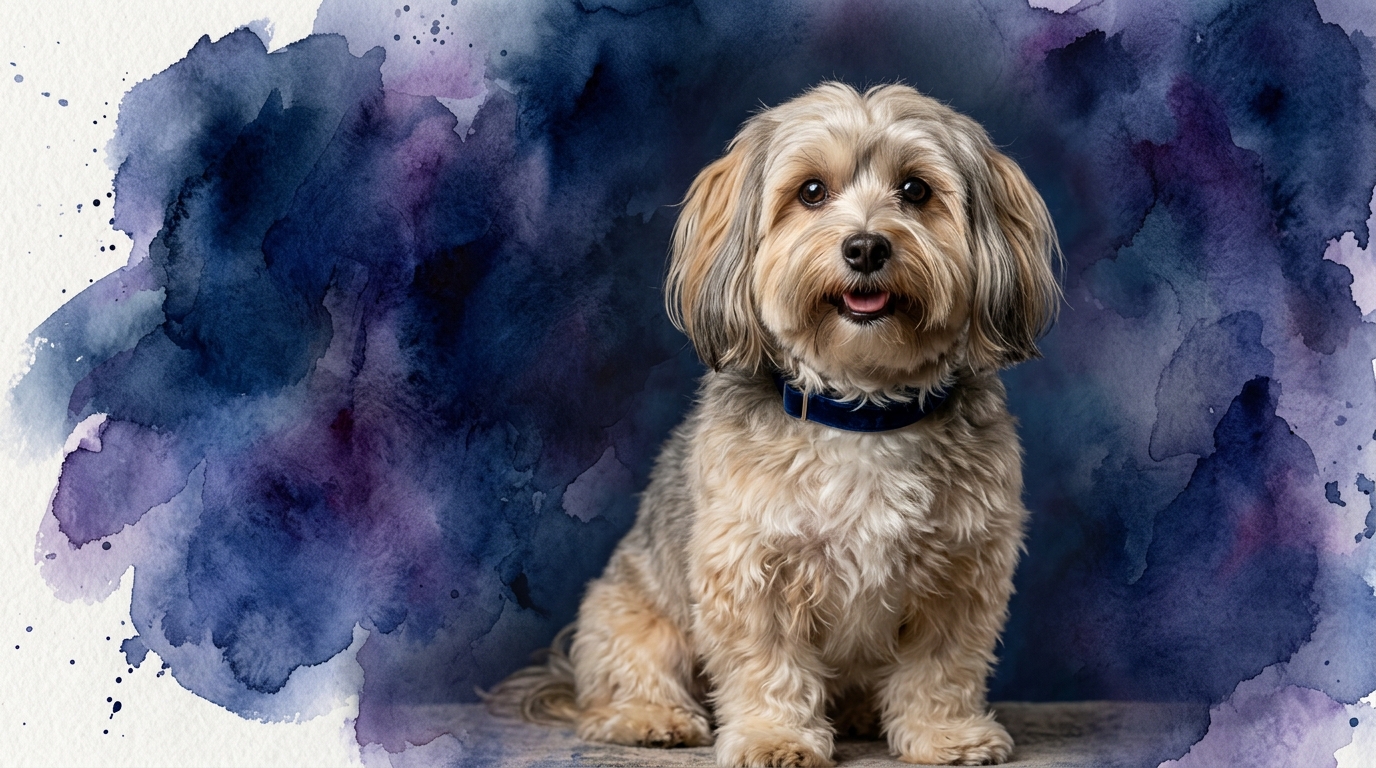
The Cosmic Pet Pet IQ Lab assesses canine intelligence across five key dimensions, providing a granular view beyond generic labels. For the Havanese, a Toy breed, their profile highlights specific aptitudes: Problem Solving (3/5) suggests they are capable of navigating moderately complex tasks, such as figuring out how to retrieve a hidden toy or opening simple latches, though they might require some guidance. Training Speed (3/5) indicates a moderate pace of learning new commands, benefiting from consistent, positive reinforcement. Social Intelligence (5/5) is their standout trait, reflecting an exceptional capacity to understand and respond to human emotions and social cues, making them highly attuned companions. Instinctive Drive (2/5) points to a lower inherent inclination for independent working behaviors like hunting or guarding, with their primary drive being companionship. Memory (3/5) allows them to retain learned behaviors and recognize familiar individuals and routines effectively.
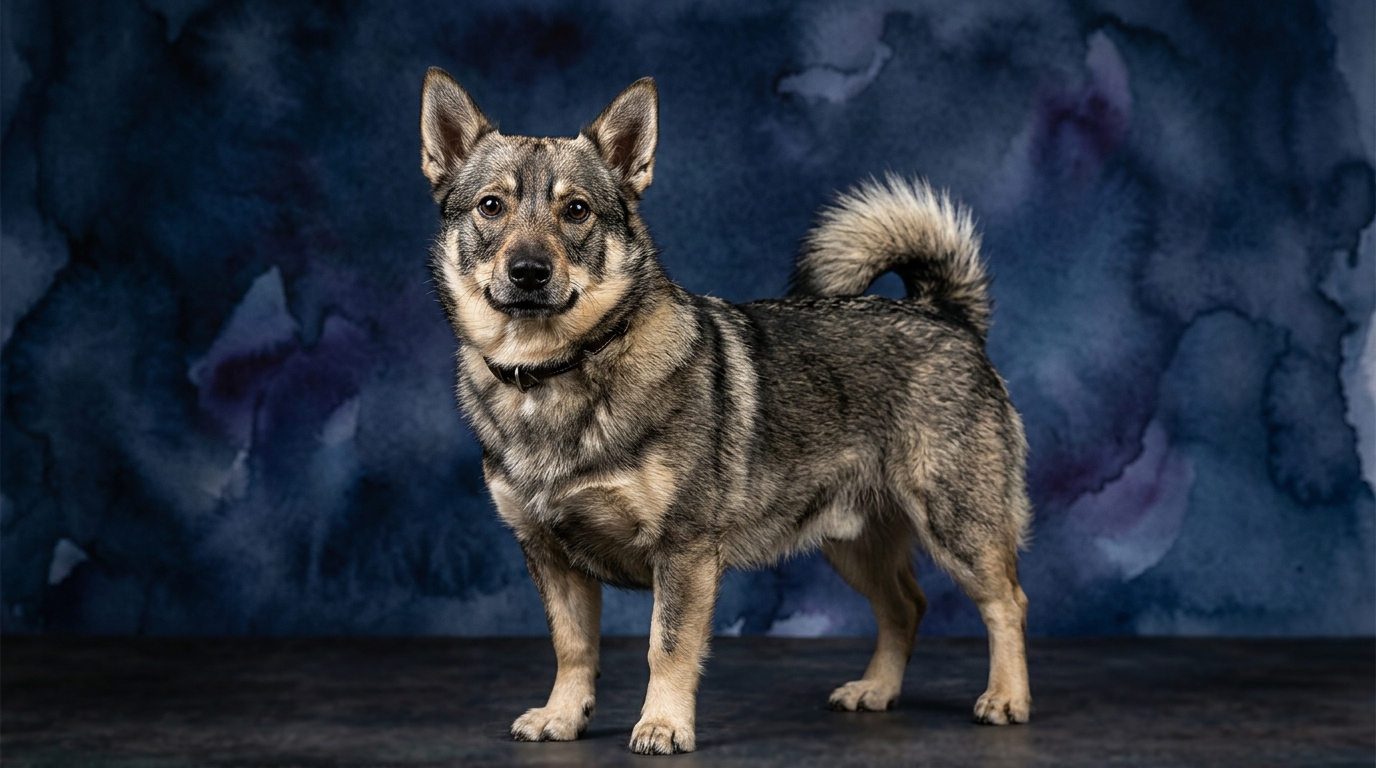
The Swedish Vallhund, a Herding breed, presents a slightly different cognitive landscape. Their Problem Solving (3/5) score mirrors the Havanese, indicating a similar ability to tackle moderate mental challenges, such as navigating obstacle courses or solving treat puzzles. Training Speed (3/5) also aligns, meaning they learn at a steady pace, responding well to clear and consistent instruction. Social Intelligence (3/5) signifies they are capable of forming strong bonds and understanding human communication, though perhaps with a more independent and less overtly empathetic approach than the Havanese. Instinctive Drive (3/5) is notably higher, reflecting their historical role in herding cattle and sheep, with a natural propensity to 'organize' or gather, often extending this to family members. Memory (3/5) ensures they remember commands, routines, and their people, demonstrating reliable recall over time.
Where the Havanese Excels Cognitively
The Havanese's distinct cognitive advantage lies squarely in their exceptional Social Intelligence, scoring a perfect 5 out of 5. This isn't merely about friendliness; it's a profound capacity to read and respond to subtle human cues, emotional states, and social dynamics. A Havanese might instinctively offer comfort when their owner is upset, or subtly adjust their behavior based on the mood in the room, often without explicit instruction. This translates into an unparalleled ability to integrate seamlessly into family life, acting as a sensitive, intuitive companion who deeply understands their human counterparts. Their lower Instinctive Drive (2/5) complements this, meaning they are less distracted by independent urges to hunt or patrol, allowing them to focus almost entirely on their human interactions and relationships, fostering a unique level of emotional connection and co-regulation within a household.
This heightened social acumen also contributes significantly to their adaptability in various social settings. They are often quick to understand social boundaries and expectations, making them generally well-behaved in public or when encountering new people, provided they are properly socialized. While their Problem Solving and Training Speed scores are moderate, their social intelligence often makes up for it by enabling them to anticipate what their human wants, or to learn through observational social learning rather than purely rote repetition. They pick up on routines and unspoken cues, making daily life with them remarkably smooth for owners who appreciate a truly interactive and emotionally present canine companion.
Where the Swedish Vallhund Shows Its Cognitive Strengths
The Swedish Vallhund's cognitive edge is most apparent in its elevated Instinctive Drive, rated at 3 out of 5. While this might seem moderate, it's significantly higher than the Havanese and is deeply rooted in their herding heritage. This drive manifests as a natural inclination towards purpose-driven activity, organization, and a desire to 'work.' For an owner, this means a Vallhund often thrives when given tasks, whether it's learning complex agility sequences, participating in scent work, or even engaging in structured play that mimics herding behaviors. Their natural tenacity and focus, stemming from this drive, allow them to persist at challenges that might deter a less driven breed, making them excellent candidates for dog sports and advanced obedience.
Moreover, while their Social Intelligence is a respectable 3/5, it's coupled with a robust physical and mental stamina that allows them to engage in prolonged, focused activities. This combination means they can form strong bonds while maintaining a degree of independent thought and action necessary for their herding tasks. Their moderate Problem Solving (3/5) and Training Speed (3/5) are enhanced by their inherent drive, as a motivated Vallhund is often a highly engaged and persistent learner. They may not be as overtly emotionally attuned as a Havanese, but their cognitive profile makes them highly capable partners for active individuals who enjoy channeling a dog's natural working instincts into productive and rewarding activities.
Training: Havanese vs. Swedish Vallhund
When considering ease of training, both breeds share a Training Speed score of 3/5, suggesting they grasp new concepts at a similar, steady pace with consistent effort. However, their differing social intelligence and instinctive drives create distinct training experiences. The Havanese, with their 5/5 Social Intelligence, often appears easier to train for basic obedience and companionship tasks because they are so keenly attuned to their owner's desires and emotional states. They possess a strong desire to please and connect, which can make them highly cooperative pupils, eager to perform for positive feedback and affection. Their lower Instinctive Drive (2/5) means they are generally less distracted by independent urges, making it easier to keep their focus on the human during training sessions. They respond beautifully to gentle, positive reinforcement methods, thriving on praise and connection rather than strict commands.
The Swedish Vallhund, while equally capable of learning with a 3/5 Training Speed, requires an approach that acknowledges their 3/5 Instinctive Drive. This drive means they often possess a greater need for purpose and mental stimulation during training. While they are loyal and eager to work with their handler, their herding instincts can sometimes manifest as a desire to 'herd' children or other pets, or a strong prey drive, which needs careful management and redirection. Training a Vallhund often benefits from incorporating activities that tap into their natural inclinations, such as agility, herding games, or scent work, making training feel less like a chore and more like a fulfilling job. They respond well to clear, consistent rules and appreciate a handler who can channel their energy and intelligence into productive outlets, preventing boredom-induced behaviors.
Matching Breeds to Lifestyles: Active vs. Relaxed Owners
The Havanese is an ideal match for owners seeking a more relaxed, intimately connected companion. Their profound Social Intelligence (5/5) means they thrive on human interaction and being an integral part of daily family life, content with moderate exercise like daily walks and indoor play. They are particularly suited for individuals or families who are home frequently and can provide consistent emotional engagement. Their lower Instinctive Drive (2/5) means they don't have an overwhelming need for strenuous activity or complex 'jobs,' preferring instead to be a warm presence by your side. They adapt well to apartment living, provided their social needs are met, making them perfect for those who prioritize companionship and emotional connection over high-octane adventures.
Conversely, the Swedish Vallhund is best suited for active owners who relish engaging their dog in purposeful activities. Their Herding group classification and 3/5 Instinctive Drive mean they possess a robust need for mental and physical stimulation. They excel with owners who enjoy outdoor adventures, dog sports like agility or obedience, or even exploring hiking trails. A Vallhund thrives when given a 'job' to do, even if it's just a consistent training routine or complex puzzle toys. They require more than just a walk around the block; they need opportunities to use their problem-solving skills and channel their herding energy constructively. For owners who lead an active lifestyle and are prepared to invest time in structured engagement, the Vallhund offers an energetic, intelligent, and rewarding partnership.
The Verdict
Choose the Havanese if your primary desire is an exceptionally socially intelligent, emotionally attuned companion who thrives on close human connection and moderate activity. They are ideal for relaxed households prioritizing companionship and a sensitive, intuitive presence.
Opt for the Swedish Vallhund if you are an active owner looking for a driven, intelligent partner eager to participate in structured activities and outdoor adventures. They are best suited for those who can channel their herding instincts into productive mental and physical challenges.
🧠 Find Your Pet's IQ Score
Our Pet IQ Lab assessment covers 25+ tests across 5 cognitive dimensions — personalized to your breed.
Take the Full IQ Test →Frequently Asked Questions
Do Havanese get bored easily?
Havanese, with their moderate problem-solving and training speed, enjoy mental engagement but their primary need is social interaction. While they appreciate puzzle toys, their boredom is more likely to stem from a lack of human company rather than a lack of complex tasks.
Can a Swedish Vallhund live in an apartment?
A Swedish Vallhund can adapt to apartment living, provided their significant need for physical exercise and mental stimulation is met daily. Owners must commit to regular, vigorous outings and structured activities to prevent boredom and ensure their instinctive drives are satisfied.
Which breed is better with children?
Both breeds can be good with children, but their approaches differ. The Havanese's high social intelligence makes them gentle and sensitive to a child's emotions, while the Vallhund's herding instinct might lead them to 'herd' children, requiring supervision and training to manage this behavior.