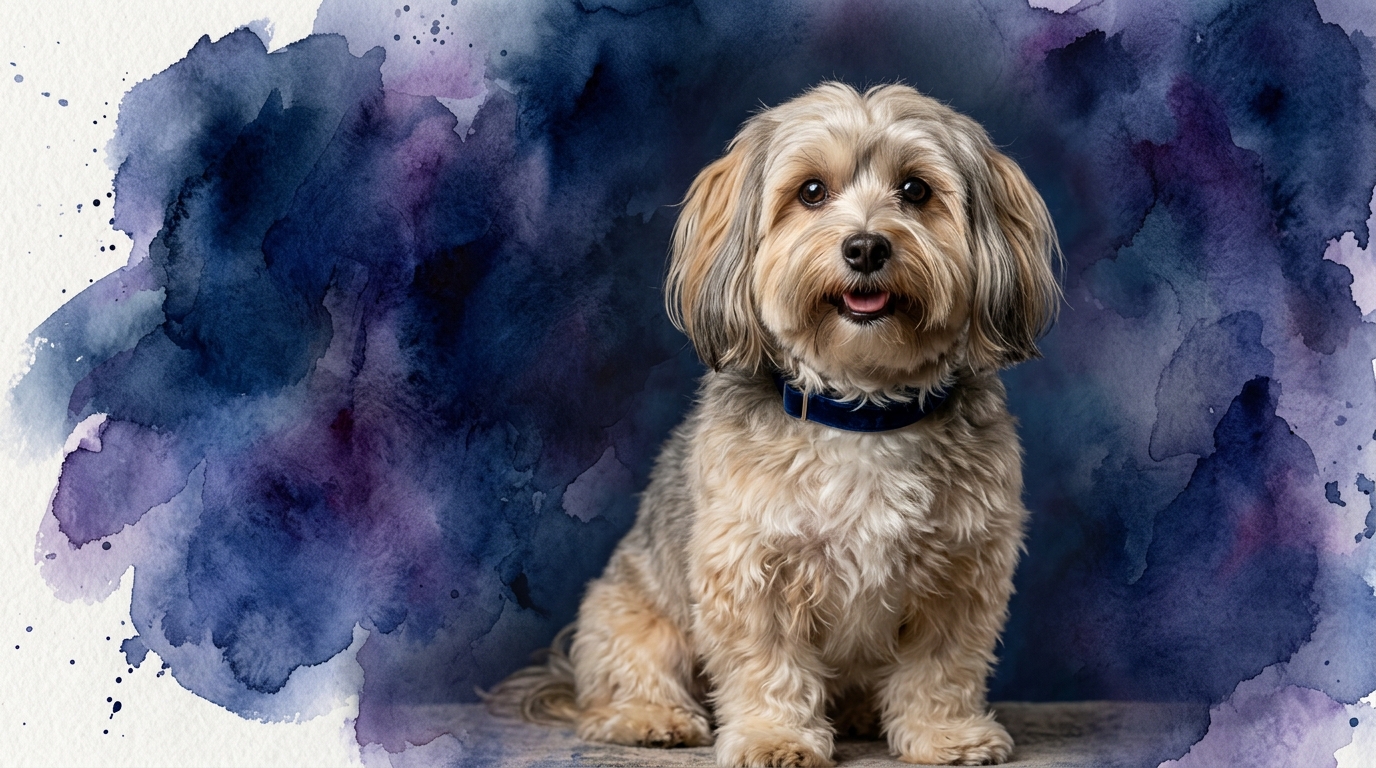
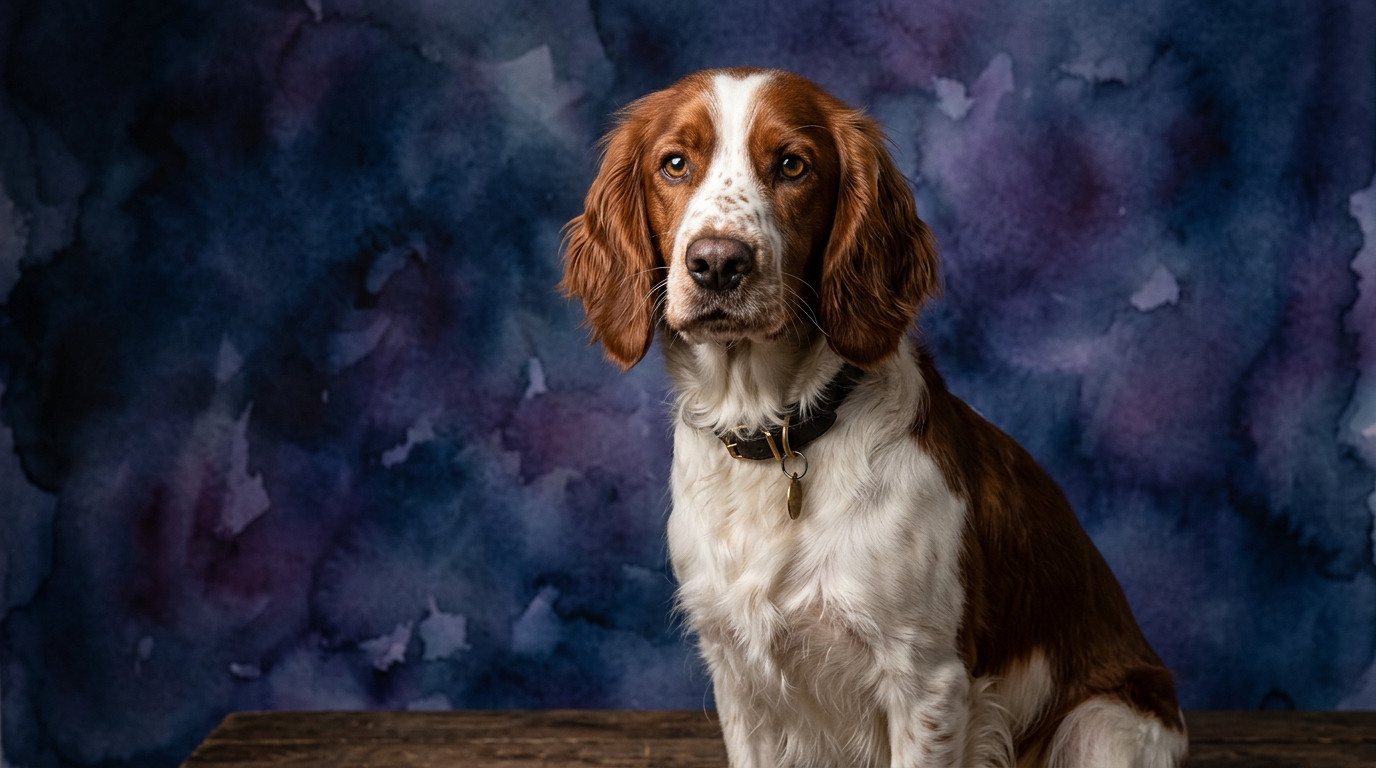
Side-by-Side IQ Profile: Havanese vs. Welsh Springer Spaniel
The Pet IQ Lab assesses five crucial dimensions of canine intelligence, painting a detailed picture of each breed's cognitive make-up. For the Havanese, a Toy group dog, we observe a Problem Solving score of 3/5, indicating a moderate ability to navigate novel situations and figure out solutions independently. Their Training Speed is also 3/5, meaning they learn new commands at an average pace, benefiting from consistent, positive reinforcement. Where the Havanese truly shines is in Social Intelligence, earning a perfect 5/5, reflecting an exceptional capacity to understand and respond to human emotions and social cues. Their Instinctive Drive is a low 2/5, suggesting minimal inherent motivation for tasks like hunting or guarding, while their Memory stands at 3/5, demonstrating an average ability to retain learned information and experiences.
In contrast, the Welsh Springer Spaniel, a Sporting group dog with a Coren ranking of #31, presents a different cognitive profile. This breed scores a robust 4/5 for Problem Solving, showing a good capacity for independent thought and strategic action when faced with challenges. Their Training Speed is also 4/5, indicating a relatively quick grasp of new commands and routines, often eager to engage in learning. The Welsh Springer Spaniel's Social Intelligence is a solid 3/5; they are friendly and responsive but may not possess the same nuanced human-reading abilities as the Havanese. Their Instinctive Drive is moderate at 3/5, reflecting their heritage in activities like flushing and retrieving, and their Memory is a strong 4/5, enabling them to retain complex sequences and information over time.
Where the Havanese Wins Cognitively
The Havanese undeniably excels in the realm of social cognition, an area where they achieve a perfect 5/5 in our Pet IQ Lab assessment, significantly outperforming the Welsh Springer Spaniel's 3/5. This translates into a profound ability to interpret human emotions, body language, and subtle social cues, making them extraordinarily attuned companions. Their cognitive strength lies in navigating complex social dynamics within a family unit, often anticipating their owner's needs or moods with remarkable intuition. This high social intelligence makes them adept at forming deep, empathetic bonds and adapting seamlessly to various social environments, from quiet homes to bustling gatherings, prioritizing harmonious interaction above all else. This isn't about solving puzzles with objects, but rather solving the intricate puzzles of human connection.
This exceptional social acumen also means a Havanese can often 'learn' through observation of human behavior and subtle feedback, even if formal obedience commands take more repetitions. They understand the 'why' behind social rules and expectations, making them naturally inclined towards good house manners and appropriate social conduct. While their problem-solving score for object-based tasks is moderate, their ability to 'solve' social dilemmas and maintain emotional equilibrium within a household is unparalleled, making them invaluable for individuals seeking a deeply connected and emotionally responsive canine partner.
Where the Welsh Springer Spaniel Wins Cognitively
The Welsh Springer Spaniel demonstrates a clear cognitive advantage in practical problem-solving, training efficacy, and memory retention, areas critical for a working breed. With a Problem Solving score of 4/5, compared to the Havanese's 3/5, they possess a greater innate capacity to independently figure out solutions to environmental challenges, whether it's navigating an obstacle course or understanding how to retrieve a toy from a tricky spot. This proactive approach to their surroundings is a hallmark of their Sporting group heritage, where resourcefulness is key.
Furthermore, their superior Training Speed (4/5 vs. 3/5) and Memory (4/5 vs. 3/5) combine to make them highly efficient learners for task-oriented training. They grasp new commands, multi-step sequences, and complex routines with relative ease and retain that information effectively over time. This cognitive pairing makes them particularly well-suited for canine sports like agility, obedience, or scent work, where rapid learning and consistent performance are paramount. Their Coren ranking of #31 further underscores their strong aptitude for understanding and executing human commands, demonstrating a working intelligence that thrives on structure and purpose.
Which is Easier to Train and Why
When considering ease of training, the nature of the training goal significantly differentiates these two breeds. The Welsh Springer Spaniel, with its higher Training Speed (4/5) and Memory (4/5), generally proves easier to train for formal obedience and complex task work. Their moderate Instinctive Drive (3/5) often translates into an eagerness to work alongside their handler, channeling their natural inclinations into structured activities. They are often more motivated by toys or the opportunity to engage in a 'job,' and their problem-solving capacity helps them understand the mechanics of new exercises more quickly, leading to faster mastery of commands.
The Havanese, while certainly trainable, may require a different approach. Their Training Speed (3/5) and Memory (3/5) are moderate, meaning they might take more repetitions to solidify new commands compared to the Welsh Springer Spaniel. However, their exceptional Social Intelligence (5/5) means they are highly motivated by positive reinforcement rooted in praise and connection. They are eager to please their human companions and respond beautifully to relationship-based training methods. While they might not excel in learning complex multi-step tasks as rapidly, their desire for social harmony often makes them quick to pick up on house rules and social manners, making them inherently 'well-behaved' in a home context, even if formal obedience takes more patience.
Which Suits Active Owners vs. Relaxed Owners
The inherent drives and cognitive strengths of each breed naturally align them with different owner lifestyles. The Welsh Springer Spaniel, with its Sporting group background, moderate Instinctive Drive (3/5), and good Problem Solving (4/5), is an ideal match for active owners. These dogs thrive when given opportunities for regular exercise, mental stimulation, and a 'purpose.' They enjoy activities like hiking, running, fetching, or participating in dog sports. Owners who value a canine partner for outdoor adventures and structured training will find the Welsh Springer Spaniel's energy and intelligence highly rewarding, as they enjoy having tasks to accomplish.
Conversely, the Havanese, a quintessential Toy companion breed with a low Instinctive Drive (2/5) and unparalleled Social Intelligence (5/5), is perfectly suited for more relaxed owners. Their primary need is close human companionship and moderate daily activity, such as short walks or indoor play. They are content to be involved in family life, often preferring to cuddle or simply be near their people rather than engaging in strenuous physical or mental tasks. Their cognitive strengths are best appreciated by those who prioritize a deeply affectionate, adaptable, and emotionally intuitive presence in their home, rather than a dog for demanding sports or extensive outdoor exploits.
The Verdict
Choose the Havanese if you seek an exceptionally sensitive, socially intuitive companion who thrives on close interaction and adapts seamlessly to a home-centric life, offering profound emotional connection.
Opt for the Welsh Springer Spaniel if you desire a capable, eager-to-learn partner for activities and dog sports, valuing a dog with good problem-solving and retention for task-oriented work.
🧠 Find Your Pet's IQ Score
Our Pet IQ Lab assessment covers 25+ tests across 5 cognitive dimensions — personalized to your breed.
Take the Full IQ Test →Frequently Asked Questions
Does the Coren rank indicate overall intelligence?
Coren's ranking primarily assesses 'working and obedience intelligence,' reflecting a dog's ability to learn and perform commands. It doesn't fully encompass other aspects like social intelligence or problem-solving in non-training contexts, which our Pet IQ Lab scores detail.
How does 'Instinctive Drive' affect daily life for these breeds?
A Havanese's low instinctive drive means less inclination for hunting or guarding, making them generally content with companionship and indoor activities. A Welsh Springer Spaniel's moderate drive means they benefit from activities that channel their natural instincts, like fetch or scent games, preventing boredom and promoting well-being.
Can a Havanese excel in dog sports despite lower training speed?
Yes, Havanese can certainly excel in sports like agility or obedience, especially those that emphasize handler-dog teamwork and communication. While they might take more repetitions to master complex sequences than a Welsh Springer Spaniel, their strong social intelligence and desire to please their owner can be powerful motivators, leading to impressive achievements with consistent training.