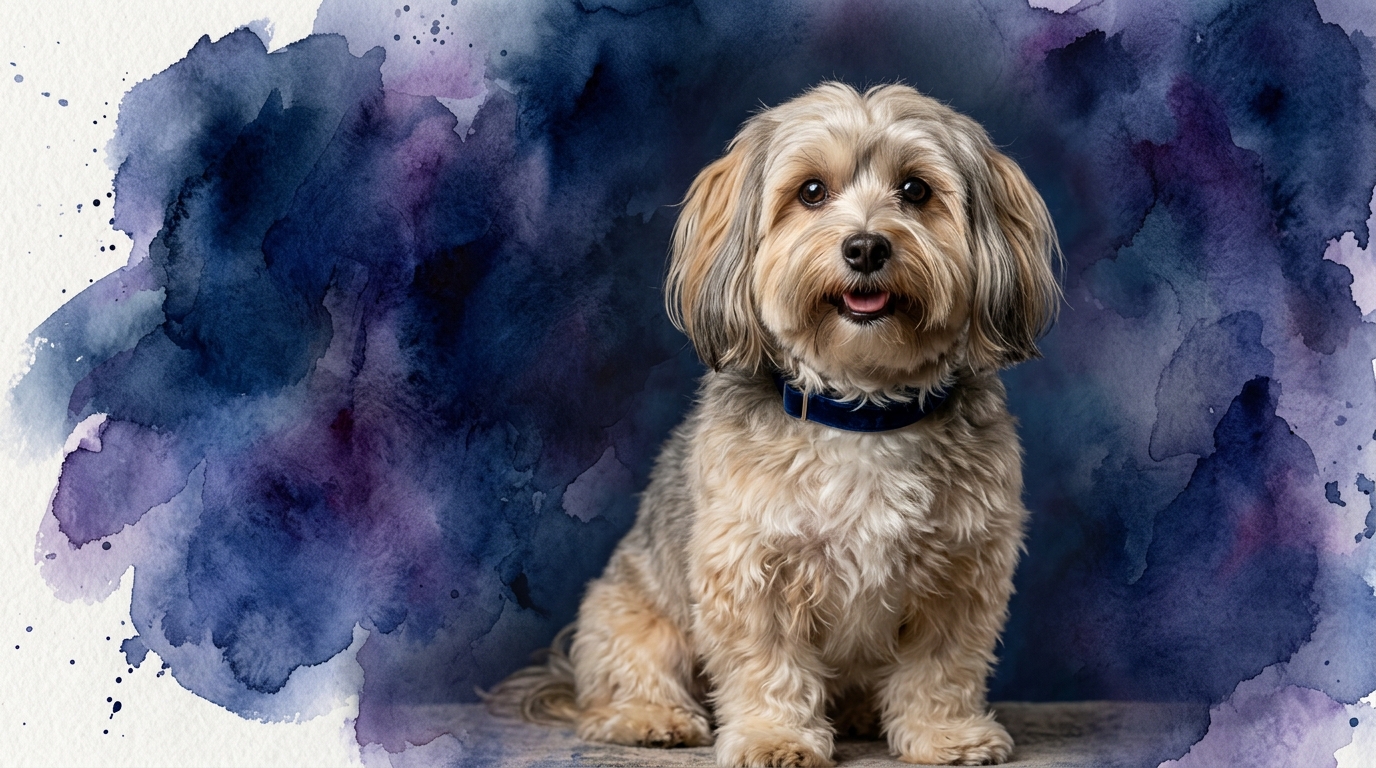
Side-by-Side IQ Profile: Havanese
**Problem Solving (3/5)**: Havanese demonstrate a moderate capacity for navigating novel challenges, often preferring to involve their human companions rather than tackling complex tasks independently. For instance, instead of figuring out how to open a treat-dispensing puzzle, they might bring the puzzle to their owner, indicating a preference for cooperative problem-solving. This approach stems from their strong social orientation.
**Training Speed (3/5)**: They learn new commands at an average pace, typically responding well to positive reinforcement methods that involve praise, treats, and affection. Consistency is key, and their eagerness to please, especially their primary caregivers, significantly aids in the acquisition and retention of new behaviors. They grasp basic obedience quickly, but more intricate tricks might require more repetitions.
**Social Intelligence (5/5)**: This is where the Havanese truly excels, exhibiting an exceptional ability to understand human emotions, intentions, and subtle social cues. They are remarkable at reading body language and tone of voice, often anticipating their family's moods or needs. For example, a Havanese might gently nudge a sad owner or bring a toy to someone feeling stressed, showcasing their profound empathy and attunement.
**Instinctive Drive (2/5)**: Their inherent drives, such as hunting, guarding territory, or independent foraging, are relatively low. They are primarily bred for companionship, making them less inclined towards tasks rooted in ancestral instincts and more focused on interactive play and close proximity to their human family. This means they are less likely to roam or chase small animals with intense focus.
**Memory (3/5)**: Havanese possess a moderate memory for learned behaviors, routines, and familiar people or places. They retain commands and established patterns effectively, allowing for reliable recall in known environments, though perhaps not with the same long-term precision or detail as breeds with higher memory scores, especially after long periods without reinforcement.
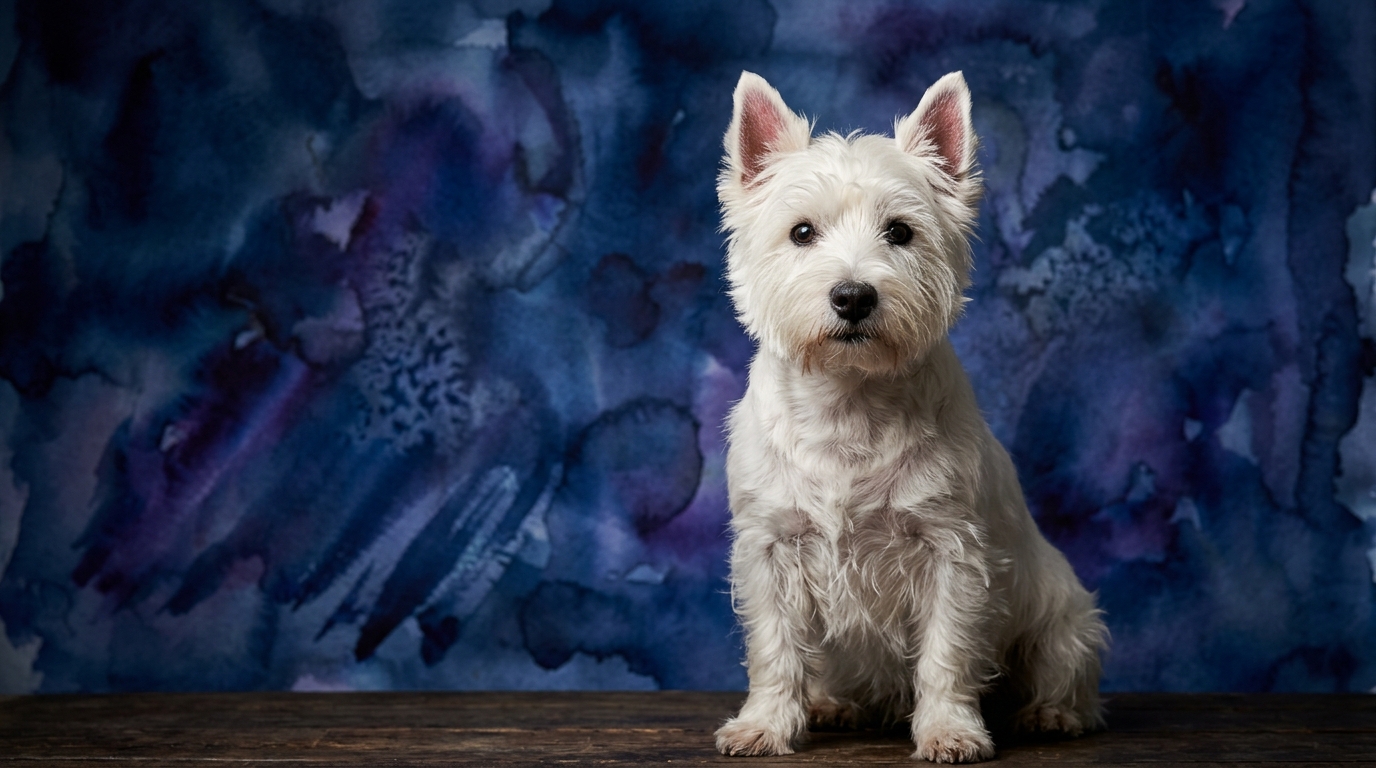
Side-by-Side IQ Profile: West Highland White Terrier
**Coren Rank #47**: This places the Westie within the average working/obedience intelligence category, indicating a solid foundation for learning and command execution. This ranking suggests they understand new commands with 15-25 repetitions and obey the first command 50% of the time or better.
**Problem Solving (3/5)**: Westies show a moderate ability to solve practical problems, often approaching challenges with a terrier's characteristic determination and independent thought. They might methodically work at a puzzle toy or find creative ways to reach a desired object, demonstrating persistence rather than immediate reliance on human intervention.
**Training Speed (3/5)**: They learn new commands at an average pace, but their independent nature and occasional stubbornness can sometimes make consistency and engaging methods crucial for success. Westies respond best to varied, fun training sessions that prevent boredom and tap into their natural curiosity, rather than repetitive drills.
**Social Intelligence (3/5)**: Westies exhibit a moderate level of social understanding, capable of forming strong bonds with their families and recognizing familiar individuals. While affectionate in their own way, they tend to be less overtly “people-pleasing” or emotionally transparent than some companion breeds, preferring a more independent interaction style and requiring clear communication rather than subtle cues.
**Instinctive Drive (3/5)**: Their terrier heritage contributes to a moderate instinctive drive, particularly in areas like digging, chasing small prey, and alerting to novel sounds or sights. These natural tendencies can manifest as engaging play behaviors, such as mock hunting games, but also require consistent management and appropriate outlets to prevent unwanted behaviors like excessive digging in the garden.
**Memory (4/5)**: West Highland White Terriers demonstrate a robust memory for learned commands, routines, and significant experiences. Once they grasp a concept or a specific command, it tends to stick, contributing to their reliability in established behaviors over long periods. This strong retention makes them capable of learning a wide repertoire of commands and tricks that endure.
Where Havanese Wins Cognitively
The Havanese distinctly shines in **social intelligence (5/5)**, a score unmatched by the Westie's 3/5. This means a Havanese is exceptionally adept at reading human body language, tone of voice, and emotional states with remarkable accuracy. They often anticipate their owner's needs or moods, offering comfort during distress or initiating play when sensing joy, showcasing a profound level of empathy and attunement to their human family. This deep understanding allows for a uniquely communicative bond, making them extraordinary companions for individuals seeking a deeply responsive canine presence. Their lower instinctive drive (2/5) further enhances this bond, as they are less distracted by external environmental stimuli and more consistently focused on their human interactions and emotional connection.
Where West Highland White Terrier Wins Cognitively
The West Highland White Terrier demonstrates a clear cognitive advantage in **memory (4/5)** compared to the Havanese's 3/5. This robust memory means Westies are more likely to retain complex sequences of commands and recall past experiences with greater precision, making them highly consistent performers once a behavior is thoroughly learned. For example, a Westie might remember a multi-step routine or a specific trick even after long periods without practice. Furthermore, their **instinctive drive (3/5)**, while requiring management, provides a cognitive edge in tasks that involve exploration, scent work, or purposeful activity, tapping into their ancestral terrier traits for hunting and digging. Their Coren rank of #47 also places them firmly within the “average working/obedience intelligence” category, suggesting a solid capacity for understanding and executing commands reliably in various contexts.
Which is Easier to Train and Why
While both breeds share a **training speed score of 3/5**, the Havanese generally presents as an easier dog to train for most owners, primarily due to their superior **social intelligence (5/5)**. Their strong desire to please and deep attunement to human cues mean they are often more motivated by positive reinforcement and praise from their owners, actively seeking approval. They are more likely to cooperate and less inclined to challenge instructions, making initial training stages, such as house-training and basic obedience, smoother and less prone to resistance. In contrast, the Westie's moderate social intelligence (3/5) and stronger instinctive drive (3/5) can sometimes lead to an independent streak or a “what's in it for me?” attitude. While they possess a good memory (4/5) for what they've learned, their terrier tenacity might require more consistent, engaging, and varied training approaches to maintain focus and prevent boredom. A Westie might test boundaries or follow an intriguing scent rather than a verbal command, whereas a Havanese is more predisposed to maintain eye contact and seek direct interaction.
Which Suits Active Owners vs. Relaxed Owners
The **Havanese**, with its lower instinctive drive (2/5) and exceptional social intelligence (5/5), often thrives with more relaxed owners who prioritize companionship and gentle indoor activities. While they certainly enjoy play and regular, moderate walks, their primary cognitive and emotional needs are largely met through interactive games, cuddles on the couch, and being an integral, present part of family life. Their problem-solving (3/5) and training speed (3/5) are perfectly adequate for learning basic obedience and engaging with enrichment puzzles, but they do not typically demand intense, structured mental work or vigorous physical output to be content.
The **West Highland White Terrier**, conversely, with its moderate instinctive drive (3/5) and stronger memory (4/5), is better suited for moderately active owners who appreciate a dog with purpose. They benefit significantly from regular outdoor excursions that allow for exploration, scent-tracking, and opportunities to engage their natural terrier behaviors, such as digging or chasing. Their problem-solving (3/5) and training speed (3/5), combined with their robust memory, mean they can excel in activities like agility, earthdog trials, or even advanced obedience, which satisfy both physical and cognitive needs in a structured way. Owners who enjoy consistent training, varied outdoor adventures, and a companion with a confident, spirited, and sometimes tenacious personality will find a Westie a more fulfilling match.
The Verdict
If you seek a deeply empathetic companion who excels at understanding your emotions, thrives on close human interaction, and whose primary cognitive drive is social connection, the Havanese is an outstanding choice. They are ideal for owners desiring a responsive, affectionate presence that seamlessly integrates into a relaxed home environment.
Opt for the Westie if you appreciate a dog with a robust memory for training, a spirited independence, and a moderate drive for exploring and engaging with the world. They are best suited for owners who enjoy consistent training, outdoor activities, and a companion with a confident, tenacious personality.
🧠 Find Your Pet's IQ Score
Our Pet IQ Lab assessment covers 25+ tests across 5 cognitive dimensions — personalized to your breed.
Take the Full IQ Test →Frequently Asked Questions
Is the Havanese a good choice for first-time dog owners?
Yes, the Havanese's high social intelligence and eagerness to please make them relatively easier to train and integrate into a family. Their desire for companionship and adaptability generally simplifies the learning curve for new owners, provided consistent positive reinforcement is used.
Do West Highland White Terriers require a lot of exercise?
Westies require moderate daily exercise to satisfy their instinctive drives and maintain their physical and mental well-being. Regular walks, playtime, and opportunities for exploration are important to prevent boredom and channel their energy constructively.
Which breed is more independent, Havanese or West Highland White Terrier?
The West Highland White Terrier typically exhibits more independence due to its terrier heritage and moderate social intelligence, often pursuing its own interests like scent-tracking. The Havanese, with its exceptional social intelligence, is more prone to seeking constant human interaction and less inclined towards independent activities.