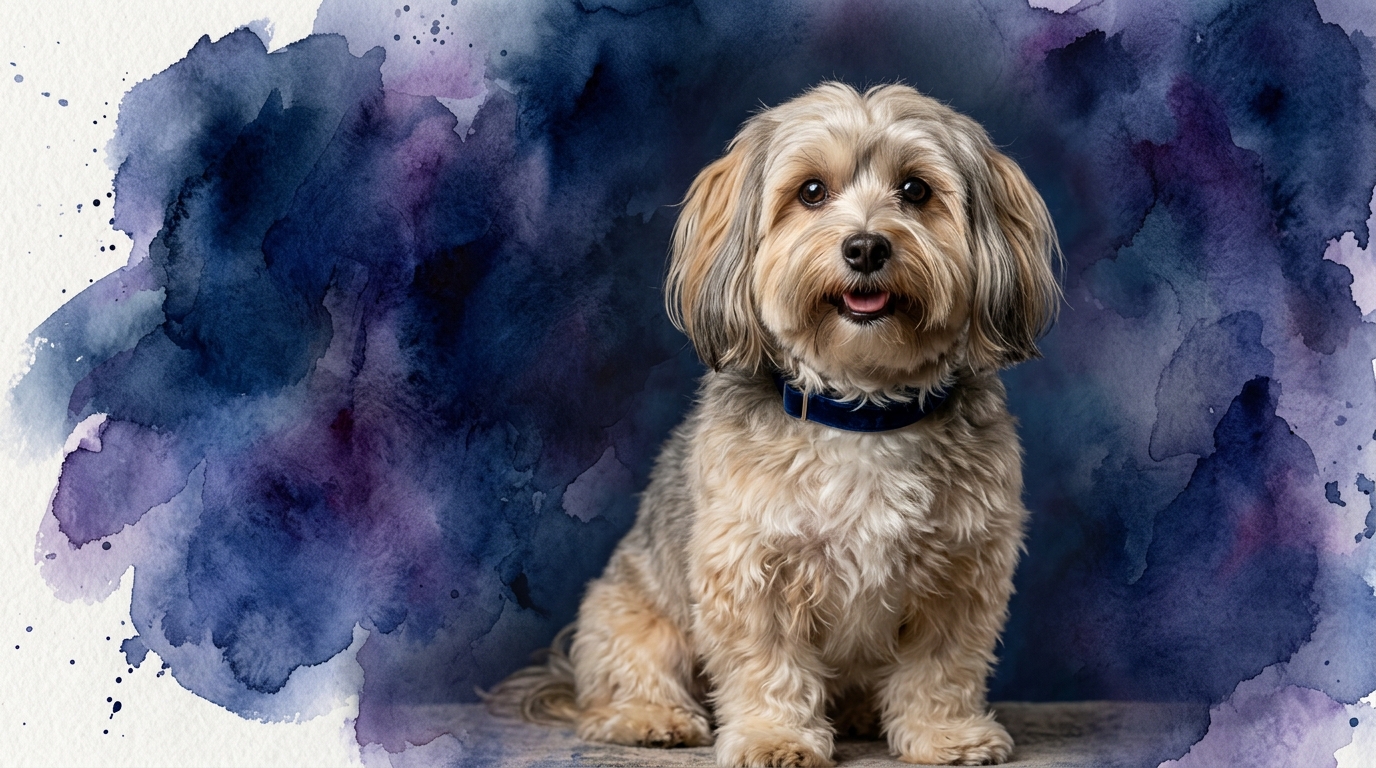
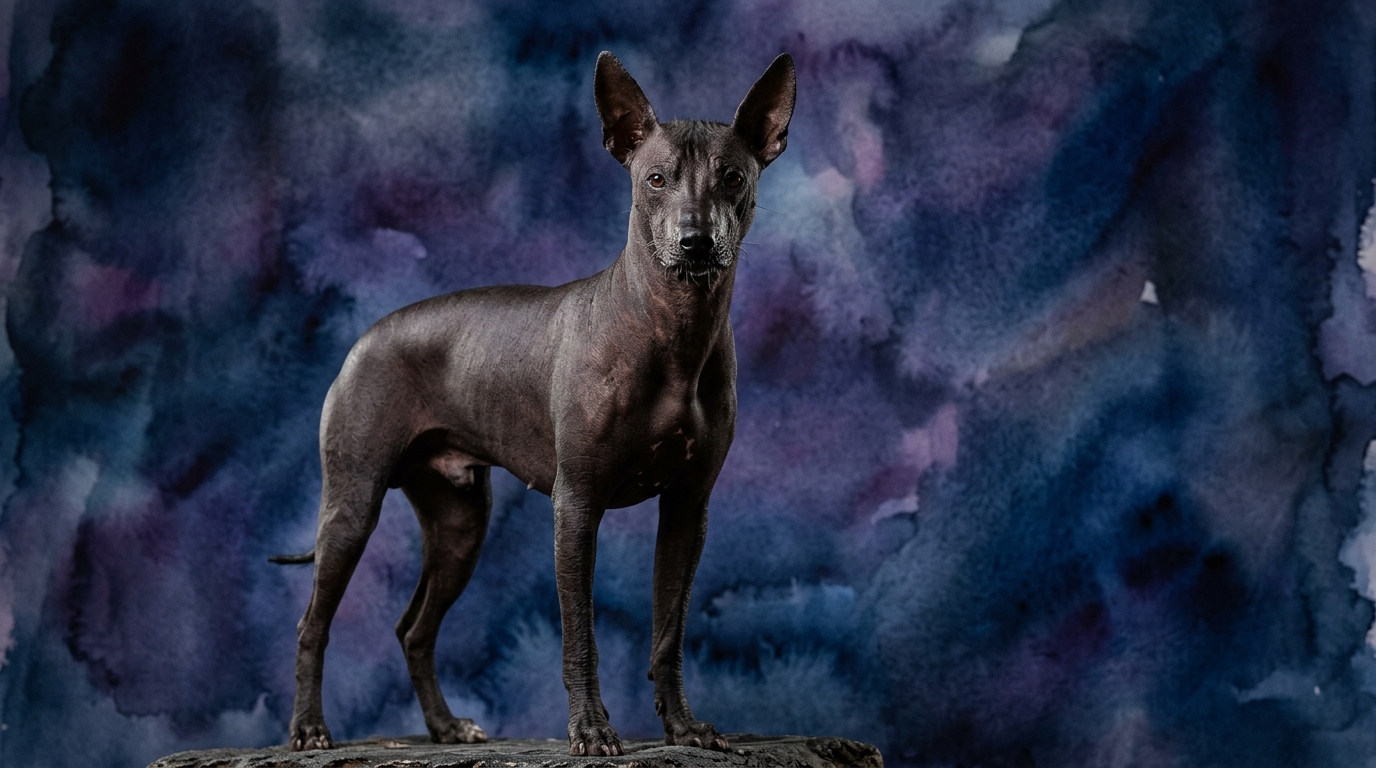
Side-by-Side IQ Profile: Havanese vs. Xoloitzcuintli
The Cosmic Pet Pet IQ Lab provides a nuanced look at canine intelligence, moving beyond simple rankings to assess five key cognitive dimensions. For the Havanese, a charming companion breed, we observe a distinct profile. Their Problem Solving is rated at 3/5, indicating a moderate ability to navigate novel challenges and figure out practical solutions. Training Speed also stands at 3/5, meaning they acquire new commands and routines at an average pace, responding well to consistent, positive reinforcement. Where the Havanese truly excels is in Social Intelligence, scoring an impressive 5/5, reflecting a profound capacity for understanding human emotions and forming deep, empathetic bonds. Their Instinctive Drive is lower, at 2/5, suggesting less inclination towards strong primal behaviors like hunting or herding. Finally, their Memory is rated at 3/5, allowing them to retain learned information and experiences steadily over time.
In contrast, the Xoloitzcuintli, a breed steeped in history and known for its calm demeanor, presents a more balanced, albeit distinct, cognitive makeup. Their Problem Solving mirrors the Havanese at 3/5, demonstrating an equivalent moderate capability for tackling mental tasks and adapting to new situations. Similarly, their Training Speed is also 3/5, indicating an average learning curve for new commands, requiring clear and patient instruction. The Xolo's Social Intelligence is rated at 3/5, showing they form strong attachments but tend to be more reserved and independent than the Havanese, not always seeking constant emotional reciprocation. Their Instinctive Drive is slightly higher at 3/5, suggesting a moderate expression of natural canine behaviors, such as patrolling or exploratory sniffing. Like the Havanese, their Memory is also 3/5, allowing for a steady retention of learned experiences and commands.
Where the Havanese Wins Cognitively
The Havanese demonstrates a clear cognitive advantage in one crucial area: Social Intelligence. With a perfect 5/5 score compared to the Xoloitzcuintli's 3/5, Havanese possess an exceptional capacity to read and respond to human emotions and social cues. This heightened empathy translates into a dog that is incredibly attuned to its owner's mood, often seeking to comfort or engage based on subtle signals. They thrive on interaction and reciprocate affection with an almost intuitive understanding, making them outstanding emotional companions. This cognitive strength means they are more likely to seek out companionship, mirroring their human counterparts' feelings and fostering a profound sense of connection.
Additionally, the Havanese's lower Instinctive Drive (2/5 vs. Xolo's 3/5) can be considered a cognitive win for owners seeking a less 'driven' companion. This reduced inclination towards primal urges such as intense hunting, herding, or guarding behaviors means Havanese are generally less prone to acting on these instincts. They are more likely to prioritize social interaction and comfort over independent exploration or territorial defense, often resulting in a more adaptable and less demanding presence in a typical household environment.
Where the Xoloitzcuintli Wins Cognitively
While the Havanese excels in social attunement, the Xoloitzcuintli holds a cognitive 'win' in its balanced Instinctive Drive. Scoring 3/5 compared to the Havanese's 2/5, the Xolo possesses a moderate, well-rounded set of natural canine instincts. This means they are more likely to engage in behaviors like patrolling their environment, exploring with purpose, or demonstrating a degree of self-sufficiency. This balanced drive can be advantageous for owners who appreciate a dog with a more robust sense of independence and engagement with its surroundings, without being overly fixated on a single type of drive.
Furthermore, while their Problem Solving, Training Speed, and Memory scores are identical to the Havanese (all 3/5), the Xolo's combination of moderate Social Intelligence (3/5) and moderate Instinctive Drive (3/5) creates a different cognitive dynamic. They are capable learners and problem-solvers but approach tasks with a more self-assured and sometimes independent mindset. This can be a win for owners seeking a companion that is thoughtful and capable, yet not constantly seeking human validation for every action, embodying a quiet confidence in their cognitive approach to the world.
Training Dynamics: Havanese vs. Xoloitzcuintli
When it comes to ease of training, both the Havanese and Xoloitzcuintli share an identical Training Speed score of 3/5, suggesting they learn new commands at an average pace. However, the practical experience of training can differ significantly due to their other cognitive profiles. The Havanese's exceptional Social Intelligence (5/5) means they are inherently more eager to please and deeply attuned to their owner's reactions. They thrive on positive feedback and connection, making them highly responsive to praise and encouragement. This strong desire to connect and understand human cues often makes the training process feel smoother and more rewarding for owners, despite the average raw learning speed.
The Xoloitzcuintli, with its moderate Social Intelligence (3/5) and Instinctive Drive (3/5), approaches training with a different mindset. They are capable learners but possess a more independent streak. While they form strong bonds, they may not always prioritize human approval to the same degree as a Havanese. Training a Xolo often requires more consistency, patience, and creative motivation to maintain their engagement. Their independence means they might be less inclined to repeat an action purely for a treat if they don't see the immediate value or if their attention is drawn elsewhere by their moderate instinctive urges. Behavioral differences might include a Havanese quickly offering eye contact and engagement, whereas a Xolo might need a moment to process or choose to comply, often with a calm deliberation.
Matching Breeds to Lifestyles: Active vs. Relaxed Owners
For active owners, both breeds can certainly participate in various activities, but their cognitive leanings suggest different preferences. The Xoloitzcuintli, with its moderate Instinctive Drive (3/5) and balanced cognitive profile, can be a great fit for owners who enjoy structured activities like hiking, agility, or even scent work. Their independence means they can enjoy these activities alongside their owner without needing constant emotional validation. They possess a quiet endurance and a thoughtful approach to challenges, making them suitable for owners who appreciate a self-reliant companion in their adventures. They are not overly high-energy but are capable of sustained effort.
Relaxed owners, or those seeking a deeply connected companion for a less overtly active lifestyle, might find the Havanese more suitable. Their outstanding Social Intelligence (5/5) means they thrive on constant companionship and emotional exchange. While they enjoy play and walks, their primary need is to be close to their people, participating in daily life as an integral family member. Their lower Instinctive Drive (2/5) means they are less likely to seek out independent adventures or exhibit strong urges that require extensive management, making them wonderfully adaptable to apartment living or a calmer home environment, as long as they receive ample social engagement and affection.
The Verdict: When to Choose Each Breed
Choosing between a Havanese and a Xoloitzcuintli ultimately depends on the specific cognitive and behavioral traits an owner values most. Both breeds offer unique companionship, but their intelligence profiles suggest they will fulfill different roles in a home.
The Havanese, with its exceptional social intelligence and lower instinctive drives, is an ideal choice for individuals or families seeking a deeply empathetic, emotionally responsive, and constantly engaging companion that thrives on close human connection. The Xoloitzcuintli, with its balanced drives and more reserved social intelligence, is better suited for owners who appreciate a thoughtful, independent, and calm companion that forms strong bonds but also values its personal space and self-reliance.
The Verdict
Choose a Havanese if you prioritize a deeply empathetic, emotionally responsive companion who thrives on constant human interaction and has lower instinctive drives. They are perfect for owners seeking a shadow that mirrors their moods and loves to be involved in every aspect of family life.
Choose a Xoloitzcuintli if you prefer a more independent, self-assured companion with a balanced set of natural drives, capable of strong bonds but also comfortable with quiet self-sufficiency. They suit owners who appreciate a calm, thoughtful presence that doesn't demand constant emotional validation.
🧠 Find Your Pet's IQ Score
Our Pet IQ Lab assessment covers 25+ tests across 5 cognitive dimensions — personalized to your breed.
Take the Full IQ Test →Frequently Asked Questions
Are Havanese good for first-time dog owners?
Yes, Havanese are often recommended for first-time owners due to their high social intelligence and eagerness to please. Their adaptability and moderate training speed make the learning process manageable, though consistent positive reinforcement is still key.
Do Xoloitzcuintli require a lot of exercise?
Xoloitzcuintli have a moderate energy level and instinctive drive, meaning they need regular exercise but are not hyperactive. Daily walks, playtime, and mental stimulation are important to keep them content, but they also appreciate downtime with their family.
How do Havanese and Xoloitzcuintli interact with children?
Havanese, with their high social intelligence, generally interact very well with respectful children, often becoming devoted playmates and gentle companions. Xoloitzcuintli, while loyal to their family, are more reserved and may prefer older, calmer children who understand their need for personal space, benefiting from early socialization.