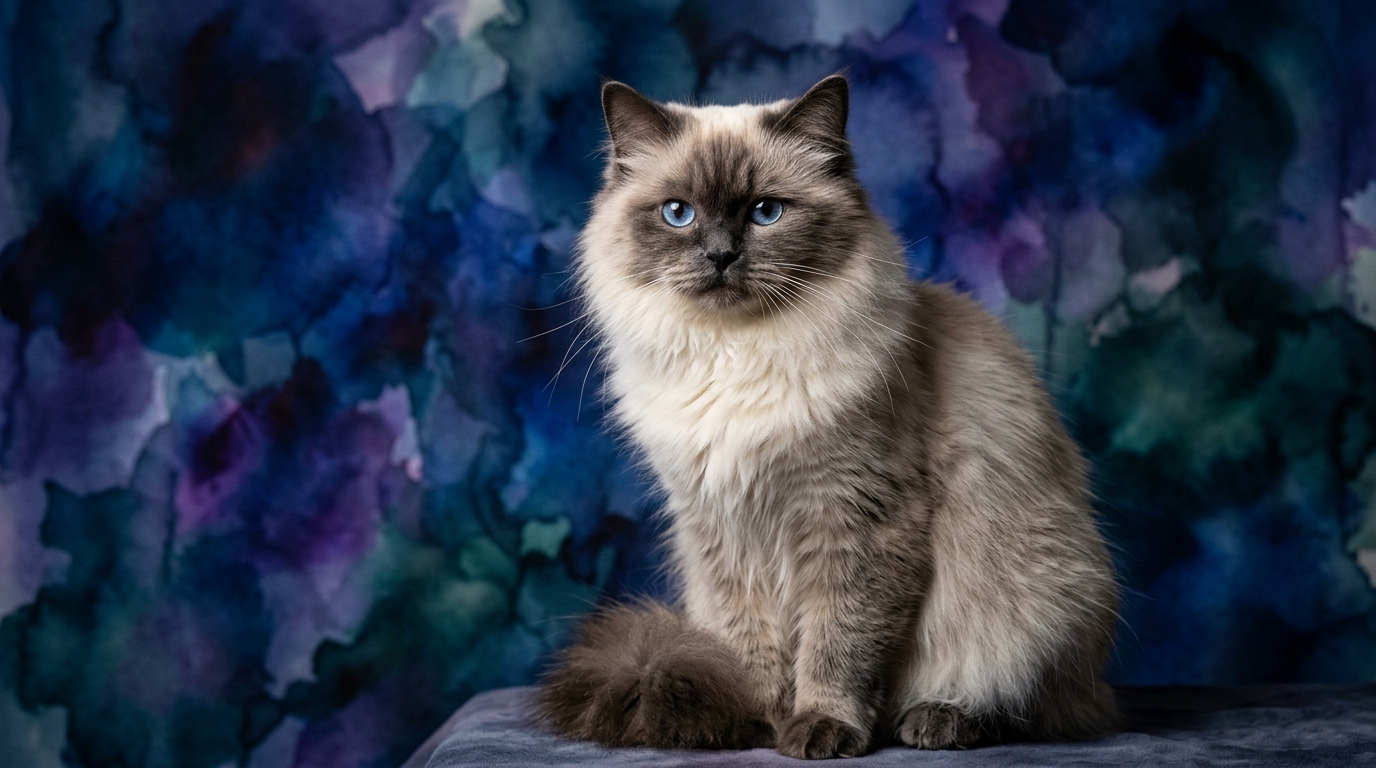
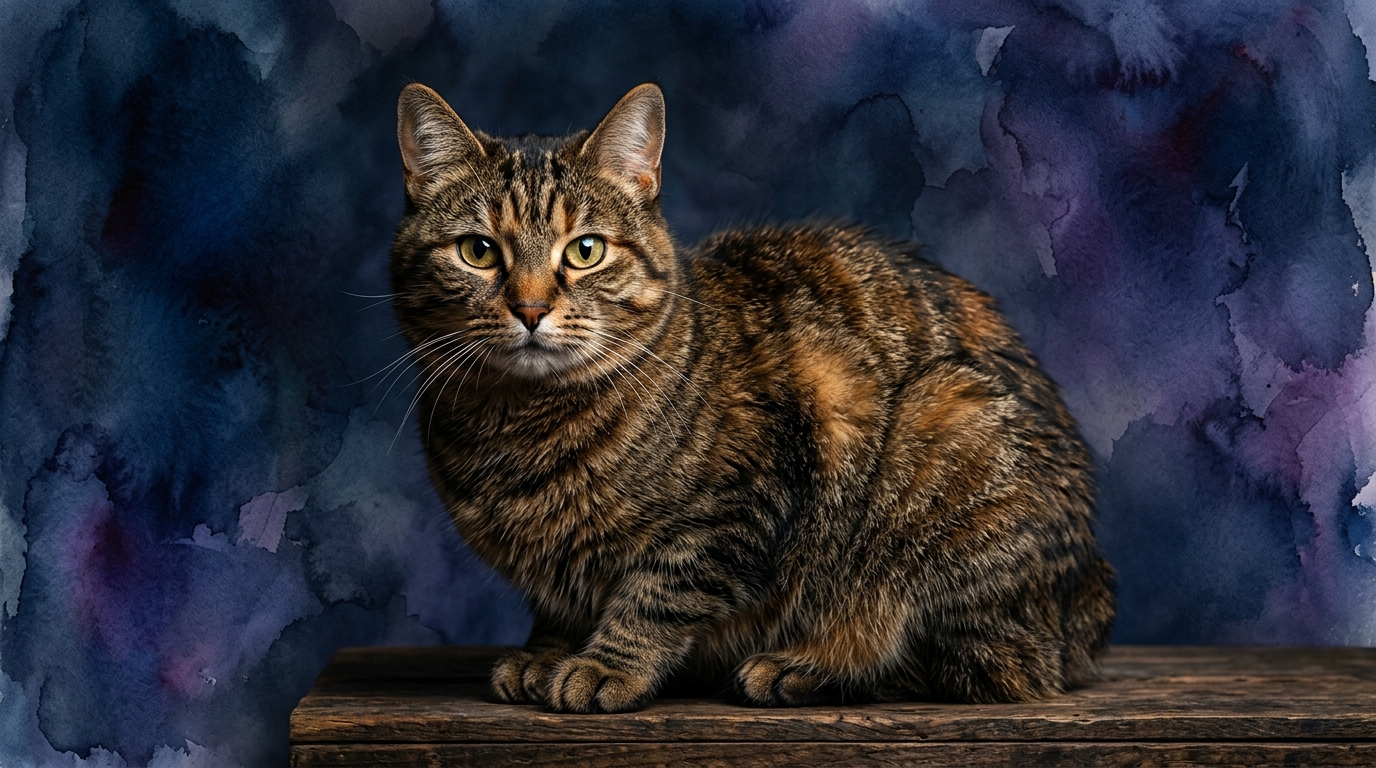
Side-by-Side Cognitive Profiles: Himalayan vs. Manx
At The Cosmic Pet Pet IQ Lab, both Himalayan and Manx cats register a consistent 3 out of 5 across all five measured cognitive dimensions, suggesting a balanced, moderate intellectual capacity for both breeds. This uniform scoring indicates that neither breed significantly outperforms the other in raw cognitive potential, yet their distinct personalities and physical traits lead to fascinating differences in how this intelligence is expressed. Understanding these nuances is key to appreciating their unique mental landscapes.
For the Himalayan, a cat renowned for its placid demeanor and luxurious coat, a 3/5 in Problem Solving often manifests as a cleverness geared towards comfort and routine. They might subtly communicate needs, such as a desire for a particular treat or a preferred napping spot, rather than engaging in complex manipulations. Their Training Speed at 3/5 suggests they are receptive to learning, especially when it involves positive reinforcement tied to comfort or affection, making them capable of mastering basic commands or litter box routines with patience. Social Intelligence at 3/5 means they are attuned to their human companions' moods, often seeking gentle interaction and providing quiet companionship, showing empathy through proximity rather than overt play. An Instinctive Drive of 3/5 implies a moderate interest in typical feline behaviors like hunting or exploring, but often satisfied within a comfortable home environment. Finally, their Memory at 3/5 allows them to recall routines, favorite people, and pleasant experiences with reliability, contributing to their consistent and predictable nature.
The Manx, famous for its taillessness and playful, dog-like personality, also scores 3/5 across the board, but their application of these cognitive traits is distinctly different. Their Problem Solving at 3/5 often involves more active, hands-on approaches; a Manx might figure out how to open a cabinet to investigate a sound or bat at an object to get it into reach, driven by innate curiosity. A 3/5 in Training Speed means they learn at a moderate pace, but their high energy and playful nature can make training sessions more engaging, as they often enjoy the interaction itself, responding well to clicker training or reward-based methods. Social Intelligence at 3/5 for a Manx often translates into a keen interest in their human family's activities, frequently following them from room to room, participating in games, and showing affection through direct engagement. Their Instinctive Drive, also 3/5, is often expressed through vigorous play, mock hunting, and a strong exploratory urge, reflecting their historical role as effective mousers. A Memory score of 3/5 ensures they remember routines, the location of favored toys, and past interactions, contributing to their consistent and responsive behavior within the household.
Where the Himalayan's Cognition Shines
While sharing identical IQ scores, the Himalayan often demonstrates a particular cognitive finesse in areas related to emotional attunement and subtle communication. Their 3/5 Social Intelligence, combined with their calm temperament, allows them to be exceptionally perceptive companions. A Himalayan might not overtly demand attention, but they are adept at sensing when their owner is distressed or needs comfort, often responding by quietly settling nearby or offering a gentle head-nuzzle. This isn't a complex problem-solving feat, but rather a sophisticated application of social cognition, where their understanding of human emotional states leads to a comforting presence. They excel at establishing predictable routines, leveraging their 3/5 Memory to anticipate daily events like meal times or cuddle sessions, creating a harmonious and reassuring home environment through their consistent presence.
Furthermore, their Problem Solving at 3/5 often manifests in a quiet determination to achieve comfort or maintain their desired environment. A Himalayan might not be seen opening doors, but they are remarkably good at finding the warmest sunbeam, the softest blanket, or the most secluded spot for a nap, subtly communicating their preferences through consistent behavior. Their lower energy level means their cognitive efforts are often directed internally or towards maintaining their personal well-being, rather than external exploration. This means their moderate problem-solving capacity is often applied to optimizing their comfort and interaction within their established territory, making them masters of subtle environmental manipulation for their own contentment.
Where the Manx's Cognition Excels
The Manx, with its vibrant and active personality, leverages its 3/5 cognitive scores in a manner that often appears more outwardly demonstrative and interactive. Their Problem Solving at 3/5 frequently involves physical engagement with their environment. A Manx might persistently attempt to open a cupboard where treats are stored, or ingeniously bat a toy from under furniture, displaying a hands-on approach to overcoming obstacles. This practical application of their problem-solving skills, often fueled by their curiosity and playful nature, can make them seem particularly resourceful in navigating their surroundings and interacting with objects. Their moderate Instinctive Drive also means they're more prone to exploring new spaces or investigating intriguing sounds, using their cognitive abilities to map out their territory and satisfy their innate inquisitiveness.
In terms of Social Intelligence, the Manx's 3/5 rating often translates into a more participatory and 'dog-like' engagement with their human family. They are known for following their owners around the house, responding to their names, and even playing fetch, indicating a strong desire to be involved in household activities. This isn't just a matter of training; it's a cognitive choice to actively interact and bond, remembering specific games and interaction patterns thanks to their 3/5 Memory. Their moderate Training Speed is enhanced by their enthusiasm for play and interaction, making them eager participants in learning new tricks or responding to commands, especially when the training is structured as an engaging game. Their cognitive strengths lie in their active engagement with both their environment and their social group, often seeking out mental stimulation through interaction.
Training Dynamics: Himalayan vs. Manx
When it comes to training, both Himalayans and Manx cats score 3/5 in Training Speed, indicating they learn at a moderate pace. However, the *approach* to training and the *types* of behaviors they excel at can differ significantly due to their underlying temperaments and drives. The Himalayan, with its more placid and affectionate nature, responds best to training that is calm, consistent, and reward-based, often valuing praise and gentle petting as much as treats. They are more likely to learn routines, respond to calls for cuddling, or accept grooming with patience. Their moderate problem-solving skills might be applied to understanding simple sequences, like 'sit for a treat,' but they are less likely to initiate complex 'trick' learning for the sheer mental challenge. Training a Himalayan often feels like guiding a willing, but not overly enthusiastic, participant towards desired behaviors, with success hinging on establishing trust and a comfortable routine.
The Manx, on the other hand, possesses a lively curiosity and a more pronounced playful drive, making them often more enthusiastic participants in interactive training. While their Training Speed is also 3/5, their higher energy and social engagement can make them quicker to pick up tricks like fetch, leash training, or even opening simple puzzle toys. They thrive on mental stimulation and enjoy the process of learning as a form of play and interaction. Their moderate instinctive drive means they are often more motivated by chasing, pouncing, and exploring, which can be channeled into positive training outcomes. Training a Manx often involves more dynamic sessions, utilizing clickers, enticing toys, and a variety of rewards to keep their attention and leverage their natural eagerness to engage and explore. While both breeds can be trained, the Manx often presents a more 'dog-like' willingness to participate in active learning, making them a potentially more rewarding choice for owners who enjoy interactive training sessions.
Matching Cats to Lifestyles: Active vs. Relaxed Owners
The distinct temperamental and cognitive expressions of Himalayans and Manx cats make them suitable for different owner lifestyles, despite their similar IQ scores. For the more relaxed owner seeking a tranquil and devoted companion, the Himalayan is an ideal match. Their moderate instinctive drive and preference for comfort mean they are generally content with a calm indoor environment, enjoying long naps and gentle interactions. Their 3/5 social intelligence allows them to form deep, quiet bonds, providing a comforting presence without demanding constant attention or vigorous play. They appreciate routine and a predictable environment, making them perfect for those who enjoy quiet evenings at home and a cat that will gracefully share their space, offering subtle affection and a sense of calm.
Conversely, the Manx cat is better suited for active owners who enjoy engaging with their pets and can provide ample mental and physical stimulation. Their moderate instinctive drive, combined with a playful and curious nature, means they thrive on interactive play sessions, puzzle toys, and even supervised outdoor adventures on a leash. Their 3/5 social intelligence translates into a desire to be involved in household activities, often following owners from room to room and participating in games. Owners who appreciate a cat with a 'dog-like' personality, eager to explore and interact, will find the Manx a rewarding companion. They benefit from environments where their problem-solving skills can be challenged through play and where their moderate energy levels can be expended, preventing boredom and fostering their happy, inquisitive spirit.
The Verdict
Choose a Himalayan if you seek a serene, affectionate companion who thrives on routine and offers subtle, comforting emotional support in a peaceful home setting.
Opt for a Manx if you desire an active, playful, and highly interactive feline friend who enjoys engaging in games, exploring, and being an integral, curious part of your daily life.
🧠 Find Your Pet's IQ Score
Our Pet IQ Lab assessment covers 25+ tests across 5 cognitive dimensions — personalized to your breed.
Take the Full IQ Test →Frequently Asked Questions
Are Himalayans and Manx cats equally adaptable to new environments?
While both breeds score 3/5 in problem-solving and memory, their adaptability can differ in manifestation. Himalayans often prefer established routines and may take more time to adjust to significant changes, valuing comfort and predictability. Manx cats, with their curious and explorative nature, might approach a new environment with more immediate investigative zeal, though both will eventually settle with patience and positive reinforcement.
Which breed is better for households with children or other pets?
Both breeds can integrate well, but their interaction styles differ. Himalayans, with their 3/5 social intelligence, are generally tolerant and gentle, making them good companions for calm children or other quiet pets, preferring peaceful co-existence. Manx cats, due to their playful 3/5 instinctive drive and social nature, might be more inclined to actively engage in play with respectful children or other pets, potentially thriving in a more dynamic multi-pet household.
Do either of these breeds require specific types of mental enrichment?
Given their 3/5 scores across the board, both benefit from moderate mental enrichment. Himalayans appreciate comfortable, predictable routines, gentle interaction, and perhaps simple puzzle feeders. Manx cats, with their more active problem-solving and instinctive drive, often thrive on interactive play, more complex puzzle toys, and opportunities for exploration to keep their minds stimulated and prevent boredom.