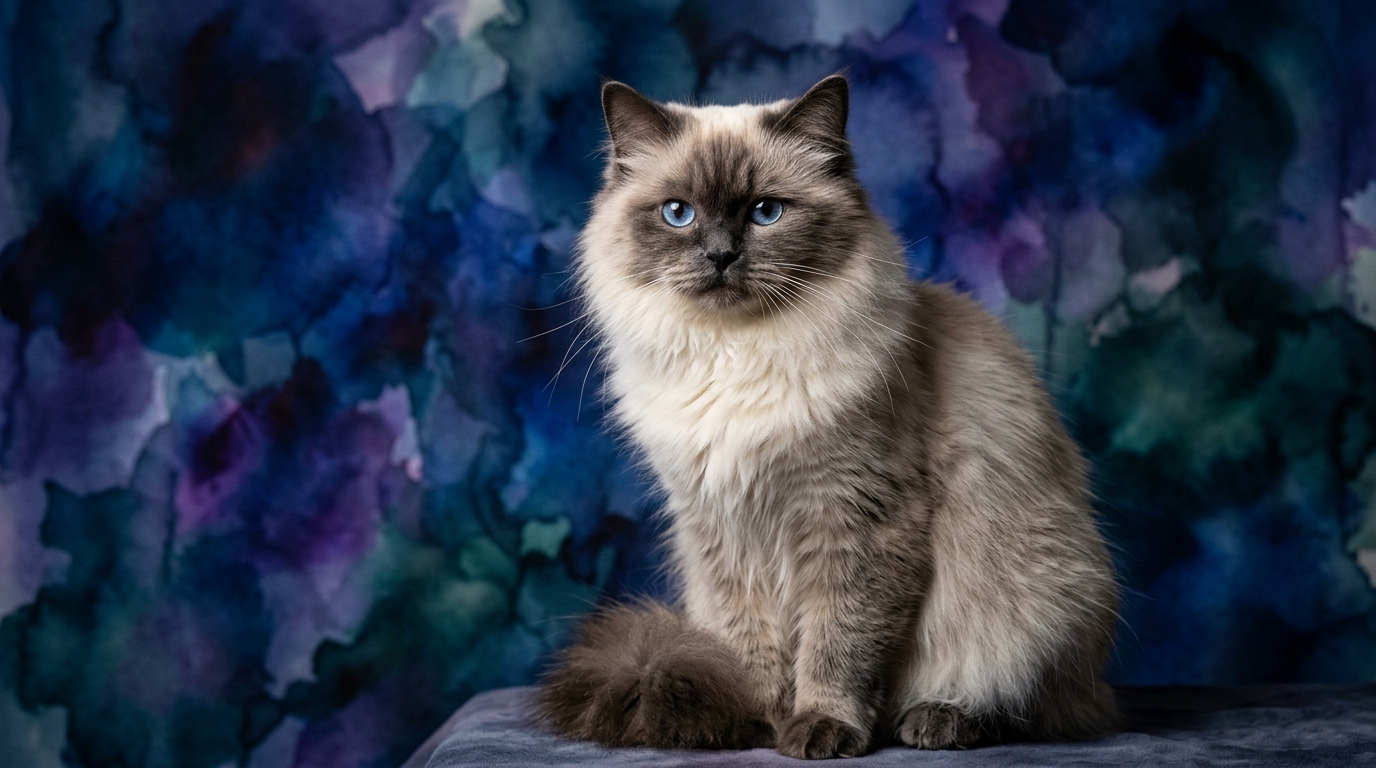
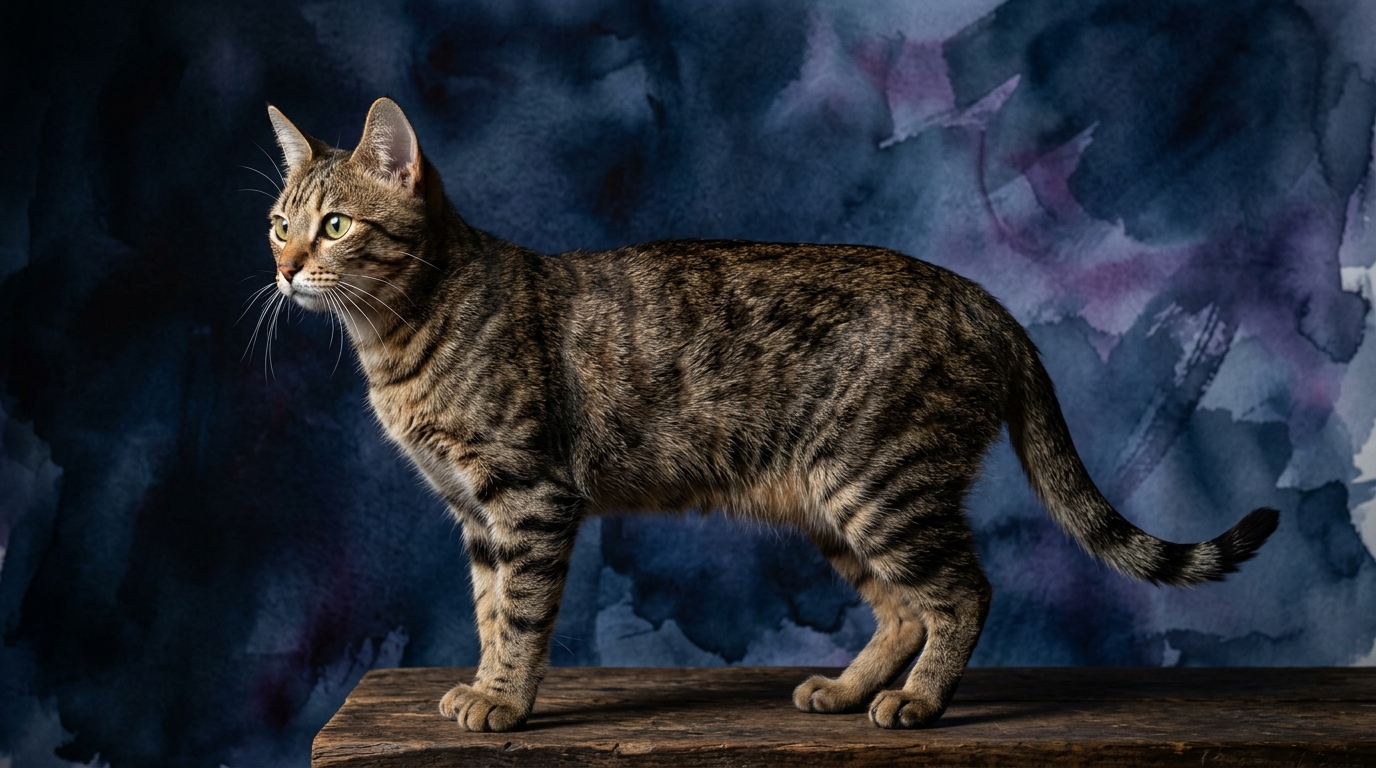
Side-by-Side Cognitive Profiles: Decoding the 3/5 Score
At first glance, the Himalayan and Sokoke cats present an intriguing cognitive paradox: both breeds register a consistent 3 out of 5 across all five dimensions of our Pet IQ Lab assessment. This shared numerical rating, however, belies a rich tapestry of behavioral differences, illustrating how underlying temperament and breed heritage can profoundly influence the expression of cognitive traits. It's not about which cat is 'smarter,' but rather how each breed applies its inherent intelligence to navigate and interact with its environment.
For Problem Solving (3/5), the Himalayan often demonstrates a more methodical, observational approach, content to analyze a situation from a comfortable distance before attempting a solution, perhaps focusing on understanding routines or subtle environmental cues. The Sokoke, conversely, typically engages with problems more directly and physically, employing energetic trial-and-error, driven by an innate curiosity to explore and manipulate their surroundings. Their problem-solving might involve figuring out how to open a cabinet or navigate a complex climbing structure.
In terms of Training Speed (3/5), the Himalayan responds well to gentle, consistent repetition and positive reinforcement, particularly for behaviors that lead to comfort or affection, such as coming when called for a cuddle or accepting grooming. Their learning curve is steady and reliable. The Sokoke, while also benefiting from positive reinforcement, often learns new tricks and commands with surprising alacrity, especially when the training incorporates play, movement, and mental challenge. Their quick grasp of complex sequences can be attributed to their active and inquisitive nature.
Social Intelligence (3/5) manifests distinctly in each breed. The Himalayan often forms deep, selective bonds, expressing affection through quiet presence and subtle gestures, keenly attuned to the emotional states of their chosen humans without demanding constant interaction. The Sokoke, known for its 'dog-like' loyalty, typically forms robust, often vocal bonds, actively seeking interaction and demonstrating a strong understanding of social dynamics within their household, often engaging in reciprocal play and communication.
The Instinctive Drive (3/5) score highlights different innate motivations. Himalayans generally exhibit a lower prey drive, preferring gentle play with toys that don't mimic intense hunting, and are typically content with an indoor, predictable existence. Their drives lean more towards comfort and companionship. Sokokes, originating from wilder environments, possess a more pronounced instinctive drive for exploration, climbing, and active 'hunting' play. They thrive on opportunities to stalk, pounce, and chase, requiring outlets for this robust natural inclination.
Finally, Memory (3/5) in Himalayans is often evident in their consistent adherence to routines, their clear recall of preferred resting spots, and their ability to remember the specific individuals who provide comfort and care. Sokokes, with their active and explorative lifestyles, tend to exhibit strong memory for complex play patterns, the locations of hidden treats or toys, and the layouts of their extended territories, easily recalling past interactions and learned behaviors.
Where the Himalayan's Cognition Shines Brightest
The Himalayan's cognitive strengths lie in their capacity for serene observation and their deep understanding of routines and subtle environmental cues. While not outwardly boisterous, their problem-solving often involves patient analysis rather than physical exertion. For instance, a Himalayan might consistently figure out the precise time their favorite human returns home, not through active watching, but by internalizing daily patterns and the associated sounds, demonstrating a sophisticated grasp of temporal relationships. Their social intelligence allows them to discern nuances in human moods, offering quiet comfort without needing explicit prompts, a testament to their gentle empathetic understanding.
Their memory serves them well in maintaining a predictable, comfortable life. A Himalayan will rarely forget where their preferred napping spot is, or the specific sequence of events leading up to mealtime, showcasing a cognitive reliability that contributes to their calm demeanor. Training, for them, isn't about rapid-fire tricks but about solidifying gentle interactions and household expectations, making them remarkably consistent companions once a routine is established. This quiet consistency is a hallmark of their unique cognitive profile.
Unpacking the Sokoke's Cognitive Edge
The Sokoke's cognitive prowess is most evident in their dynamic engagement with the world and their remarkable adaptability. Their problem-solving often involves a hands-on, investigative approach; a Sokoke might systematically test different methods to open a door or retrieve a toy from a challenging spot, driven by an insatiable curiosity. This active engagement means they often learn through direct experience and experimentation, quickly adjusting their strategies based on outcomes.
Their training speed is particularly impressive for complex, multi-step behaviors. A Sokoke might quickly master an agility course or a series of interactive tricks, not just because they are physically capable, but because their cognitive processing allows them to link actions and rewards rapidly. Their strong social intelligence means they are highly attuned to human interaction, often initiating play or communication, and remembering specific cues and responses from their owners. This makes them highly interactive and responsive, often mimicking behaviors they observe, showcasing a form of observational learning that distinguishes their cognitive style.
Training Aptitude: Patience vs. Play
When it comes to training, both breeds score 3/5, but their ideal methodologies and expected outcomes diverge significantly due to their inherent temperaments. Training a Himalayan often requires a calm, consistent, and patient approach. They respond best to gentle encouragement and positive reinforcement, especially when rewards involve comfort, affection, or a quiet treat. Their learning is often steady and reliable for routine-based behaviors, such as accepting grooming, using a specific litter box, or understanding household boundaries. Behavioral differences mean they are less likely to engage in destructive exploration out of boredom, making training focused on reinforcing their naturally placid nature.
The Sokoke, on the other hand, thrives on engaging, interactive training sessions that leverage their high energy and curiosity. They learn quickly when training is framed as a game, involving puzzle toys, chase, or agility. Positive reinforcement, especially with high-value treats or their favorite interactive toy, yields excellent results for teaching complex tricks, leash walking, or even specific commands. Their active nature means that without sufficient mental and physical engagement through training, they might channel their cognitive energy into less desirable behaviors like excessive climbing or investigating forbidden areas, making engaging training crucial for a well-adjusted Sokoke.
Matching Temperament with Lifestyle: Active Explorers vs. Serene Companions
Choosing between a Himalayan and a Sokoke involves more than just their cognitive scores; it requires aligning their inherent temperaments with an owner's lifestyle. For active owners who relish daily interaction and providing ample mental and physical challenges, the Sokoke is an ideal match. They thrive in environments where they can explore, climb, and engage in vigorous play. Their robust instinctive drive means they benefit greatly from puzzle toys, cat trees, and secure outdoor access, demanding an owner who is willing to actively participate in their cognitive and physical enrichment. An owner who understands their need for dynamic interaction will find the Sokoke an endlessly engaging and loyal companion.
Conversely, the Himalayan is perfectly suited for relaxed owners who appreciate a tranquil, observant companion. These cats thrive in quieter households with predictable routines, where gentle affection and a comfortable environment are prioritized. While they still benefit from mental stimulation, it's typically in the form of gentle play, quiet observation, or interactive toys that don't require high-energy bursts. An owner seeking a calm presence, a cat content to supervise from a favorite lap or perch, and one who communicates through subtle cues will find the Himalayan a profoundly rewarding and serene companion, leveraging their quiet cognitive strengths for a harmonious home life.
The Verdict
For those seeking a tranquil, observant companion who thrives on routine and gentle affection, the Himalayan's quiet cognitive strengths offer profound connection and a serene household presence.
Opt for the Sokoke if you desire an energetic, interactive feline partner eager for play, exploration, and dynamic engagement, leveraging their robust cognitive curiosity and 'dog-like' loyalty.
🧠 Find Your Pet's IQ Score
Our Pet IQ Lab assessment covers 25+ tests across 5 cognitive dimensions — personalized to your breed.
Take the Full IQ Test →Frequently Asked Questions
Do Himalayans need mental stimulation?
Yes, while calmer, Himalayans benefit from gentle play and puzzle toys that encourage thoughtful interaction rather than intense physical activity, helping to keep their minds engaged and prevent boredom.
Are Sokokes good for first-time cat owners?
Sokokes can be a wonderful choice for first-time owners who are prepared for an active, engaging companion. Their 'dog-like' loyalty and clear communication make them responsive, but they do require consistent mental and physical outlets to thrive.
How do I know if my cat is 'smart'?
A cat's intelligence manifests in various ways, from solving puzzles and understanding commands to displaying complex social interactions and remembering routines. Observing their adaptability, curiosity, and communication patterns offers insight into their unique cognitive abilities, regardless of breed.