Side-by-Side Cognitive Profiles: Bengal vs. Sokoke
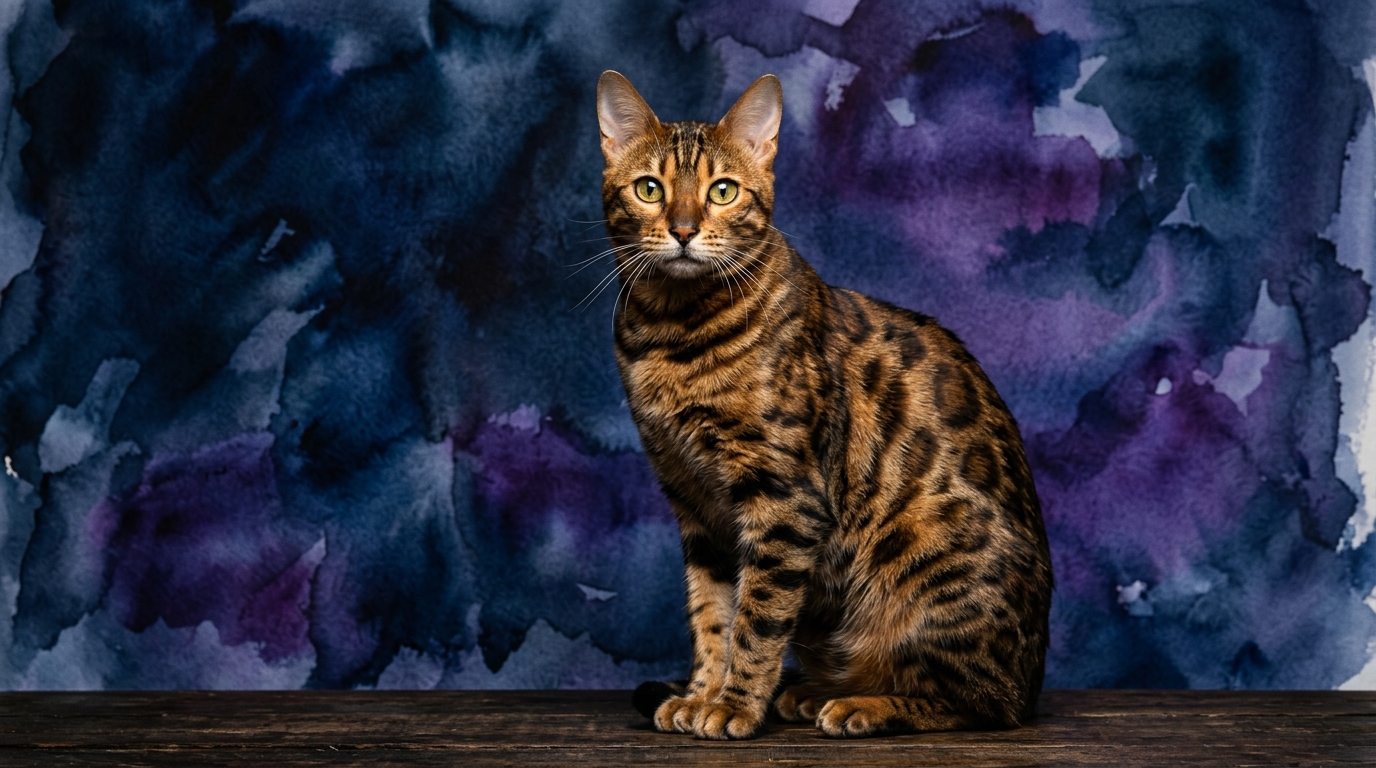
The Cosmic Pet Pet IQ Lab provides a granular look at feline intelligence across five key dimensions, painting a clear picture of each breed's inherent capabilities. For the Bengal, a breed known for its vivacious spirit and wild ancestry, its cognitive profile is exceptionally robust. Problem Solving is rated a perfect 5/5, indicating an exceptional capacity to navigate complex challenges, figure out mechanisms, and devise strategies to achieve goals. Their Training Speed stands at 4/5, suggesting a quick grasp of new commands and routines, while Social Intelligence, also 4/5, points to a strong ability to interpret human cues and interact effectively within a social structure. Instinctive Drive is a commanding 5/5, reflecting deeply ingrained natural behaviors and a potent drive to hunt, explore, and engage with their environment. Rounding out their profile, Memory is a solid 5/5, meaning Bengals retain learned information and experiences with remarkable fidelity.
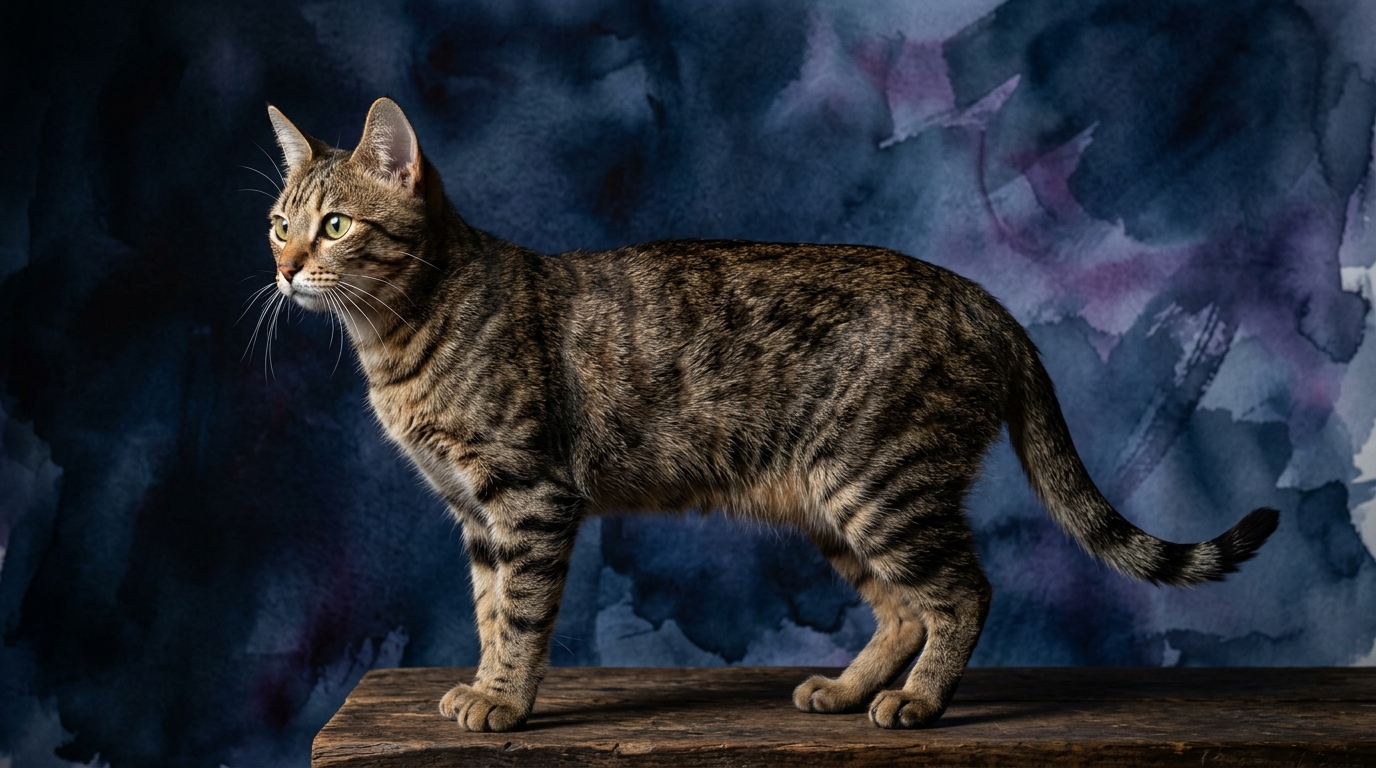
In contrast, the Sokoke, an elegant and naturally occurring breed from Kenya, presents a more balanced and moderate cognitive profile across all metrics. Their Problem Solving ability is rated 3/5, indicating they are capable of solving puzzles but might take more time or rely on simpler approaches compared to their Bengal counterparts. Training Speed for the Sokoke is 3/5, suggesting they can learn, but perhaps at a more measured pace, requiring consistent reinforcement. Social Intelligence also sits at 3/5, meaning they are generally receptive to interaction but might not possess the same nuanced understanding of human signals or complex social dynamics as the Bengal. Instinctive Drive is 3/5, signifying a healthy level of natural cat behaviors without the intense, often demanding, expression seen in breeds with higher scores. Lastly, their Memory is 3/5, indicating adequate recall of important information and experiences, though perhaps not with the same depth or longevity as a Bengal.
Where the Bengal Excels Cognitively
The Bengal’s cognitive prowess shines brightest in areas demanding intricate thought and sustained engagement. Their 5/5 Problem Solving means they are adept at tasks requiring logical deduction and manipulation, such as opening cabinets with child-proof locks, figuring out how to access treats stored in complex puzzle feeders, or even learning to operate simple household mechanisms like light switches. Owners frequently observe Bengals actively experimenting with their environment, testing boundaries, and remembering which actions yield desired outcomes.
Furthermore, the Bengal’s 5/5 Memory combined with their strong Instinctive Drive (5/5) allows them to master and retain elaborate sequences of behaviors related to their natural inclinations. They might remember the exact hiding spots of toys from weeks ago, recall intricate routes through a multi-level home, or consistently repeat successful hunting strategies. This superior recall means that once a Bengal learns a trick or a house rule, it is likely to stick, provided the motivation remains. Their heightened Social Intelligence (4/5) also means they are more likely to pick up on subtle changes in an owner's routine or mood, adapting their behavior accordingly and forming deeply interactive bonds.
Where the Sokoke's Cognitive Profile Finds its Niche
While the Sokoke's cognitive scores are more moderate, this doesn't imply a lack of mental capacity; rather, it points to a different cognitive style that offers distinct advantages for specific living situations. A Problem Solving score of 3/5 suggests that Sokokes are capable of navigating their world effectively without necessarily seeking out complex mental challenges. They might be less inclined to systematically dismantle household items or devise elaborate schemes to access restricted areas, which can be a relief for owners seeking a less 'ingenious' companion.
The Sokoke's balanced Instinctive Drive (3/5) means they possess natural feline behaviors—hunting, exploring, playing—but these drives are typically expressed in a more measured and manageable way. This often translates to a cat that is content with simpler forms of enrichment and less prone to exhibiting overly persistent or destructive behaviors driven by an unfulfilled intense instinct. Their 3/5 Social Intelligence also suggests a cat that is affectionate and enjoys companionship but might not demand constant, intricate interaction, offering a more relaxed social dynamic in the home.
Ease of Training: Bengal vs. Sokoke
When it comes to training, the Bengal (Training Speed 4/5, Memory 5/5) generally presents as a more eager and quicker learner. Their high Problem Solving ability often translates into an understanding of cause and effect during training sessions, allowing them to connect actions with rewards efficiently. They are often receptive to clicker training, leash training, and even learning complex sequences of tricks or agility courses, retaining these lessons over long periods. Owners frequently report Bengals readily learning to fetch, walk on a leash, or perform specific commands, largely due to their keen observational skills and excellent memory.
The Sokoke (Training Speed 3/5, Memory 3/5), while certainly trainable, may require a more patient and consistent approach. They will grasp commands and routines, but the learning curve might be gentler, and more repetitions may be needed for a behavior to become ingrained. Their moderate Instinctive Drive means they might not be as intensely motivated by 'work' or puzzle-solving as a Bengal, instead responding well to positive reinforcement that feels like play or simple bonding. Owners might find success with basic commands and litter training, but more advanced tricks could take longer to teach and may require more frequent refreshers to maintain.
Ideal Owners: Active vs. Relaxed Lifestyles
The Bengal, with its 5/5 Instinctive Drive and 5/5 Problem Solving, thrives in an environment that provides constant mental and physical stimulation. They are an excellent match for active owners who enjoy engaging in interactive play, providing puzzle toys, teaching tricks, or even taking their cat on supervised outdoor adventures. Owners who appreciate a cat that actively seeks out interaction and requires an outlet for its considerable energy and curiosity will find a rewarding companion in a Bengal. They benefit greatly from consistent enrichment and can become bored or destructive if their cognitive and physical needs are not met.
Conversely, the Sokoke, with its more moderate scores across the board (all 3/5), is often a better fit for owners seeking a companion with a balanced energy level and a less demanding cognitive presence. While they still enjoy play and interaction, their needs are typically less intense. They can adapt well to households that offer a comfortable, stable environment with regular, but not necessarily constant, engagement. Owners who appreciate a calm yet affectionate presence, and who might not have the time or inclination for highly structured play or advanced training, will find the Sokoke a delightful and manageable companion.
The Verdict
Choose a Bengal if you are an active, engaged owner seeking a highly interactive, mentally agile cat that thrives on complex challenges and consistent stimulation.
Choose a Sokoke if you prefer a balanced, affectionate feline companion with moderate energy levels and a less demanding cognitive profile, fitting well into a relaxed home environment.
🧠 Find Your Pet's IQ Score
Our Pet IQ Lab assessment covers 25+ tests across 5 cognitive dimensions — personalized to your breed.
Take the Full IQ Test →Frequently Asked Questions
Are Bengals good family pets?
Bengals, with their 4/5 Social Intelligence, can be excellent family pets, forming strong bonds and enjoying interaction. However, their high energy and problem-solving skills mean they require consistent engagement and mental stimulation to prevent boredom, which families should be prepared to provide.
Do Sokokes get along with other pets?
Sokokes, with their 3/5 Social Intelligence, typically adapt well to living with other pets, especially if introduced properly. Their moderate instinctive drive often means they are not overly dominant or aggressive, preferring a harmonious coexistence rather than constant competition.
How much exercise does a Bengal cat need?
A Bengal cat, scoring 5/5 in Instinctive Drive, requires significant daily exercise and mental enrichment to thrive. This can include structured play sessions, puzzle feeders, agility training, and opportunities for exploration, often more than what many cat owners anticipate.