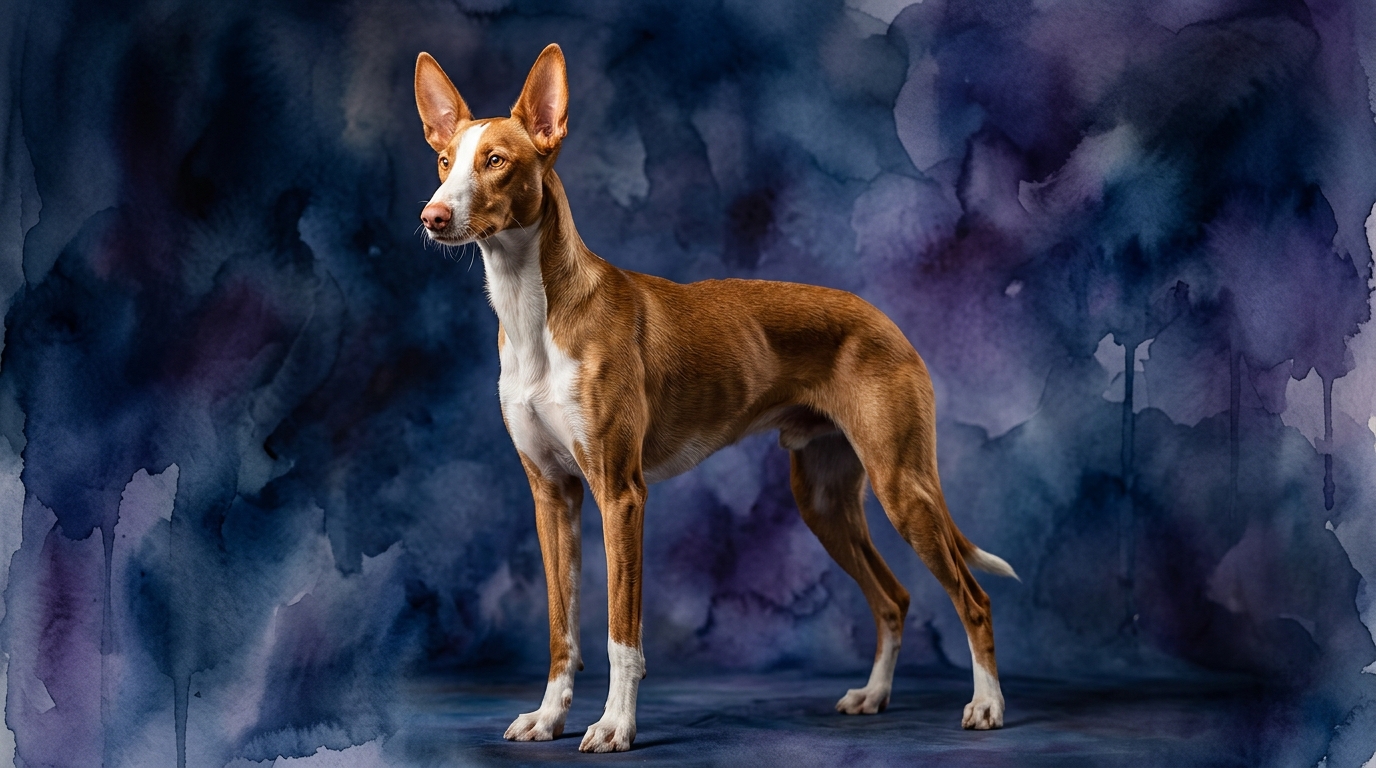
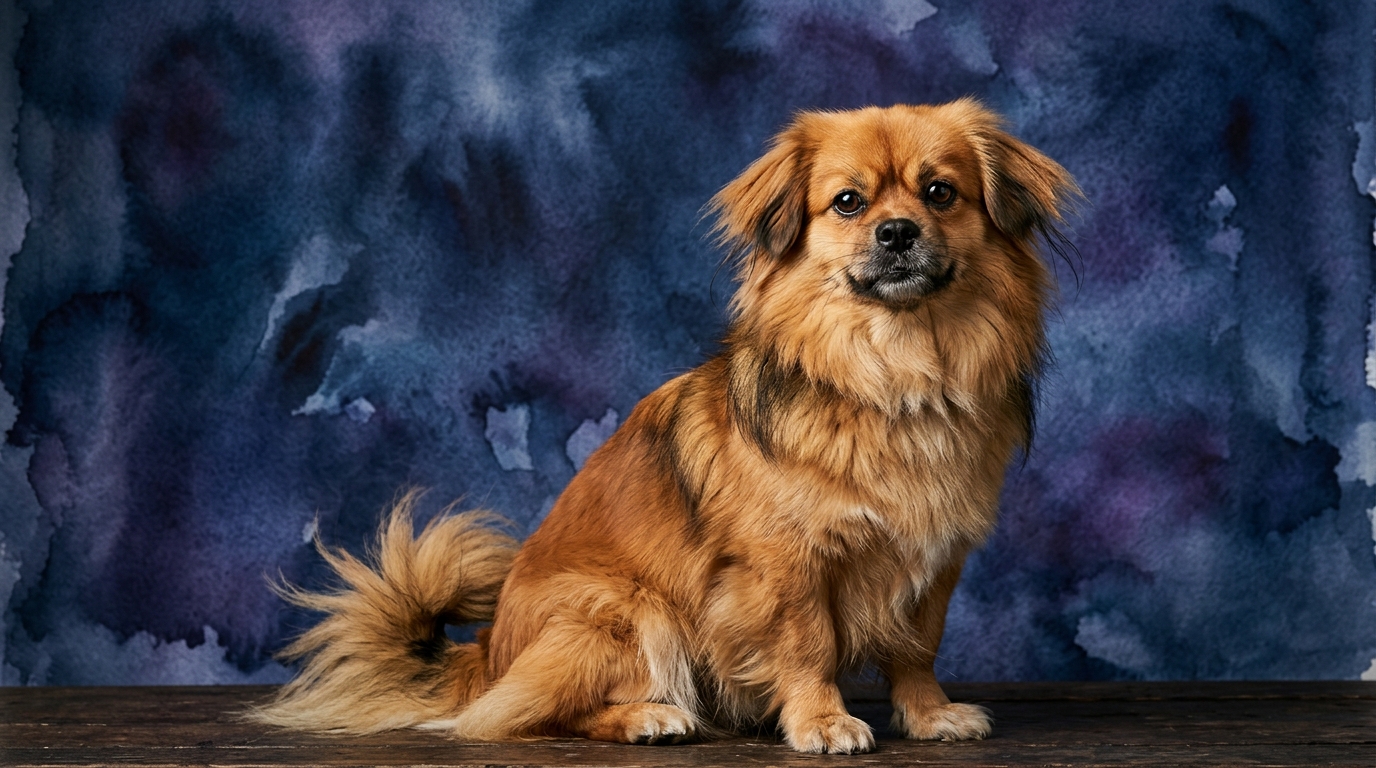
Side-by-Side IQ Profile: Ibizan Hound vs. Tibetan Spaniel
The Cosmic Pet Pet IQ Lab evaluates canine intelligence across five critical dimensions, and both the Ibizan Hound and Tibetan Spaniel register a balanced 3 out of 5 in each category. For the Ibizan Hound, a '3/5' in Problem Solving indicates an ability to independently navigate complex situations, often in pursuit of a goal like prey, requiring quick decision-making rather than intricate planning. Training Speed at 3/5 means they grasp new commands at a moderate pace, but their inherent independence as sighthounds can sometimes lead to selective obedience. Their Social Intelligence, also 3/5, suggests they form strong bonds with their chosen pack (family) and understand social cues, but might not be overly demonstrative or universally gregarious. An Instinctive Drive of 3/5 reflects their strong natural urges, particularly the chase instinct, which is a powerful motivator. Finally, Memory at 3/5 points to a solid capacity for recalling learned behaviors, routes, and experiences, crucial for successful hunting forays.
In contrast, the Tibetan Spaniel’s identical '3/5' scores manifest differently due to their companion heritage. Their Problem Solving at 3/5 is often applied to domestic challenges, such as figuring out how to get attention or circumvent household rules, rather than outdoor pursuits. Training Speed at 3/5 indicates they learn with reasonable effort, but their independent 'big dog in a small body' personality can introduce moments of delightful stubbornness. Social Intelligence at 3/5 means they are highly attuned to their human family's moods and dynamics, often acting as sensitive and perceptive companions, though they might be reserved with strangers. Their Instinctive Drive, also 3/5, translates into a strong watchdog tendency, an urge to perch and observe, and a desire for close companionship. Memory at 3/5 allows them to remember routines, favorite people, and specific household rules (and how to occasionally bend them).
Where the Ibizan Hound Wins Cognitively
While both breeds share a 3/5 in problem-solving and instinctive drive, the Ibizan Hound's cognitive strengths truly shine in environments that leverage their sighthound heritage. Their Problem Solving is acutely tuned for dynamic, high-speed scenarios, requiring instant assessment of moving targets and terrain. This isn't about solving a puzzle box, but about making split-second decisions to outmaneuver a rabbit or navigate a challenging landscape during a chase. This ability to react and adapt under pressure, rather than methodical contemplation, is a distinct cognitive advantage. Similarly, their Instinctive Drive, while rated 3/5, is a powerful, focused engine for pursuit. This drive is not merely an urge, but an integrated cognitive process that allows them to maintain focus on a distant moving object, calculate trajectories, and execute complex physical maneuvers, all driven by an ancient, ingrained purpose. Their Memory also excels in recalling vast outdoor spaces, specific hunting routes, or the location of interesting scents, demonstrating a spatial and procedural memory optimized for their original working role.
Where the Tibetan Spaniel Wins Cognitively
The Tibetan Spaniel, despite matching scores, possesses cognitive aptitudes that excel within a domestic sphere, rooted in their role as cherished companions and temple guardians. Their Social Intelligence, at 3/5, is particularly refined for interpreting human non-verbal cues and emotional states, making them highly empathetic and responsive family members. This allows them to 'read the room' and adapt their behavior, whether offering comfort or seeking play, showcasing a nuanced understanding of social dynamics within a household. Their Problem Solving, also 3/5, frequently manifests as cleverness in household situations, such as figuring out how to gain access to a favorite lap, manipulate a treat dispenser, or alert their family to perceived intruders with strategic barking. This is a practical, social form of problem-solving. Furthermore, their Memory, at 3/5, is often exceptional for recalling specific human routines, preferred sleeping spots, and the individual quirks of each family member, contributing to their seamless integration into family life. Their instinctive drive, while different from a sighthound's, makes them particularly vigilant watchdogs, acutely aware of changes in their environment.
Which is Easier to Train and Why
When considering ease of training, both the Ibizan Hound and the Tibetan Spaniel present unique challenges and rewards, despite their identical 3/5 Training Speed. The Ibizan Hound learns commands quickly, but their sighthound independence means they often weigh the value of compliance against their own impulses, particularly the powerful chase drive. Training an Ibizan requires consistent, engaging positive reinforcement and a deep understanding that their problem-solving and instinctive drive are often directed outwards, towards the environment, rather than solely at human instruction. Distractions, especially moving objects, can override learned behaviors instantly.
The Tibetan Spaniel, while equally capable of learning, brings a different flavor to the training experience. Their 'big dog in a small body' demeanor means they possess a confident, sometimes opinionated streak. They are attentive to their people due to their social intelligence, but can also use this awareness to their advantage, testing boundaries or feigning ignorance if a task isn't sufficiently motivating. Training a Tibetan Spaniel benefits from patience, humor, and a firm but gentle hand, focusing on making training a fun, rewarding interaction rather than a rigid demand. Neither breed is inherently 'easier'; success hinges on tailoring training methods to their specific motivations and inherent behavioral patterns.
Which Suits Active Owners vs. Relaxed Owners
The lifestyle compatibility between these two breeds diverges significantly, despite their shared cognitive scores. The Ibizan Hound is undeniably a match for active owners. Their strong instinctive drive and problem-solving skills are best channeled through rigorous physical activity, such as lure coursing, long runs, or even hiking in secure, fenced areas. They require substantial daily exercise to prevent boredom and destructive behaviors, thriving when their natural athleticism and keen senses are regularly engaged. A relaxed, sedentary owner would find it challenging to meet the Ibizan's inherent need for speed and exploration, potentially leading to an unhappy or restless dog.
Conversely, the Tibetan Spaniel is an excellent fit for more relaxed owners who still enjoy daily walks and playtime. While they are playful and enjoy activity, their exercise needs are considerably lower than those of a sighthound. Their social intelligence means they are content with ample human companionship, preferring to be near their family rather than embarking on extensive outdoor adventures. They are well-suited to apartment living, provided they receive regular mental stimulation and opportunities for walks to explore their neighborhood. Their primary need is close interaction and a comfortable spot from which to observe their domain.
The Verdict
Choose the Ibizan Hound if you are an active, outdoors-oriented owner seeking a graceful, independent canine partner for running, hiking, or sighthound sports, understanding their powerful chase instinct.
Choose the Tibetan Spaniel if you desire an affectionate, perceptive companion dog well-suited to a more relaxed home environment, valuing their social intelligence and watchful nature.
🧠 Find Your Pet's IQ Score
Our Pet IQ Lab assessment covers 25+ tests across 5 cognitive dimensions — personalized to your breed.
Take the Full IQ Test →Frequently Asked Questions
Are Ibizan Hounds good family dogs?
Ibizan Hounds can be wonderful family dogs, forming strong bonds with their immediate household members. However, their independent nature and high energy mean they thrive best with active families who understand their sighthound tendencies and provide consistent training and exercise. They may be reserved with strangers.
Do Tibetan Spaniels bark a lot?
Tibetan Spaniels have a distinct instinctive drive as watchdogs and will often bark to alert their owners to new sounds or visitors. While not excessively yappy, their vocalizations are a natural part of their role as alert companions, and early training can help manage this trait.
Can these breeds live in apartments?
The Tibetan Spaniel is generally well-suited to apartment living, provided they receive regular walks and mental stimulation, due to their moderate exercise needs and preference for indoor companionship. An Ibizan Hound *can* live in an apartment, but it requires an exceptionally dedicated owner committed to providing extensive daily physical exercise and secure off-leash running opportunities to satisfy their high energy and chase drive.