Side-by-Side Cognitive Profiles: Decoding the 3/5 Score
At first glance, the Cosmic Pet Pet IQ Lab data for both the Icelandic Sheepdog and the Basset Hound presents an intriguing uniformity, with each breed scoring 3/5 across all five cognitive dimensions: Problem Solving, Training Speed, Social Intelligence, Instinctive Drive, and Memory. This parity doesn't suggest identical mentalities, but rather that both breeds possess a moderate, functional level of cognitive ability, expressed through the lens of their distinct evolutionary purposes. The nuance lies in how these moderate scores translate into real-world behavior and learning styles.
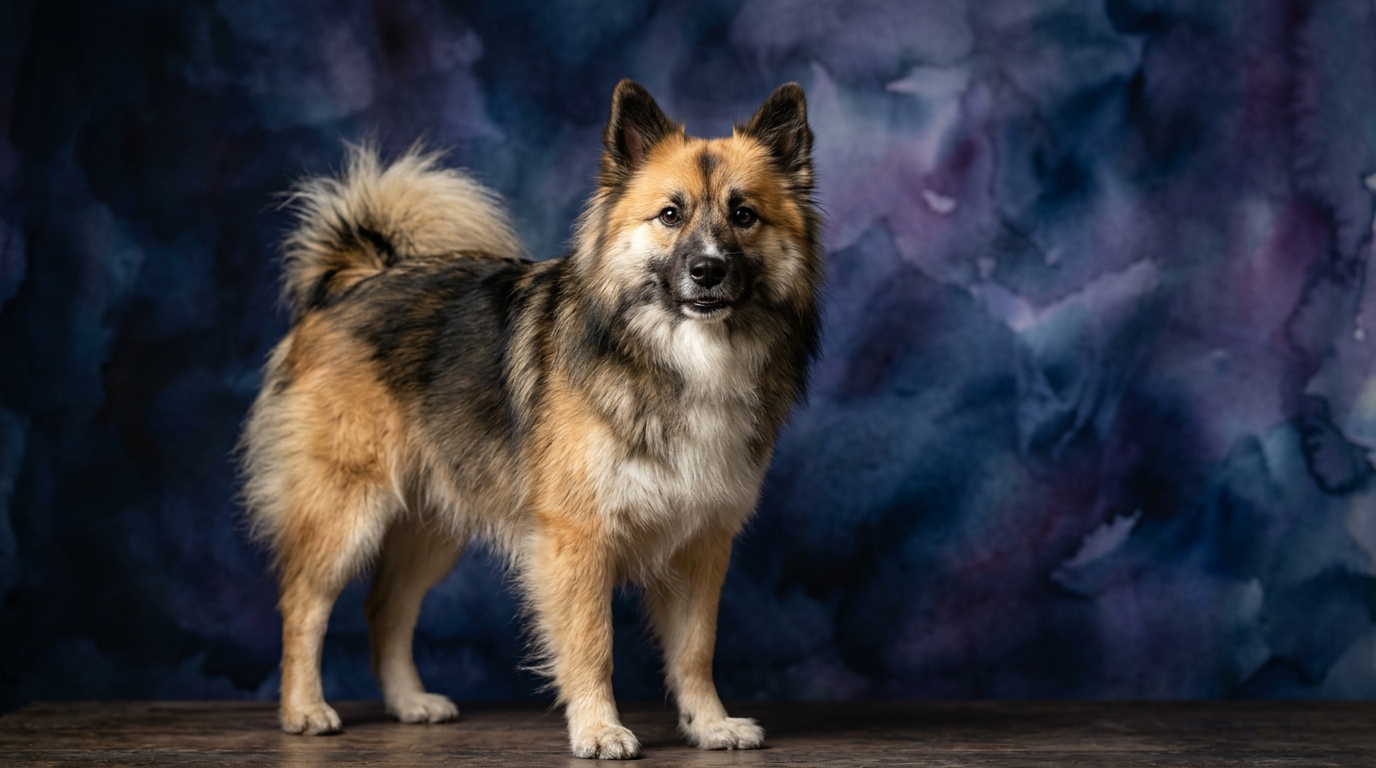
For the Icelandic Sheepdog, a 3/5 in Problem Solving often manifests in their historical role of navigating challenging terrain and making independent decisions to manage livestock, such as finding lost sheep or guiding a flock. Their Training Speed at 3/5 indicates they are capable learners, absorbing commands and routines at a reasonable pace, particularly when tasks align with their natural herding predispositions. A 3/5 in Social Intelligence reflects their strong bond with humans and ability to read cues, essential for cooperative work. Their Instinctive Drive, also 3/5, is clearly rooted in herding, expressed through patrolling, gathering, and vocalizing. Finally, a 3/5 in Memory enables them to recall complex routes, learned commands, and social interactions over time, crucial for their working life.
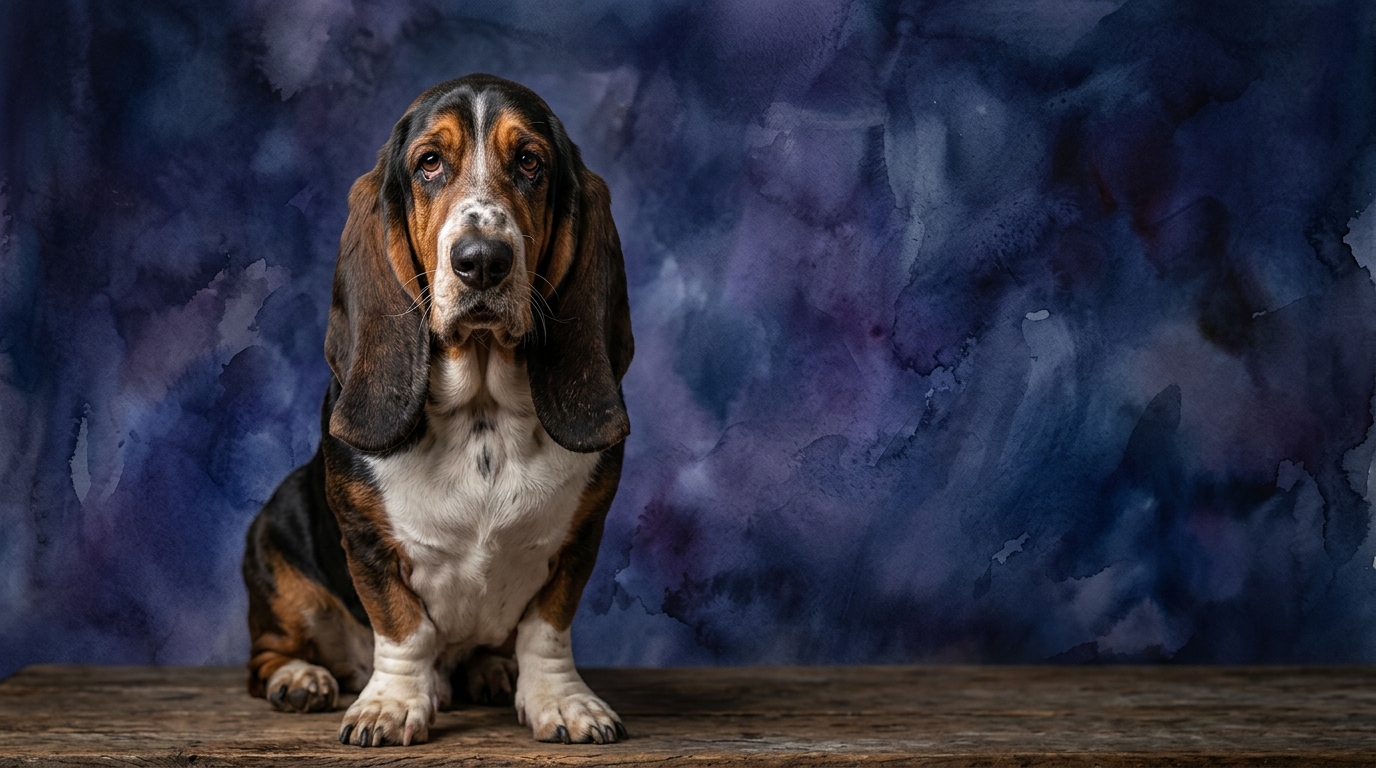
The Basset Hound, with its identical 3/5 scores, applies these cognitive capacities in profoundly different ways. Their Problem Solving at 3/5 is often directed towards unraveling complex scent puzzles, figuring out how to follow a trail despite obstacles, or perhaps ingeniously obtaining a desired treat. Training Speed at 3/5 means they can learn, but their independent nature and powerful olfactory distractions might make the process seem slower, requiring more patience and consistent motivation from their human companions. Social Intelligence at 3/5 shows in their affectionate, often charming demeanor, their ability to read family dynamics, and their subtle ways of soliciting attention or comfort. The Basset's 3/5 Instinctive Drive is overwhelmingly dedicated to scent work, compelling them to follow a captivating odor with single-minded determination. Their Memory, also 3/5, is particularly acute for remembering scent trails and locations of interest, rather than complex verbal command sequences.
Where the Icelandic Sheepdog Demonstrates Cognitive Strengths
While both breeds score identically, the Icelandic Sheepdog's cognitive strengths shine in areas demanding cooperative intelligence and environmental awareness. Their 3/5 Problem Solving, combined with a 3/5 Social Intelligence, makes them adept at understanding and responding to human direction in dynamic situations. For instance, an Icelandic Sheepdog might quickly assess a situation where a gate is open, and instinctively move to 'herd' the family's children or even the household cat away from potential danger, demonstrating a proactive application of their problem-solving skills in a protective, herding context. This isn't just following commands; it's anticipating needs and acting on them, a testament to their operational intelligence and engagement with their human 'flock'.
Their 3/5 Instinctive Drive is a finely tuned tool for managing movement and space, which translates into an eagerness to engage in structured activities and learn new skills that involve direction and control. This breed often thrives on agility courses or rally obedience, where their memory for sequences and their ability to quickly process and react to new commands are leveraged. Their vocalizations, a hallmark of the breed, are also a cognitive strength, used not just for barking but for communicating intent, warning, and expressing emotion, indicating a complex understanding of their environment and social group. They use their voice as an active component of their cognitive toolkit, signaling changes or expressing their 'opinion' about situations.
Where the Basset Hound Demonstrates Cognitive Strengths
The Basset Hound's cognitive strengths are profoundly rooted in their specialized sensory world, particularly their exceptional olfactory processing. Their 3/5 Problem Solving, though not applied to herding, is intensely focused on scent-related challenges. A Basset Hound might methodically work out how to navigate a complex backyard to pinpoint the source of an intriguing smell, demonstrating a relentless, analytical approach to sensory data. This isn't about speed, but about thoroughness and persistence in their primary cognitive domain. Their 3/5 Memory is particularly impressive when it comes to recalling specific scent trails, even those days old, allowing them to pick up where they left off or revisit a particularly interesting olfactory discovery.
Their 3/5 Instinctive Drive, overwhelmingly dedicated to tracking, also showcases a unique form of independent cognitive function. Once a Basset Hound's nose is engaged, their decision-making process becomes highly autonomous, prioritizing the pursuit of scent above almost all other stimuli. This single-minded focus, often perceived as 'stubbornness' by humans, is in fact a highly developed cognitive trait for their original purpose as scent hounds. Their social intelligence, while not geared towards cooperative work in the same way as a herding dog, allows them to form deep, affectionate bonds and employ charming, often subtle tactics to get what they want from their human companions, demonstrating a sophisticated understanding of social dynamics within their own terms.
Training Dynamics: Icelandic Sheepdog vs. Basset Hound Responsiveness
When it comes to training, the practical differences between a 3/5 Training Speed score for these two breeds become evident, heavily influenced by their instinctive drives and social intelligence. The Icelandic Sheepdog, with its history of working closely with humans, generally approaches training with an eager-to-please attitude and a cooperative spirit. Their 3/5 Social Intelligence means they are often attuned to their owner's moods and intentions, making them responsive to positive reinforcement and clear directives. They enjoy learning and excel when training incorporates elements of problem-solving or movement, such as agility or trick training, which taps into their innate desire for a 'job'. A herding breed's focus on handler cues often translates into a dog that enjoys the back-and-forth of training sessions, viewing them as a collaborative effort.
The Basset Hound, despite also scoring 3/5 in Training Speed, presents a different training landscape. Their powerful 3/5 Instinctive Drive for scent often overrides human commands, making consistent recall a significant challenge if an interesting smell is present. Their independent nature means they can be selective listeners; they are capable of learning, but often weigh the perceived value of a command against the allure of a scent trail or the comfort of a nap. Training a Basset requires immense patience, consistency, and a deep understanding of their motivations. While they are affectionate, their 3/5 Social Intelligence is not primarily geared towards eager cooperation in the same way a herding dog's might be; it's more about forming strong emotional bonds and navigating the human world on their own terms. Effective training for a Basset often involves making the training itself highly rewarding and engaging their nose in structured scent work rather than trying to suppress it entirely.
Lifestyle Match: Active Engagement vs. Relaxed Companionship
The cognitive profiles of these two breeds, even with similar numerical IQ scores, point to very different ideal lifestyles for their owners. The Icelandic Sheepdog, with its active 3/5 Problem Solving and Herding Instinctive Drive, thrives with owners who can provide consistent mental stimulation and physical activity. They require more than just a walk; they need purpose and engagement, whether that's through advanced obedience, dog sports, or even a 'job' around the house. Their social intelligence means they want to be involved in family activities and can become bored or restless if left without direction. Owners who enjoy hiking, training, or simply having a highly interactive companion will find the Icelandic Sheepdog a rewarding partner.
Conversely, the Basset Hound, while needing daily exercise to maintain health and satisfy their scent drive, is generally a more relaxed companion once their sniffing needs are met. Their 3/5 Instinctive Drive for scent means they need opportunities for focused sniffing walks, but they are typically not high-energy athletes in the same vein as a herding dog. Their 3/5 Social Intelligence expresses itself in a desire for comfortable companionship, often content to lounge near their family members. Owners who prefer a less demanding exercise routine, enjoy a charmingly independent temperament, and appreciate the unique pleasures of a scent-driven dog will find the Basset Hound a suitable match. They are ideal for those who value quiet companionship and are prepared for the occasional independent adventure spurred by a fascinating smell.
The Verdict
Choose the Icelandic Sheepdog if you seek an active, cooperative, and highly engaged companion eager to participate in training and family activities. They thrive with owners who can provide consistent mental challenges and physical outlets aligned with their herding instincts.
Opt for the Basset Hound if you appreciate an affectionate, independent, and scent-driven companion, prepared for a more laid-back training approach and focused daily sniffing excursions. They suit owners who value charming persistence and a generally relaxed household atmosphere.
🧠 Find Your Pet's IQ Score
Our Pet IQ Lab assessment covers 25+ tests across 5 cognitive dimensions — personalized to your breed.
Take the Full IQ Test →Frequently Asked Questions
Do Icelandic Sheepdogs bark a lot?
Yes, Icelandic Sheepdogs are known for their vocal nature, using barks, yips, and howls as a primary form of communication. This is a cognitive trait tied to their herding history, where vocalizations helped manage livestock and alert shepherds.
Are Basset Hounds difficult to train for recall?
Due to their powerful scent drive, Basset Hounds can be particularly challenging to train for reliable recall, especially when an interesting smell captures their attention. Consistent, positive reinforcement training from a young age is crucial, often requiring a long line for safety in unfenced areas.
Which breed is better with children?
Both breeds can be good with children, but their approaches differ. Icelandic Sheepdogs, with their strong social intelligence and herding instincts, might try to 'herd' children, which needs gentle redirection. Basset Hounds are generally patient and tolerant, often enjoying quiet companionship with kids.