Side-by-Side IQ Profile
Both the Icelandic Sheepdog and the Bullmastiff register a consistent 3/5 across our five cognitive dimensions, suggesting a moderate and capable intellect in each area. However, the practical manifestation of these scores is deeply rooted in their breed histories and intended roles, creating distinct cognitive profiles. We assess Problem Solving, Training Speed, Social Intelligence, Instinctive Drive, and Memory to understand their mental landscapes.
Problem Solving (3/5): Both breeds exhibit a moderate capacity for navigating novel situations and learning new tasks. For the Icelandic Sheepdog, this often manifests in their ability to adapt to changing flock dynamics or varied terrain, requiring quick, independent judgments in their herding role. The Bullmastiff applies this 3/5 score to discerning intentions, understanding household rules, and assessing potential threats, often requiring a calm, measured approach to problem resolution rather than rapid physical action.
Training Speed (3/5): A 3/5 in training speed indicates both breeds learn at a steady pace, requiring consistent, positive reinforcement methods. Icelandic Sheepdogs can pick up commands efficiently when motivated, often enjoying the engagement of learning new tricks or tasks. Bullmastiffs, while capable learners, may demonstrate a more independent streak, processing information deliberately and requiring patient repetition, particularly for complex cues.
Social Intelligence (3/5): This score reflects a good ability to read and respond to human cues, forming strong bonds within their family unit. Icelandic Sheepdogs are typically attuned to their owners' moods and intentions, often seeking interaction and participation in family activities. Bullmastiffs, while deeply devoted to their families, express their social intelligence through watchful loyalty, understanding the hierarchy and emotional states within their immediate circle, and often being discerning with strangers.
Instinctive Drive (3/5): A moderate instinctive drive means both breeds possess natural inclinations that, while present, are generally manageable. The Icelandic Sheepdog’s herding instinct manifests as a desire to gather and control, which can be channeled into appropriate activities like agility or supervised play. The Bullmastiff's guardian instinct is evident in their protective nature and vigilance, expressed as a calm, watchful presence rather than constant overt action, requiring early socialization to ensure appropriate responses.
Memory (3/5): Both breeds demonstrate a solid capacity to retain learned information and experiences. Icelandic Sheepdogs remember routines, commands, and familiar routes, which was crucial for their work navigating diverse landscapes and remembering flock patterns. Bullmastiffs similarly retain knowledge of their environment, people, and boundaries, which is essential for their role as a steadfast protector who can distinguish friends from potential intruders over time.
Where Icelandic Sheepdog Wins Cognitively
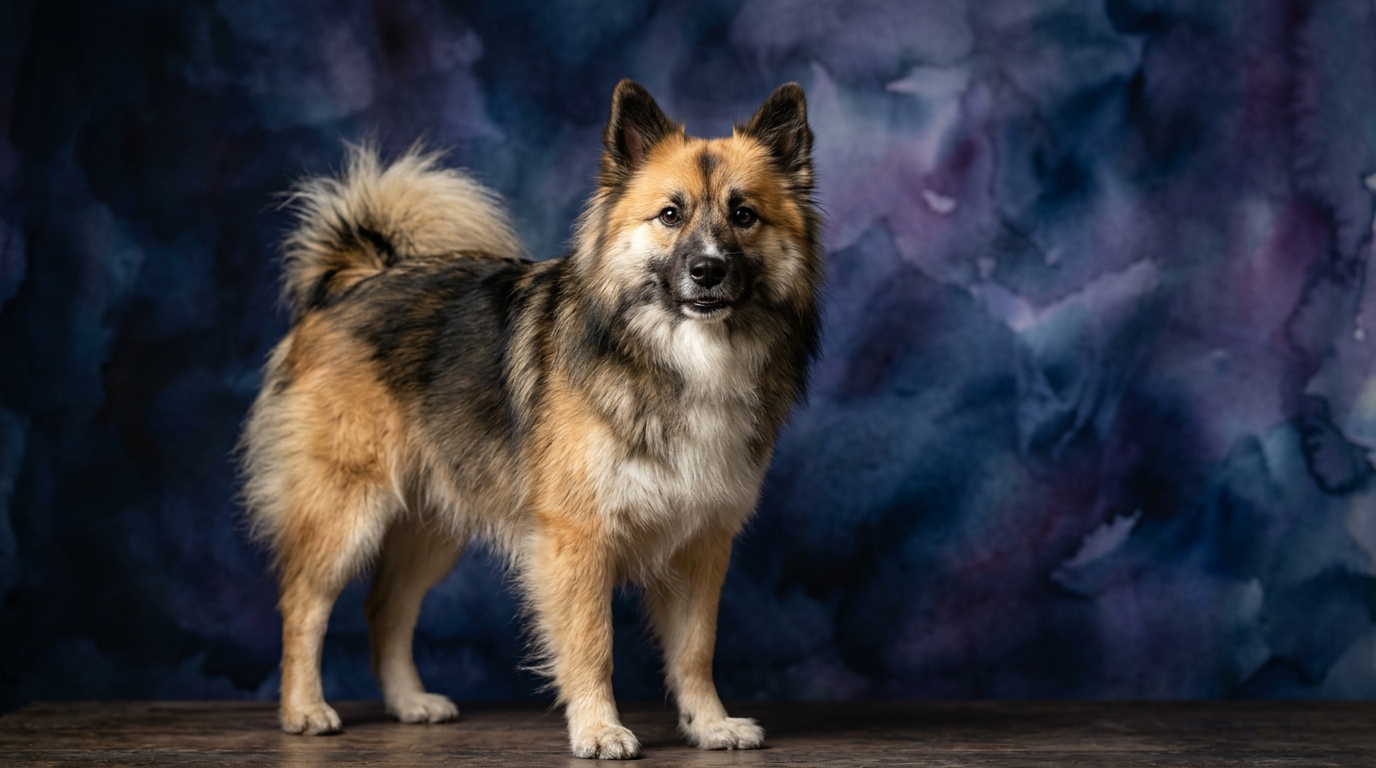
The Icelandic Sheepdog's cognitive strengths, despite the identical 3/5 scores, lean towards dynamic environmental problem-solving and nuanced communication. Their historical role demanded quick, independent decision-making in variable conditions, often without direct human instruction for extended periods. This translates into a perceptive ability to read subtle environmental cues and react with agility, whether navigating a complex obstacle course or anticipating a change in weather.
Their social intelligence, while rated 3/5, often manifests as a more overtly communicative nature; they are known for their varied vocalizations, which can be seen as a sophisticated form of expression and interaction. This communicative drive, combined with their capacity for independent thought, allows them to excel in tasks requiring initiative and adaptability, such as complex trick training or agility, where they process and respond to rapidly changing stimuli.
Where Bullmastiff Wins Cognitively
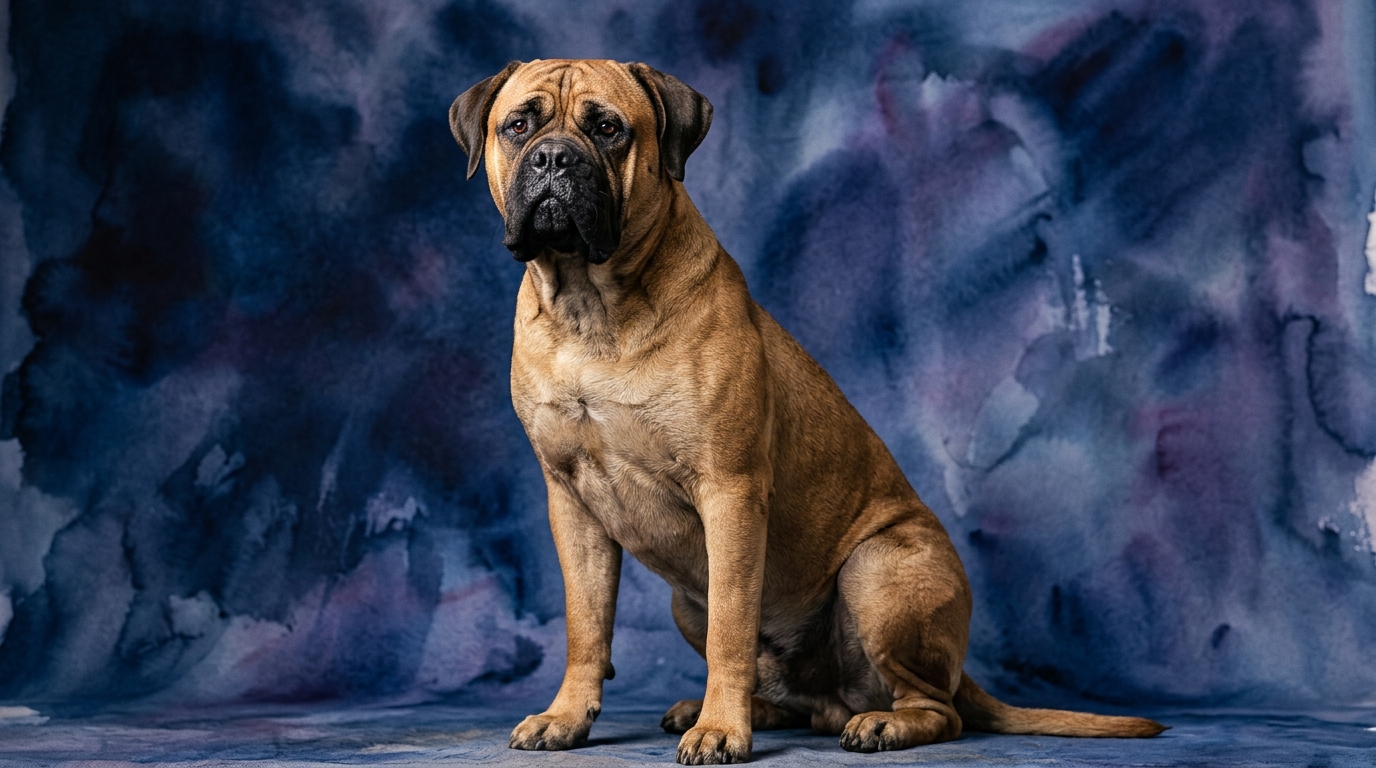
The Bullmastiff's cognitive advantages, though also rated 3/5, are rooted in their capacity for calm discernment and strategic guardianship. Their problem-solving isn't about rapid, physical intervention but rather about a considered assessment of situations, distinguishing routine from threat, and understanding social boundaries. This often involves a deep, stable memory for who belongs and who doesn’t, crucial for their protective role.
Their social intelligence is expressed through a profound loyalty and an understated ability to gauge human intentions and moods, particularly within their family unit. This allows them to act as a steadfast, comforting presence, providing a sense of security through their calm vigilance. The Bullmastiff's deliberate nature means they often process information thoroughly, leading to consistent and reliable responses once a pattern or command is established, making them dependable guardians.
Which is Easier to Train and Why
While both breeds share a 3/5 training speed, the *experience* of training differs significantly due to their inherent temperaments and drives. The Icelandic Sheepdog, with its energetic and often vocal nature, can be a joy to train due to its enthusiasm and eagerness to engage. However, their independent herding instincts can sometimes lead to distraction or a tendency to “herd” family members, requiring consistent redirection and positive reinforcement to maintain focus. Their sensitivity means harsh methods are counterproductive, making gentle, reward-based training paramount.
The Bullmastiff, conversely, might present a different set of training considerations. Their substantial size and sometimes independent, self-assured demeanor mean that while they learn steadily, they require a calm, confident, and utterly consistent handler. They are not typically as overtly “eager to please” as some herding breeds, and their deliberate processing means patience is key. Early and extensive socialization is crucial for a Bullmastiff to ensure their natural guardian instincts are channeled appropriately, preventing unwanted territoriality. Training a Bullmastiff is about building a respectful partnership and establishing clear, fair boundaries, rather than relying on their innate desire for constant activity.
Which Suits Active Owners vs Relaxed Owners
The Icelandic Sheepdog is undeniably suited for active owners who can provide ample physical exercise and consistent mental stimulation. Their heritage as working dogs on challenging terrain means they possess significant stamina and a need for purpose. Owners who enjoy hiking, dog sports like agility or obedience, or simply long, engaging walks will find a willing and enthusiastic companion in the Icelandic Sheepdog. Their social nature also means they thrive on being included in family activities and can become destructive or excessively vocal if bored or isolated.
The Bullmastiff, in contrast, often suits owners who appreciate a more relaxed pace of life, yet understand the need for routine exercise and consistent mental engagement. While they are not couch potatoes and require regular, moderate walks to stay healthy and happy, they are generally content with a calm household environment once their exercise needs are met. Their protective instincts mean they are often more comfortable as indoor companions, observing their domain from a secure vantage point. Owners who value a loyal, calm, and watchful presence, and are prepared to invest in early socialization and consistent, firm training, will find the Bullmastiff a rewarding companion.
The Verdict
Choose the Icelandic Sheepdog if you're an active owner seeking a highly interactive, quick-witted companion for outdoor adventures and engaging training sessions.
Opt for the Bullmastiff if you desire a loyal, calm, and protective family member who thrives on consistent guidance and a relaxed home environment.
🧠 Find Your Pet's IQ Score
Our Pet IQ Lab assessment covers 25+ tests across 5 cognitive dimensions — personalized to your breed.
Take the Full IQ Test →Frequently Asked Questions
Do Icelandic Sheepdogs bark a lot due to their herding background?
Yes, Icelandic Sheepdogs are known for their vocal nature, often using barks to communicate or express excitement, a trait stemming from their herding role. Consistent training can help manage excessive barking.
Are Bullmastiffs good with children, given their protective instincts?
Bullmastiffs can be excellent family dogs and are often gentle with children, forming strong protective bonds. However, their large size requires supervision with very young children, and early socialization is vital for appropriate behavior.
How do the exercise needs of these two breeds compare?
Icelandic Sheepdogs require significant daily exercise and mental stimulation, thriving with active owners who enjoy outdoor activities. Bullmastiffs need moderate daily exercise, such as regular walks, but are generally content with a more relaxed pace once their needs are met.