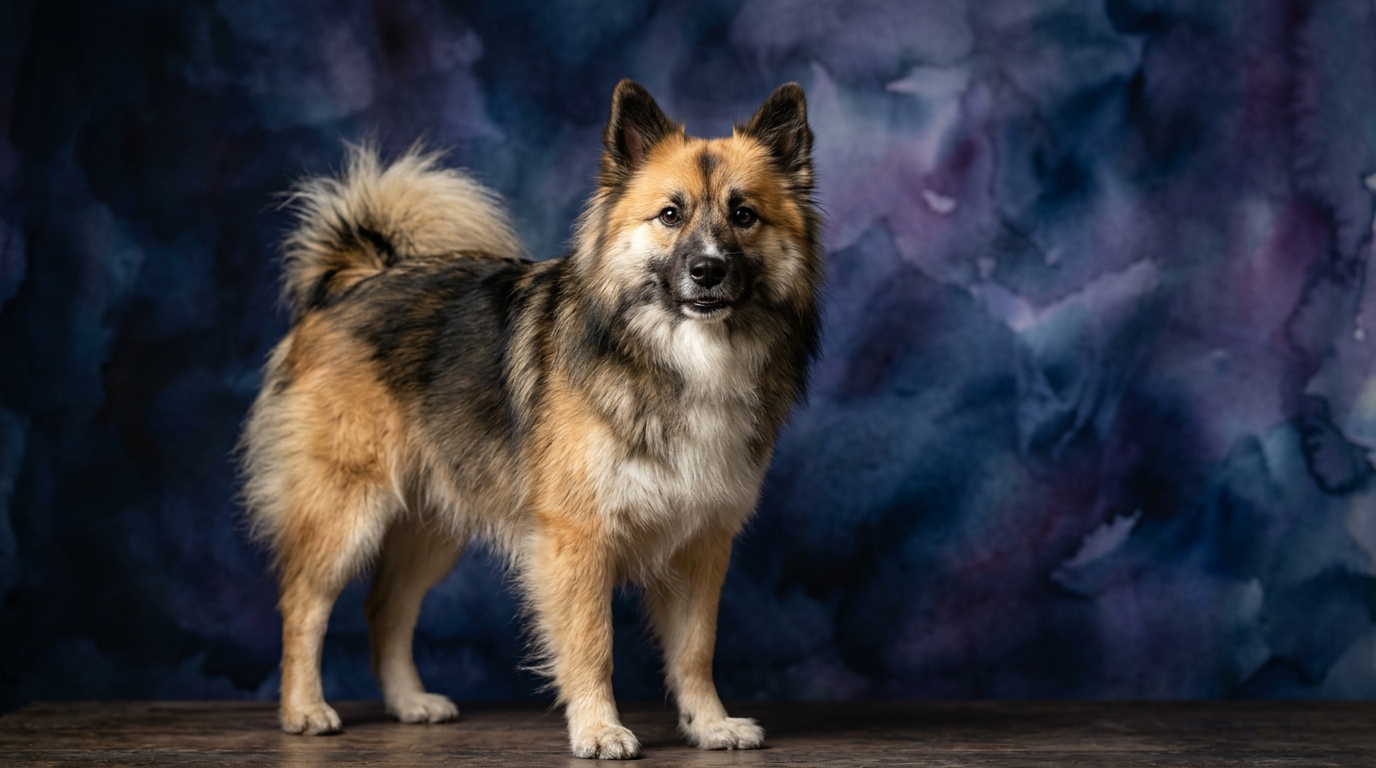
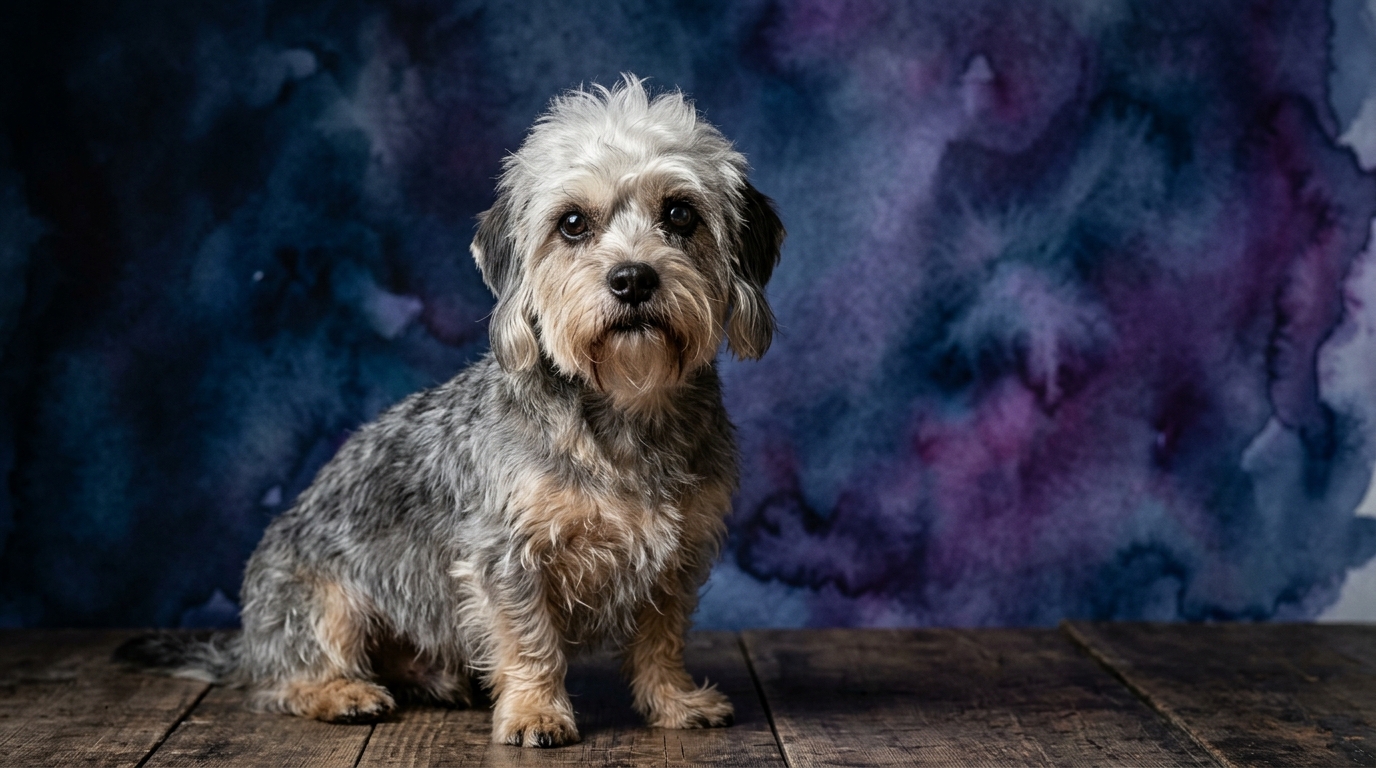
Side-by-Side IQ Profile
**Problem Solving (3/5):** The Icelandic Sheepdog demonstrates practical problem-solving through observation and strategic movement. Their herding background fosters spatial awareness, excelling at navigating complex environments to gather or guide. They often make independent decisions for flock management while anticipating handler needs. The Dandie Dinmont Terrier's problem-solving is characterized by tenacious, independent thought, geared towards overcoming obstacles. With a history of hunting vermin, they display cleverness in tight spaces, figuring out maneuvers through burrows. Their approach is direct, persistent, and resourceful to outwit prey.
**Training Speed (3/5):** A willing student, the Icelandic Sheepdog learns commands and routines at a moderate pace. Their inherent desire to work and cooperative nature make them generally receptive to training, ensuring steady progress, especially with positive reinforcement building on their eagerness to please. Dandies learn moderately, but their independent spirit and strong prey drive can impact compliance. They grasp expectations quickly, but consistent performance depends on motivation. Training requires patience, consistency, and leveraging play or high-value treats to maintain their interest.
**Social Intelligence (3/5):** This breed exhibits well-developed social intelligence, crucial for working partnerships and family units. They adeptly read human cues, often anticipating needs. Their interactions with other dogs are typically balanced, showing capacity for cooperative play and understanding canine social hierarchies. The Dandie's social intelligence forms strong, selective bonds with family, combined with a discerning approach to strangers. Highly attuned to their chosen people, they pick up on emotional states. Their terrier assertiveness means they can be reserved or opinionated with unfamiliar dogs.
**Instinctive Drive (3/5):** Their drives are deeply rooted in herding: gathering, barking to alert, and keeping track of their "flock." This manifests as a desire to control movement and maintain cohesion, potentially leading to nipping at heels, circling, or persistent barking to manage their environment. Driven by a powerful hunting instinct for vermin, this manifests as a strong prey drive, keen smell, and urge to dig and chase. Their instincts are geared towards independent pursuit and capture with tenacity, observed as scent-tracking, bursts of speed after small animals, and digging.
**Memory (3/5):** This breed demonstrates robust memory for routines, commands, and territory, essential for herding. They quickly recall past training and complex sequences, aiding reliability and consistency in tasks, even after absence. Dandies possess good memory for scent trails, past interactions, and "prey" locations. They remember training and rules, though independence might lead to "selective forgetting." Their memory is also strong for people they've bonded with or had negative experiences with.
Where the Icelandic Sheepdog Wins Cognitively
While both breeds hold similar foundational IQ scores, the Icelandic Sheepdog excels in cognitive areas demanding cooperative problem-solving and adaptability in open, dynamic spaces. Their capacity for subtle interpretation of human cues, honed over centuries of working in tandem with shepherds, allows them to respond to nuanced direction during complex tasks like flock management. This breed demonstrates superior situational awareness for a group, understanding spatial relationships and adjusting behavior to maintain cohesion, a distinct advantage over the solo-hunting terrier.
Where the Dandie Dinmont Terrier Wins Cognitively
Conversely, the Dandie Dinmont Terrier shines in cognitive domains requiring independent, persistent problem-solving within confined or challenging environments. Their historical role demanded strategic thinking to outmaneuver and pursue vermin through burrows and rocky terrain. This translates into remarkable resourcefulness for overcoming physical obstacles to achieve a singular goal, often involving intricate navigation and relentless focus. Their tenacity and unwavering determination, coupled with a sharp instinct for scent-tracking, provide a cognitive edge in tasks demanding solitary persistence and ingenuity.
Which is Easier to Train and Why
Determining which breed is 'easier' to train depends significantly on an owner's approach. The Icelandic Sheepdog generally presents a more cooperative training experience due to their inherent eagerness to please and strong desire to work alongside humans. Their herding background instills responsiveness to direction, making them receptive to positive reinforcement and consistent methods. They are typically motivated by praise and structured activities, though their tendency to bark as a communication tool might require specific management.
The Dandie Dinmont Terrier, while certainly trainable, often requires a more nuanced and patient approach. Their strong independent streak and powerful prey drive mean they may not always see the immediate benefit in complying with a command if an intriguing scent arises. Training a Dandie demands consistency, clear boundaries, and highly motivating rewards. Owners must understand that a Dandie needs to be convinced that cooperation aligns with their own interests, making them less inherently 'easy' but incredibly rewarding for those who embrace their unique personality.
Which Suits Active Owners vs. Relaxed Owners
For owners seeking a canine partner for structured activities, the Icelandic Sheepdog is an excellent match. While not requiring extreme athleticism, they thrive on having a 'job,' whether participating in dog sports or accompanying owners on long hikes. Their significant mental stimulation needs flourish when given opportunities to engage their problem-solving and social intelligence through training and purposeful interaction. They are well-suited for families who enjoy consistent engagement and can provide outlets for their natural herding instincts.
The Dandie Dinmont Terrier can be a wonderful companion for owners who appreciate a dog with character and don't require an endurance athlete. They need daily walks and mental engagement to prevent boredom, but their activity level is generally moderate. Content with focused play and exploring a yard, their strong prey drive necessitates secure environments and leashed walks. They are ideal for owners who value a loyal, charming companion without the demands of a high-energy working dog, provided they can offer consistent training and mental puzzles.
The Verdict
Choose the Icelandic Sheepdog if you seek a cooperative, responsive canine partner eager for structured activities and mental engagement, thriving in a home that provides a sense of purpose and consistent interaction.
Opt for the Dandie Dinmont Terrier if you appreciate an independent, tenacious companion with a strong personality, and are prepared to provide consistent, motivated training and secure environments for their spirited adventures.
🧠 Find Your Pet's IQ Score
Our Pet IQ Lab assessment covers 25+ tests across 5 cognitive dimensions — personalized to your breed.
Take the Full IQ Test →Frequently Asked Questions
Do Icelandic Sheepdogs bark a lot?
Yes, Icelandic Sheepdogs are known for being quite vocal. Their ancestral role involved barking to alert shepherds and herd sheep, so they naturally use their voice to communicate excitement, alert to strangers, or express their needs. Consistent training can help manage excessive barking.
Are Dandie Dinmont Terriers good with children?
Dandie Dinmont Terriers can be good with children, especially if raised with them and properly socialized. However, their independent nature and terrier tenacity mean they prefer calm, respectful interactions and may not tolerate rough play, so supervision is always recommended with younger children.
What kind of exercise do these breeds need?
The Icelandic Sheepdog needs moderate to high exercise, including daily walks, playtime, and mental stimulation through training or dog sports. The Dandie Dinmont Terrier requires moderate exercise, enjoying daily walks and focused play, but benefits more from mental engagement than extreme physical exertion.