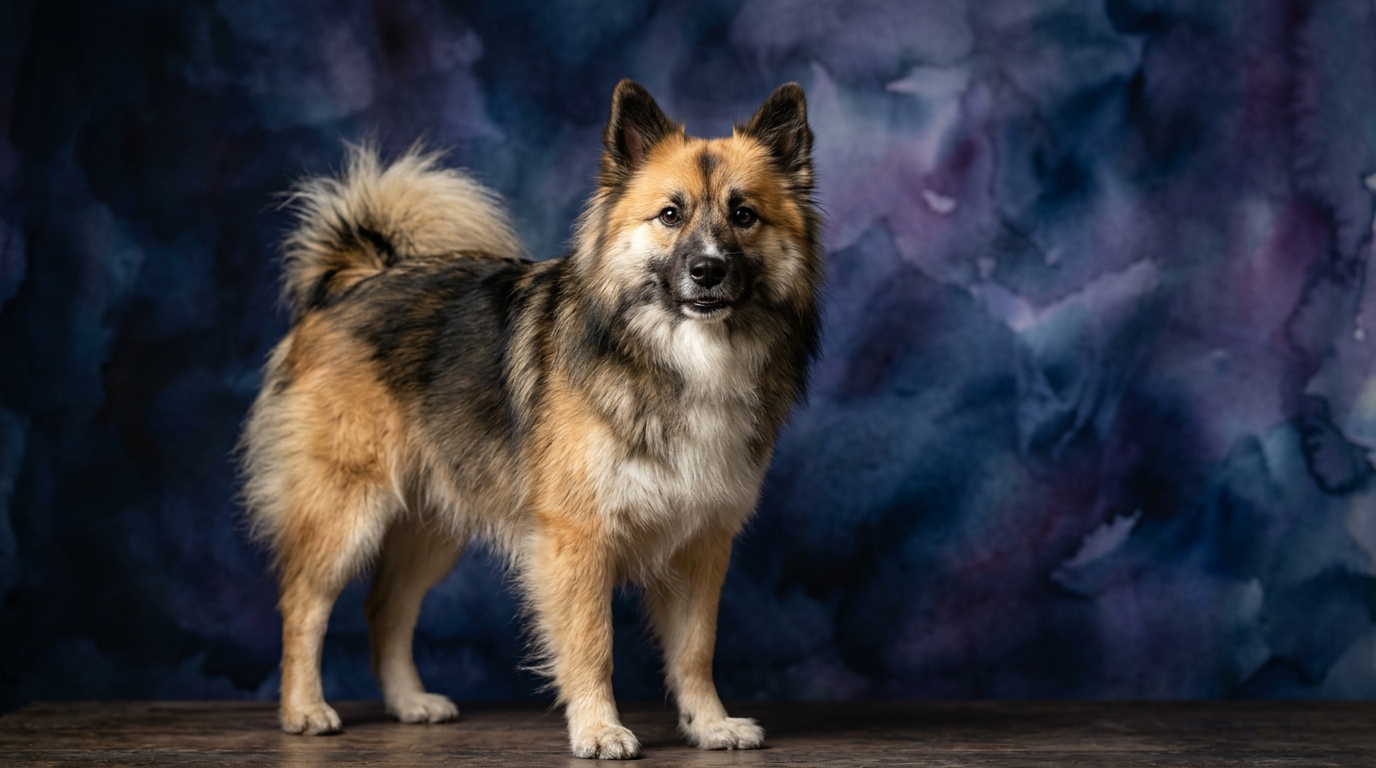
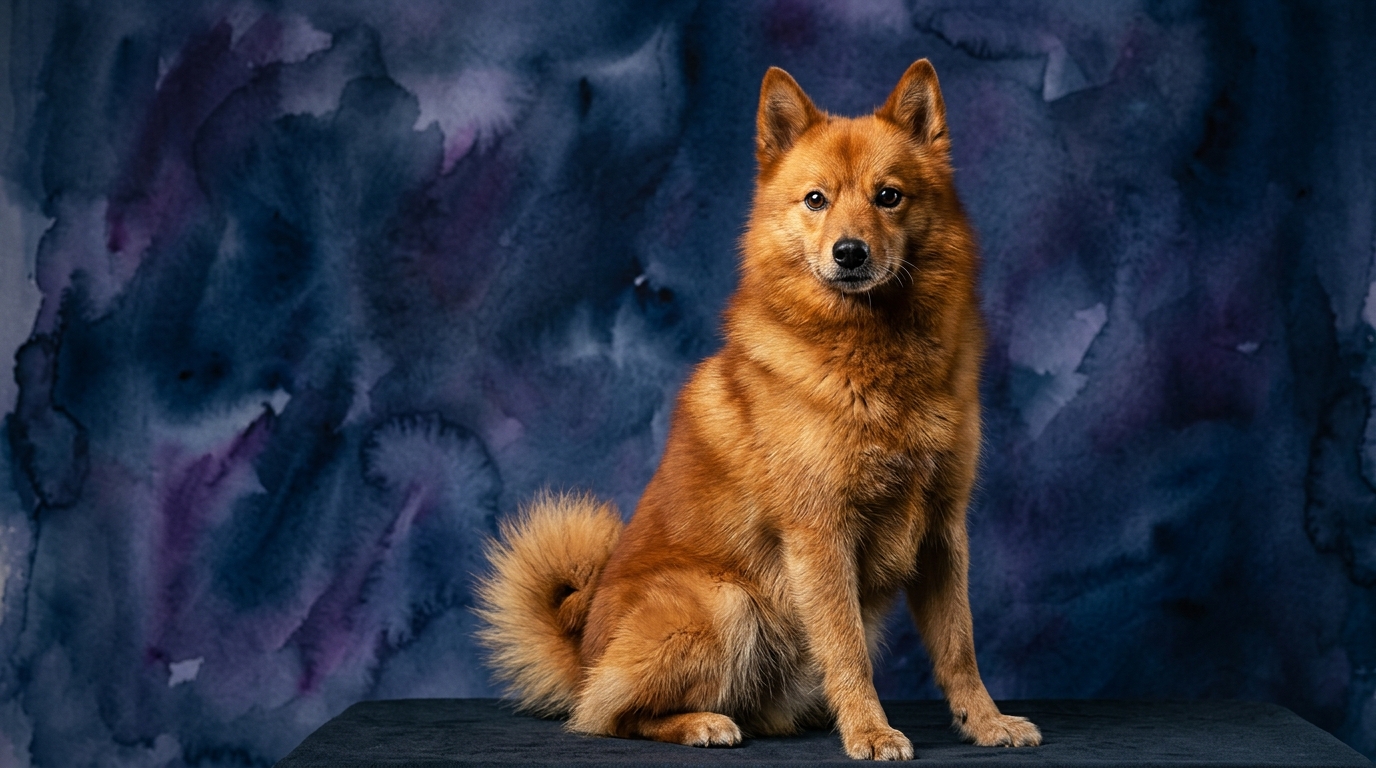
Side-by-Side IQ Profile: Identical Scores, Distinct Minds
At first glance, the IQ profiles for the Icelandic Sheepdog and the Finnish Spitz appear indistinguishable, with both breeds scoring a consistent 3/5 in Problem Solving, Training Speed, Social Intelligence, Instinctive Drive, and Memory. However, these identical numerical ratings mask a rich tapestry of cognitive expression, deeply rooted in their historical roles and breed temperaments. Understanding what a '3/5' truly signifies requires looking beyond the number to the context of each breed's inherent predispositions and how they interact with their environment.
For the Icelandic Sheepdog, a Herding breed, a 3/5 in Problem Solving typically manifests as a capacity for adaptive thinking within a structured task, such as navigating a flock through varied terrain or anticipating the movements of livestock. Their Training Speed at 3/5 reflects a good responsiveness to commands, often driven by an eagerness to collaborate with their human handler in a working partnership. Social Intelligence at 3/5 indicates a strong awareness of group dynamics, both within their flock and with their human family, allowing them to interpret cues and respond appropriately. Their Instinctive Drive, also 3/5, is primarily channeled into their herding behaviors—gathering, moving, and controlling without excessive force. Finally, a 3/5 in Memory suggests they can retain complex sequences of commands, remember specific locations, and recall past interactions, crucial for effective herding over time.
The Finnish Spitz, a Non-Sporting breed with a history as a hunting companion, interprets these same 3/5 scores through a different lens. Their Problem Solving at 3/5 leans towards independent decision-making in the field, such as locating game or navigating unfamiliar wooded areas without constant human direction. A 3/5 Training Speed for a Finnish Spitz often means they learn effectively, but their independent nature might require more creative motivation and patience, as they are less inherently driven to please by following precise instructions. Social Intelligence at 3/5 for this breed typically involves a keen awareness of their immediate family unit, often expressing itself as a watchful, vocal guardian who can differentiate between familiar and unfamiliar individuals. Their Instinctive Drive, also 3/5, is strongly tied to their 'barking bird dog' heritage, exhibiting a persistent drive to locate and 'point' game through vocalization. Their 3/5 Memory allows them to recall favored hunting spots, remember routines, and retain a mental map of their territory, essential for their sentinel and hunting roles.
Where the Icelandic Sheepdog Wins Cognitively
While both breeds score identically, the Icelandic Sheepdog often shows a subtle edge in areas requiring cooperative problem-solving and nuanced social understanding in a structured environment. Their Herding background has honed a capacity for understanding complex human directives and executing multi-step tasks that involve managing other living beings. This means they are often quicker to pick up on subtle body language cues from their handler and integrate them into their actions, making them highly adaptable in situations where teamwork is paramount.
Their cognitive strength lies in their ability to 'read the room' and respond with appropriate, measured action, particularly when working alongside humans. For example, an Icelandic Sheepdog might excel at learning a sequence of hand signals and verbal commands to guide livestock, demonstrating a superior integration of social cues with practical problem-solving. This isn't just about following orders; it's about understanding the *intent* behind the orders and adjusting their approach dynamically, showcasing a cognitive flexibility within a collaborative framework that is a hallmark of effective herding breeds.
Where the Finnish Spitz Wins Cognitively
The Finnish Spitz, conversely, often demonstrates a cognitive advantage in areas demanding independent initiative and focused sensory discrimination, particularly auditory. Their history as a barking bird dog required them to make decisions autonomously in the field, often out of sight of their handler. This fosters a problem-solving approach that is less reliant on direct human instruction and more on self-directed exploration and persistent pursuit of a goal.
Their cognitive edge is particularly evident in their highly developed auditory processing and their drive to act upon specific environmental stimuli. A Finnish Spitz can pinpoint the exact location of a squirrel in a dense tree cover based solely on subtle sounds and will persistently 'point' or 'bark' to alert their owner. This isn't merely an instinct; it's a cognitive process of filtering ambient noise, identifying a target sound, and then executing a learned, purposeful communication strategy. This independent problem-solving, coupled with their acute sensory focus, allows them to excel in situations where a human might miss crucial environmental details, making them exceptional natural sentinels and alert systems.
Which is Easier to Train and Why
Despite both breeds having a 3/5 Training Speed, the practical experience of training an Icelandic Sheepdog versus a Finnish Spitz can feel quite different due to their inherent behavioral tendencies. The Icelandic Sheepdog, as a herding breed, generally possesses a stronger innate desire to work *with* humans. They typically respond well to positive reinforcement and clear, consistent direction, often eager to please their handler and engage in collaborative tasks. Their herding background means they are accustomed to taking direction and understanding their role within a partnership, making them relatively responsive and biddable.
Conversely, the Finnish Spitz, with its more primitive and independent hunting heritage, can present a greater challenge for the novice trainer. While they are certainly capable of learning, their 3/5 Training Speed is often tempered by a strong self-will and a tendency to prioritize their own instincts—such as barking at novel stimuli or following an interesting scent—over immediate human commands. Training a Finnish Spitz requires immense patience, creativity, and a deep understanding of their motivations. They respond best to engaging, fun-based training methods that appeal to their natural drives, rather than rote drills. Overcoming their independent streak to achieve consistent obedience typically demands more effort and a different approach compared to the more handler-focused Icelandic Sheepdog.
Which Suits Active Owners vs. Relaxed Owners
Both the Icelandic Sheepdog and the Finnish Spitz are breeds that thrive with active owners, though the *type* of activity they require differs significantly. Neither breed is well-suited to a truly relaxed, sedentary lifestyle, as both possess considerable energy and a need for mental engagement. An owner seeking a truly 'relaxed' companion might find both breeds more demanding than anticipated.
The Icelandic Sheepdog is an excellent fit for active owners who enjoy engaging in structured activities, dog sports, or have a rural lifestyle where their herding instincts can be channeled. They flourish when given a 'job' and thrive on collaborative activities such as agility, obedience, or even just long, varied hikes with their human. Their need for physical exercise is matched by their demand for mental stimulation and companionship; they are not content to be left alone for extended periods without interaction or purpose. Owners who enjoy teaching new tricks, participating in canine events, or simply having a highly engaged partner for outdoor adventures will find the Icelandic Sheepdog a rewarding companion.
The Finnish Spitz also requires an active owner, but one who appreciates their independent spirit and provides outlets for their specific instincts. They need regular, vigorous exercise, including opportunities to explore and engage their senses. Owners who enjoy hiking, scent work, or providing a large, securely fenced yard for independent exploration will be better suited. Their strong barking drive means they also need owners who are prepared to manage this vocalization through consistent training and appropriate outlets, rather than expecting a quiet companion. While they enjoy family time, they are often less 'velcro' than the Icelandic Sheepdog, perfectly content to patrol the yard or investigate interesting smells on their own. Owners who appreciate a dog with a strong personality and a distinct sense of purpose, even if that purpose is loud, will find a kindred spirit in the Finnish Spitz.
The Verdict
Choose the Icelandic Sheepdog if you seek an active, collaborative canine partner eager to work alongside you in varied activities and thrive on social engagement.
Opt for the Finnish Spitz if you appreciate an independent, spirited companion with a keen sense of purpose, prepared to manage their vocal nature and provide outlets for their unique instincts.
🧠 Find Your Pet's IQ Score
Our Pet IQ Lab assessment covers 25+ tests across 5 cognitive dimensions — personalized to your breed.
Take the Full IQ Test →Frequently Asked Questions
Do Icelandic Sheepdogs bark a lot?
Icelandic Sheepdogs are known to be vocal, using barks to communicate and alert. While not as persistently vocal as some breeds, they will bark to express excitement, warn of strangers, or when herding.
Are Finnish Spitz good with children?
Finnish Spitz can be good with respectful children, often forming strong bonds with their family. However, their independent nature and sensitivity mean supervision is key, especially with very young or boisterous children.
Do either breed do well in apartments?
Neither breed is ideally suited for apartment living due to their exercise needs and vocal tendencies. Both require significant physical activity and mental stimulation, and a Finnish Spitz's barking can be problematic in close quarters.