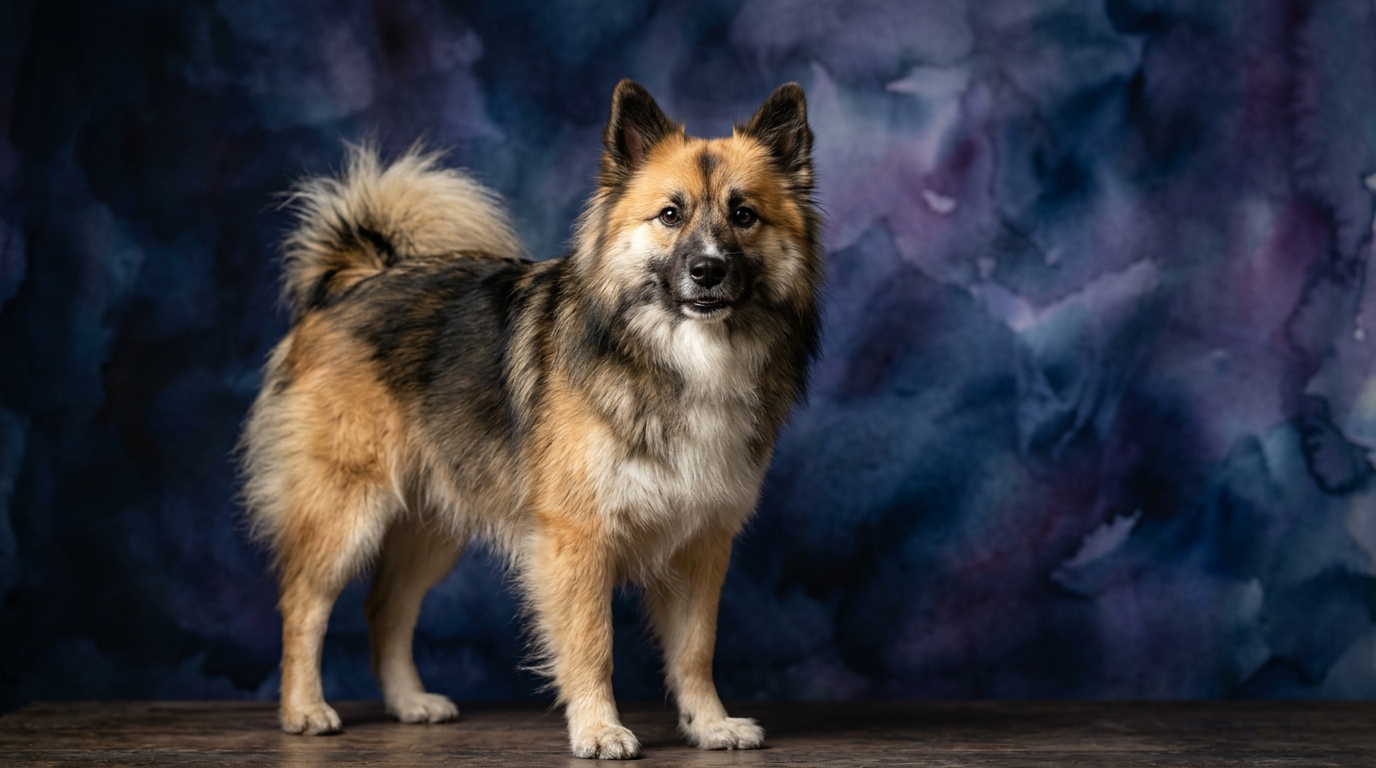
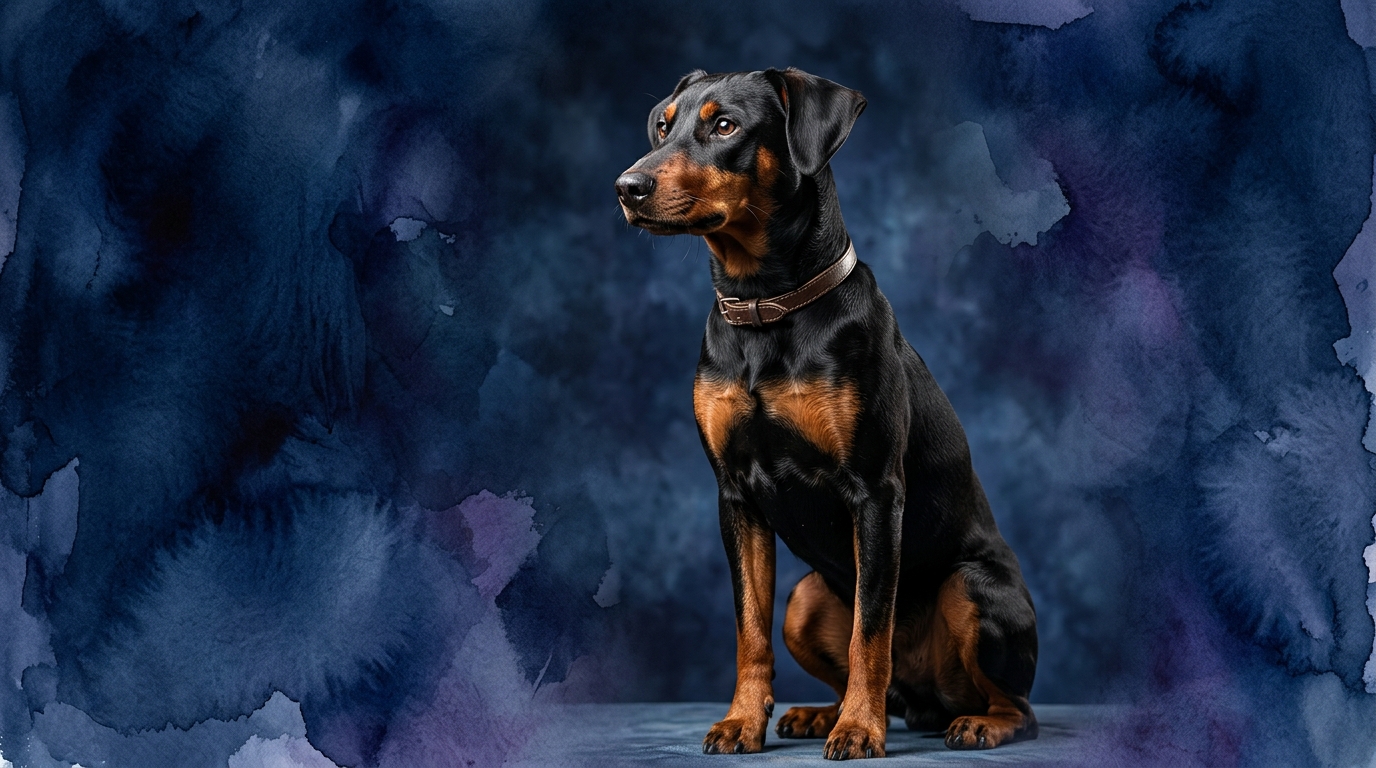
Side-by-Side IQ Profile: Icelandic Sheepdog vs. German Pinscher
Despite their identical scores across all five cognitive dimensions, the application of these abilities is deeply rooted in each breed's historical purpose and inherent temperament. Understanding these nuances provides a richer picture than numbers alone.
**Problem Solving (3/5):** For the Icelandic Sheepdog, a 3/5 in problem-solving often manifests in their ability to independently manage a flock, navigating complex terrain and anticipating sheep movements without constant human direction. Their solutions tend to be strategic and adaptive within a pastoral context, focusing on gentle guidance. The German Pinscher's 3/5 in problem-solving is typically seen in their quick assessment of novel situations, particularly concerning perceived threats or territory. They might devise direct, efficient ways to alert their family or handle an intruder, often relying on their keen observational skills and assertive nature.
**Training Speed (3/5):** Icelandic Sheepdogs generally learn new commands and routines at a moderate pace, responding well to positive reinforcement and clear, consistent instruction. Their eagerness to please and work alongside their handler makes training a cooperative effort, though their independent herding spirit can sometimes introduce a charming stubbornness. German Pinschers also absorb training at a moderate rate, but their strong will and independent nature mean they require a trainer who is equally confident and consistent. They learn best with structure, clear expectations, and a firm, fair approach, quickly discerning what is expected of them once the rules are established.
**Social Intelligence (3/5):** A 3/5 for the Icelandic Sheepdog reflects their capacity for forming strong bonds with their human family and their ability to interact appropriately within a flock or pack dynamic. They are generally outgoing and read human emotions well, often seeking to engage and participate in family activities with a friendly demeanor. The German Pinscher’s social intelligence at 3/5 is characterized by their profound loyalty to their immediate family, often being reserved or wary of strangers. They are adept at reading their owner's cues and intentions, demonstrating a protective instinct rooted in their strong emotional connection and discerning judgment of social situations.
**Instinctive Drive (3/5):** The Icelandic Sheepdog's 3/5 instinctive drive is dominated by their deeply ingrained herding behaviors, including a strong desire to gather, bark at moving objects, and maintain vigilance over their 'flock.' This drive is a fundamental part of their being, requiring appropriate outlets to prevent frustration and channel their natural tendencies. For the German Pinscher, a 3/5 instinctive drive points to their robust prey drive, territoriality, and natural guarding instincts. They possess an inherent alertness and a desire to protect their home and family, channeling their energy into vigilance and assertive responses when necessary.
**Memory (3/5):** Icelandic Sheepdogs exhibit a moderate memory capacity, allowing them to recall learned commands, familiar routes, and the routines of their daily lives. They remember past interactions and training sessions, building upon previous experiences effectively. German Pinschers also possess a 3/5 memory, meaning they retain training, boundaries, and past experiences with a reasonable degree of accuracy. They are particularly good at remembering perceived threats or positive reinforcement strategies, which contributes to their consistent behavior patterns and reliability in their roles.
Where the Icelandic Sheepdog Wins Cognitively
The Icelandic Sheepdog excels in the nuanced application of their 3/5 problem-solving in dynamic, live environments, particularly when it involves managing multiple, independent entities like livestock. Their cognitive strength lies in their ability to subtly influence and guide, using their social intelligence to read the behavior of a dispersed group and their memory to recall effective herding strategies. This allows them to maintain order and cohesion within a fluid system, demonstrating a pastoral intelligence focused on gentle, persistent control rather than direct confrontation. They show a particular aptitude for sustained, low-intensity cognitive engagement over extended periods, constantly monitoring and adjusting to their surroundings and the movements of their charges, making them adept at complex, long-term observational tasks.
Where the German Pinscher Wins Cognitively
The German Pinscher's cognitive edge manifests in situations demanding rapid assessment and decisive action, particularly within the realm of protection and vigilance. Their 3/5 problem-solving is geared towards quickly evaluating novel threats and formulating a direct, effective response, often leveraging their strong instinctive drive for guarding. They possess a keen ability to interpret subtle environmental cues and human body language, allowing them to anticipate potential issues and act proactively with a sense of purpose. This breed demonstrates a focused, intense application of their cognitive scores, prioritizing immediate, strategic action and unwavering loyalty in their role as guardians, making them exceptional at recognizing and responding to potential security concerns.
Which is Easier to Train and Why
Despite both breeds scoring 3/5 in training speed, the practical ease of training them varies significantly due to their inherent behavioral differences. The Icelandic Sheepdog, with its biddable nature and strong desire to please its human 'flock,' often presents a more forgiving training experience. They respond enthusiastically to positive reinforcement and thrive on tasks that engage their herding instincts, like 'find it' games or agility, which can be channeled constructively. However, their vocal nature and independent herding drive mean consistent redirection is needed to manage barking and prevent them from attempting to 'herd' children or other pets, requiring patience and creative outlets for their natural behaviors.
The German Pinscher, while equally capable of learning at a moderate pace, demands a more experienced and assertive trainer. Their confidence, strong will, and protective instincts mean they are less likely to blindly follow commands and will test boundaries if given the opportunity. Training a German Pinscher requires unwavering consistency, clear leadership, and early socialization to channel their territorial and prey drives constructively. While they form deep bonds and are eager to work with their chosen person, their strong personality requires a precise, firm, and fair approach to ensure they become well-mannered companions rather than dominant guardians. Therefore, while both learn, the German Pinscher’s personality requires a more dedicated and skilled handler to achieve consistent results and a well-adjusted temperament.
Suited for Active vs. Relaxed Owners
Neither the Icelandic Sheepdog nor the German Pinscher is suited for genuinely relaxed owners seeking a low-maintenance companion; both demand significant engagement. However, their energy and cognitive needs cater to different types of active lifestyles. The Icelandic Sheepdog thrives with owners who enjoy consistent, outdoor activities that provide mental stimulation and an outlet for their herding instincts. This could involve long hikes, exploring varied terrain, participation in dog sports like agility or rally, or even simulated herding games. They are excellent companions for families who integrate their dog into daily adventures, appreciating a dog that is always ready for the next activity and enjoys being a vocal participant in family life, requiring owners to embrace their energetic and communicative nature.
The German Pinscher, on the other hand, suits owners who appreciate a more intense, focused type of activity and structured engagement. Their high energy and strong working drive benefit from vigorous exercise, such as running, cycling alongside their owner, or engaging in demanding dog sports like Schutzhund or competitive obedience. These owners must be prepared to provide consistent, challenging mental stimulation that channels their protective instincts and sharp problem-solving abilities into appropriate tasks. They thrive with confident owners who can provide clear leadership, consistent training, and purposeful activities that satisfy their desire for a 'job,' making them ideal for individuals or families committed to a disciplined and active partnership that respects their assertive personality.
The Verdict
Choose the Icelandic Sheepdog if you seek a warm, vocal, and energetic family companion who thrives on consistent interaction, enjoys participating in all aspects of family life, and can channel their innate herding instincts into engaging activities and outdoor adventures.
Opt for the German Pinscher if you desire a confident, protective, and intensely loyal dog who flourishes with clear structure, consistent, firm training, and purposeful activities that engage their strong guarding and working drives under assertive leadership.
🧠 Find Your Pet's IQ Score
Our Pet IQ Lab assessment covers 25+ tests across 5 cognitive dimensions — personalized to your breed.
Take the Full IQ Test →Frequently Asked Questions
Do Icelandic Sheepdogs make good guard dogs?
While Icelandic Sheepdogs are vocal and will alert to strangers, their herding instincts make them more inclined to gather and bark rather than act as true guardians. They are generally friendly once they determine there's no threat, lacking the inherent protective aggression of a true guard dog and preferring to observe and warn.
Are German Pinschers good with children?
German Pinschers can be good with children in their own family, especially if raised with them and properly socialized. However, their strong protective instincts and potential for intensity mean they require careful supervision and consistent training, particularly around unfamiliar children or boisterous play, to ensure positive interactions.
Which breed is more prone to barking?
The Icelandic Sheepdog is generally more prone to barking due to their herding instinct to alert and communicate with their flock and handler, often being quite vocal in daily interactions. German Pinschers will bark as an alert for perceived threats, but it is often more purposeful and less continuous than the Icelandic Sheepdog's conversational barks.