Side-by-Side IQ Profile: Herder vs. Hunter
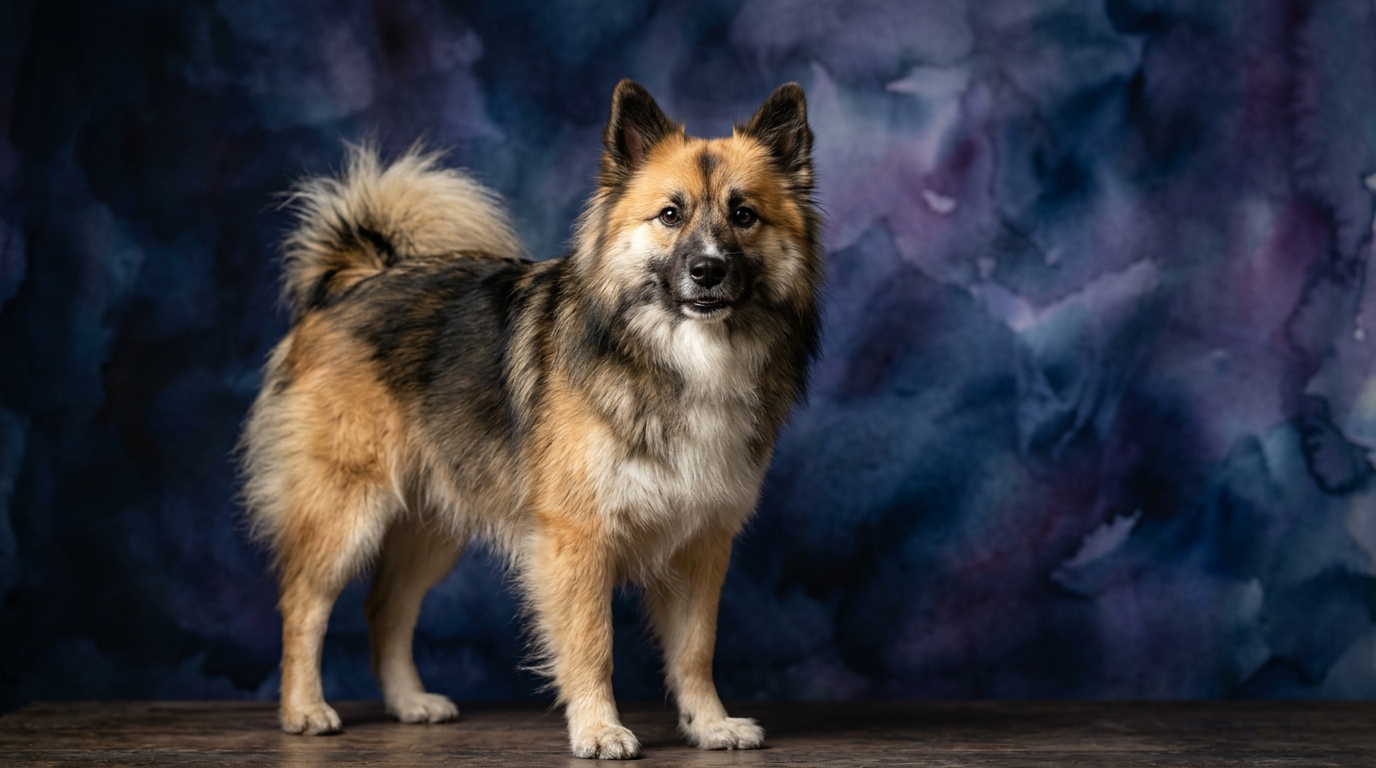
The Cosmic Pet Pet IQ Lab employs a multi-dimensional approach to assess canine cognition, moving beyond singular metrics to provide a richer understanding of a breed's mental landscape. For the Icelandic Sheepdog, a breed not ranked by Coren, we see a balanced cognitive profile reflecting its traditional role. Its Problem Solving is rated at 3/5, indicating a capacity for navigating challenges but perhaps a preference for established methods. Training Speed also stands at 3/5, suggesting a steady learning pace. Social Intelligence is 3/5, highlighting their ability to interpret cues and engage within their social group. Instinctive Drive is 3/5, a moderate level suitable for subtle herding tasks, and Memory is 3/5, allowing for retention of routines and familiar faces.
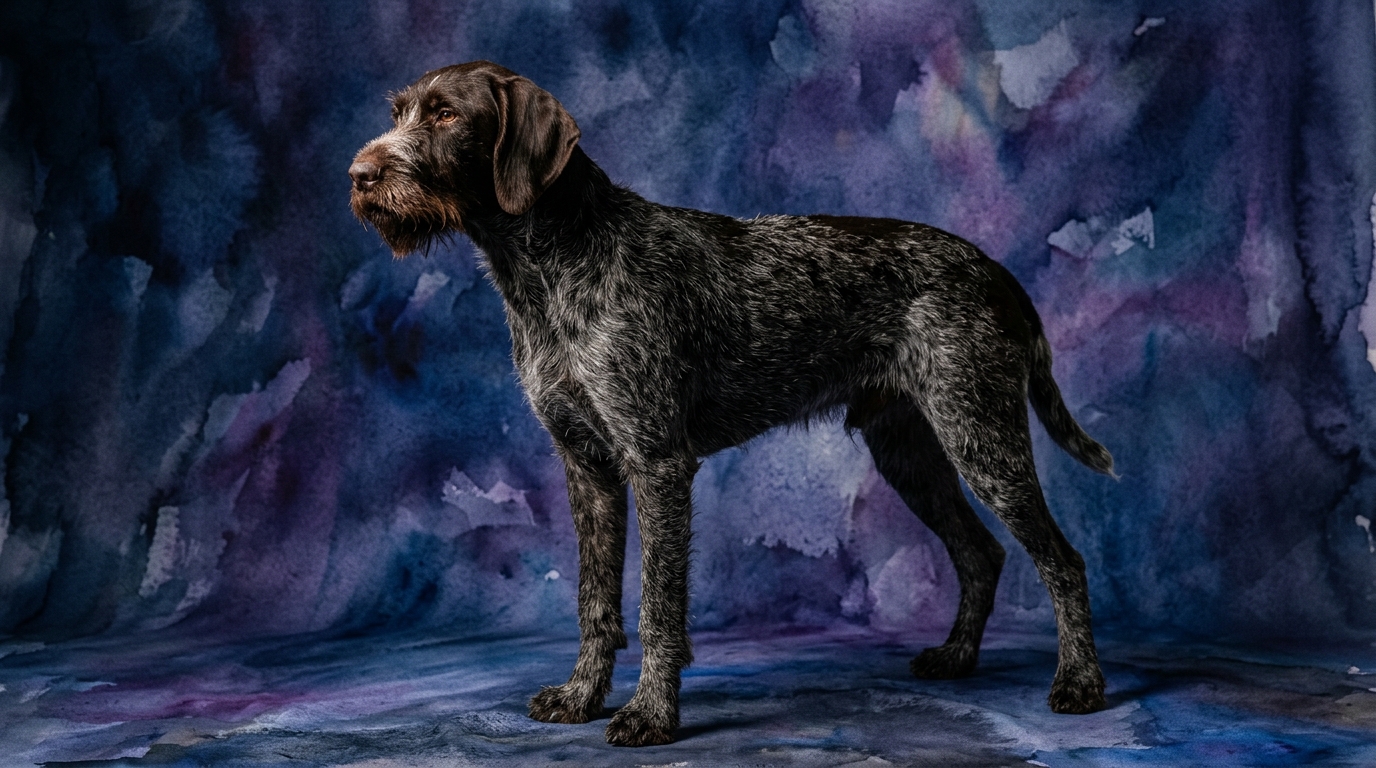
In contrast, the German Wirehaired Pointer, ranked #28 by Coren, presents a profile geared towards dynamic and complex tasks. Its Problem Solving is rated at 4/5, indicating a strong capacity for independent thought and adaptive strategies in varied environments. Training Speed is also 4/5, suggesting a quicker grasp of new commands and concepts. Social Intelligence is 3/5, similar to the Icelandic Sheepdog, reflecting competence in social interactions and cooperation. Instinctive Drive is 3/5, a balanced level that channels their natural hunting behaviors productively. Notably, Memory is 4/5, underscoring their ability to recall intricate sequences and information over time, vital for tracking and retrieving.
Where the Icelandic Sheepdog Excels Cognitively
While the Icelandic Sheepdog's scores may appear moderate, their cognitive strengths are perfectly attuned to their ancestral role. Their 3/5 Social Intelligence, combined with their 3/5 Instinctive Drive, allows them to excel in nuanced herding tasks where subtle communication and gentle persuasion are paramount, rather than aggressive driving. They develop deep bonds with their human families and display an innate ability to monitor their surroundings, often acting as a watchful presence without needing constant instruction. This attentiveness is a form of social problem-solving, anticipating needs or changes within their environment.
Their 3/5 Memory and Problem Solving, while not top-tier, manifest as a reliable understanding of routines and a practical approach to daily life. An Icelandic Sheepdog will remember the layout of their territory, the schedule of family members, and the appropriate responses to various stimuli. They are not prone to overthinking simple tasks but will apply learned solutions effectively. This makes them predictable and dependable companions, thriving on consistency and clear, gentle guidance.
Where the German Wirehaired Pointer Demonstrates Cognitive Superiority
The German Wirehaired Pointer's cognitive profile clearly indicates an animal built for complex, multi-stage tasks requiring significant mental agility and retention. Their 4/5 Problem Solving means they are adept at figuring out novel situations, whether it's navigating challenging terrain to flush game or understanding intricate command sequences. This breed isn't just following orders; they are actively processing information and making decisions in real-time, adapting their approach based on dynamic environmental cues.
The higher scores in Training Speed (4/5) and Memory (4/5) are particularly indicative of their capacity for advanced learning. German Wirehaired Pointers can acquire new skills and commands rapidly and retain them over long periods, making them exceptional candidates for diverse activities like advanced obedience, agility, and, of course, their intended purpose in the field. Their ability to remember complex scent trails and the location of fallen game, even after distractions, speaks volumes about their robust working memory and focus.
Training Dynamics: Which Breed Learns Faster?
Based on the IQ Lab scores, the German Wirehaired Pointer generally offers a quicker training experience. Their 4/5 Training Speed and 4/5 Problem Solving mean they grasp new concepts and commands with fewer repetitions and are more likely to generalize learned behaviors to new contexts. This breed often thrives on structured, consistent training that challenges their intellect and provides a clear purpose. They are eager to engage and work alongside their handler, making them highly responsive to positive reinforcement methods and capable of mastering a wide array of commands and tasks.
The Icelandic Sheepdog, with its 3/5 Training Speed and Problem Solving, will certainly learn, but often at a more deliberate pace. They may require more repetition to solidify new behaviors and might be more inclined to question the utility of a command if it doesn't align with their intrinsic herding or monitoring instincts. Their training benefits from patience, consistency, and making tasks relevant to their natural drives. While they possess a 3/5 Social Intelligence, they are not necessarily "people-pleasers" in the same way some sporting breeds are, often requiring a strong, fair leader who understands their independent streak rather than just a motivator with treats.
Owner Suitability: Active Pursuits vs. Companionship Focus
For owners with an active, outdoor-oriented lifestyle who seek a canine partner for demanding activities, the German Wirehaired Pointer is an excellent match. Their robust physical endurance, combined with their 4/5 Problem Solving and Memory, means they thrive on diverse mental and physical challenges like hunting, hiking, trail running, and competitive dog sports. They require significant daily engagement and mental stimulation to prevent boredom, making them suitable for individuals or families who can dedicate substantial time to training and adventuring.
The Icelandic Sheepdog, while certainly active, leans more towards owners who appreciate a dog with a strong desire for companionship and a keen awareness of their family unit. Their 3/5 Instinctive Drive translates into a desire for purpose within the home, often monitoring family activities or 'herding' children gently. They enjoy regular walks, playtime, and opportunities for mental engagement through puzzles or short training sessions, but their needs are often met with consistent family interaction and moderate exercise rather than intense, prolonged physical exertion. They are well-suited for owners who value a watchful, affectionate presence and can provide a stable, stimulating home environment.
The Verdict
Choose an Icelandic Sheepdog if you seek a watchful, affectionate companion who thrives on family interaction and consistent routines, offering a balanced cognitive approach to daily life.
Opt for a German Wirehaired Pointer if you desire a highly trainable, versatile partner for demanding outdoor activities and enjoy complex problem-solving alongside a dedicated working dog.
🧠 Find Your Pet's IQ Score
Our Pet IQ Lab assessment covers 25+ tests across 5 cognitive dimensions — personalized to your breed.
Take the Full IQ Test →Frequently Asked Questions
Does the Coren ranking accurately reflect a dog's overall intelligence?
The Coren ranking primarily measures 'working and obedience intelligence,' which reflects a dog's ability to learn and obey commands. It's a valuable metric for training speed but doesn't encompass the full spectrum of canine cognition, such as social intelligence or problem-solving in natural contexts, as explored by the Pet IQ Lab.
Are Icelandic Sheepdogs difficult to train because they aren't Coren-ranked?
No, Icelandic Sheepdogs are not difficult to train; their 3/5 Training Speed indicates a steady learning curve. Their primary difference lies in motivation and purpose; they respond best to training that makes sense to their herding instincts and strengthens their bond with their handler, rather than simply following commands for the sake of it.
What kind of mental stimulation do German Wirehaired Pointers need?
German Wirehaired Pointers require significant mental stimulation due to their 4/5 Problem Solving and Memory. This can include advanced obedience, scent work, puzzle toys, agility training, and regular opportunities to 'work' or engage their natural hunting instincts in a controlled environment.