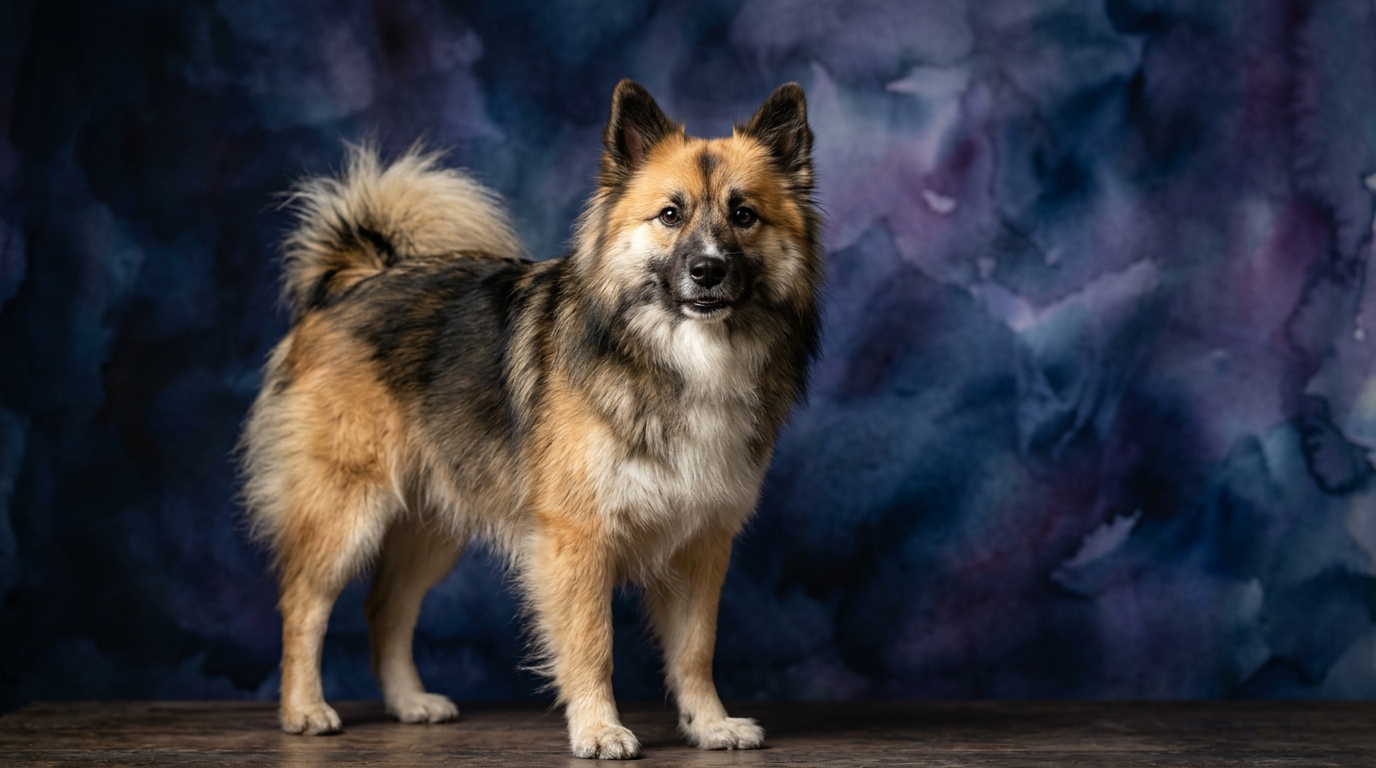
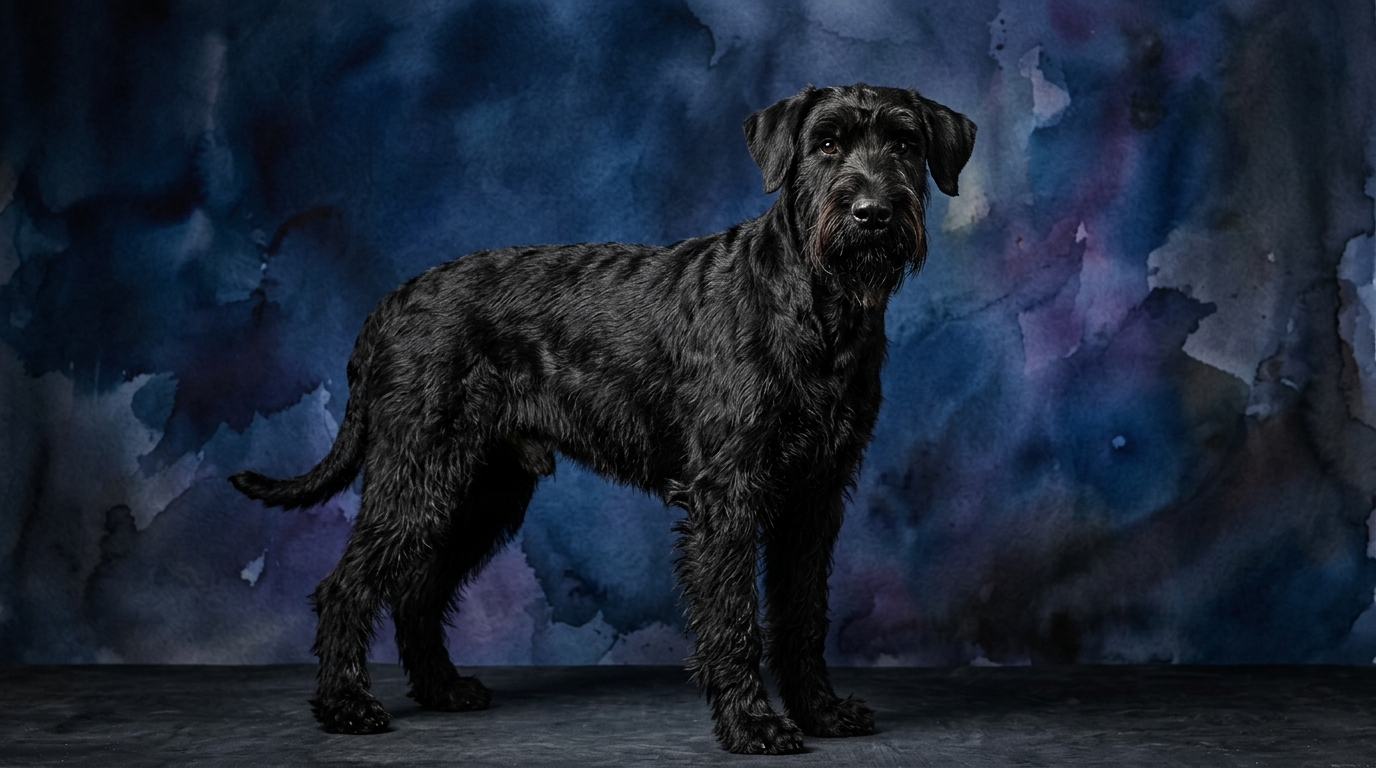
Side-by-Side IQ Profile: Icelandic Sheepdog vs. Giant Schnauzer
The Cosmic Pet Pet IQ Lab employs a multi-dimensional approach to assess canine cognition, moving beyond simple obedience to explore the nuances of a dog's mind. For the Icelandic Sheepdog, a breed deeply connected to its ancient herding roots, we observe a balanced cognitive profile. Their Problem Solving is rated 3/5, reflecting their ability to navigate complex, varied terrain and manage livestock with a degree of independence. Training Speed also stands at 3/5; they are generally eager learners, though their herding instincts can sometimes lead to self-directed decisions. Social Intelligence is 3/5, indicative of their strong familial bonds and ability to communicate effectively within their social groups and with their flock. Their Instinctive Drive, rated 3/5, primarily manifests as a strong herding impulse and a tendency to bark to communicate. Finally, their Memory is 3/5, allowing them to recall routines, learn boundaries, and recognize individual animals within a flock.
In contrast, the Giant Schnauzer, a powerful working breed with a history spanning guarding, police work, and military service, presents a profile geared toward structured tasks and rapid learning. Their Problem Solving scores 4/5, highlighting an aptitude for complex, strategic tasks, often involving protection or discerning threats. Training Speed is notably higher at 4/5; these dogs typically grasp new commands swiftly and enjoy the challenge of advanced learning. Social Intelligence for the Giant Schnauzer is 3/5, signifying deep loyalty to their family while often maintaining a reserved demeanor with strangers. Their Instinctive Drive, 3/5, is largely channeled into guarding, protection, and a focused prey drive. Crucially, their Memory is 4/5, enabling them to retain extensive repertoires of commands and perform intricate sequences with precision, contributing to their placement at Coren rank #28, a measure of working and obedience intelligence.
Where the Icelandic Sheepdog Shines Cognitively
The Icelandic Sheepdog excels in specific cognitive domains that reflect its pastoral heritage. Their Problem Solving, while not as highly rated for complex, structured tasks as the Giant Schnauzer, truly shines in dynamic, unstructured environments. They possess an innate ability to adapt to changing flock movements, varying weather conditions, and unpredictable terrain, often making independent decisions crucial for livestock management. This isn't about learning a fixed sequence of commands, but rather about fluidly assessing a situation and reacting appropriately, such as skillfully gathering scattered sheep or guiding them through difficult passages. Their social intelligence, at 3/5, is particularly adept at reading the nuanced body language of both livestock and humans, using a rich vocabulary of barks and physical cues to communicate intent and manage their charges effectively. This form of social communication is a cornerstone of their working success, requiring a keen awareness of their environment and the individuals within it. Their memory, while not for extensive command lists, is robust for remembering faces, places, and routines critical to their daily herding life, enabling them to operate with reliability in their traditional role.
Where the Giant Schnauzer Demonstrates Cognitive Superiority
The Giant Schnauzer's cognitive strengths are particularly pronounced in areas demanding structured learning, rapid command acquisition, and sustained focus on complex tasks. Their 4/5 rating in Training Speed indicates an impressive ability to quickly understand and execute new directives, making them highly responsive to formal training regimens. This rapid assimilation of information is coupled with a superior 4/5 Memory, allowing them to retain a vast array of commands and intricate behavioral sequences over long periods. This combination makes them exceptional candidates for advanced obedience, protection work, and specialized roles where precision and reliability are paramount. Their Problem Solving, also at 4/5, often manifests as strategic thinking in scenarios requiring decision-making under pressure, such as assessing threats or navigating obstacle courses with purpose. Unlike the fluid adaptability of the Icelandic Sheepdog, the Giant Schnauzer's problem-solving often involves applying learned rules and complex strategies to achieve a specific, directed outcome, showcasing a different but equally valuable form of cognitive prowess.
Training Dynamics: Which Breed is Easier to Shape?
When considering ease of training, the Giant Schnauzer generally presents a more straightforward path for handlers seeking quick results in structured obedience. Their higher Training Speed (4/5) and Memory (4/5) mean they absorb and retain commands with remarkable efficiency. Giant Schnauzers thrive on clear, consistent direction and mental challenges, often eager to engage in advanced training exercises like agility, competitive obedience, or protection work. They tend to exhibit a strong desire to work alongside their handler, making them highly receptive to instruction. Their instinctive drive, while present, is often readily channeled into directed tasks, allowing for a focused training experience.
The Icelandic Sheepdog, with its 3/5 ratings in Training Speed and Memory, is certainly trainable, but their process might require a different approach. Their herding instincts and independent decision-making in the field can sometimes translate into a more opinionated approach to training, where they might question or attempt to modify commands. While they bond deeply with their families and are generally eager to please, their training benefits from patience, positive reinforcement, and a deep understanding of their vocal nature and environmental awareness. Owners should be prepared for their tendency to use barking as a communication tool, which needs to be managed during training. While they might not learn a complex routine as quickly as a Giant Schnauzer, their willingness to engage and their adaptability make them rewarding to train for those who appreciate their unique cognitive style.
Matching Breeds to Lifestyles: Active vs. Relaxed Owners
Neither the Icelandic Sheepdog nor the Giant Schnauzer is ideally suited for truly relaxed, sedentary owners, as both are working breeds requiring consistent engagement. However, the nature and intensity of that engagement differ significantly. The Giant Schnauzer is best suited for highly active owners who can provide not just physical exercise but also substantial, structured mental stimulation daily. They thrive on having a 'job,' whether it's advanced obedience, canine sports, or protection training. Their need for purpose and a strong mental workout means they are ideal for owners committed to ongoing, demanding activities. A Giant Schnauzer without sufficient mental and physical outlets can become bored and potentially destructive, requiring an owner who understands their drive and can channel it productively.
The Icelandic Sheepdog, while also active, suits owners who appreciate a different kind of engagement. They need consistent physical activity, enjoying long walks, hikes, and opportunities for free-ranging exploration in secure areas. Their herding instincts mean they enjoy games that simulate herding, but their mental stimulation often comes from being an active participant in family life and observing their environment. They are more adaptable to varied activities than strictly structured work. They are a better fit for active owners who seek a companion for outdoor adventures and family involvement, rather than an intense working partner for competitive sports. While they need exercise, their mental demands are often met through companionship and environmental interaction rather than rigorous, formal training sessions.
FAQs on Icelandic Sheepdog and Giant Schnauzer Intelligence
Are Icelandic Sheepdogs good family dogs?
Yes, Icelandic Sheepdogs are typically excellent family dogs. They form strong bonds with their human companions, are generally good with children, and possess a friendly, eager-to-please disposition. Their social intelligence and desire for companionship make them thrive in an active family environment.
Do Giant Schnauzers need a lot of grooming?
Giant Schnauzers do require regular grooming to maintain their distinctive coat. This includes daily brushing to prevent mats, as well as professional stripping or clipping every few months to keep their coat healthy and tidy. Their facial furnishings also need attention to prevent food and debris buildup.
What are the main differences in exercise needs?
The Giant Schnauzer requires intense, structured physical and mental exercise, such as advanced obedience, agility, or protection work, for at least 60-90 minutes daily. The Icelandic Sheepdog needs consistent physical activity like long walks, hikes, and playtime, often enjoying more free-form exploration and family activities for similar durations, but with less emphasis on formal 'work'.
The Verdict
Choose the Icelandic Sheepdog if you seek a highly adaptable, communicative companion for outdoor adventures and family life, valuing nuanced environmental awareness over rigid obedience. They thrive with owners who appreciate their independent spirit and vocal nature in a less structured setting.
Opt for the Giant Schnauzer if you desire a driven, highly trainable working partner capable of mastering complex tasks and thriving on rigorous, structured mental and physical challenges. They are best for dedicated owners who can provide consistent, demanding training and a clear purpose.
🧠 Find Your Pet's IQ Score
Our Pet IQ Lab assessment covers 25+ tests across 5 cognitive dimensions — personalized to your breed.
Take the Full IQ Test →