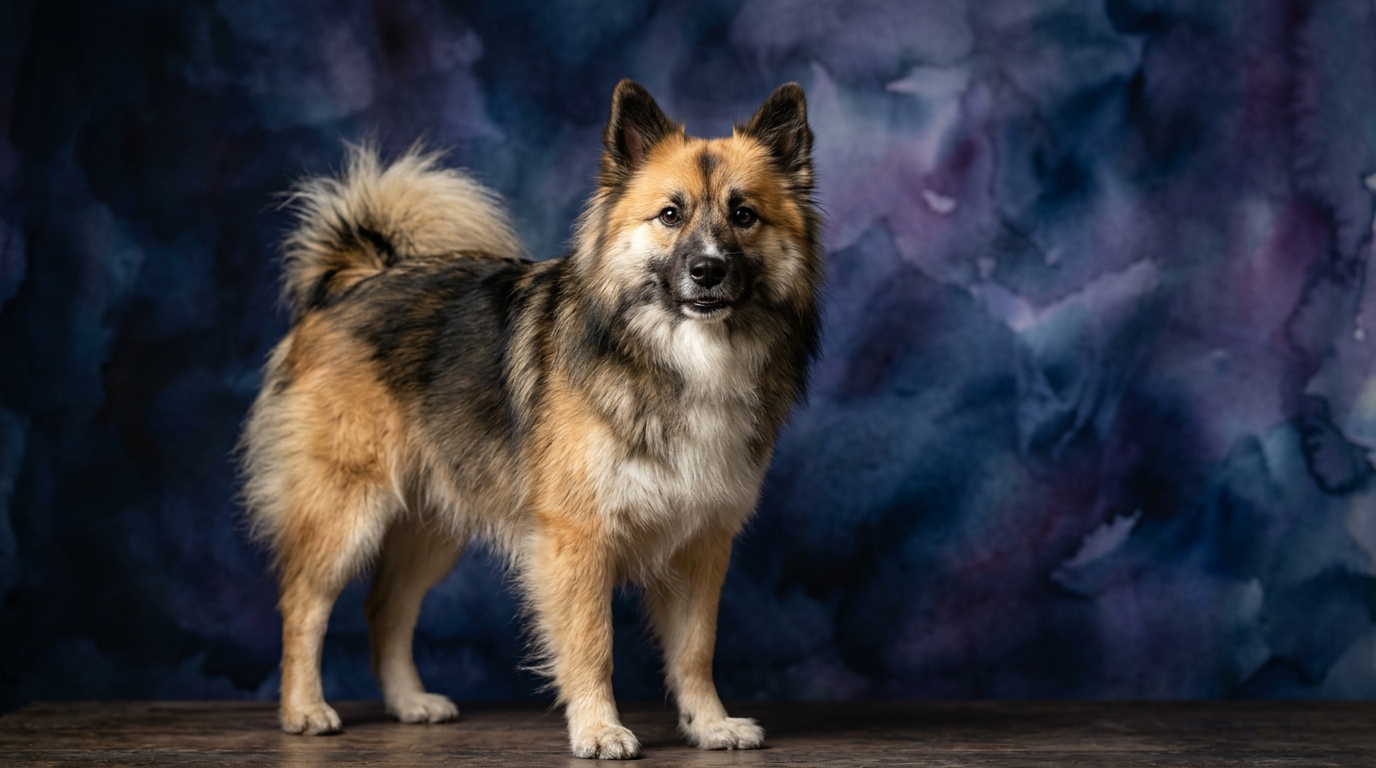
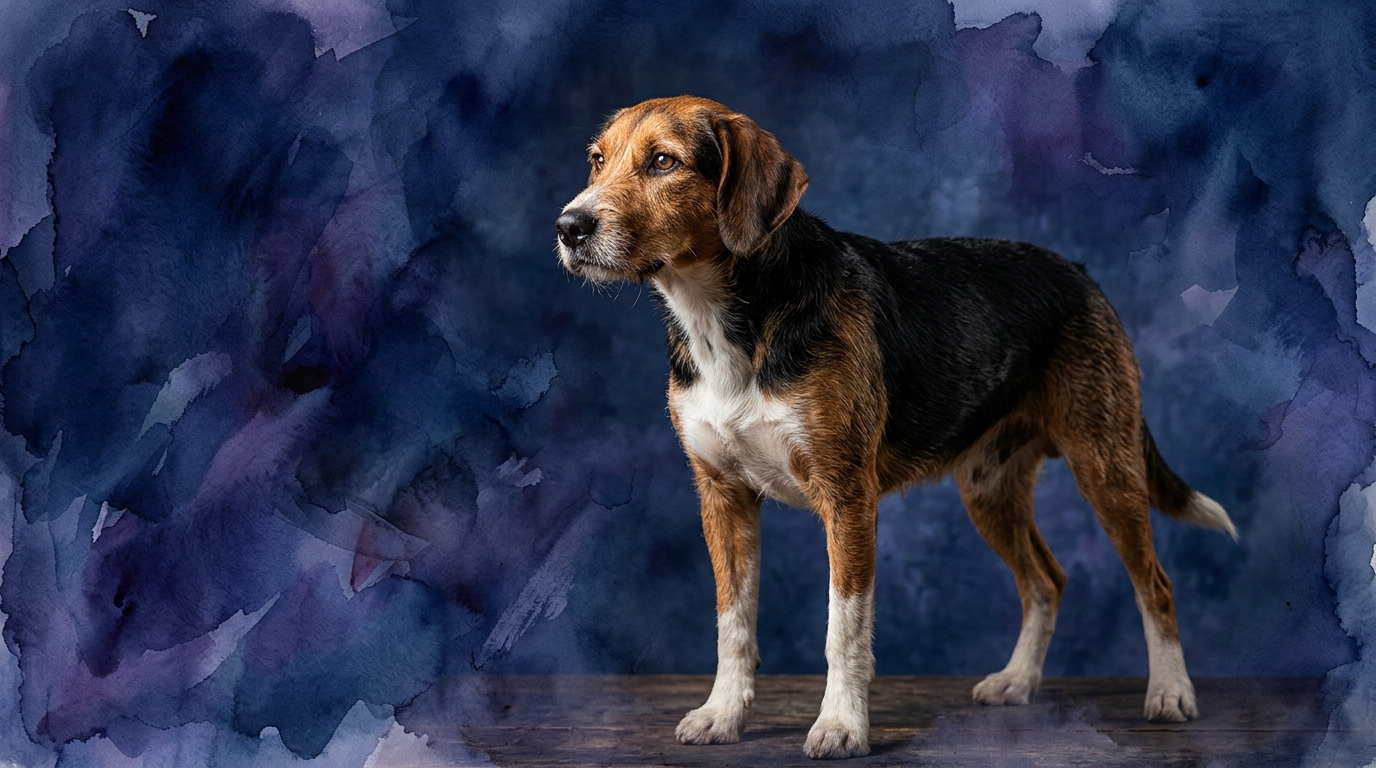
Side-by-Side Cognitive Profile: Icelandic Sheepdog vs. Harrier
Both the Icelandic Sheepdog and the Harrier consistently score a 3 out of 5 across all five cognitive dimensions in The Cosmic Pet IQ Lab, indicating a robust, functional intelligence without extreme specialization. For Problem Solving (3/5), each breed shows a moderate capacity to navigate new challenges; an Icelandic Sheepdog might creatively redirect a 'straying flock' of toys, while a Harrier might persistently work to uncover a hidden scent. Their Training Speed (3/5) suggests they are steady learners, requiring consistent, clear instruction rather than instant comprehension. Social Intelligence (3/5) means both can form bonds and understand human cues, though they may not possess the profound intuitive grasp of some highly cooperative breeds. Their Instinctive Drive (3/5) is present and influential but manageable: the Icelandic Sheepdog exhibits a natural inclination to gather, while the Harrier possesses a pronounced drive to follow scent. Finally, Memory (3/5) indicates a reasonable capacity to recall learned commands, routines, and familiar environments. These consistent scores highlight a balanced cognitive profile for both, making distinctions based on their historical roles crucial.
Where the Icelandic Sheepdog Wins Cognitively
The Icelandic Sheepdog's herding legacy provides distinct cognitive strengths rooted in cooperative work. Their problem-solving, while 3/5, often manifests as a keen ability to understand complex command sequences and anticipate human intentions, vital for livestock management. This isn't just command recall, but contextual understanding within a broader task, like proactively blocking a perceived escape route during family play. Their social intelligence (3/5) is particularly geared towards close partnership, making them adept at reading subtle handler cues. This cooperative intelligence allows them to excel in teamwork activities such as obedience or agility, motivated by working with their person. Their moderate memory is strong for routines and the spatial awareness needed to manage dynamic groups, efficiently tracking family members or navigating familiar territories.
Where the Harrier Wins Cognitively
The Harrier's cognitive strengths, also rated 3/5, are uniquely shaped by its history as a scent hound, demanding independence and sustained focus on specific sensory tasks. Their problem-solving shines in tracking, where they tenaciously follow complex scent trails, overcoming distractions through autonomous decision-making. This is about unraveling olfactory puzzles, a different persistence than a herding dog's. Their instinctive drive (3/5) is powerfully channeled through their nose, enabling single-minded commitment to a trail. This specialized focus, while challenging domestically, is a cognitive advantage for tasks requiring specialized sensory processing and an unyielding drive for an instinct-driven objective. Their memory, while moderate, is particularly strong for scent profiles and terrain, crucial for recalling specific smells and navigating environments based on olfactory cues during a hunt.
Which is Easier to Train and Why
The nuances of their 3/5 training speed become apparent when considering breed instincts. The Icelandic Sheepdog, a herding breed, generally exhibits a stronger innate desire to please and work cooperatively with humans. Their instincts align with responding to commands and participating in shared tasks, making them more receptive to traditional obedience training. They find satisfaction in performing for their handler, and their social intelligence (3/5) aids in understanding human expectations. While requiring consistent effort, their inherent willingness to engage and focus on their human partner often makes training feel more straightforward, as they maintain eye contact, awaiting instruction. In contrast, the Harrier, a hound, possesses a strong independent streak and powerful instinctive drive (3/5) for scent. Their primary motivation often lies in following their nose, diverting focus from human commands when a compelling scent is present. Training Harriers demands more patience, creativity, and understanding of their prey drive. While capable, their attention easily shifts to environmental stimuli, potentially prioritizing a scent over a command if not properly motivated. Thus, for the average owner, the Icelandic Sheepdog typically offers a less challenging training journey due to its intrinsic cooperative nature.
Which Suits Active Owners vs. Relaxed Owners
Both the Icelandic Sheepdog and the Harrier are active breeds, though their needs suit distinct owner types. The Icelandic Sheepdog thrives with structured activities engaging their cooperative intelligence and herding instincts. They need daily walks plus dog sports like agility or obedience, finding satisfaction in a 'job' within a human-directed context. Their social intelligence (3/5) means they genuinely enjoy family involvement and interactive mental stimulation. Owners who enjoy training, hiking, and integrating their dog into daily routines will find them rewarding. While active, they can settle indoors after sufficient exertion, suiting owners wanting a cooperative partner who also appreciates quiet evenings. The Harrier demands an owner dedicated to fulfilling its profound need for independent exploration and scent work. Their instinctive drive (3/5) for a trail is paramount, requiring extensive off-leash running in secure areas or structured scent games; a casual walk is often insufficient. Owners must be prepared for single-mindedness on scent, potentially ignoring calls. Their problem-solving (3/5) is best engaged when allowed to 'hunt' or participate in tracking sports. Harriers suit owners committed to vigorous runs, extensive scent work, or field activities, comfortable with a dog prioritizing its nose over human directives. Neither breed suits truly sedentary owners, but the Icelandic Sheepdog offers a more adaptable activity profile for a cooperative partner, while the Harrier demands dedication to its specialized, independent drives.
The Verdict
Select the Icelandic Sheepdog if you desire a cooperative companion for dog sports and family activities, appreciating a dog whose moderate intelligence is geared towards working alongside you. Their eagerness to please makes them a good fit for consistent, positive reinforcement training and an owner who enjoys structured engagement.
Opt for the Harrier if you are an active individual passionate about scent work, tracking, or long runs, and are prepared to manage a dog with a powerful, independent drive. Their unique cognitive strengths shine when allowed to pursue their olfactory interests, making them ideal for dedicated hound enthusiasts.
🧠 Find Your Pet's IQ Score
Our Pet IQ Lab assessment covers 25+ tests across 5 cognitive dimensions — personalized to your breed.
Take the Full IQ Test →Frequently Asked Questions
Do Icelandic Sheepdogs make good family pets?
Yes, Icelandic Sheepdogs generally make good family pets due to their social intelligence (3/5) and cooperative nature. They are typically affectionate with their family members and enjoy being involved in household activities, thriving on interaction and a sense of belonging.
Are Harriers difficult to train?
Harriers can be more challenging to train than some other breeds due to their strong independent streak and powerful instinctive drive (3/5) for scent. While capable of learning, their attention can be easily diverted, requiring patient, consistent, and highly motivating training methods.
Which breed is better for apartment living?
Neither breed is ideally suited for apartment living without significant commitment to exercise and mental stimulation outside the home. However, the Icelandic Sheepdog might adapt slightly better if its social and cooperative needs are met through daily interaction and structured activities, whereas a Harrier's independent scent drive requires more open space for exploration.