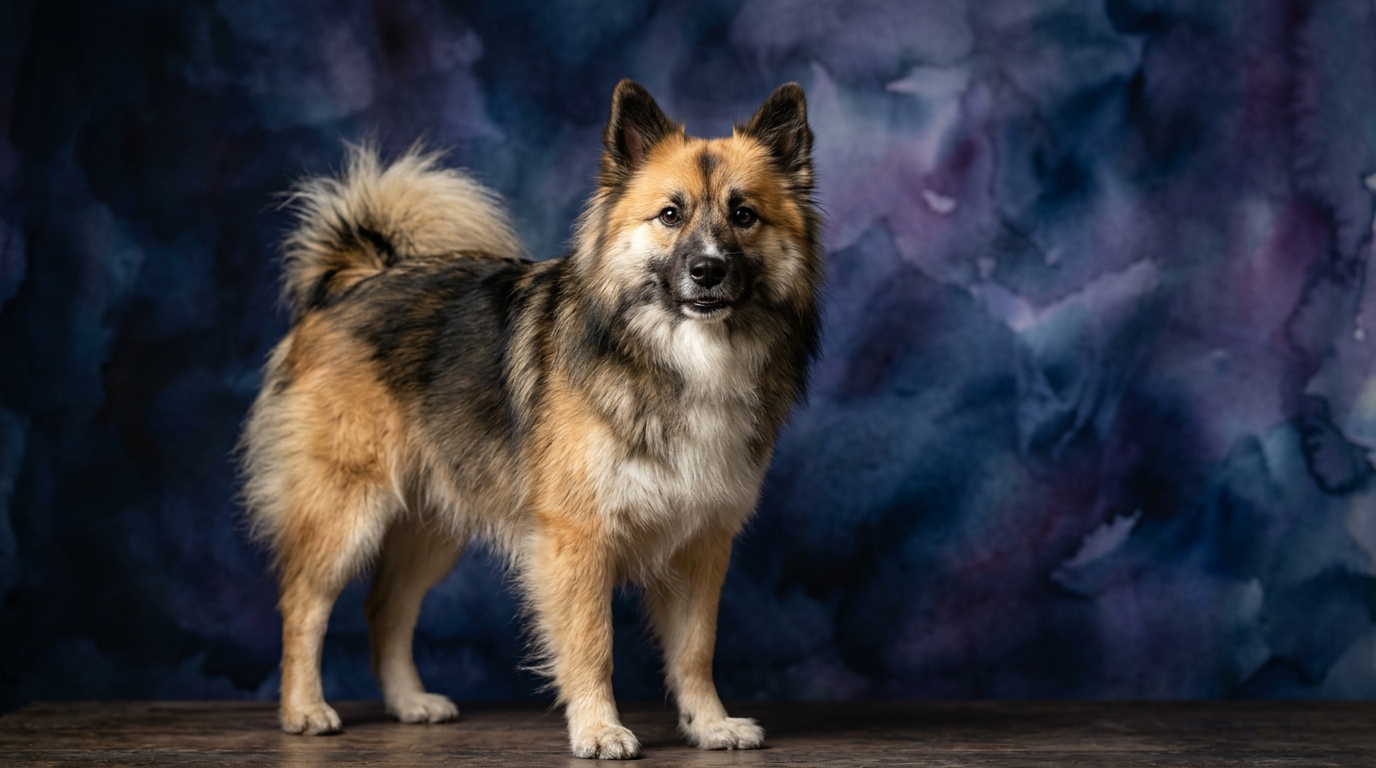
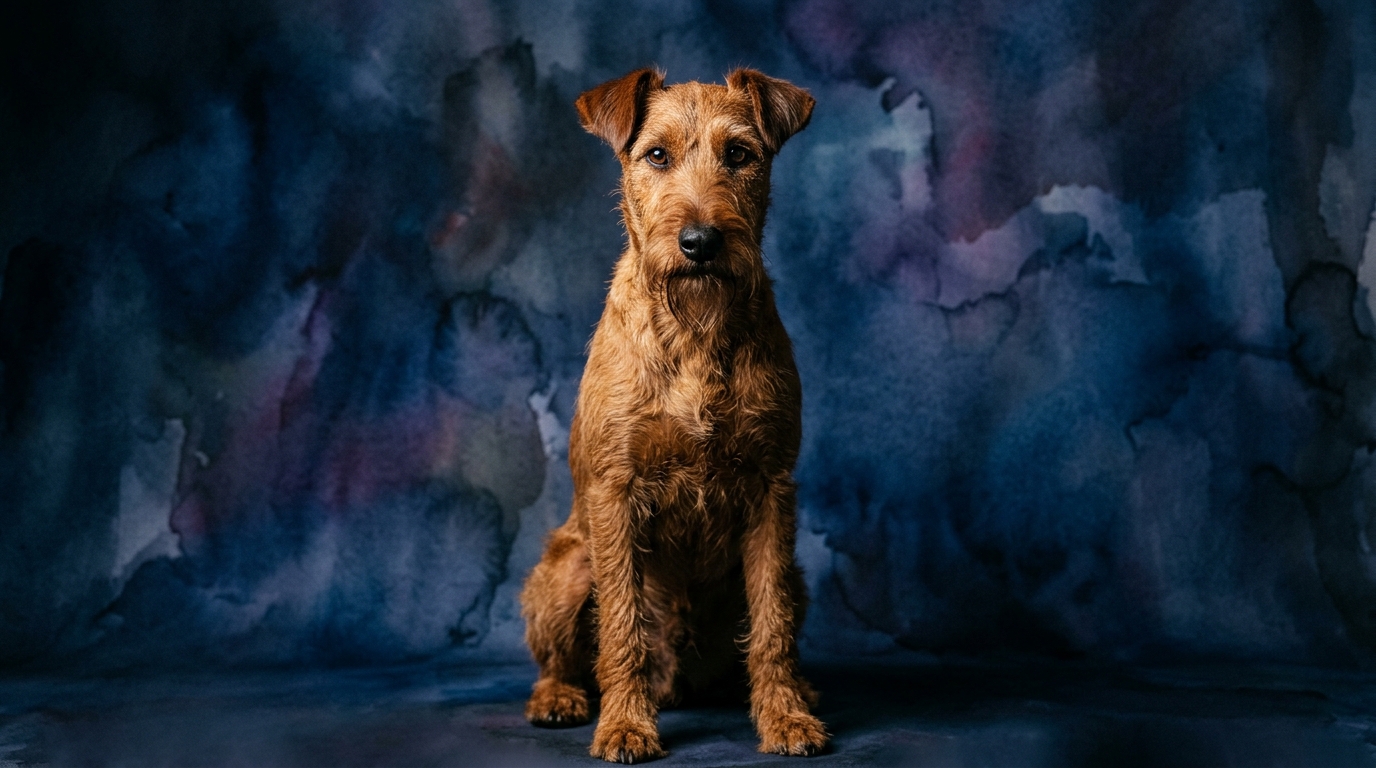
Side-by-Side IQ Profile: Nuances Behind the Numbers
Both the Icelandic Sheepdog and the Irish Terrier score a 3 out of 5 across all five measured intelligence dimensions: Problem Solving, Training Speed, Social Intelligence, Instinctive Drive, and Memory. While these identical scores might suggest similar cognitive capacities, their application and manifestation in daily life are profoundly distinct, stemming from their ancestral roles.
For the Icelandic Sheepdog, a herding breed, a Problem Solving score of 3/5 reflects an ability to navigate complex situations involving livestock, adapting strategies to guide and manage a flock. Their Training Speed at 3/5 indicates a steady capacity to learn and retain commands, often motivated by a desire to work alongside their human companions. Social Intelligence, also 3/5, underscores their attentiveness to handler cues and their ability to integrate into a family unit, often with a communicative barking style. Their Instinctive Drive, a 3/5, is largely channeled towards herding, vigilance, and vocal communication, while their Memory, also 3/5, supports learning routines, remembering tasks, and recalling specific locations or people.
Conversely, the Irish Terrier, a robust terrier breed, applies its 3/5 Problem Solving capacity to independent tasks like hunting vermin, figuring out how to access enticing smells, or outsmarting perceived obstacles. Their 3/5 Training Speed means they are certainly capable learners, but their independent spirit often requires engaging, consistent, and reward-based methods to maintain focus. A Social Intelligence score of 3/5 for the Irish Terrier often translates to a deep bond with their immediate family, combined with a more discerning approach to strangers or other animals. Their 3/5 Instinctive Drive is powerfully geared towards prey drive, digging, and territorial vigilance, and their Memory, also 3/5, is often excellent for remembering targets, routes, and past successes in their independent endeavors.
Where the Icelandic Sheepdog Wins Cognitively
The Icelandic Sheepdog exhibits a cognitive advantage in areas requiring cooperative problem-solving and nuanced communication within a social structure. Their herding lineage primes them for tasks demanding attentiveness to human direction and an ability to respond to subtle cues, making them particularly adept at structured obedience and agility. Their social intelligence, while rated the same as the Irish Terrier, manifests as a greater inclination towards collaborative effort, often seeking to understand and fulfill their handler's expectations rather than pursuing independent agendas. This breed's memory is often finely tuned for remembering complex sequences of commands and the spatial layout of their environment, which is crucial for flock management or navigating varied terrains.
Their cognitive strengths shine in situations where a dog needs to be highly responsive and adaptable to changes in their human's plan. For example, in a dynamic herding trial or a complex obedience routine, an Icelandic Sheepdog's ability to process new information quickly and adjust their actions based on handler feedback gives them an edge. They tend to be more emotionally attuned to their human companions, translating into a cognitive style that prioritizes harmony and teamwork, which can make them more predictable and easier to guide through novel challenges.
Where the Irish Terrier Wins Cognitively
The Irish Terrier demonstrates cognitive superiority in domains demanding independent thought, tenacity, and a self-driven approach to challenges. Their terrier heritage fosters a problem-solving style focused on achieving personal goals, whether it's unearthing a perceived rodent or figuring out how to bypass a barrier to investigate an interesting scent. This breed's instinctive drive, while rated 3/5, is channeled into a persistent pursuit of targets, often displaying remarkable ingenuity in overcoming obstacles without direct human intervention. Their memory is particularly robust for recalling successful strategies in these independent ventures and for identifying specific areas of interest or potential prey.
Their cognitive strengths are most apparent when faced with situations requiring boldness and resourcefulness. An Irish Terrier might excel at figuring out how to open a gate or dig under a fence if motivated by a compelling scent, showcasing a proactive and solution-oriented mind that doesn't always wait for instruction. While their social intelligence is rated 3/5, it often comes with a strong sense of self-preservation and a distinct preference for handling situations on their own terms, making them exceptionally resilient and confident in novel or potentially challenging environments.
Which is Easier to Train and Why
When considering ease of training, the Icelandic Sheepdog generally presents a more straightforward experience for the average owner. Their herding background has ingrained a strong desire to work cooperatively with humans, coupled with a keen attentiveness to their handler's voice and body language. This breed’s social intelligence and natural inclination to please mean they often respond enthusiastically to positive reinforcement, quickly connecting actions with rewards. Their training speed, while 3/5, benefits from their eager-to-learn disposition and a lower propensity to get sidetracked by independent pursuits, leading to more consistent progress in structured training sessions. They thrive on clear communication and consistent routines, making them excellent candidates for various dog sports and obedience work.
The Irish Terrier, while equally capable of learning with a 3/5 training speed, often requires a more nuanced and patient approach due to their independent and spirited nature. Their strong instinctive drives, particularly prey drive, can make focus challenging in distracting environments. An Irish Terrier's problem-solving skills might be employed to find ways around commands they deem uninteresting, rather than simply complying. Training an Irish Terrier demands creativity, consistency, and a deep understanding of their terrier temperament; owners must make training engaging and demonstrate why compliance benefits the dog. While they form deep bonds, their social intelligence often manifests as a desire for a partnership built on mutual respect rather than subservience, meaning they may challenge boundaries more frequently than an Icelandic Sheepdog.
Which Suits Active Owners vs. Relaxed Owners
Both the Icelandic Sheepdog and the Irish Terrier are active breeds that require substantial physical and mental engagement, making neither truly suited for a relaxed, sedentary owner. However, the *nature* of their activity preferences differs significantly. The Icelandic Sheepdog thrives on structured activities that engage their herding instincts and cooperative intelligence. This includes long walks, hiking, agility, obedience, and puzzle toys that simulate problem-solving tasks. They enjoy being active participants in family life and generally respond well to consistent routines and predictable environments. An active owner who enjoys outdoor adventures and wants a companion eager to learn and work alongside them would find a strong match.
The Irish Terrier, while also requiring significant activity, often expresses its energy with a more independent and vigorous flair. They need outlets for their strong prey drive, which can manifest as enthusiastic chasing, digging, and exploring. Their boundless energy and spirited nature mean they require consistent exercise, including off-leash running in secure areas, vigorous play sessions, and engaging mental challenges that prevent boredom. A relaxed owner would quickly find an Irish Terrier inventing its own (potentially destructive) entertainment. This breed is best suited for an active, experienced owner who appreciates a bold, adventurous companion and can provide consistent training, ample opportunities for vigorous play, and outlets for their strong terrier drives.
The Verdict
Choose the Icelandic Sheepdog if you seek a highly cooperative companion eager to learn structured tasks, thrives on teamwork, and communicates readily within a family setting.
Opt for the Irish Terrier if you appreciate an independent, spirited dog with a tenacious problem-solving approach, a bold personality, and are prepared for consistent, engaging training.
🧠 Find Your Pet's IQ Score
Our Pet IQ Lab assessment covers 25+ tests across 5 cognitive dimensions — personalized to your breed.
Take the Full IQ Test →Frequently Asked Questions
Do Icelandic Sheepdogs bark a lot?
Yes, Icelandic Sheepdogs are known for being vocal. Their herding background means they often use barking to communicate, alert, and manage their environment, requiring consistent training to manage this trait.
Are Irish Terriers good with other pets?
Irish Terriers can coexist with other pets, especially if raised together, but their strong prey drive can make them challenging with smaller animals. Careful introductions and supervision are crucial for harmonious multi-pet households.
Which breed is better for first-time dog owners?
The Icelandic Sheepdog is generally more forgiving for first-time owners due to their cooperative nature and eagerness to please. The Irish Terrier's independent spirit and strong drives often require a more experienced hand in training and management.