Side-by-Side IQ Profile: Herding Adaptability vs. Guardian Discernment
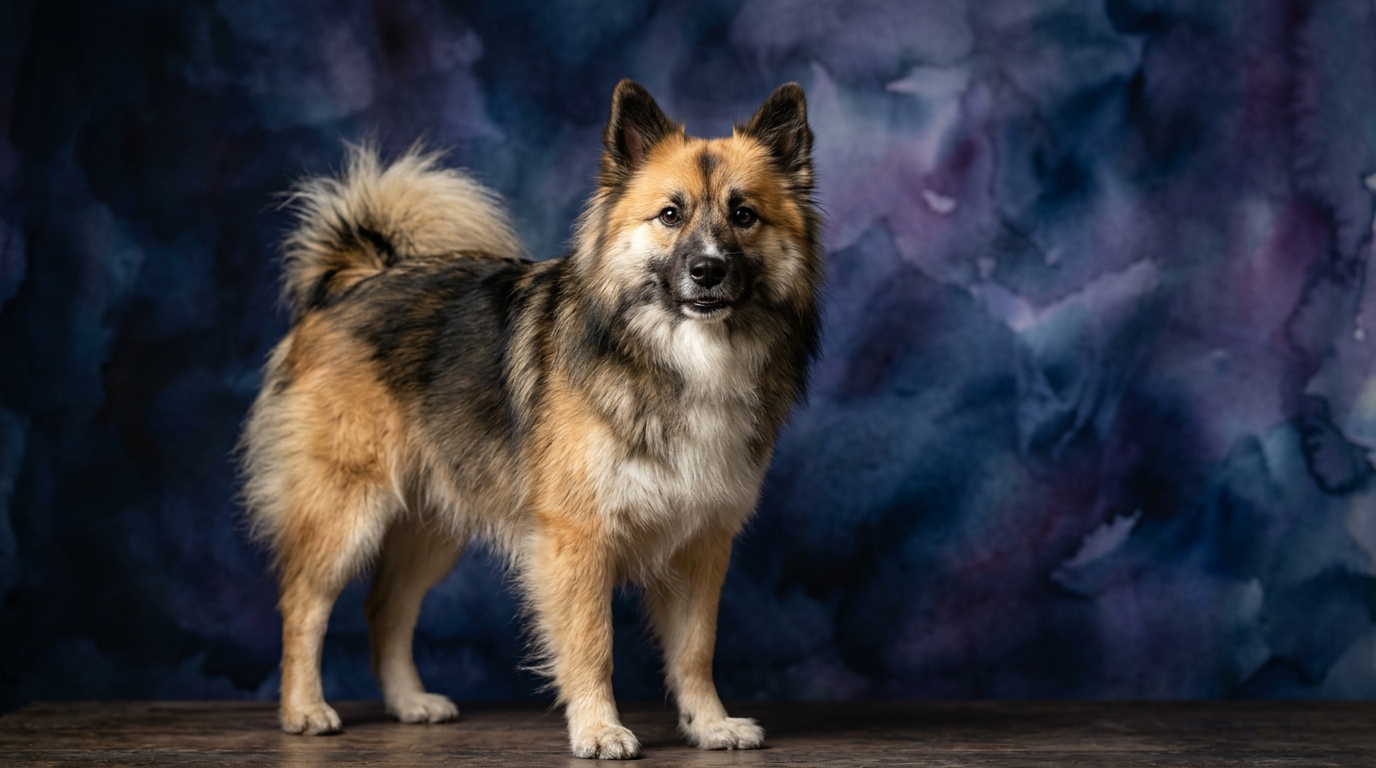
The Icelandic Sheepdog, a herding breed without a specific ranking in Coren's studies, presents a balanced cognitive profile across five key dimensions, each registering a 3/5. Their Problem Solving (3/5) manifests as a moderate capacity for independent thought, often applied to navigating complex terrains or outmaneuvering stubborn livestock in a practical, rather than overly analytical, manner. Training Speed (3/5) indicates they learn new commands at a steady pace, benefiting from consistent, positive reinforcement, with their willingness to engage contributing to a cooperative learning curve. Social Intelligence (3/5) allows them to read subtle cues from both human companions and their flock, adapting their behavior for harmonious interactions. Their Instinctive Drive (3/5) for herding is present but balanced, focused on gathering and moving rather than intense stalking, making them responsive to direction. Finally, Memory (3/5) ensures they retain commands and routines, contributing to their reliability as working companions.
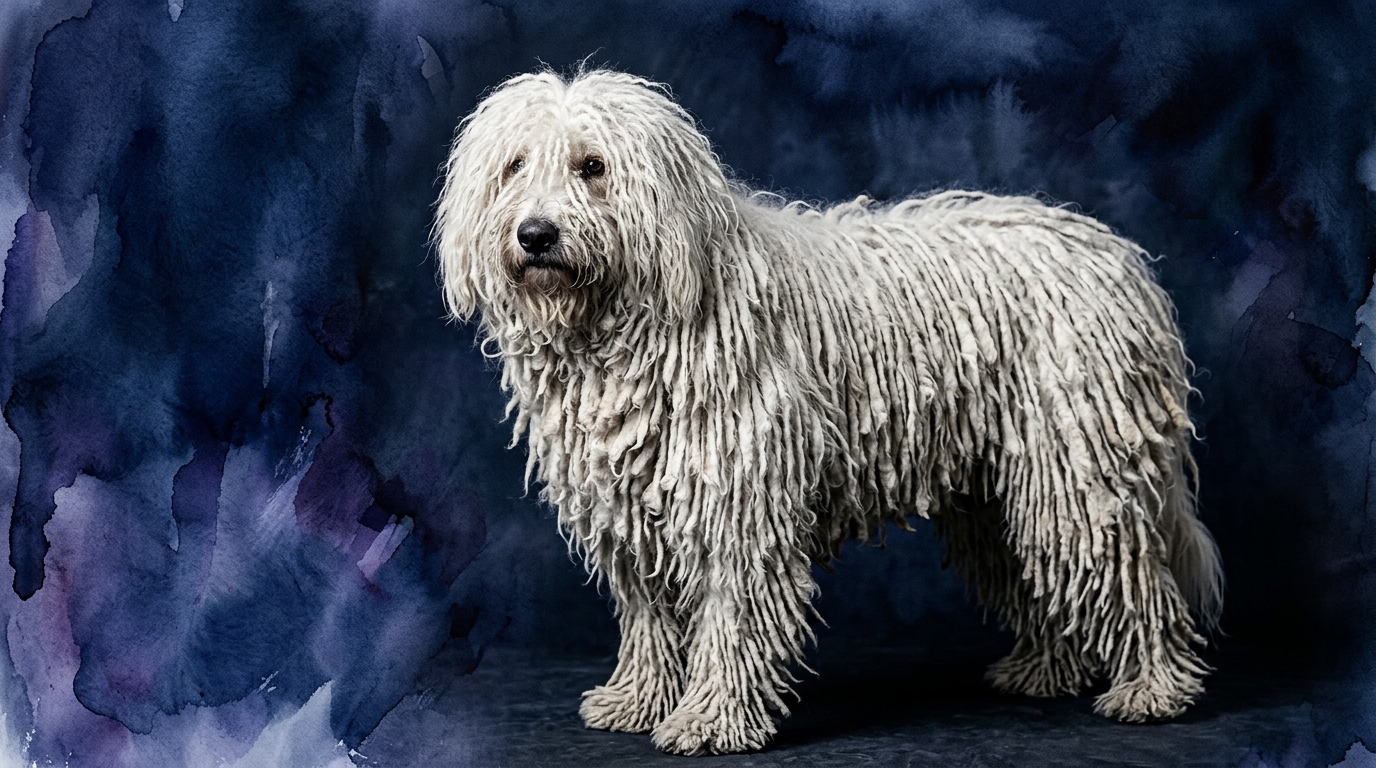
The Komondor, a working breed recognized at Coren rank #67, also exhibits a consistent 3/5 across the same five intelligence dimensions, showcasing a distinct application of these mental aptitudes. Their Problem Solving (3/5) is geared towards autonomous decision-making in guardian scenarios, evaluating potential threats and determining responses without constant human input. Training Speed (3/5) suggests they learn at a moderate rate, but their independent nature often means they require a clear purpose for tasks, retaining information effectively once convinced of its utility. Social Intelligence (3/5) is finely tuned for discernment, allowing them to distinguish between familiar family members and potential intruders, interpreting subtle human demeanor shifts to inform protective responses. The Komondor’s Instinctive Drive (3/5) for guarding is robust and deeply ingrained, manifesting as a vigilant watchfulness over their charges, a persistent protective presence. Memory (3/5) is vital for their consistent role, enabling them to recall territory, flock, and those they protect, building a comprehensive mental map of their environment.
Where the Icelandic Sheepdog Wins Cognitively
Despite both breeds scoring 3/5 in problem-solving, the Icelandic Sheepdog's cognitive strengths lean towards adaptable execution within dynamic social contexts. Their problem-solving is often less about solitary judgment and more about collaborative decision-making, such as figuring out the best path to move a scattered flock while working in tandem with a human handler. This nuanced application of problem-solving allows them to excel in fluid, cooperative tasks where the 'problem' is constantly shifting and requires immediate, practical solutions.
The Icelandic Sheepdog's balanced social intelligence and moderate instinctive drive combine to create a dog exceptionally attuned to nuanced communication within a group. While a Komondor's social intelligence might focus on threat assessment, the Icelandic Sheepdog's manifests as a keen ability to read the body language of both sheep and humans, adjusting their herding style accordingly. This makes them more adept at tasks requiring constant feedback and modification based on subtle environmental and social cues. Their memory, while moderate, is particularly effective at retaining complex sequences of actions and handler signals, which is critical for consistent herding performance across varied conditions.
Where the Komondor Wins Cognitively
The Komondor's cognitive profile, while also scoring 3/5 across the board, shines in areas demanding independent assessment and unwavering commitment to a specific role. Their problem-solving is distinctively geared towards autonomous decision-making in guardian scenarios. For example, a Komondor might independently evaluate a novel sound or scent on its territory, determining if it poses a threat and how best to respond without waiting for human instruction. This self-reliance in threat assessment and rapid, decisive action is a hallmark of their cognitive application.
The Komondor's moderate social intelligence, combined with its strong instinctive drive, fosters a deep-seated discernment that is less about cooperation and more about protection. They excel at identifying deviations from the norm within their established environment and distinguishing between benign and potentially harmful presences. Their memory, while also 3/5, is particularly robust for recalling patterns of normal behavior, familiar faces, and established boundaries, enabling them to act as vigilant, self-regulating protectors. This cognitive framework allows them to maintain a consistent, watchful presence, making independent judgments about safety and security without constant validation.
Which is Easier to Train and Why
The Icelandic Sheepdog generally presents an easier training experience for most owners, primarily due to their intrinsic desire for social engagement and cooperative partnership. Their moderate training speed of 3/5 is augmented by their strong social intelligence (3/5), which makes them receptive to human cues and eager to please their handler. They thrive on positive reinforcement and clear communication, readily forming a bond that facilitates learning. Their herding drive, while present, is typically channeled into directed activities rather than independent pursuits, making them more pliable in structured training environments. They are less likely to question a command's utility if it comes from a trusted human.
In contrast, the Komondor's 3/5 training speed is often influenced by their inherent independence and guardian mentality. While they are capable learners, their problem-solving (3/5) and instinctive drive (3/5) often lead them to prioritize their perceived duties over immediate obedience to a command that doesn't align with their protective instincts. Training a Komondor requires immense patience, consistency, and a deep understanding of their guardian role. They respond best to training that makes logical sense from their perspective, often requiring the owner to earn their respect and demonstrate leadership rather than simply giving commands. Their social intelligence, while moderate, is more focused on discernment than eagerness to please, making them less outwardly effusive in their training responses.
Which Suits Active Owners vs. Relaxed Owners
The Icelandic Sheepdog is a clear match for active owners who relish regular engagement and outdoor adventures. Their herding background means they possess a moderate instinctive drive (3/5) for activity and purpose, thriving on opportunities to use their bodies and minds. They enjoy structured walks, interactive games, and dog sports like agility or rally. Their balanced problem-solving and social intelligence make them eager participants in family activities, always ready for the next adventure. Relaxed owners might find their need for engagement and mental stimulation overwhelming, potentially leading to boredom-related behaviors if not adequately addressed.
The Komondor, while requiring consistent exercise to maintain their imposing physique, might surprisingly appeal to a more 'relaxed' owner in terms of constant interaction, provided that 'relaxed' means a watchful presence rather than an actively engaging companion. Their guardian role cultivates a calm, observant demeanor for much of the day, particularly once their territory is secure. They are not typically dogs that demand constant play or high-intensity activities beyond their regular patrolling. However, 'relaxed' does not mean hands-off; Komondors require owners who are firm, consistent leaders and understand the breed's need for space and independent decision-making in guarding tasks. They are not suited for owners seeking a highly biddable or intensely social dog for constant companionship; rather, they prefer a watchful, independent role.
The Verdict
Choose an Icelandic Sheepdog if you seek an engaged, cooperative companion eager to participate in family activities and structured training. They thrive with owners who provide consistent mental and physical stimulation, appreciating their adaptable nature.
Opt for a Komondor if you need a vigilant, independent guardian and are prepared to commit to an owner-dog dynamic built on respect and understanding of their protective instincts. They suit those who appreciate a dog's self-reliance and calm, watchful presence.
🧠 Find Your Pet's IQ Score
Our Pet IQ Lab assessment covers 25+ tests across 5 cognitive dimensions — personalized to your breed.
Take the Full IQ Test →Frequently Asked Questions
Do both breeds have similar exercise needs?
While both benefit from exercise, their needs differ in nature. The Icelandic Sheepdog requires consistent, engaging activity like long walks, hikes, or dog sports, reflecting their herding stamina. The Komondor needs regular, moderate exercise to maintain physical condition, but their activity is often more about patrolling their territory than high-intensity play.
How do their 'social intelligence' scores of 3/5 manifest differently?
For the Icelandic Sheepdog, 3/5 social intelligence translates to a cooperative nature, keenly reading human cues for teamwork in dynamic tasks. For the Komondor, it manifests as acute discernment, enabling them to evaluate intentions and distinguish threats from non-threats within their protected domain.
Is one breed better for first-time dog owners?
The Icelandic Sheepdog is generally a more forgiving choice for first-time owners due to their eagerness to please and cooperative nature in training. The Komondor, with its independent guardian instincts and need for a firm, consistent leader, typically requires an experienced owner who understands working breeds.