Side-by-Side Cognitive Profiles: Decoding Identical Scores
Despite their matching 3/5 scores across all cognitive dimensions, the practical manifestation of these traits varies significantly between the Icelandic Sheepdog and the Parson Russell Terrier, shaped by their distinct ancestral purposes. Understanding these nuances is key to appreciating their unique forms of intelligence.
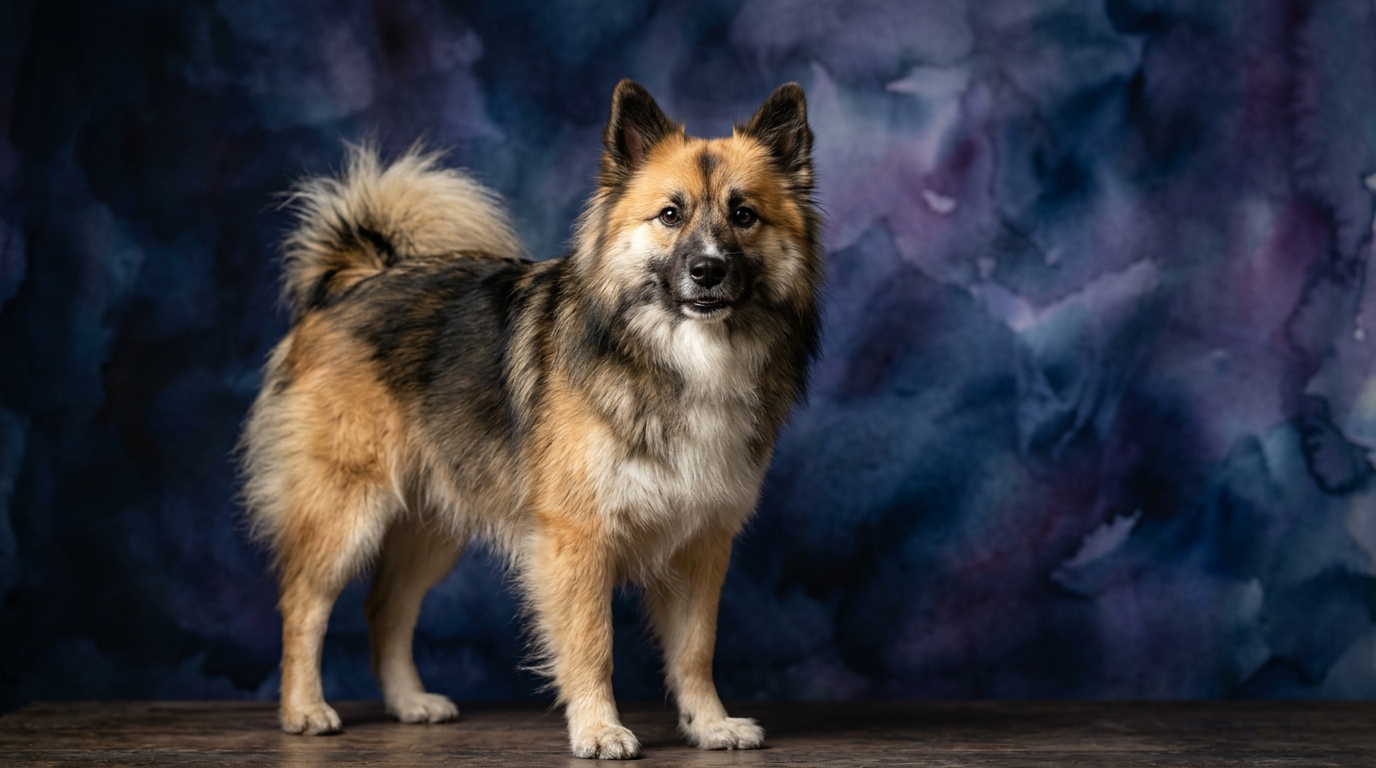
For the Icelandic Sheepdog, a herding breed, their **Problem Solving (3/5)** score reflects a practical, environmental intelligence. They excel at navigating varied terrain, understanding the subtle movements of a flock, and adapting to changing weather conditions while keeping their charges together. Their problem-solving is less about intricate puzzles and more about real-time, dynamic situations within an open landscape, often involving observation and gentle redirection. Their **Training Speed (3/5)** is commendable; they are often eager to please and responsive to positive reinforcement. However, their herding heritage imbues them with an independent streak, meaning while they grasp commands quickly, their attention might be drawn by environmental stimuli, requiring consistent engagement to maintain focus. They learn efficiently when the training feels like a cooperative task. The Icelandic Sheepdog’s **Social Intelligence (3/5)** shines through their strong pack drive and their ability to read human cues with warmth and understanding. They are generally amiable with people and other dogs, thriving on companionship, and their social acumen is geared towards fostering community and understanding group dynamics, making them naturally empathetic companions. Their **Instinctive Drive (3/5)** is firmly rooted in their herding purpose, manifesting as a strong desire to gather, circle, and use their voice to manage movement, often with a characteristic bark. While persistent in their duties, this drive is typically expressed in a non-aggressive, gentle manner, focused on supervision and gentle control rather than confrontation. A solid **Memory (3/5)** serves the Icelandic Sheepdog well, allowing them to reliably recall routines, specific commands, and the layout of their territory, vital for maintaining order within a flock and navigating familiar pastures efficiently.
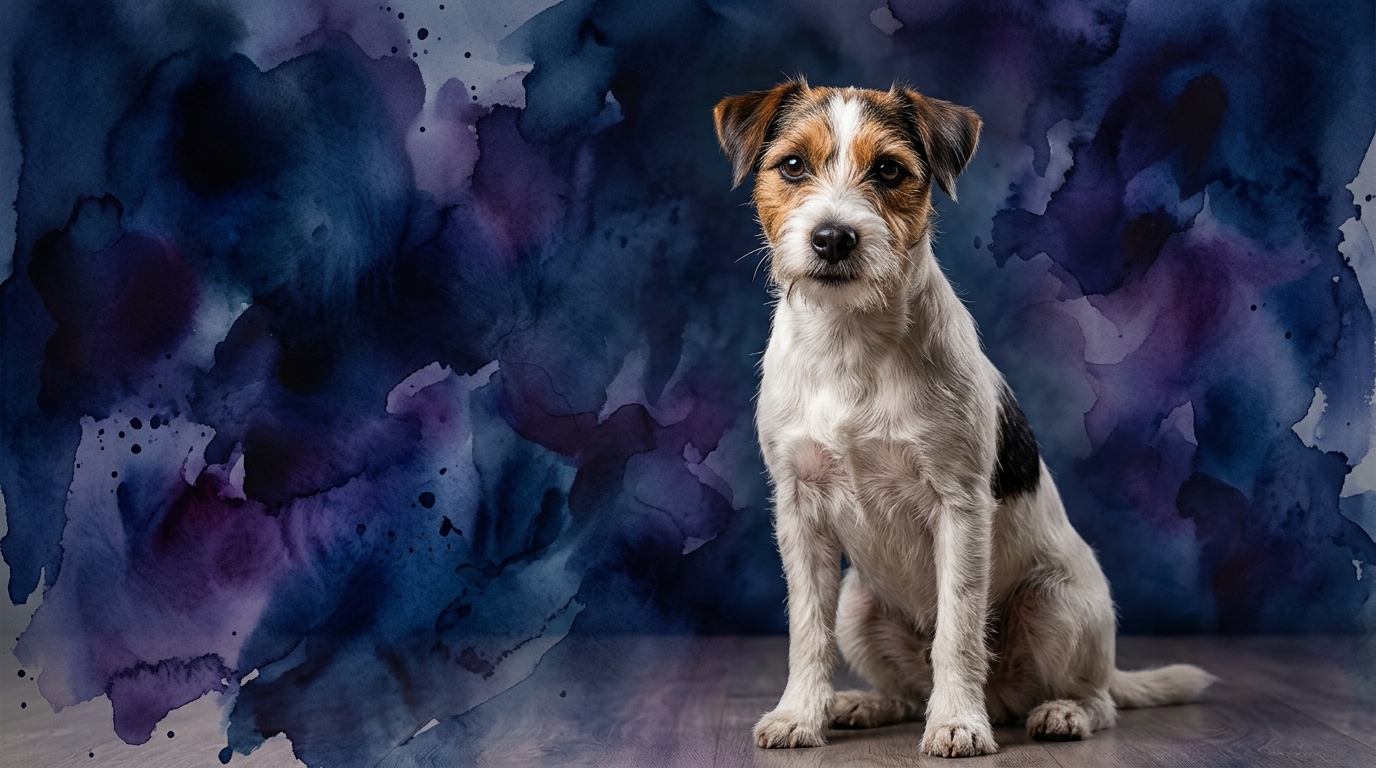
The Parson Russell Terrier’s **Problem Solving (3/5)** score reflects a tenacious, goal-oriented approach, often applied to figuring out how to access small spaces, track scents, or outmaneuver quarry. This isn't abstract reasoning, but rather a physically adept, persistent form of problem-solving aimed at overcoming immediate obstacles, whether it's unearthing a toy or navigating a complex tunnel system. Their **Training Speed (3/5)**, while capable of rapid learning when motivated, is heavily influenced by their independent and often stubborn will. They may quickly understand an instruction but choose to prioritize their own interests, especially if a scent or perceived “prey” captures their attention. Success requires highly engaging, consistent training that makes the human's goal more appealing than their innate drives. These terriers often form deep, loyal bonds with their immediate family, reading their owners' moods and intentions with keen insight; however, their **Social Intelligence (3/5)** can be more selective, potentially making them less tolerant of strangers or other dogs if not extensively socialized from a young age. Their social acumen is often about discerning loyalties and protecting their inner circle. The Parson Russell Terrier's **Instinctive Drive (3/5)** is intense and singularly focused on their original purpose: hunting vermin. This manifests as an unyielding prey drive, an urge to dig, track, and bark with fervor. This persistence is a hallmark of their character, making them formidable in pursuit but requiring careful management in a domestic setting. They possess a strong **Memory (3/5)**, particularly for details related to their environment and tasks, remembering where toys are hidden, specific scent trails, and the nuances of commands, aiding in their relentless pursuit of goals.
Where the Icelandic Sheepdog Demonstrates a Cognitive Edge
The Icelandic Sheepdog truly excels in areas requiring cooperative environmental awareness and nuanced social interaction. Their herding legacy means their problem-solving often involves understanding complex group dynamics, both among livestock and within their human family, adjusting their actions to maintain harmony rather than asserting individual will. They demonstrate a cognitive edge in tasks demanding a gentle, persuasive influence and an ability to read subtle cues from multiple entities simultaneously, which is crucial for guiding a flock without aggression. This breed’s social intelligence is less about individual dominance and more about fostering a cohesive unit, making them adept at integrating into diverse social structures and anticipating needs through observation. Their memory is particularly strong for patterns and routines that facilitate cooperative living and working within a community, contributing to their generally agreeable nature.
Where the Parson Russell Terrier Exhibits Unique Cognitive Strengths
The Parson Russell Terrier's cognitive strengths lie in their tenacious, single-minded pursuit of a goal, particularly when it involves physical problem-solving and independent decision-making. Their intelligence shines in scenarios demanding resilience and an unyielding drive to overcome obstacles, whether it’s digging under a fence, navigating a complex scent trail, or retrieving a hidden object. They possess a remarkable ability to focus intensely on a specific task, often ignoring distractions that would deter other breeds. This breed’s social intelligence, while selective, allows them to quickly assess threats or opportunities, making swift, independent judgments. Their problem-solving often involves a cleverness in manipulating their environment to achieve their objectives, showcasing a cunning and resourceful mental agility directed towards practical, often physical, outcomes, making them determined and effective in their pursuits.
Training Dynamics: Cooperation vs. Tenacity
When considering ease of training, the Icelandic Sheepdog generally presents a more straightforward experience for the average owner. Their herding background has ingrained a natural inclination towards working in partnership with humans, making them inherently more cooperative and attentive to handler direction. They are eager to please and respond well to positive reinforcement, often picking up new commands quickly because they value the bond and shared activity. While they might get distracted by their environment due to their observational nature, their fundamental desire to participate and their social intelligence make them highly receptive to guidance. Their memory for routines and commands further streamlines the training process, allowing for consistent progress and a generally harmonious learning environment.
The Parson Russell Terrier, despite possessing the same “training speed” score, often requires a different approach due to their inherent independence and robust will. They are certainly capable of learning commands rapidly, but their strong prey drive and self-directed problem-solving mean that “knowing” a command doesn't always guarantee “obeying” it, especially if there's a more enticing distraction like a scent or a small critter. Training a Parson Russell Terrier demands exceptional consistency, creativity, and high-value rewards to make the training task more appealing than their innate instincts. Owners must be prepared for a dog that will challenge boundaries and might employ their problem-solving skills to figure out how to *avoid* a command rather than comply. Their persistence, a strength in other contexts, can translate into stubbornness in training if not managed with engaging, firm, and fair methods.
Matching Breeds to Lifestyles: Active Engagement Defined
Both the Icelandic Sheepdog and the Parson Russell Terrier are breeds that thrive with active owners, but their activity needs differ significantly in nature. The Icelandic Sheepdog is an excellent match for owners who enjoy consistent, moderate-to-high intensity outdoor activities like long hikes, trail walks, or engaging in dog sports that emphasize cooperation, such as obedience or rally. They relish being a part of family adventures, observing their surroundings, and having a “job” that often involves companionship and gentle oversight. Owners who appreciate a dog that is present, communicative, and enjoys a steady pace of physical and mental engagement will find the Icelandic Sheepdog a fulfilling partner. They thrive on social interaction and mental stimulation derived from being involved in daily life, rather than solitary, high-octane pursuits, needing a sense of belonging and purpose within their human pack.
The Parson Russell Terrier, on the other hand, demands an owner who is not just active, but intensely committed to providing structured, high-energy outlets that channel their formidable drive. These dogs require vigorous physical exercise coupled with mental challenges that tap into their prey drive, such as earthdog trials, agility courses, tracking, or even intense fetch sessions that mimic hunting. They need opportunities to dig, chase, and problem-solve independently. Owners who are drawn to a dog with a robust, independent spirit and are prepared to manage a strong prey drive will find a rewarding companion in the Parson Russell Terrier. They are not suited for “relaxed” owners in any sense; their energy and tenacity require dedicated engagement to prevent boredom and destructive behaviors. They thrive with owners who can provide a dynamic lifestyle filled with purpose-driven activities that satisfy their deep-seated instincts.
The Verdict
Choose the Icelandic Sheepdog if you seek a cooperative, family-oriented companion who thrives on social interaction, gentle guidance, and outdoor adventures where they can observe and participate as an integral part of your life. They are ideal for owners who appreciate a communicative dog eager to be involved in daily routines and shared activities.
Opt for the Parson Russell Terrier if you desire an energetic, tenacious partner for structured dog sports or if you appreciate a dog with a robust, independent spirit and are prepared to manage a strong prey drive, providing ample physical and mental outlets for their innate drive. They suit owners who enjoy a challenge and a dog with a profound sense of purpose.
🧠 Find Your Pet's IQ Score
Our Pet IQ Lab assessment covers 25+ tests across 5 cognitive dimensions — personalized to your breed.
Take the Full IQ Test →Frequently Asked Questions
Can an Icelandic Sheepdog live in an apartment?
While adaptable, Icelandic Sheepdogs need significant outdoor exercise and mental stimulation daily. An apartment might work if owners are dedicated to long walks, park visits, and active engagement, ensuring their social and physical needs are thoroughly met outside the home, as they thrive on being included in family activities.
Are Parson Russell Terriers good with children?
Parson Russell Terriers can be good with respectful, older children who understand how to interact with an energetic, independent dog. Early socialization and supervision are crucial, as their high energy and prey drive mean they might not be the best fit for very young or boisterous kids who cannot respect their boundaries.
Do both breeds bark a lot?
Yes, both breeds are prone to barking, though for different reasons. Icelandic Sheepdogs use their voice for herding and communication, often alerting to new sights or sounds in their environment. Parson Russell Terriers bark intensely when excited, detecting prey, or when bored, making consistent training essential for managing vocalizations.