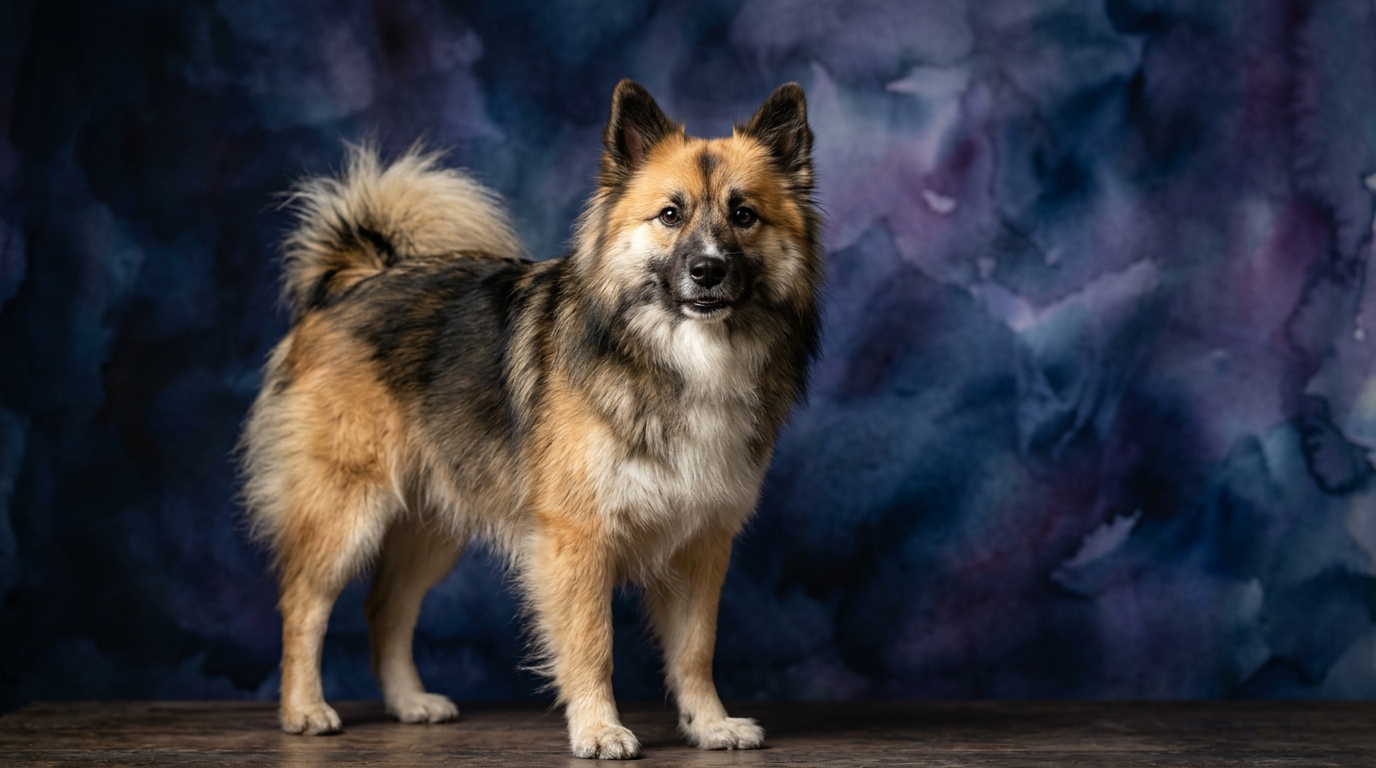
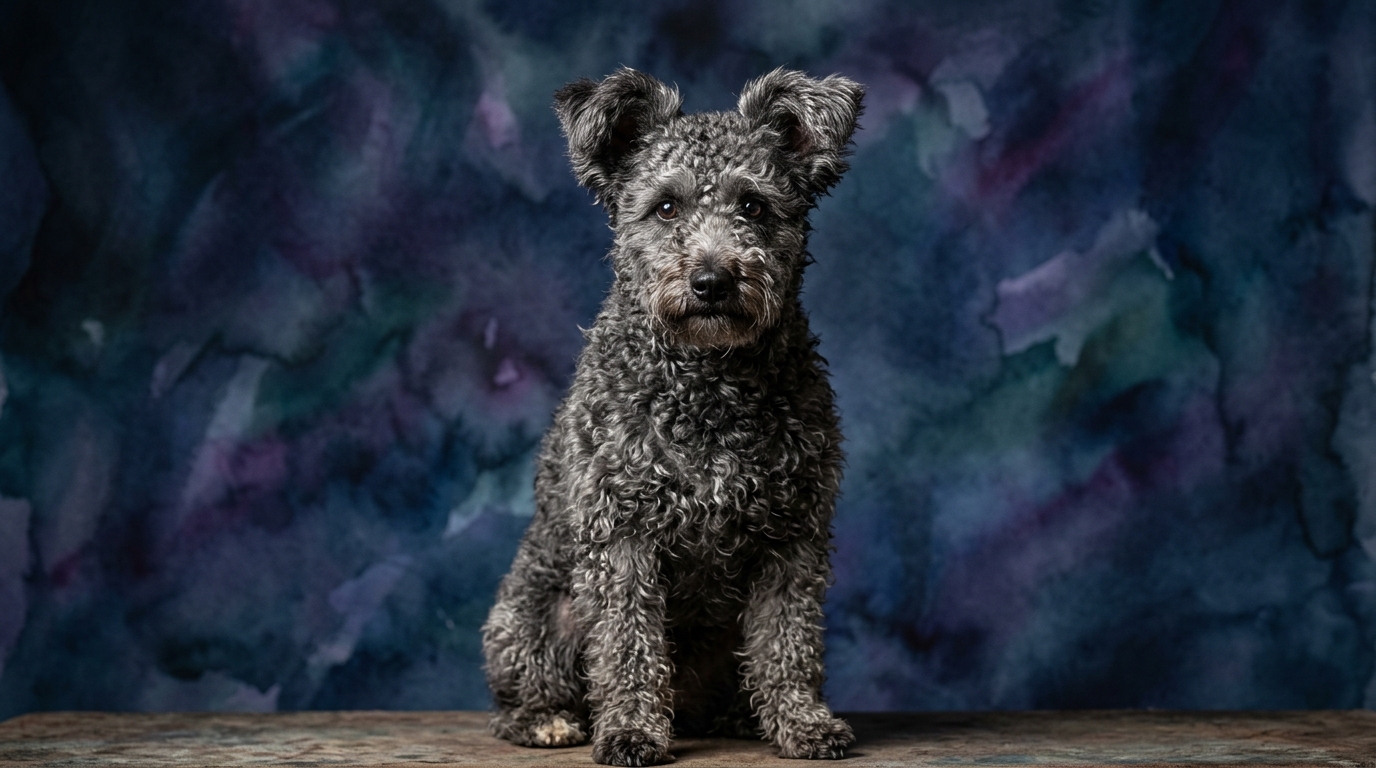
Unpacking Their Cognitive Blueprints: A Side-by-Side IQ Profile
At The Cosmic Pet Pet IQ Lab, we evaluate canine intelligence across five key dimensions: Problem Solving, Training Speed, Social Intelligence, Instinctive Drive, and Memory. Both the Icelandic Sheepdog and the Pumi register a consistent 3/5 across all these metrics. A score of 3/5 indicates a solid, functional cognitive ability, suggesting these dogs are capable learners and adaptable companions. However, the true insights emerge when we delve into how this 3/5 score manifests within each breed's unique behavioral repertoire, shaped by their distinct histories and roles.
For the Icelandic Sheepdog, a 3/5 in Problem Solving often translates to practical, environmental navigation, such as finding lost flock members in varied terrain or adapting to changing weather conditions. Their Training Speed at 3/5 reflects an eagerness to please that, combined with their independent herding nature, means consistency and positive reinforcement yield steady results rather than instant mastery. Their Social Intelligence (3/5) highlights a deep attunement to human family, excellent at reading moods and intentions, fostering strong, cooperative bonds. Instinctive Drive (3/5) is typically expressed through their characteristic 'bark-herding' style, gathering, and alerting, focusing on keeping the flock together and safe without overly aggressive control. Finally, their Memory (3/5) indicates a strong recall for familiar routes, tasks, and learned commands, essential for their work in open, often changing landscapes.
The Pumi's 3/5 in Problem Solving, by contrast, manifests as agile and quick-thinking responses, solving dynamic problems in real-time, especially when managing livestock movements. This is more about rapid adaptation and clever, on-the-spot solutions. Their Training Speed (3/5) means they learn quickly when engaged, but their sharp wit can also lead to boredom or 'testing the waters' if training lacks stimulation and variety. Their Social Intelligence (3/5) shows intense observation of their immediate family, forming strong bonds, though they can be more reserved or discerning with strangers. Instinctive Drive (3/5) is very strong, expressed through quick movements, barks, and a pronounced desire to control and manage livestock, often accompanied by a significant vermin drive. Their Memory (3/5) reflects excellent long-term recall for commands and complex sequences, allowing them to build effectively on previous learning and anticipate next steps.
Where the Icelandic Sheepdog’s Cognition Shines
The Icelandic Sheepdog's cognitive strengths lie in their amiable cooperation and environmental awareness. Their 3/5 problem-solving ability, while not abstract, enables them to navigate complex outdoor environments and understand the practicalities of a task, making them dependable partners in tasks requiring sustained effort and observation. They excel in situations where a steady, reliable approach, rather than rapid-fire decisions, is paramount. This allows them to integrate smoothly into family life, understanding routines and expectations with a calm consistency.
Furthermore, their social intelligence, also rated at 3/5, is a significant asset in a family setting. They are exceptionally attuned to human emotions and intentions, making them intuitive companions who often anticipate needs. This strong social bond fosters a highly cooperative learning environment, where their desire to please complements their moderate training speed, leading to well-adjusted and responsive behavior within a family structure. They are patient learners who thrive on positive interaction and clear communication.
The Pumi’s Distinct Cognitive Advantages
The Pumi's cognitive profile, while sharing the same 3/5 scores, highlights distinct advantages in agility of thought and dynamic responsiveness. Their problem-solving ability is characterized by quick, decisive action, often requiring them to think on their feet and adapt rapidly to changing circumstances, a trait honed by their history of herding lively livestock. This quick wit makes them adept at learning complex sequences and excelling in fast-paced dog sports where split-second decisions are rewarded.
Their intense instinctive drive, paired with their training speed, enables them to maintain high levels of focus and energy for tasks that demand sustained mental and physical engagement. Pumis exhibit a 'cleverness' in their approach to tasks, often finding efficient, albeit sometimes unconventional, ways to achieve a goal. This drive means they are not just capable of learning but actively seek mental challenges, thriving when given a 'job' that requires both their physical prowess and sharp cognitive faculties.
Training Dynamics: Icelandic Sheepdog vs. Pumi
When it comes to training, the Icelandic Sheepdog's 3/5 training speed is complemented by their inherent desire for cooperation. They respond exceptionally well to positive reinforcement, consistency, and a patient, gentle approach. Their social intelligence means they are keen to understand and please their human companion, making them generally receptive to learning commands once they grasp the concept. While they may not pick up new tricks instantly, their retention is solid, and they are less likely to deliberately challenge boundaries once a command is understood.
The Pumi, with its identical 3/5 training speed, presents a different dynamic. They learn quickly but demand that training be engaging, varied, and mentally stimulating to prevent boredom. Their quick wit means they can sometimes find loopholes or get creative if training isn't consistently challenging, requiring a handler who is equally quick-thinking and adaptable. Their strong herding drive also needs careful channeling into appropriate activities; without proper mental and physical outlets, this drive can manifest in undesirable behaviors like chasing or excessive barking. Early and consistent socialization is also crucial for Pumis, given their potential for being reserved with strangers.
In essence, training an Icelandic Sheepdog often feels like a cooperative partnership built on mutual understanding and patience, leading to a steady progression of learned behaviors. Training a Pumi, while equally rewarding, requires a more proactive and creative approach from the owner, focusing on mental engagement and channeling their intense drive into productive tasks to ensure a well-adjusted and stimulated companion.
Matching Energy Levels: Active vs. Relaxed Owners
Considering their energy levels and cognitive needs, the Icelandic Sheepdog is well-suited for moderately active owners. While they are lively and enjoy outdoor activities, their energy is often geared towards sustained exploration, hiking, and cooperative tasks rather than intense, high-octane bursts. They appreciate long walks, opportunities to sniff and explore, and engaging in dog sports that involve problem-solving and teamwork. However, they are also content to settle down with their family, adapting well to a balanced lifestyle that includes both activity and quiet companionship.
The Pumi, conversely, demands a significantly higher intensity of engagement. Their energetic nature and strong drives necessitate daily, rigorous physical exercise combined with ample mental stimulation. Owners must be prepared for a dog that actively seeks out and thrives on challenges, often excelling in demanding dog sports like agility, flyball, or advanced obedience. A simple walk around the block will not suffice for a Pumi; they require a 'job' or a structured activity that channels their quick wit and boundless energy. Without sufficient outlets, their cognitive and physical drive can lead to restlessness and unwanted behaviors.
Therefore, an Icelandic Sheepdog fits well with active families who enjoy consistent outdoor activities and desire a cooperative, adaptable companion who also appreciates downtime. A Pumi, on the other hand, is the ideal choice for highly active, experienced dog owners who are committed to providing intense daily mental and physical stimulation, embracing a dog that thrives on constant engagement and challenge.
The Verdict
Choose the Icelandic Sheepdog if you seek a cooperative, adaptable companion who thrives on steady interaction, appreciates environmental exploration, and offers a balanced blend of activity and relaxed family time. Their social intelligence and amiable nature make them excellent partners for consistent, positive reinforcement training.
Opt for the Pumi if you are a highly active, experienced owner ready to commit to intense daily mental and physical stimulation, appreciating a quick-witted, dynamic dog who excels in demanding sports and thrives on constant engagement and challenge.
🧠 Find Your Pet's IQ Score
Our Pet IQ Lab assessment covers 25+ tests across 5 cognitive dimensions — personalized to your breed.
Take the Full IQ Test →Frequently Asked Questions
Are Icelandic Sheepdogs good with children?
Yes, Icelandic Sheepdogs are generally known for their friendly and patient temperament, making them suitable companions for families with children. Their social intelligence helps them interact appropriately, but supervision is always recommended with any dog and child.
Do Pumis bark a lot?
Pumis are known for being quite vocal, a trait stemming from their herding heritage where barking was used to manage livestock. While they can be trained to moderate their barking, owners should expect a dog that uses its voice to alert, express excitement, and sometimes even to 'talk'.
Are these breeds suitable for apartment living?
Neither breed is ideally suited for small apartment living without significant commitment from their owners. Icelandic Sheepdogs need space for regular exercise and exploration, while Pumis demand intense daily physical and mental stimulation, making a house with a secure yard and an active lifestyle more appropriate for both.