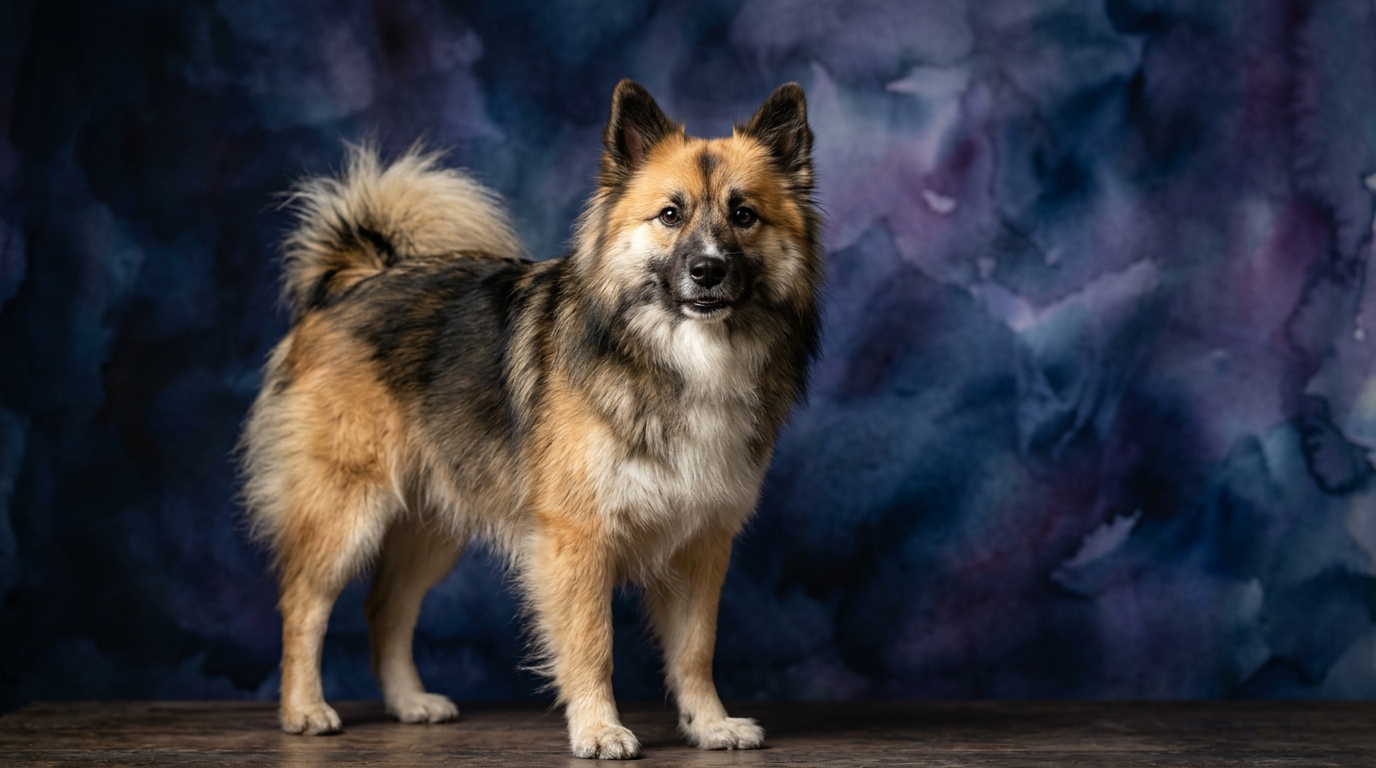

Side-by-Side IQ Profiles: Understanding 3/5 for Each Breed
**Problem Solving (3/5):** For the Icelandic Sheepdog, problem-solving typically revolves around situational awareness in dynamic, often open, environments. They might figure out how to gather a scattered flock, navigate challenging terrain to reach sheep, or understand complex multi-step commands for herding tasks. Their solutions often involve observation, spatial reasoning, and cooperative effort with a handler. The Rat Terrier, conversely, applies its problem-solving tenacity to more independent tasks. A Rat Terrier might cleverly strategize how to access a rodent burrow, escape an enclosure, or discover a hidden treat. Their solutions are frequently driven by instinctual curiosity and a persistent drive to achieve a goal, even if it requires trial and error.
**Training Speed (3/5):** Icelandic Sheepdogs learn new commands at a moderate pace, often thriving with positive reinforcement and clear, consistent communication. Their herding background fosters a willingness to engage with a handler and respond to cues, making them generally receptive to structured training sessions that build upon their natural cooperative tendencies. While also learning at a moderate speed, Rat Terriers can sometimes present a unique training challenge due to their independent nature and strong prey drive. They grasp concepts readily but may choose to prioritize their own interests, especially when a compelling scent or movement captures their attention. Consistency and making training highly engaging are key to harnessing their focus.
**Social Intelligence (3/5):** The Icelandic Sheepdog's social intelligence is often expressed through their ability to read human emotions and intentions, crucial for effective partnership in herding. They are typically attuned to their family's mood and social dynamics, often seeking to be involved and responsive to their environment. This makes them adaptable companions in a family setting. Rat Terriers exhibit social intelligence through their keen observation of household routines and their ability to discern who responds to whom. They can be quite discerning about strangers and quick to alert their family to unusual occurrences. While affectionate with their chosen people, their social interactions can be more self-directed, focusing on their role within the pack and alerting to perceived threats.
**Instinctive Drive (3/5):** The Icelandic Sheepdog's instinctive drive is rooted in their herding heritage, manifesting as a desire to gather, watch, and control movement. This can translate into a natural inclination to keep family members together or to 'herd' children or other pets. They possess an innate alertness and responsiveness to environmental changes, always ready for a task. The Rat Terrier's instinctive drive is powerfully shaped by their vermin-hunting origins. This means a strong prey drive, an urge to chase, dig, and investigate scents. They are naturally tenacious and persistent when pursuing a perceived 'quarry,' which can include small animals, toys, or even an interesting leaf blowing in the wind.
**Memory (3/5):** Icelandic Sheepdogs possess a moderate capacity for recalling routines, commands, and the layout of their environment. This memory aids in executing complex herding patterns or remembering where their favorite toys are kept. They benefit from consistent routines and can recall past experiences, helping them adapt to new situations based on prior learning. The Rat Terrier's memory is practical and often tied to their goals. A Rat Terrier will remember the location of a forgotten treat, the route to a favorite sniffing spot, or which family member is most likely to share food. They are adept at remembering patterns that lead to desired outcomes, such as when walks occur or which sounds precede mealtime.
Where the Icelandic Sheepdog Cognitively Excels
While both breeds score identically, the Icelandic Sheepdog's cognitive strengths lean towards cooperative problem-solving and nuanced environmental processing. Their herding lineage primes them to work in tandem with humans, interpreting subtle cues and executing multi-stage commands to manage dynamic situations. They excel in tasks requiring situational awareness across open spaces, such as tracking the movement of multiple individuals or navigating varied terrain efficiently. This breed's intellect is finely tuned for partnership, allowing them to anticipate a handler's next move and adapt their actions accordingly, making them particularly adept at activities like obedience trials or agility where precise, responsive teamwork is paramount. Their social intelligence, while rated 3/5, is geared towards collaborative effort, making them highly receptive to human guidance in complex scenarios.
Where the Rat Terrier Cognitively Excels
The Rat Terrier's cognitive advantages shine in areas demanding independent thought, persistence, and acute sensory perception. Their terrier heritage has cultivated a mind that is exceptionally resourceful when faced with a challenge, particularly those involving pursuit or exploration. They are masters of figuring out how to get to something they want, whether it's outsmarting a puzzle toy or locating a hidden scent. Their problem-solving, also rated 3/5, is often characterized by a determined, focused approach to overcoming obstacles, demonstrating impressive tenacity. This breed excels at tasks requiring sharp senses and quick decision-making in confined or intricate environments, such as navigating a complex scent trail or strategizing how to access a small, enclosed space. Their memory is particularly sharp for locations of interest and patterns that lead to rewarding outcomes, fueling their independent exploration.
Training Dynamics: Icelandic Sheepdog vs. Rat Terrier
When considering which breed might be 'easier' to train, the nuance lies in their inherent motivations and historical roles, despite both having a 3/5 training speed. The Icelandic Sheepdog, a herding breed, generally approaches training with a cooperative spirit. They were bred to work closely with humans, meaning they often possess a natural inclination to please and respond to direction. Their motivation often stems from the desire for interaction and partnership, making them receptive to positive reinforcement methods and consistent routines. While they learn at a moderate pace, their willingness to engage makes the training process often feel smoother and more collaborative. Conversely, the Rat Terrier, a terrier breed, brings a strong independent streak to the training arena. Their historical role required them to make quick, autonomous decisions, often out of sight of a handler. This translates into a dog that learns commands readily but may also decide whether or not to obey based on their own immediate interests, especially if a captivating scent or movement presents itself. Training a Rat Terrier requires patience, creativity, and a consistent focus on making tasks more rewarding than external distractions. While both achieve results at a similar pace, the Rat Terrier's independent nature means their training often demands a more engaging and persistent approach from the handler to maintain focus and compliance.
Matching Breeds to Lifestyles: Active vs. Relaxed Owners
Understanding the cognitive profiles of the Icelandic Sheepdog and Rat Terrier is key to matching them with the right owner lifestyle. For active owners who enjoy structured activities, cooperative sports, and outdoor adventures, the Icelandic Sheepdog is an excellent fit. Their moderate instinctive drive and social intelligence make them eager participants in agility, obedience, or even just long hikes where they can 'herd' their family. They thrive on mental engagement that involves working alongside their human, valuing interaction and having a 'job' to do. A relaxed owner, however, might find their need for engagement and activity a bit demanding, as without sufficient mental and physical outlets, their cooperative nature can turn into boredom-driven behaviors.
The Rat Terrier appeals to active owners who appreciate a dog's independent spirit and enjoy activities that tap into their keen senses and tenacity. Owners who enjoy scent work, earthdog trials, or simply long, varied walks where their dog can explore and 'hunt' for interesting smells will find a dedicated companion. They are adaptable to various living situations, including apartments, provided their physical and mental needs, particularly their prey drive, are met through structured play, puzzle toys, and consistent exercise. A truly relaxed owner might struggle with a Rat Terrier's persistent drive and need for mental stimulation, as an under-stimulated terrier can become quite resourceful in less desirable ways, such as digging or destructive chewing.
The Verdict
When considering an Icelandic Sheepdog or Rat Terrier, the decision hinges on the *expression* of their 3/5 cognitive scores. Choose the Icelandic Sheepdog if you seek a cooperative, responsive partner eager for collaborative tasks and attuned to family dynamics.
Opt for the Rat Terrier if you appreciate a tenacious, independent thinker who excels at resourceful problem-solving and thrives on engaging their keen senses through exploration and pursuit.
🧠 Find Your Pet's IQ Score
Our Pet IQ Lab assessment covers 25+ tests across 5 cognitive dimensions — personalized to your breed.
Take the Full IQ Test →Frequently Asked Questions
Are Icelandic Sheepdogs good with children?
Yes, Icelandic Sheepdogs are generally good with children, often displaying their herding instinct by gently trying to keep kids together. Their social intelligence makes them attuned to family dynamics, but supervision is always recommended to ensure respectful interactions from both dog and child.
Do Rat Terriers require a lot of exercise?
Rat Terriers do require a moderate to high amount of exercise to satisfy their energetic and instinctive drives. Daily walks, vigorous play sessions, and mental stimulation through puzzle toys or training are essential to prevent boredom and channel their tenacity constructively.
Which breed is more prone to separation anxiety?
Both breeds can develop separation anxiety if not properly socialized or if left alone for excessive periods. Icelandic Sheepdogs, due to their cooperative nature and strong bond with their family, may be more prone to distress if isolated. Rat Terriers, while independent, also thrive on companionship and can exhibit anxiety through destructive behaviors if their needs aren't met.