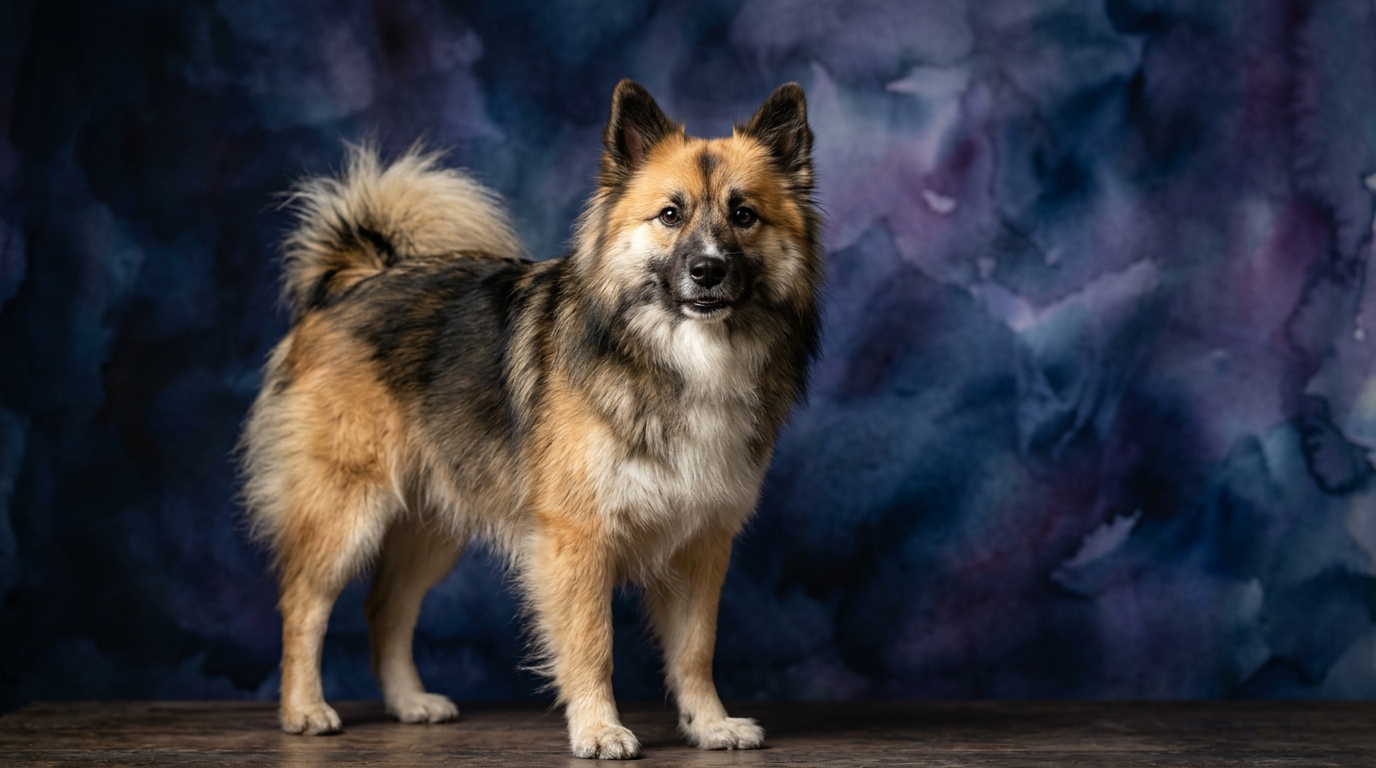
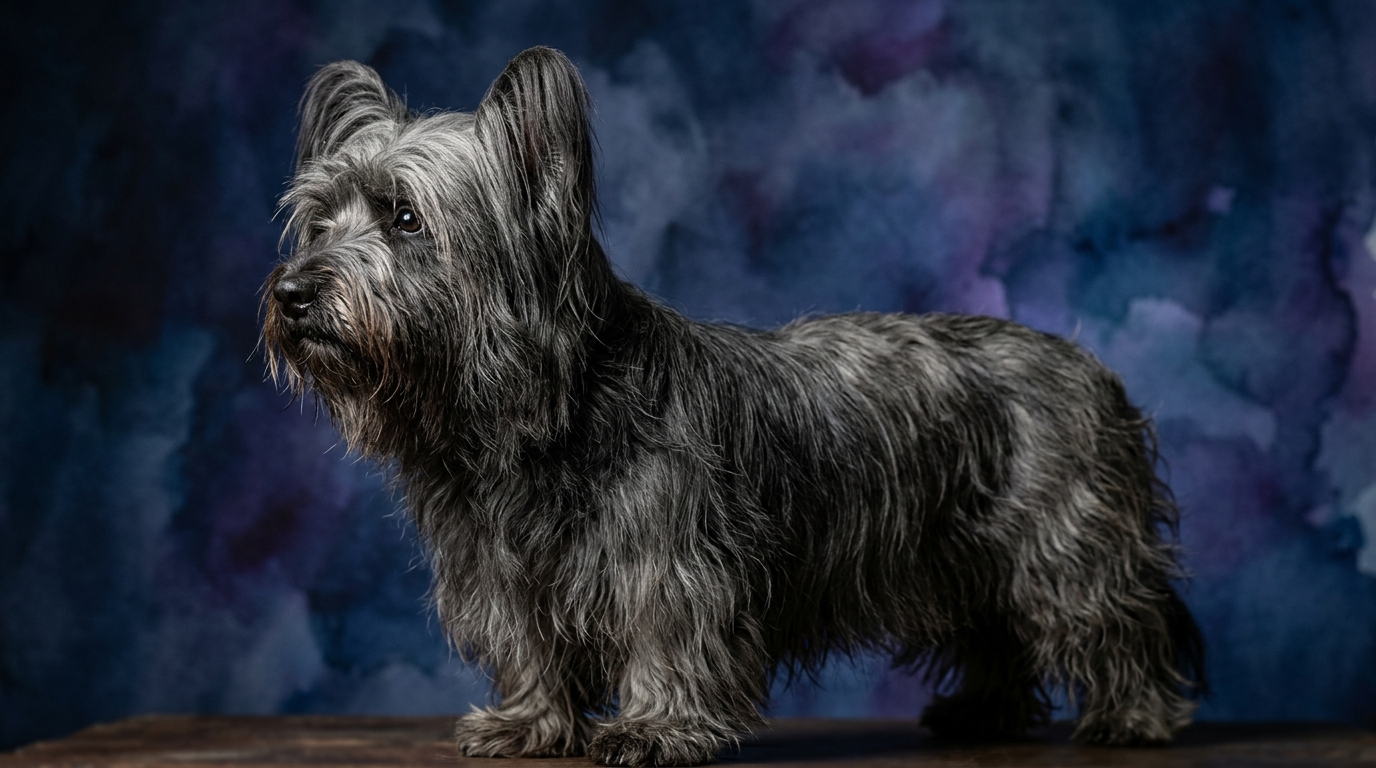
Side-by-Side IQ Profile: Interpreting Identical Scores
At The Cosmic Pet Pet IQ Lab, we assess canine intelligence across five critical dimensions. For both the Icelandic Sheepdog and the Skye Terrier, each dimension registers a '3/5,' indicating a solid, functional level of cognitive ability. However, this numerical equality belies profound differences in how these abilities manifest, shaped by their distinct ancestral roles.
For the Icelandic Sheepdog, a herding breed, their Problem Solving (3/5) acumen shines in dynamic, open environments, where they must assess flock movements, anticipate changes in terrain, and guide animals with subtle nudges or barks. This isn't about brute force but strategic positioning and adapting to unpredictable livestock behavior. Their Training Speed (3/5) reflects a general responsiveness and eagerness to engage with their human companions, attuned to direction, though their curiosity about their surroundings can sometimes lead to momentary distractions during sessions. Social Intelligence (3/5) in this breed manifests as a keen awareness of their family's emotional states, often acting as sensitive barometers of household moods and communicating through a rich vocabulary of barks, whines, and body language. Their Instinctive Drive (3/5) is largely centered on herding, manifesting in a desire to gather family members or other pets, coupled with a natural vigilance to alert owners to anything unusual. Finally, their Memory (3/5) is reliable for routines, commands, and the layout of their territory, crucial for managing livestock and navigating varied landscapes.
The Skye Terrier, a tenacious terrier breed, approaches Problem Solving (3/5) with a characteristic tenacious, independent thought, particularly when focused on a task. They excel at figuring out how to access tight spaces, locate hidden objects, or persist in a goal, often employing strategic, albeit sometimes stubborn, methods to overcome obstacles. Their Training Speed (3/5) is variable; while capable of learning, Skyes often approach training with a strong independent streak, requiring patient, consistent methods and motivations that align with their own desires, rather than an inherent need to please. Social Intelligence (3/5) for the Skye Terrier is marked by forming exceptionally deep, loyal bonds with their chosen few, exhibiting a profound understanding of their inner circle's nuances, yet often reserved or discerning with strangers. Their Instinctive Drive (3/5) is a strong prey drive, expressed through digging, chasing small animals, and vigilant alertness, fueling their determination and often manifesting as a guarding instinct. Their Memory (3/5) is good, particularly for places, specific experiences, and household routines, often used to anticipate events or navigate their environment effectively.
Where the Icelandic Sheepdog Excels Cognitively
The Icelandic Sheepdog truly shines in cognitive scenarios demanding cooperation and environmental adaptability. Their herding background has honed an ability to process complex, dynamic situations involving multiple moving elements – be it a flock of sheep or a bustling family. They demonstrate a superior capacity for 'reading the room,' quickly assessing social dynamics and responding with appropriate vocalizations or body language, often pre-empting conflict or guiding interactions. Their memory for intricate patterns and routines, combined with an eagerness to work alongside their human, makes them adept at learning sequences of commands or navigating challenging, varied terrains with precision.
Where the Skye Terrier Excels Cognitively
Conversely, the Skye Terrier's cognitive strengths are rooted in independent problem-solving and tenacious focus. Where an Icelandic Sheepdog might seek a collaborative solution, a Skye Terrier excels at single-minded determination, often finding unconventional ways to achieve a goal, such as outsmarting a puzzle toy or persisting in digging to an imagined 'prey.' Their social intelligence, while selective, is profound within their chosen inner circle, allowing them to form exceptionally deep, almost intuitive bonds where they seem to anticipate their owner's needs or moods with subtle cues. Their instinctive drive, while sometimes challenging, fuels an unwavering vigilance and territorial awareness, making them superb, albeit vocal, guardians who remember every perceived threat or change in their environment.
Which is Easier to Train and Why
For many owners, the Icelandic Sheepdog generally presents a more straightforward training experience. Their inherent desire to work cooperatively with humans, a cornerstone of their herding function, means they are typically more responsive to commands and eager to please. They thrive on positive reinforcement and clear guidance, often picking up new behaviors relatively quickly. However, their vocal nature and potential for environmental distractions mean consistent focus on impulse control and quiet commands is essential.
The Skye Terrier, on the other hand, often requires a more experienced and patient trainer. Their independent thought and strong-willed terrier nature mean they are less inclined to obey simply to please. Training a Skye involves understanding their motivations, making sessions engaging, and demonstrating consistent leadership. They can be sensitive to harsh methods and respond best to positive reinforcement that taps into their drive, such as scent work or retrieving, rather than repetitive drills. While capable learners, their 'training speed' can be perceived as slower due to their selective cooperation.
Which Suits Active Owners vs. Relaxed Owners
The Icelandic Sheepdog is undoubtedly a better fit for active owners who enjoy incorporating their dog into daily adventures. They require substantial mental and physical stimulation, thriving on activities like hiking, agility, or even herding games that channel their innate drives. An owner who can provide consistent engagement and a 'job' for their Icelandic Sheepdog will find a joyful, energetic companion. They are not suited to a sedentary lifestyle, which can lead to boredom and destructive behaviors.
The Skye Terrier, while capable of bursts of activity, is often more suited to owners who appreciate a devoted, calm presence indoors, balanced with structured outdoor time. They benefit from mental stimulation through puzzle toys, scent games, and short, engaging walks rather than endless jogging. While they enjoy their exercise, their independent nature means they are often content to observe from a comfortable spot, making them a suitable choice for owners who prefer a more relaxed pace but are prepared for a strong personality and consistent mental enrichment.
The Verdict
Choose the Icelandic Sheepdog if you seek an active, cooperative companion eager to engage in diverse activities and thrives on being an integrated, communicative part of your daily life, especially if you appreciate a vocal, vigilant presence.
Opt for the Skye Terrier if you desire a deeply loyal, independent companion with a calm indoor demeanor who will form an exclusive, profound bond, and you are prepared for a strong-willed personality and dedicated mental enrichment.
🧠 Find Your Pet's IQ Score
Our Pet IQ Lab assessment covers 25+ tests across 5 cognitive dimensions — personalized to your breed.
Take the Full IQ Test →Frequently Asked Questions
Are Icelandic Sheepdogs good with children?
Yes, Icelandic Sheepdogs are generally very good with children, often viewing them as part of their 'flock.' They are patient and playful, though their herding instincts might lead to gentle nudging or attempting to 'herd' active kids, which should be managed with training.
Do Skye Terriers shed a lot?
Skye Terriers do shed, but typically not excessively. Their long double coat requires regular grooming, including brushing several times a week, to prevent matting and manage loose hair. Consistent grooming helps maintain their coat's health and appearance.
Which breed is more prone to barking?
Both breeds can be vocal, but for different reasons. Icelandic Sheepdogs are known for their varied barks and vocalizations as a communication tool in their herding role. Skye Terriers bark as part of their guarding and territorial instincts, often alerting to strangers or perceived threats.