Side-by-Side Cognitive Profile: Icelandic Sheepdog vs. Soft Coated Wheaten Terrier
At first glance, the Icelandic Sheepdog (ISD) and the Soft Coated Wheaten Terrier (SCWT) present an intriguing cognitive parallel, both scoring 3/5 across all five dimensions of our Pet IQ Lab assessment. This shared baseline suggests neither breed is cognitively deficient, but rather that their mental faculties are well-rounded and effective for their respective purposes. However, the interpretation of these scores diverges significantly when considering their breed groups and historical functions.
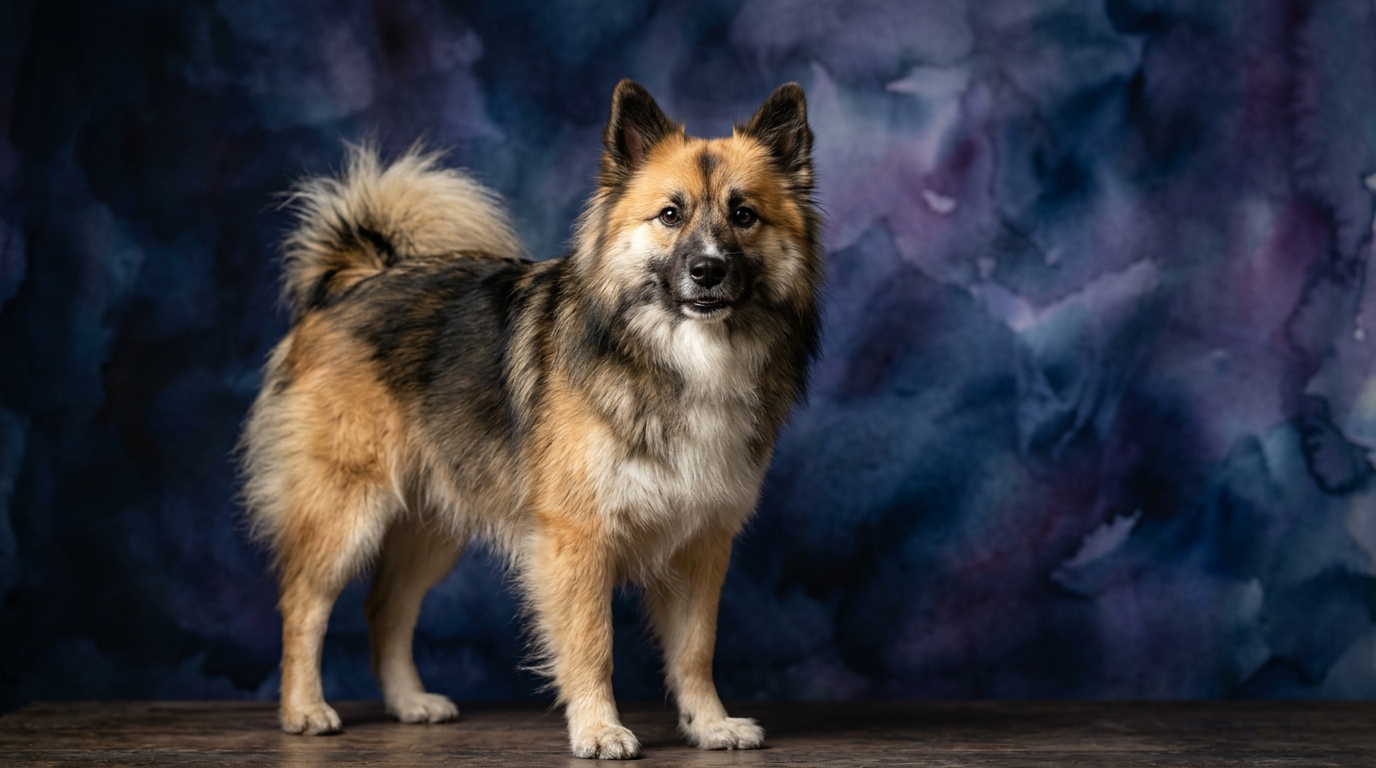
For the Icelandic Sheepdog, a Herding dog, a 3/5 in Problem Solving reflects their capacity for strategic thinking in managing livestock, understanding complex spatial relationships, and adapting to varied environmental conditions to guide animals effectively. Their Training Speed at 3/5 indicates a cooperative learner who responds well to consistent, positive reinforcement, often eager to engage in tasks that provide structure. Social Intelligence at 3/5 highlights their attunement to human companions' intentions and the behavior of their charges, fostering strong bonds and clear communication. An Instinctive Drive of 3/5 speaks to their inherent desire to gather, move, and protect, often expressed through circling or 'eyeing' movements, driven by a need for order. Finally, their Memory at 3/5 enables them to recall commands, routines, and the layout of their working territory, crucial for independent herding over diverse landscapes.
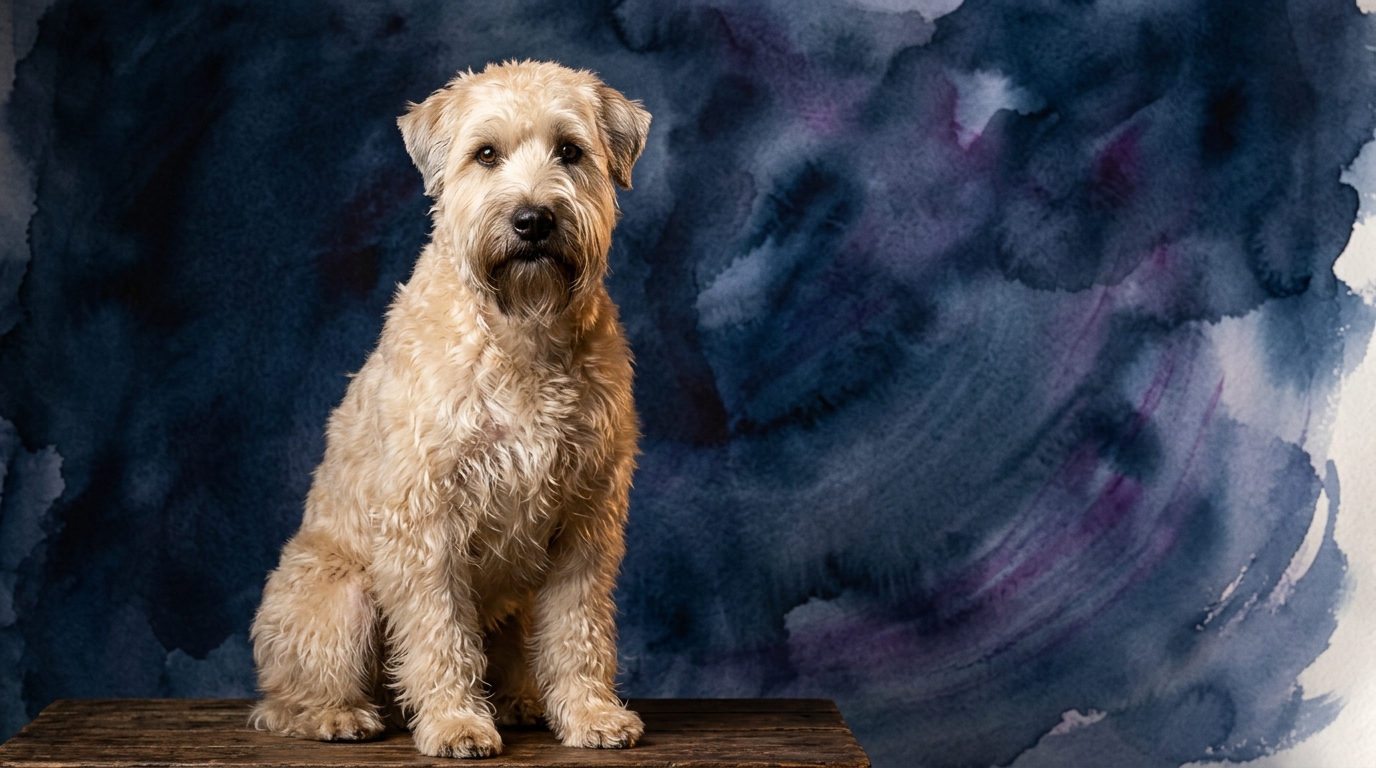
The Soft Coated Wheaten Terrier, a member of the Terrier group, expresses its 3/5 Problem Solving through ingenuity in overcoming obstacles to achieve a goal, often involving scent work, digging, or figuring out how to access desired items. Their Training Speed, also 3/5, means they can learn quickly, but often require a compelling reason, a high-value reward, or an approach that makes training feel like an engaging game, given their independent streak. Social Intelligence at 3/5 signifies their people-oriented nature, their perceptiveness of family dynamics, and their ability to read human emotions, often using their charm to influence interactions. An Instinctive Drive of 3/5 is characterized by a strong prey drive, a desire to chase, dig, and investigate, rooted in their history of vermin control and requiring appropriate outlets. Their Memory at 3/5 is good for recalling locations of interesting smells or objects, and remembering routines that lead to positive outcomes, along with people and places.
Where the Icelandic Sheepdog Excels Cognitively
While both breeds share a 3/5 Problem Solving score, the Icelandic Sheepdog's strength lies in its cooperative intelligence and its ability to understand and execute complex, multi-step tasks within a dynamic system. Their cognitive prowess is geared towards collaboration; they excel at strategic planning in partnership with a handler, such as anticipating the movements of a flock or navigating challenging terrain while maintaining control. This form of problem-solving is less about independent pursuit and more about thoughtful, synchronized action.
Furthermore, the ISD's 3/5 Social Intelligence is particularly nuanced in its application to managing other animals. Beyond reading human cues, they possess an inherent understanding of flock dynamics and animal behavior, allowing them to subtly influence and guide. Their memory, also rated 3/5, is specifically tuned for recalling intricate routes and sequences of commands, which is invaluable for dogs performing independent tasks over varied and sometimes challenging environments, ensuring consistent performance and reliability.
Where the Soft Coated Wheaten Terrier Excels Cognitively
The Soft Coated Wheaten Terrier's 3/5 Problem Solving score shines through its tenacious independence and resourcefulness. Their cognitive strength is often directed towards achieving individual goals, frequently tied to their strong prey drive and curiosity. This means they are adept at figuring out how to bypass barriers, locate hidden objects, or persist in a task until successful, demonstrating a determined and often creative approach to challenges that requires minimal human intervention once a goal is set.
Their 3/5 Social Intelligence, while different from the ISD's, makes them exceptionally intuitive family companions. Wheatens are masters at integrating into human family life, often reading the emotional climate of a household with remarkable accuracy and adjusting their behavior accordingly. This allows them to form incredibly close bonds and become charming, perceptive members of the family unit. Their 3/5 Instinctive Drive, when channeled constructively, also makes them particularly suited for activities requiring persistence and focus, such as scent work or agility, where their inherent drive provides significant motivation.
Trainability: Icelandic Sheepdog vs. Soft Coated Wheaten Terrier
When considering ease of training, despite both breeds having a 3/5 Training Speed, their approaches to learning differ. The Icelandic Sheepdog generally presents as a more cooperative student. Their herding background instills a desire to work in partnership with their handler and respond to direction. They often thrive on structured training sessions, viewing them as collaborative efforts, and are typically eager to please, making their 3/5 training speed feel smoother and more consistent in traditional obedience contexts. They are less likely to deliberately challenge authority and generally seek clear guidance.
The Soft Coated Wheaten Terrier, conversely, while capable of learning quickly, often brings a distinctive terrier independence and playful stubbornness to the training arena. Their 3/5 training speed means they grasp concepts readily, but their strong will and self-reliance necessitate a handler who can make training engaging, fun, and highly rewarding to maintain their focus. Wheatens benefit from creative training methods that appeal to their problem-solving nature and strong drive, and they require a consistent leader who understands how to channel their exuberance without squashing their spirit. Without proper motivation, their learning can appear less consistent as they might prioritize their own agenda.
Lifestyle Match: Active vs. Relaxed Owners
Neither the Icelandic Sheepdog nor the Soft Coated Wheaten Terrier is truly suited for a 'relaxed' owner in the sense of minimal daily engagement or exercise. Both are active breeds with significant needs for mental and physical stimulation, though the nature of that activity differs. The Icelandic Sheepdog thrives with active owners who can provide consistent outlets for their herding instincts and intellectual curiosity. This might involve dog sports like agility or obedience, long hikes, engaging puzzle toys, or even actual herding work. Their need for a 'job' and cooperative interaction means they require an owner prepared to dedicate time to structured activities and mental challenges. A lack of appropriate outlets can lead to boredom and potentially undesirable behaviors driven by their inherent drives.
The Soft Coated Wheaten Terrier also requires an active owner, but their energy is often expressed with a boisterous, playful intensity. They need vigorous exercise, such as extended play sessions, brisk walks, or dedicated time in a secure yard for running and exploring. Outlets for their terrier drives, like a designated digging area or scent games, are highly beneficial. While affectionate and charming indoors, Wheatens are not content to be sedentary; their zest for life demands regular activity and engagement. Owners should be prepared for their lively nature and need for consistent interaction to prevent boredom and channel their spirited energy constructively.
The Verdict: When to Choose Each Breed
The Verdict
Choose the Icelandic Sheepdog if you seek a cooperative, thoughtful companion who excels in structured tasks and partnership, and you can provide consistent mental and physical engagement for their herding instincts.
Opt for the Soft Coated Wheaten Terrier if you desire a spirited, charming, and independent companion with a playful zest for life, and you are prepared to channel their tenacious terrier spirit with consistent, positive training and plenty of activity.
🧠 Find Your Pet's IQ Score
Our Pet IQ Lab assessment covers 25+ tests across 5 cognitive dimensions — personalized to your breed.
Take the Full IQ Test →Frequently Asked Questions
Are Icelandic Sheepdogs good with children?
Yes, Icelandic Sheepdogs are generally known for being gentle and patient with children, often displaying a protective yet playful demeanor. Their social intelligence and cooperative nature make them suitable family companions, especially when properly socialized from a young age.
Do Soft Coated Wheaten Terriers shed a lot?
Soft Coated Wheaten Terriers are often considered low-shedding, which can be beneficial for individuals with allergies. However, their single coat does require regular grooming, including daily brushing, to prevent matting and keep their distinctive silky fur healthy.
Which breed is more prone to barking?
Both breeds can be vocal. Icelandic Sheepdogs, as herding dogs, use barking to communicate and alert, especially if they perceive something out of place. Soft Coated Wheaten Terriers, typical of terriers, can also be prone to barking, particularly when excited, bored, or alerting to visitors, making early training crucial for managing their vocalizations.