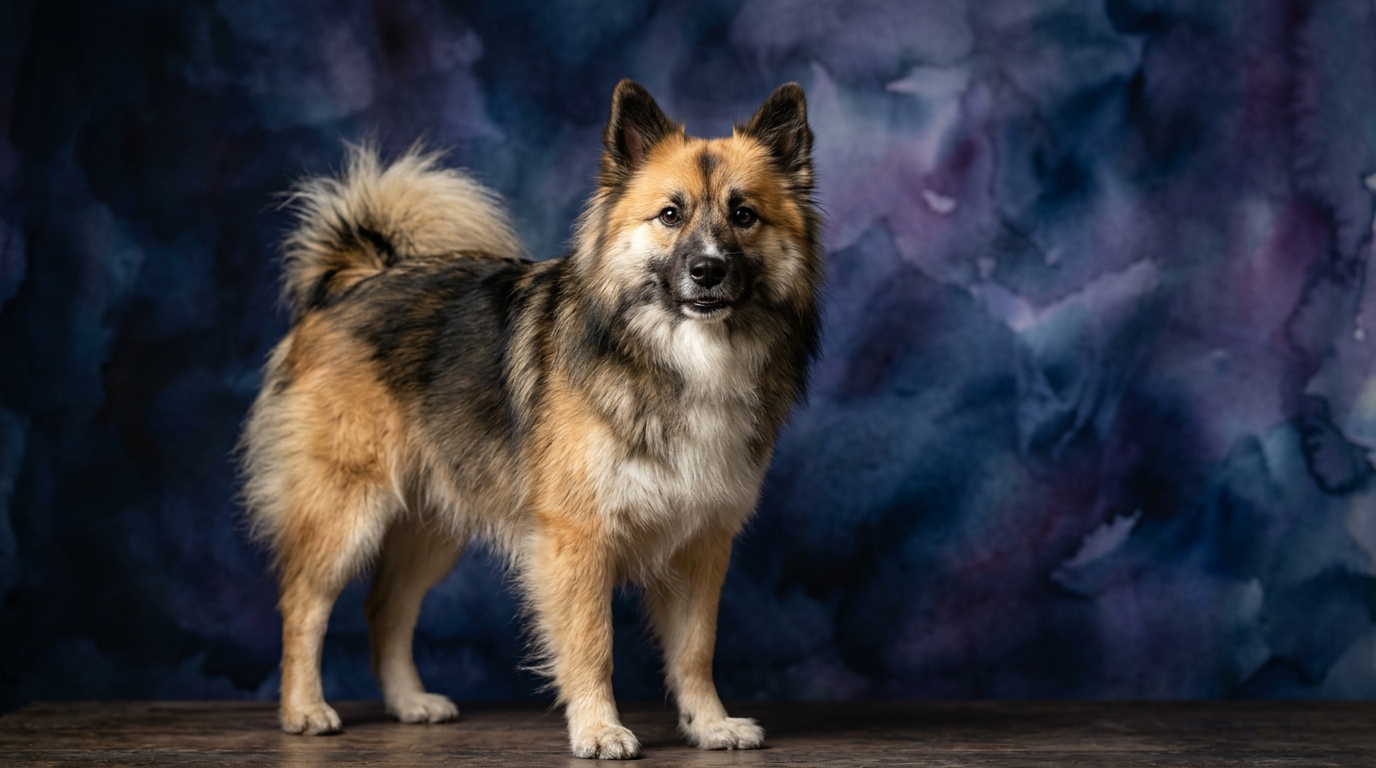
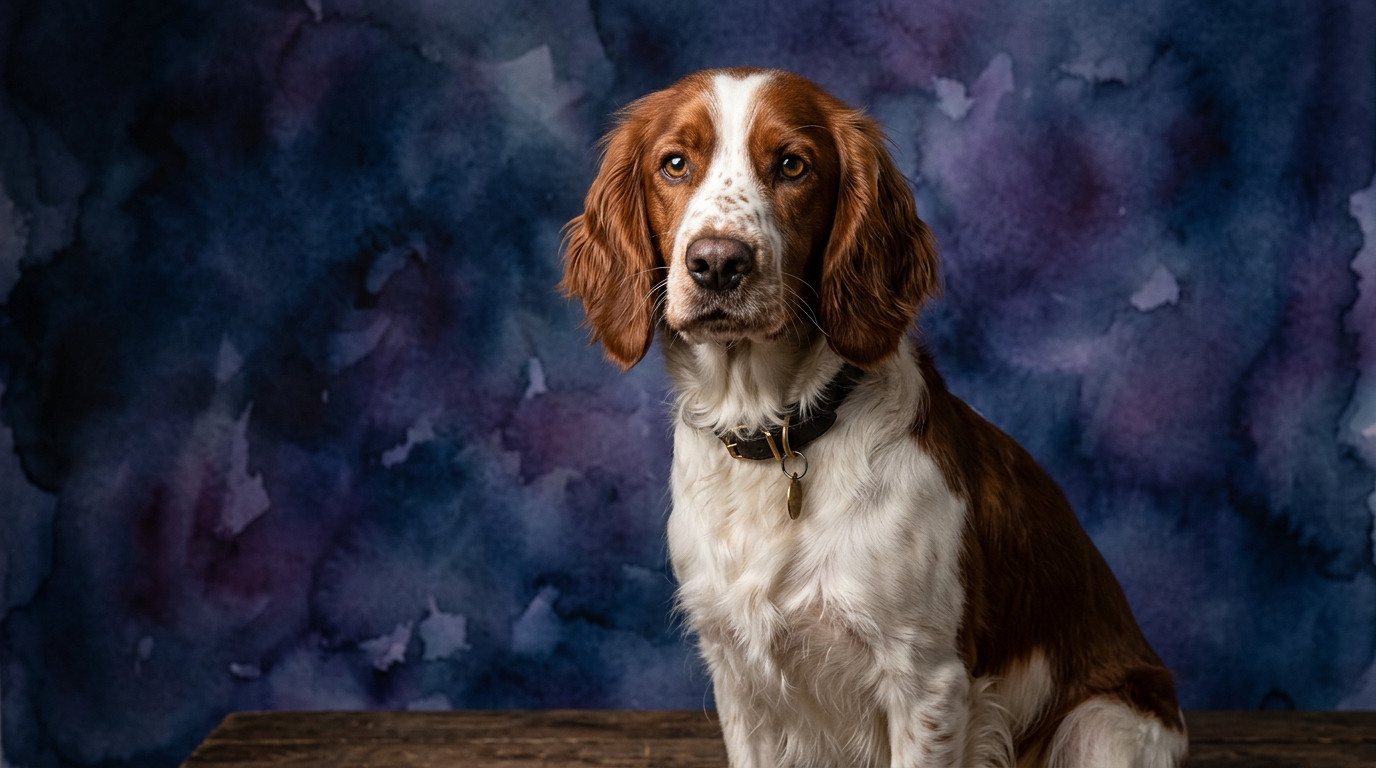
Side-by-side IQ profile
The Cosmic Pet Pet IQ Lab assesses canine intelligence across five key dimensions, revealing the nuanced cognitive strengths of each breed. For the Icelandic Sheepdog, a consistent 3/5 across all categories indicates a balanced, adaptable intellect, while the Welsh Springer Spaniel shows specific aptitudes with higher scores in problem-solving, training speed, and memory.
Icelandic Sheepdog: Problem Solving (3/5): This breed exhibits practical problem-solving skills, adept at navigating its environment and managing livestock. Their solutions are often rooted in observation and instinct, focused on efficiency in their herding duties rather than complex abstract challenges. Training Speed (3/5): Icelandic Sheepdogs learn at a steady pace. They absorb new commands and routines with consistent repetition and positive reinforcement, showing good retention once a behavior is established. Social Intelligence (3/5): Their social intellect is geared towards strong family bonds and cooperative work. They are perceptive of human emotions and intentions within their familiar group, fostering a harmonious household dynamic. Instinctive Drive (3/5): The herding instinct is moderate but present, manifesting as a desire to gather and watch over their “flock,” which includes their human family. This drive is a foundational aspect of their cognitive makeup. Memory (3/5): Icelandic Sheepdogs possess a reliable memory for routines, learned commands, and familiar people and places. They retain information effectively over time with consistent reinforcement.
Welsh Springer Spaniel: Problem Solving (4/5): Welsh Springers demonstrate a higher aptitude for figuring out novel situations and puzzles. Their intellect is sharp, allowing them to quickly assess and adapt, often finding creative solutions to reach a desired outcome, such as retrieving a hidden toy. Training Speed (4/5): This breed learns rapidly, picking up new commands and complex sequences with fewer repetitions than many other dogs. Their eagerness to engage and cooperate significantly contributes to their quick uptake. Social Intelligence (3/5): Welsh Springers share a similar social intelligence profile to the Icelandic Sheepdog, being attuned to their human companions and thriving on interaction. They form deep bonds and enjoy being an integral part of family activities. Instinctive Drive (3/5): Their instinctive drive is primarily rooted in their sporting heritage, manifesting as a strong desire to hunt, flush, and retrieve. This drive fuels their energy and focus during activities that mimic their historical role. Memory (4/5): Welsh Springer Spaniels possess an excellent memory, not only for basic commands but also for intricate sequences and past experiences. This superior recall aids significantly in advanced training and complex tasks.
Where Icelandic Sheepdog wins cognitively
The Icelandic Sheepdog's cognitive strengths lie in its balanced, resilient, and context-specific intelligence, particularly in environmental awareness and practical application. While its scores are consistently 3/5, this indicates a well-rounded and adaptable intellect, not a deficit. Their problem-solving, though rated 3/5, is particularly adept at real-world scenarios related to territory and group management, often requiring nuanced observation of their surroundings and the behaviors of others. Unlike a spaniel's focus on a task, the Sheepdog's cognitive strength involves a broader, continuous assessment of its environment for potential changes or threats, a skill honed over centuries of guarding livestock in open, unforgiving landscapes. Their social intelligence, also 3/5, excels in fostering deep, loyal bonds within their immediate family group, interpreting subtle cues for harmony and protection, which is a different facet from the task-oriented social engagement of a sporting dog. This breed's intellect is less about speed and more about sustained, reliable, and perceptive engagement with its world and its people, making them exceptionally intuitive and steady companions, excelling in roles requiring consistent vigilance and thoughtful interaction with their environment.
Where Welsh Springer Spaniel wins cognitively
The Welsh Springer Spaniel shines with a cognitive profile geared for rapid learning, precise execution, and impressive retention, primarily winning in areas tied to task-oriented performance. Their 4/5 rating in Problem Solving reflects a quick wit and a facility for understanding cause-and-effect relationships, enabling them to decipher new puzzles or training challenges with relative ease. This translates into an ability to quickly figure out how to manipulate objects, navigate obstacles, or complete sequences of actions. The 4/5 in Training Speed is a significant advantage, meaning they typically require fewer repetitions to master new commands and behaviors, making them highly responsive to consistent instruction. Furthermore, their superior Memory, also 4/5, ensures that once a lesson is learned, it is retained effectively over time, allowing for the building of a vast repertoire of complex skills and commands. This combination of quick learning, effective problem-solving, and strong recall makes the Welsh Springer Spaniel particularly adept at advanced obedience, agility, scent work, and other performance-based activities where precision and responsiveness are paramount, making them highly effective working partners.
Which is easier to train and why
Based on their distinct cognitive profiles, the Welsh Springer Spaniel generally presents as the easier breed to train for a wide range of tasks, primarily due to its higher scores in Training Speed (4/5) and Memory (4/5). A Welsh Springer Spaniel will typically grasp new commands and routines more quickly, often requiring fewer repetitions before a behavior becomes ingrained. Their excellent memory ensures that once learned, these commands are retained well, allowing for rapid progression to more complex sequences and advanced training. Their strong instinctive drive for partnership and retrieving also often translates into an eagerness to please and work alongside their human companions, making them highly motivated training partners. In contrast, the Icelandic Sheepdog, with 3/5 in both Training Speed and Memory, requires a more patient and consistent approach. While trainable, they may take more repetitions to solidify new behaviors, and trainers need to be mindful of their independent herding mindset. Their intellect is less about speed and more about thoughtful application, meaning training sessions might need to be structured to appeal to their practical problem-solving and social intelligence rather than purely rote learning, often requiring more creative engagement to maintain focus.
Which suits active owners vs relaxed owners
Neither the Icelandic Sheepdog nor the Welsh Springer Spaniel are ideal choices for genuinely "relaxed" owners who prefer minimal daily engagement. Both breeds possess a robust instinctive drive (3/5 for each) and require significant daily activity and mental stimulation to thrive. However, the nature of that activity differs. The Welsh Springer Spaniel, with its sporting background and higher problem-solving and training speed, is better suited for highly active owners who enjoy structured activities like hiking, running, agility, competitive obedience, or field work. They thrive on having a "job" that engages their quick mind and powerful body, excelling when given opportunities to flush, retrieve, or solve puzzles. Their energy is often directed towards purposeful, task-oriented engagement that requires sustained focus.
The Icelandic Sheepdog, while equally active, might suit owners who are active in a different way, valuing consistent outdoor time, engaging in long walks, or participating in lower-impact activities that allow them to "supervise" their environment. Their herding drive means they enjoy having a perceived purpose, whether it's monitoring the yard or accompanying their owner on errands, rather than necessarily performing complex tasks at high speed. Owners who appreciate a companion with a steady, watchful presence during their active lifestyle, and who can provide consistent social interaction and a sense of belonging, might find the Icelandic Sheepdog a better fit, as their mental stimulation often comes from observation and interaction within their family unit.
The Verdict
Choose the Icelandic Sheepdog if you seek a resilient, perceptive companion with a balanced intellect, valuing deep social bonds and a steady, watchful presence in a moderately active household. This breed thrives with owners who appreciate practical intelligence and consistent, gentle guidance, offering unwavering loyalty and a thoughtful approach to life.
Opt for the Welsh Springer Spaniel if you are an active owner eager for a quick-witted, highly trainable partner for sports, advanced obedience, or field work, thriving on engaging mental and physical challenges. Their rapid learning and excellent memory make them ideal for those who enjoy structured, dynamic activities and a responsive companion ready for complex tasks.
🧠 Find Your Pet's IQ Score
Our Pet IQ Lab assessment covers 25+ tests across 5 cognitive dimensions — personalized to your breed.
Take the Full IQ Test →Frequently Asked Questions
Is the Icelandic Sheepdog difficult to train due to its herding background?
While not 'difficult,' the Icelandic Sheepdog requires consistent, patient training tailored to its 3/5 training speed and independent herding instincts. Their intellect is practical and benefits from positive reinforcement that appeals to their desire for companionship and purpose, rather than purely rote memorization, often responding well to methods that build on their observational skills.
How does the Welsh Springer Spaniel's problem-solving ability manifest in daily life?
A Welsh Springer Spaniel's 4/5 problem-solving often appears in their ability to quickly figure out how to open gates, retrieve toys from challenging spots, or learn complex routes. They are adept at assessing situations and adapting their actions to achieve a desired outcome, making them engaging and resourceful companions who enjoy mental challenges.
Do both breeds require a lot of exercise, and is one more prone to destructive behavior if not exercised enough?
Both breeds are active and require substantial daily exercise and mental stimulation. A Welsh Springer Spaniel, with its higher mental energy and drive, might be more prone to destructive behaviors or excessive vocalization if its cognitive and physical needs are not adequately met, whereas an Icelandic Sheepdog might become more restless or engage in excessive 'supervising' behaviors, reflecting their need for purpose.