Side-by-Side IQ Profile: Herder vs. Hunter
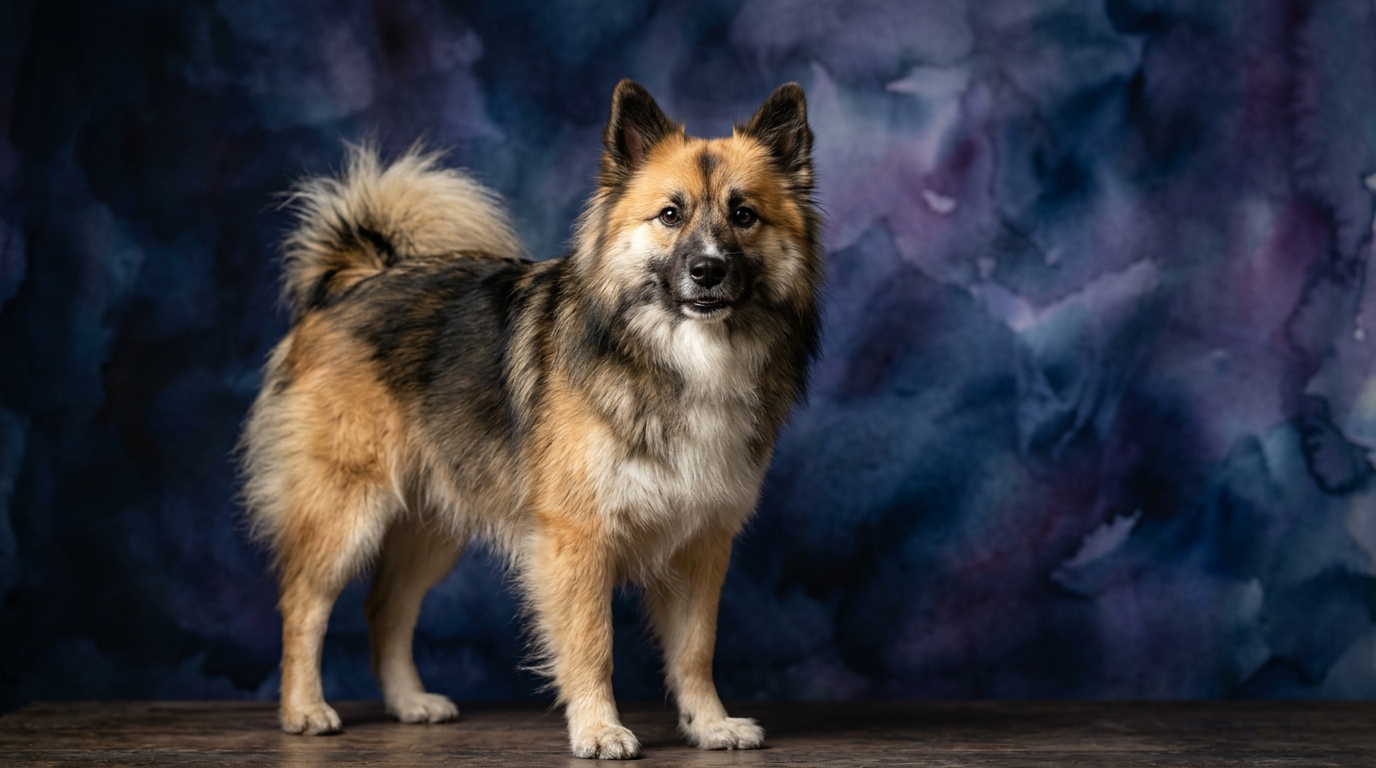
The Cosmic Pet Pet IQ Lab provides a nuanced look at canine cognition, evaluating breeds across five key dimensions. For the Icelandic Sheepdog, a Herding group member not ranked by Coren, we observe a balanced cognitive profile reflecting its ancient role. Its Problem Solving is rated 3/5, indicating moderate ability to navigate novel situations and figure out solutions independently. Training Speed also sits at 3/5, suggesting a moderate pace for learning new commands, often balanced by a cooperative spirit. Social Intelligence is 3/5, reflecting a capacity to understand and respond to human cues and social dynamics within a family or pack. The Instinctive Drive is 3/5, primarily expressed as a strong herding impulse, a desire to gather and control movement. Finally, its Memory is 3/5, meaning it retains learned behaviors, routes, and associations effectively.
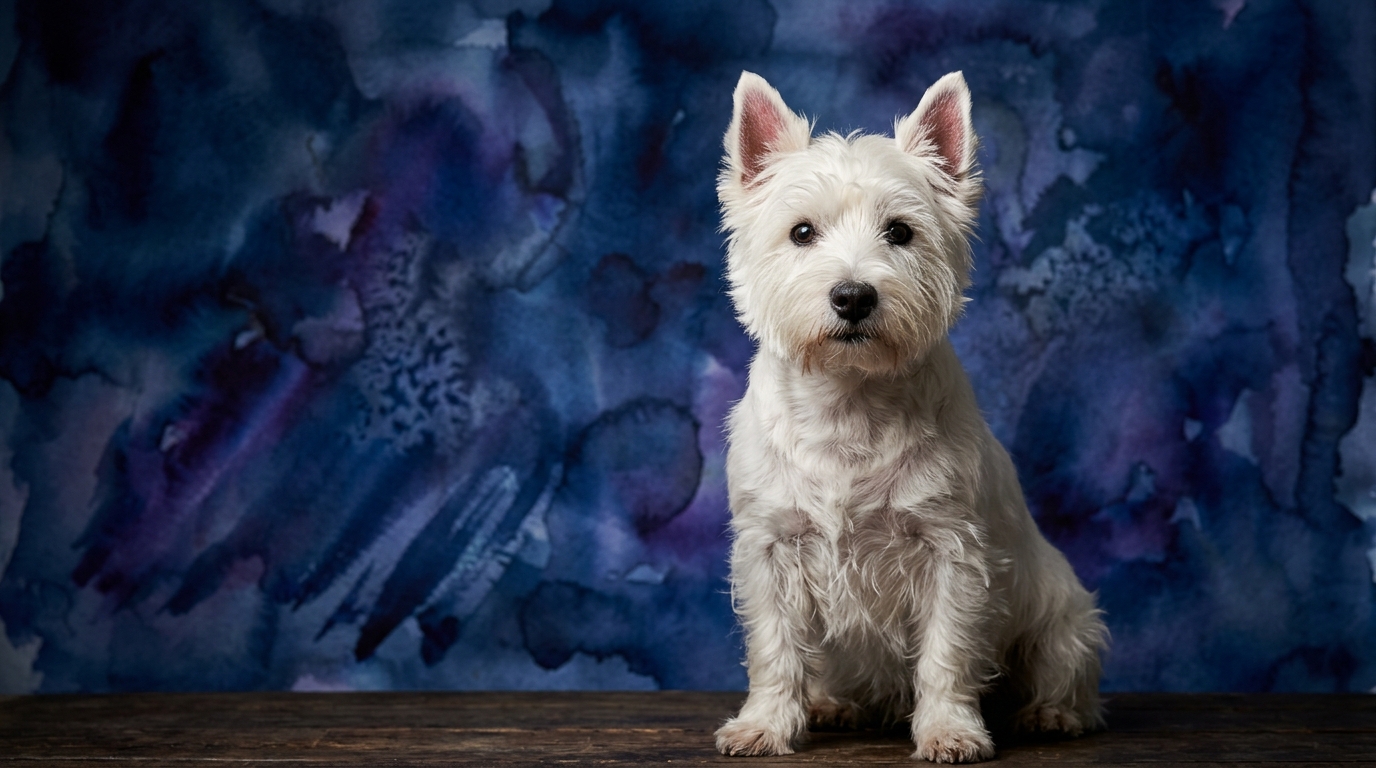
In contrast, the West Highland White Terrier, a Terrier group member ranked #47 by Coren, shares several scores but with distinct implications. Its Problem Solving is 3/5, indicating a moderate capacity, often expressed through tenacity and cleverness in pursuit of a goal. Training Speed is also 3/5, suggesting a moderate learning pace, though often tempered by its independent terrier nature. Social Intelligence is 3/5, meaning Westies are generally outgoing and can form strong bonds, understanding human emotions to a good degree. Their Instinctive Drive is 3/5, rooted primarily in a strong prey drive and territoriality, essential for vermin hunting. Where the Westie truly distinguishes itself is its Memory, rated 4/5, indicating a strong capacity for retaining a wide array of commands, routines, and experiences over long periods.
Where the Icelandic Sheepdog Excels Cognitively
While both breeds share several comparable cognitive scores, the Icelandic Sheepdog's strengths are finely tuned to its pastoral heritage. Its 3/5 score in problem-solving, for instance, is expressed differently than a Westie's. An Icelandic Sheepdog would likely excel at tasks requiring spatial awareness and navigating open spaces to gather or guide. Imagine a scenario where a gate is accidentally left open and a few “sheep” (toys) have wandered; the Icelandic Sheepdog's cognitive strengths would shine in methodically rounding them up, using its moderate problem-solving to find the most efficient path and its social intelligence to respond to subtle cues from its handler to guide the 'flock'. Their instinctive drive, focused on herding, means they are naturally attuned to movement and positioning, making them adept at tasks that simulate their ancient work, requiring a calm, methodical approach rather than a quick, reactive hunt. This breed's cognitive architecture is geared towards cooperative, long-term endeavors in an open environment.
Where the West Highland White Terrier Excels Cognitively
The West Highland White Terrier, despite similar scores in many areas, demonstrates cognitive strengths perfectly adapted to its role as a tenacious vermin hunter. Its standout feature is a 4/5 memory score, which is a significant asset. This enhanced recall allows a Westie to remember intricate patterns, recall the precise location of hidden objects (perhaps a 'rat' scent buried in the garden), and retain a wider repertoire of commands or tricks over time, even if they occasionally choose not to comply immediately. Their 3/5 problem-solving is expressed in a determined, focused manner, often involving persistence and ingenuity to overcome obstacles to reach a goal, like finding a way under a fence or extracting a toy from a tight space. This breed’s instinctive drive, geared towards prey, means they are quick to notice and react to small movements and sounds, making them excellent at alert tasks and games that simulate a 'hunt,' leveraging their memory to recall past successful strategies.
Which is Easier to Train and Why
While both breeds score 3/5 in training speed, the 'why' behind their progress differs substantially, making the training experience unique for each. The Icelandic Sheepdog, with its strong desire to work cooperatively with its human, often exhibits a more biddable nature. Their social intelligence, while moderate, is geared towards partnership, meaning they are often keen to understand and respond to their handler's instructions, especially when tasks align with their herding instincts. Training success with an Icelandic Sheepdog often hinges on clear, consistent communication and providing outlets for their innate drive. They might not learn a new trick in a single session, but their willingness to engage and their moderate memory ensure steady progress. In contrast, the West Highland White Terrier's training speed of 3/5 is often tempered by its independent and sometimes stubborn terrier spirit. While they possess a superior memory (4/5) for retaining commands, their strong instinctive drive and problem-solving skills mean they might assess whether a command aligns with their current interests before complying. Training a Westie requires creativity, high-value rewards, and making the learning process feel like a game or a challenge they want to 'win.' They respond best to handlers who can channel their tenacity and curiosity, rather than trying to overpower their will. Therefore, while both learn at a moderate pace, the Icelandic Sheepdog is generally perceived as 'easier' due to its inherent desire to please and cooperate, whereas the Westie demands a more engaging and persistent training approach to overcome its independent streak.
Which Suits Active Owners vs. Relaxed Owners
The cognitive and physical needs of these two breeds offer clear distinctions for different owner lifestyles. The Icelandic Sheepdog, a breed designed for active outdoor work, thrives with owners who can provide ample mental and physical stimulation. Their moderate problem-solving and instinctive herding drive mean they are happiest when given a 'job' to do, whether it's agility, herding games, or extensive hikes. An active owner who enjoys exploring and can engage their dog in mentally stimulating activities will find the Icelandic Sheepdog a delightful and cooperative companion. Their social intelligence also means they enjoy being an integral part of family activities. Conversely, while the West Highland White Terrier also benefits from activity, their needs are often different in nature. Their moderate problem-solving, strong memory, and instinctive drive lean towards activities that engage their hunting instincts—think scent work, digging games (in designated areas!), or short, intense bursts of play. They are adaptable and can certainly enjoy an active lifestyle, but a 'relaxed' owner who can provide consistent, engaging mental enrichment within a smaller space, combined with regular shorter walks and playtime, might find the Westie a more suitable fit. Their independent nature also means they can be content with periods of self-entertainment, though they still crave interaction and mental challenges.
The Verdict
Select an Icelandic Sheepdog if you are an active individual or family seeking a cooperative, biddable companion eager to participate in outdoor adventures, herding-related sports, or consistent mental engagement that taps into their pastoral heritage. Their desire to work alongside you and moderate, steady cognitive profile makes them rewarding for patient, active trainers.
Opt for a West Highland White Terrier if you appreciate a spirited, independent companion with a sharp memory, who thrives on engaging mental challenges like scent games and problem-solving puzzles, and whose tenacity you find charming rather than challenging. This breed suits owners who can provide consistent, creative training and manage a strong prey drive, even if their lifestyle isn't constantly outdoors.
🧠 Find Your Pet's IQ Score
Our Pet IQ Lab assessment covers 25+ tests across 5 cognitive dimensions — personalized to your breed.
Take the Full IQ Test →Frequently Asked Questions
Do Icelandic Sheepdogs need a lot of exercise?
Yes, Icelandic Sheepdogs are an active herding breed that requires significant daily exercise to be content. They thrive on activities like long walks, hikes, agility, or canine sports that engage both their body and their moderate problem-solving mind, preventing boredom and channeling their instinctive drives positively.
Are West Highland White Terriers good for apartment living?
West Highland White Terriers can adapt to apartment living if their exercise and mental stimulation needs are met. Despite their smaller size, they require regular walks and engaging playtime, leveraging their strong memory and problem-solving skills with toys and puzzles, to prevent boredom and destructive behaviors.
Which breed is better with children?
Both breeds can be good with children, but their interactions differ. Icelandic Sheepdogs are generally known for their gentle and patient nature with children, often forming strong bonds. Westies can be playful and affectionate but might be less tolerant of rough play due to their independent terrier spirit, requiring supervision with very young children.