Side-by-Side Cognitive Profiles
Despite both breeds scoring a 3/5 across all five cognitive dimensions – Problem Solving, Training Speed, Social Intelligence, Instinctive Drive, and Memory – the manifestation of these abilities is profoundly shaped by their distinct evolutionary paths and breed purposes. This identical numerical rating invites us to look deeper into the qualitative aspects of their mental makeup.
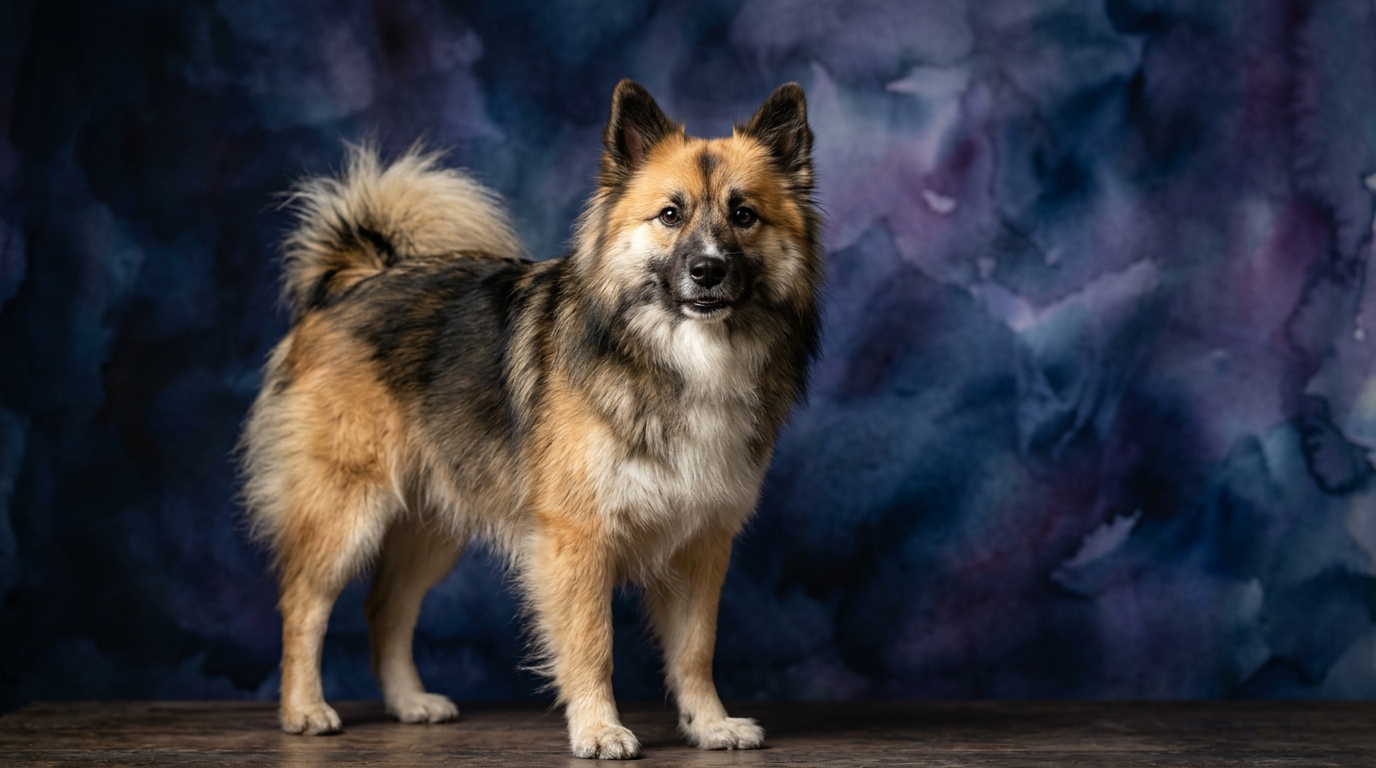
For the Icelandic Sheepdog, a 3/5 in Problem Solving manifests in their capacity to independently navigate complex terrain and gather scattered sheep, often requiring quick decisions without direct human guidance in dynamic situations. Their 3/5 Training Speed reflects their readiness to learn commands due to an eagerness to cooperate with their handler, a necessary trait for effective herding, though their independent spirit means they aren't purely automatons. A 3/5 in Social Intelligence means they are highly attuned to their human companions, reading cues for collaboration and demonstrating sensitivity to emotional states, fostering a strong working partnership. Their 3/5 Instinctive Drive is rooted in a natural desire to herd and gather, showing alertness and a drive towards movement. Finally, their 3/5 Memory indicates a good recall for routes, commands, and the locations of their flock, essential for effective and efficient herding operations over vast areas.
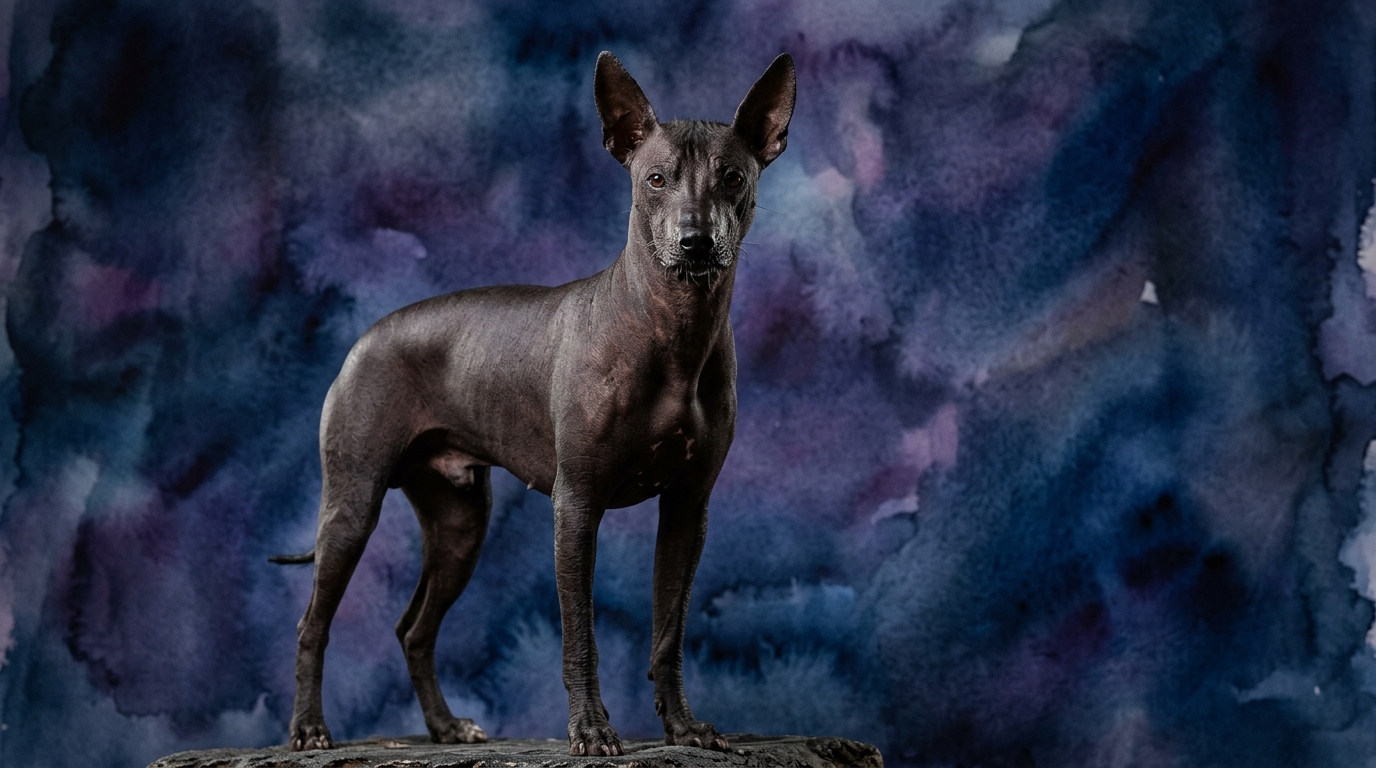
The Xoloitzcuintli’s 3/5 in Problem Solving often centers on navigating their home environment, assessing potential threats, and figuring out comfortable resting spots, reflecting their ancient role as guardians and companions. Their 3/5 Training Speed signifies they are capable learners, but their independent and sometimes aloof nature means training requires patience, consistency, and motivation tailored to their desire for comfort or security rather than pure eagerness to please. A 3/5 in Social Intelligence means they are deeply bonded with their immediate family, acutely aware of their pack's dynamics and emotions, though they often exhibit reserve and suspicion towards strangers. Their 3/5 Instinctive Drive is primarily protective and territorial, manifesting as vigilance and a strong sense of guarding their family and home, rather than a drive for active work. Their 3/5 Memory means they retain strong recollections of people, routines, and experiences, which contributes to their discerning nature regarding strangers and their loyalty to their chosen family.
Where the Icelandic Sheepdog's Cognition Excels
The Icelandic Sheepdog's cognitive strengths shine in environments demanding active partnership and adaptable problem-solving. Their 3/5 problem-solving score, within their herding context, means they excel at independent decision-making when facing unpredictable livestock movements or changing weather. They aren't simply following orders; they're interpreting the situation and making choices to achieve a goal, like finding a lost lamb or redirecting a wayward sheep. This proactive engagement, coupled with their 3/5 social intelligence, allows for a fluid, non-verbal communication with their handler, anticipating needs and reacting to subtle cues in a dynamic outdoor setting.
Their memory of terrain and past experiences is crucial for navigating vast, featureless landscapes. They thrive on tasks that require collaborative intelligence, where their judgment is valued and integrated into the human-dog team's efforts. This breed's mental agility is geared towards practical, real-world tasks that require constant adaptation and interaction within a working partnership, demonstrating a keen ability to learn from experience and apply solutions in varied scenarios.
Where the Xoloitzcuintli's Cognition Excels
The Xoloitzcuintli's cognitive advantages are rooted in their ancient role as guardians and companions, manifesting a distinct form of discernment and protective intelligence. Their 3/5 social intelligence score means they are exceptionally attuned to the nuances of their immediate family, often sensing subtle shifts in mood or tension long before others. This deep familial bond fuels their 3/5 instinctive drive for protection, allowing them to assess perceived threats with a quiet intensity.
Their problem-solving, while not focused on herding, is adept at evaluating new situations and individuals, determining who is a friend and who warrants suspicion. This translates to a profound understanding of their home's boundaries and who belongs, making them highly effective, albeit subtle, sentinels. Their memory (3/5) plays a critical role in retaining these assessments, allowing them to build a complex mental map of their social world and react consistently based on past interactions, ensuring the security of their inner circle and the comfort of their chosen family.
Training Dynamics: A Tale of Two Temperaments
When it comes to training, the Icelandic Sheepdog is generally more amenable due to their strong desire to collaborate and their heritage of working closely with humans. Their 3/5 training speed is enhanced by their inherent biddability and eagerness to participate in tasks. They are motivated by interaction and positive reinforcement, often seeing training as a shared activity. While they possess an independent streak typical of herding breeds, it's usually channeled into problem-solving within the task rather than outright defiance. They are quick to associate commands with actions and are keen to please their handler, making them responsive to consistent, engaging training methods. Their social intelligence helps them understand human intentions, further streamlining the learning process.
The Xoloitzcuintli, conversely, can be more challenging to train, not due to a lack of capacity (they also score 3/5 in training speed), but due to their independent and sometimes reserved nature. They are not inherently driven to please a handler in the same way a working herding dog might be. Their motivation often stems from self-interest, comfort, or the protection of their resources. Training requires immense patience, positive reinforcement, and understanding their unique personality. They may question commands or require a clear "what's in it for me?" before complying. Their strong guarding instinct means early and consistent socialization is crucial to prevent excessive wariness, which can complicate training in novel environments. They learn best when training is seen as a fair exchange and their bond with their primary caregiver is solid.
Matching Breeds to Lifestyles: Active vs. Relaxed Owners
The Icelandic Sheepdog is a natural fit for active owners. Their 3/5 instinctive drive for herding translates into a need for regular physical activity and mental engagement. They thrive on jobs, whether it's actual herding, agility, obedience, or long hikes. Owners who enjoy outdoor activities and can provide consistent mental stimulation will find this breed a joyful and energetic companion. Their problem-solving and social intelligence mean they enjoy learning new things and participating in complex tasks, making them excellent partners for dog sports or adventurous excursions. A relaxed owner might find their persistent need for engagement overwhelming, potentially leading to boredom-induced behaviors, highlighting the importance of matching their cognitive energy to an owner's lifestyle.
The Xoloitzcuintli, while still requiring daily exercise, generally aligns better with relaxed owners, especially those seeking a devoted indoor companion. Their 3/5 instinctive drive is more about guarding and companionship than relentless activity. They appreciate comfort and warmth, often content to lounge near their family members after a moderate walk or play session. Their problem-solving often manifests in observing their environment and family dynamics, rather than needing a constant "job." While they are alert and watchful, their energy levels are typically lower than a herding breed. A relaxed owner who values a strong, loyal bond and a calm home presence, and is prepared for their reserved nature with strangers, will find the Xoloitzcuintli a fitting match. They don't demand constant strenuous activity, but rather consistent, loving presence.
The Verdict
Choose the Icelandic Sheepdog if you seek an enthusiastic, collaborative partner for outdoor adventures and mental challenges, valuing a dog that actively participates in shared tasks.
Opt for the Xoloitzcuintli if you desire a deeply loyal, discerning, and protective companion who thrives on quiet companionship and a stable home environment, appreciating subtle bonds over constant activity.
🧠 Find Your Pet's IQ Score
Our Pet IQ Lab assessment covers 25+ tests across 5 cognitive dimensions — personalized to your breed.
Take the Full IQ Test →Frequently Asked Questions
Do Icelandic Sheepdogs make good family pets, considering their herding drive?
Yes, Icelandic Sheepdogs can be wonderful family pets, particularly for active families. Their herding drive means they need outlets for their energy and mental stimulation, but they are also very social and enjoy being part of family activities. Early socialization and consistent training are key to channeling their instincts appropriately.
Are Xoloitzcuintli easy to socialize given their reserved nature?
Socializing a Xoloitzcuintli requires consistent effort, especially during puppyhood. Their naturally reserved and protective temperament means they benefit greatly from early, positive exposures to various people, places, and sounds to help them develop confidence and discernment rather than fear or excessive wariness.
How do the problem-solving abilities of these two breeds differ in daily life?
An Icelandic Sheepdog's problem-solving often involves figuring out how to achieve a goal, like retrieving a toy from a tricky spot or navigating obstacles on a walk. A Xoloitzcuintli's problem-solving might be more about assessing social situations, understanding routines, or finding the warmest, most comfortable spot in the house for a nap.