Side-by-Side Cognitive Profiles: Decoding the 3/5 Score
When two distinct breeds, like the spirited Irish Red and White Setter and the majestic Irish Wolfhound, both register a 3/5 across all five cognitive dimensions in The Cosmic Pet Pet IQ Lab, it prompts a deeper inquiry into what these scores truly signify for each. A 3/5 score indicates a solid, competent capability within each dimension, but the *expression* of that capability is profoundly shaped by the breed's historical purpose and inherent temperament.
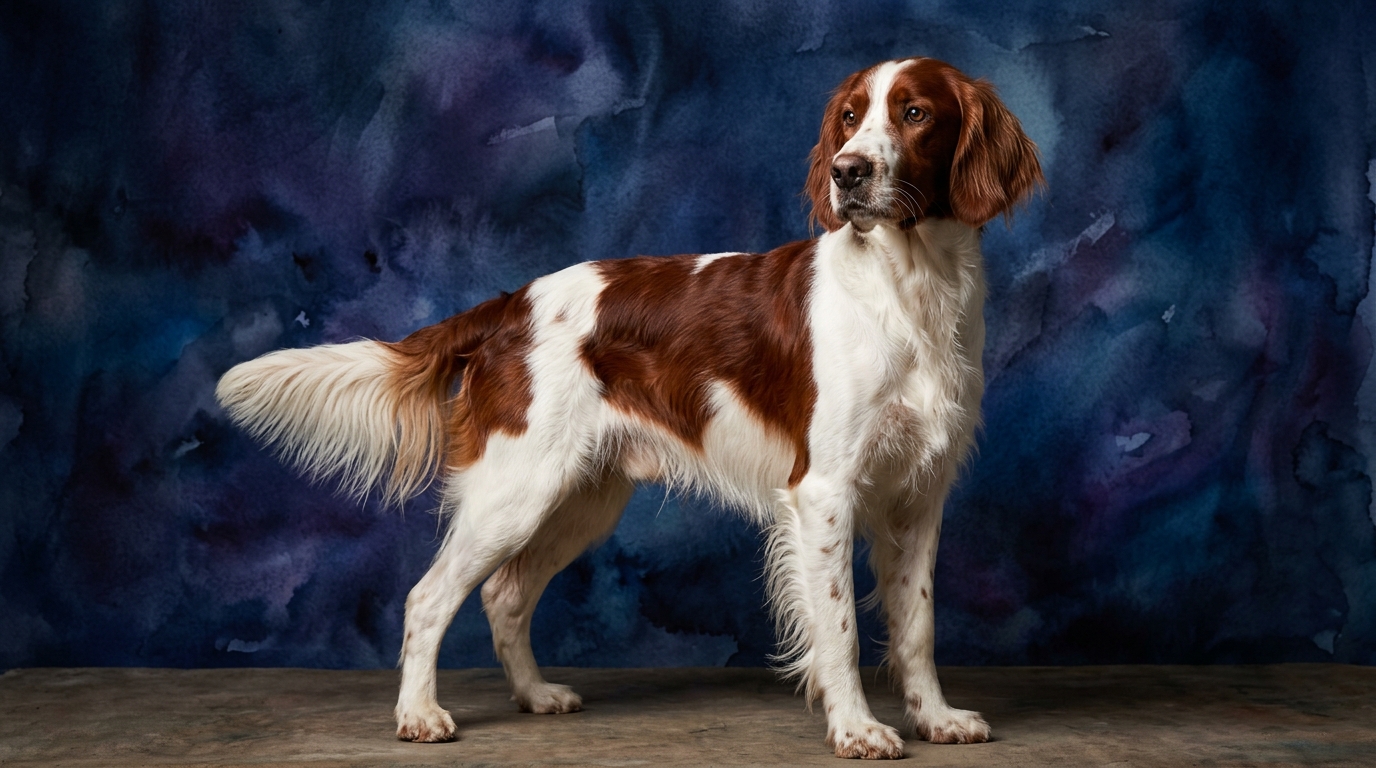
For the **Irish Red and White Setter (Sporting Group)**, a 3/5 in **Problem Solving** reflects a capacity for practical, in-the-moment decision-making essential for fieldwork. They can assess a scent trail, navigate varied terrain, and locate game without constant human direction, demonstrating efficient, focused problem-solving within their hunting context rather than abstract puzzle-solving. Their **Training Speed (3/5)** benefits from a willingness to engage and an inherent desire to work collaboratively with a handler, grasping commands effectively, especially when training taps into their natural retrieving and pointing instincts. Their **Social Intelligence (3/5)**, honed by centuries of working closely with humans, manifests as a keen awareness of handler cues and intentions, extending to forming strong, sensitive bonds with their families. The **Instinctive Drive (3/5)** in a Setter is the bedrock of their being, an intense focus on scent, a natural pointing stance, and an eagerness to retrieve, a powerful yet controlled drive designed for partnership. Finally, their **Memory (3/5)** allows them to recall training commands, remember specific hunting locations or scent trails, and retain learned behaviors over time, building upon past experiences for improved effectiveness in repetitive tasks.
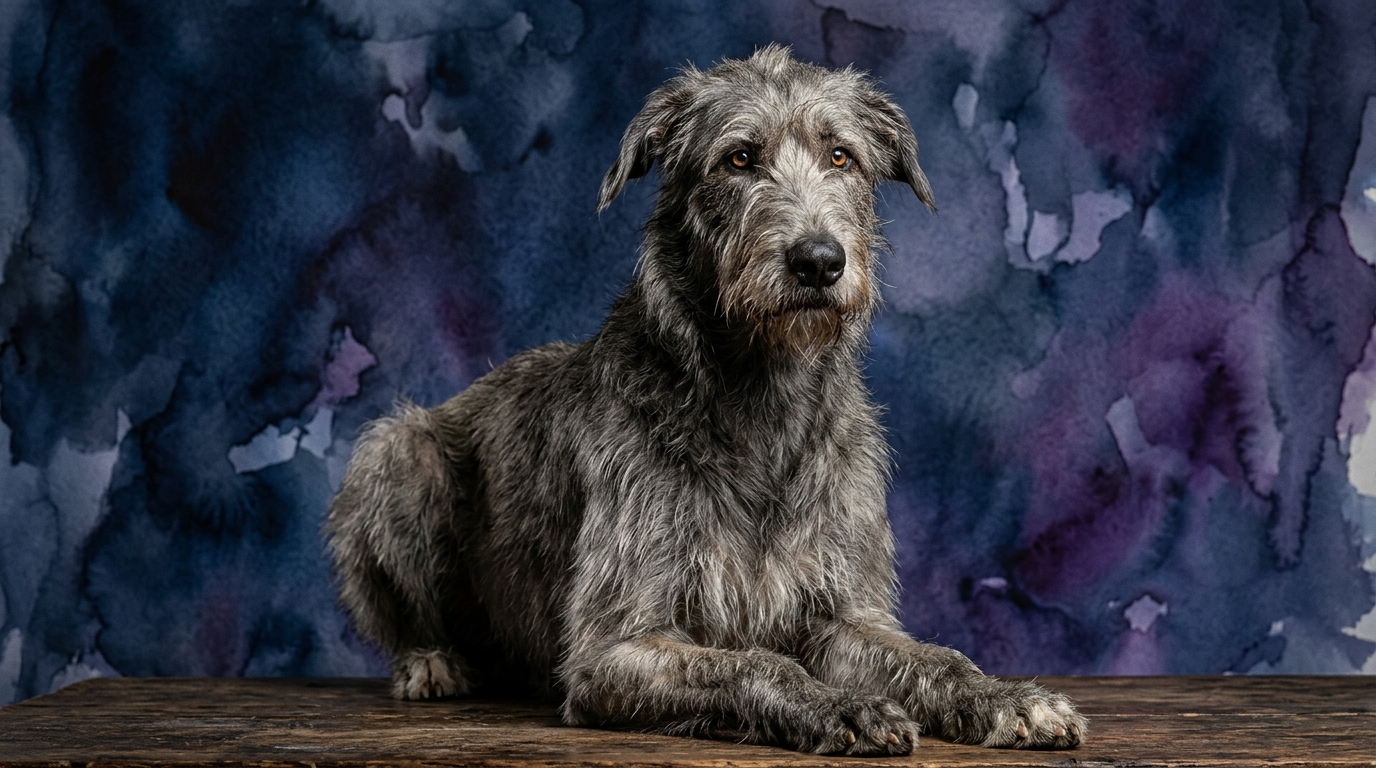
The **Irish Wolfhound (Hound Group)**, conversely, expresses its 3/5 scores through a different lens. Their **Problem Solving (3/5)**, for a breed historically tasked with the independent pursuit of large game, manifests as adaptive thinking in complex, dynamic situations. They could strategize how to corner formidable quarry, relying on their own judgment rather than waiting for human instruction, a distinct form of problem-solving. Their **Training Speed (3/5)** indicates they are capable learners, but their progress is often influenced by their independent nature; they process information well, but their willingness to comply immediately can vary, often requiring training to be engaging and respectful of their individualistic streak. **Social Intelligence (3/5)** in a Wolfhound is marked by a gentle, watchful demeanor and a deep attunement to their human family's emotional states, offering quiet companionship and a nuanced protective presence rather than overt task partnership. Their **Instinctive Drive (3/5)** is a deep-seated sighthound drive for pursuit, once crucial for tracking and bringing down large prey, meaning they can be moved by visual stimuli, requiring owner awareness. Lastly, their **Memory (3/5)** supports their calm, observant nature, enabling them to remember people, routines, and established household rules, contributing to their generally placid disposition and their ability to form deep, lasting bonds.
Where the Irish Red and White Setter Shines Cognitively
The Irish Red and White Setter's cognitive strengths are deeply intertwined with its heritage as a cooperative hunting companion. Their 3/5 in Problem Solving is particularly efficient for tasks demanding collaboration and rapid response to dynamic environmental cues, such as flushing game or retrieving. They excel at deciphering subtle handler signals and adapting their strategy on the fly during a hunt, showcasing a highly practical, task-oriented intellect. Their 3/5 Instinctive Drive is channeled into a remarkably productive working relationship, making them exceptionally focused on tasks that align with their natural predispositions, translating into impressive endurance and sustained attention in the field. Furthermore, their 3/5 Memory is particularly adept at recalling intricate scent patterns and terrain features, making them highly effective in repetitive hunting scenarios where past experience informs future success and consistency.
Where the Irish Wolfhound Exhibits Unique Cognitive Strengths
The Irish Wolfhound's cognitive advantages stem from its history as an independent hunter and guardian, fostering a thoughtful, discerning mind. Their 3/5 in Problem Solving often manifests as a deliberate, independent assessment of situations, particularly those involving potential threats or complex social dynamics. They tend to observe and process information before reacting, a valuable trait in a large guardian of family or property. Their 3/5 Social Intelligence is marked by a deep capacity for discernment, allowing them to distinguish between genuine threats and harmless strangers with a calm, watchful demeanor. This nuanced social understanding contributes to their reputation as gentle giants, capable of subtle protective instincts without unnecessary aggression. Additionally, their 3/5 Memory contributes to their stable temperament, enabling them to form strong, lasting bonds and remember their place within the family hierarchy and routines, fostering a sense of security and predictability in their home environment.
Training Dynamics: Setter's Engagement vs. Wolfhound's Deliberation
When considering ease of training, the Irish Red and White Setter often presents a more straightforward path for task-oriented learning. Their 3/5 Training Speed is significantly boosted by their eager-to-please nature and strong desire for collaborative work, as reflected in their 3/5 Social Intelligence. They thrive on positive reinforcement and consistent guidance, readily absorbing commands that engage their minds and bodies, especially when those tasks align with their natural working instincts. Their attention is typically directed towards their handler in a working context, making them responsive and cooperative learners.
The Irish Wolfhound, while certainly trainable with its 3/5 Training Speed, often requires a different approach. Their independent problem-solving (3/5) and less overtly collaborative instinctive drive mean they might question the *purpose* of a command more readily, and their sheer size necessitates early and consistent training for manners and leash work. Training them relies heavily on building a trusting relationship, using gentle, consistent methods, and ensuring tasks seem worthwhile from their perspective. They are less driven by a desire to *please* in the traditional sense and more by a desire to *understand* and *cooperate* on their own terms, making patience and a nuanced approach crucial for success.
Matching Canine Cognition to Owner Lifestyles
The cognitive profiles of these two breeds naturally align with different owner lifestyles. The Irish Red and White Setter, with its strong 3/5 Instinctive Drive for activity and its cooperative nature, is better suited for active owners. They require consistent mental and physical engagement, whether through structured training, field work, or vigorous play. An owner who enjoys long hikes, dog sports, or regular, extended outdoor sessions will find their Setter a joyful and tireless companion, as their 3/5 Problem Solving and 3/5 Memory thrive on challenges and varied experiences.
Conversely, the Irish Wolfhound, despite its historical role, is generally more suited for owners who appreciate a relaxed, dignified companion. While they benefit from regular, moderate exercise to maintain health, their energy levels are typically lower than a Setter's, and their large frames are prone to joint issues with excessive exertion. Their 3/5 Social Intelligence and 3/5 Memory make them content with quiet companionship and observing their family, fitting well into a home where calm presence and gentle interactions are valued over constant, high-energy activity. They are observers rather than constant participants in frantic play.
The Verdict
Opt for an Irish Red and White Setter if you seek an engaging, active partner for outdoor adventures, field sports, or a family that thrives on collaborative training and consistent mental stimulation. Their focused drive and cooperative intelligence make them excellent companions for those who can channel their boundless energy and working aptitude.
Select an Irish Wolfhound if you desire a serene, dignified, and loyal companion who brings a quiet, watchful presence to your home and family. They are best suited for owners who value deep, calm bonds, can provide ample space, and appreciate a less overtly demanding but profoundly affectionate canine presence.
🧠 Find Your Pet's IQ Score
Our Pet IQ Lab assessment covers 25+ tests across 5 cognitive dimensions — personalized to your breed.
Take the Full IQ Test →Frequently Asked Questions
Do both breeds require significant mental stimulation?
Yes, but the *type* differs. Irish Red and White Setters thrive on engagement through training and activity that taps into their working instincts, while Irish Wolfhounds benefit from consistent social interaction and opportunities for calm observation and companionship, reflecting their discerning nature.
Are Irish Wolfhounds difficult to train because of their size?
Their size certainly adds a practical challenge, necessitating early and consistent training for manners and leash control. However, their 3/5 training speed indicates they are capable learners, though their independent nature means training requires patience, positive reinforcement, and a focus on building a strong, respectful bond rather than expecting immediate compliance.
How do their 'instinctive drives' differ given they both score 3/5?
The Irish Red and White Setter's 3/5 instinctive drive is geared towards cooperative hunting, manifesting as a strong desire to point, flush, and retrieve in partnership with a human. The Irish Wolfhound's 3/5 drive, while also powerful, is rooted in independent sighthound pursuit of large game, meaning they are more likely to be moved by visual stimuli for chasing and require careful management in open spaces.