Side-by-Side Cognitive Profiles
At The Cosmic Pet Pet IQ Lab, we evaluate canine intelligence across five key dimensions. Understanding these profiles helps illuminate the inherent strengths and tendencies of each breed.
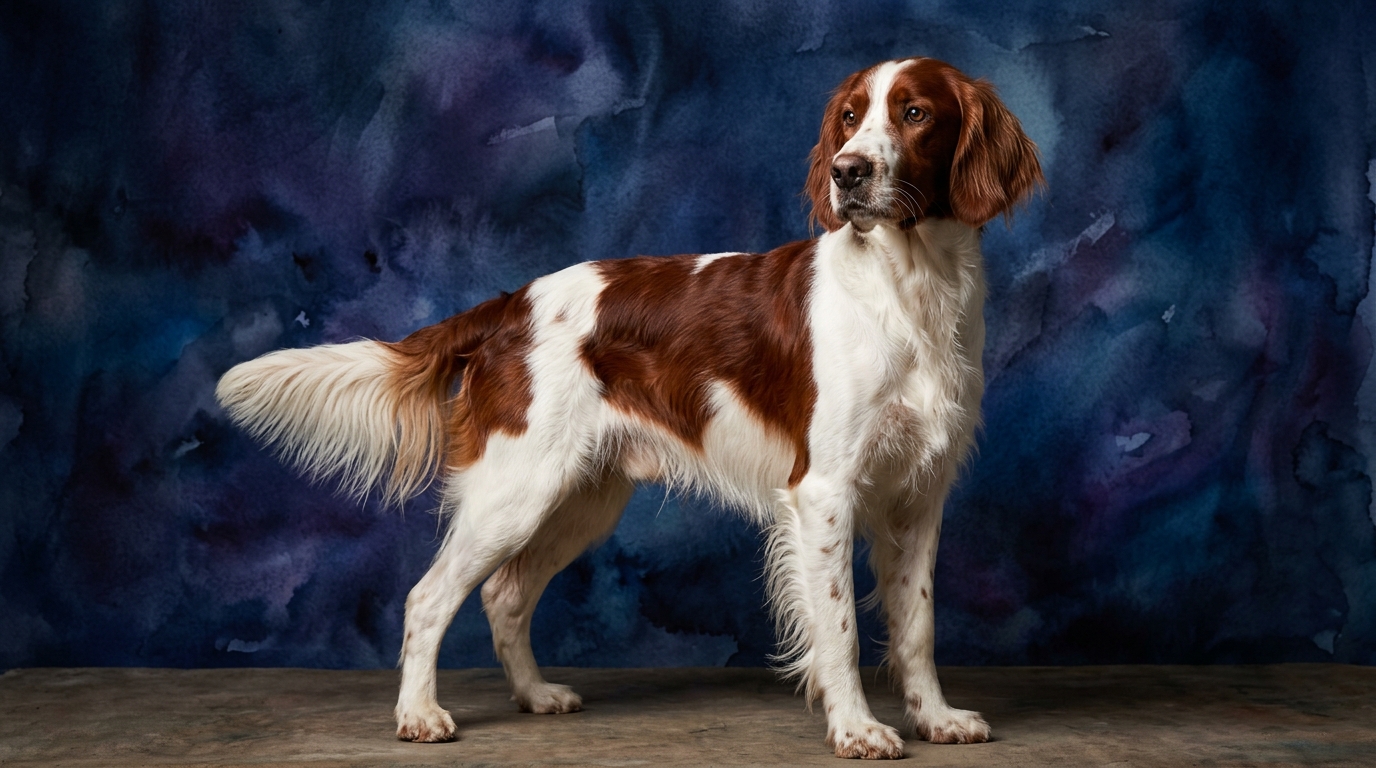
The Irish Red and White Setter, a dog from the Sporting group, exhibits a balanced cognitive profile with consistent scores across the board:
Problem Solving (3/5): This score suggests a moderate capacity for independent thought and finding solutions. Setters understand complex tasks but may lean on learned patterns or handler guidance over spontaneous innovation when facing novel obstacles.
Training Speed (3/5): A 3/5 in training speed indicates they absorb new commands and routines at a steady pace. They are certainly trainable, but consistency and repetition are key for reliable retention.
Social Intelligence (3/5): This reflects a balanced understanding of social cues, both canine and human. They navigate interactions effectively, showing appropriate responses without being overly demanding or aloof.
Instinctive Drive (3/5): Their moderate instinctive drive is primarily focused on their sporting heritage – scenting and flushing. It's potent enough for field work but manageable in a pet home with appropriate outlets.
Memory (3/5): A 3/5 memory suggests a reliable capacity to remember commands and routines. They retain learned behaviors well, though occasional refreshers can be beneficial for intricate sequences.
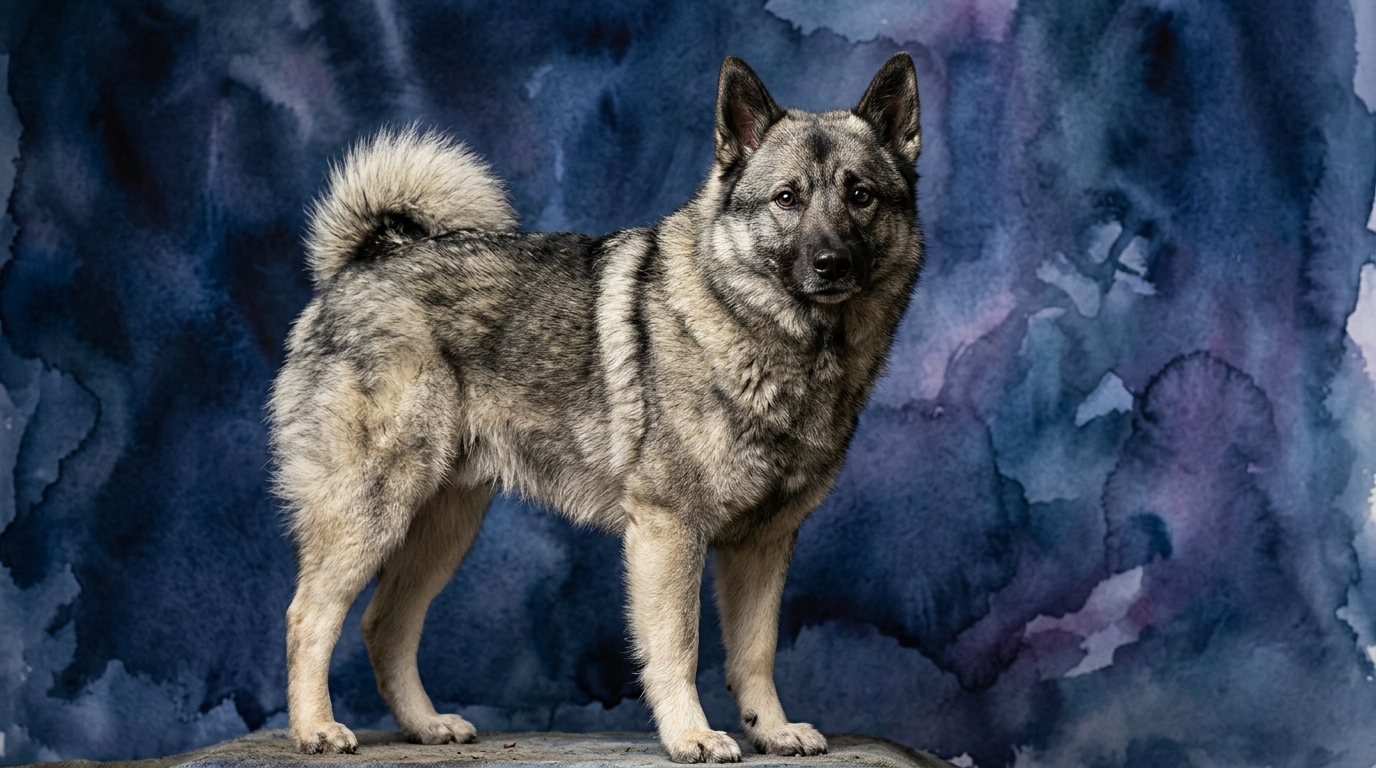
The Norwegian Elkhound, a dog from the Hound group, presents a profile with distinct strengths, also holding a Coren rank of #36:
Problem Solving (4/5): The Elkhound's 4/5 indicates a strong aptitude for independent problem-solving. Historically needing to make autonomous decisions while tracking large game, they excel at figuring things out, sometimes to an owner's delight or challenge.
Training Speed (4/5): Scoring 4/5, the Elkhound demonstrates a quick uptake of new information and commands. They learn rapidly, making initial training sessions often very productive and efficient.
Social Intelligence (3/5): Mirroring the Setter, their 3/5 in social intelligence means they are adept at reading and responding to social cues, forming strong bonds within their established social structure.
Instinctive Drive (3/5): Also at 3/5, their instinctive drive is powerful but manageable, centering on scent work, tracking, and a strong prey drive, requiring outlets for expression.
Memory (4/5): A 4/5 memory score indicates excellent recall of commands, learned behaviors, and environmental details. An Elkhound will remember routes and complex sequences with remarkable clarity.
Where the Irish Red and White Setter Excels Cognitively
While the Norwegian Elkhound boasts numerically higher scores in certain cognitive domains, the Irish Red and White Setter's balanced 3/5 across all five dimensions offers a unique set of advantages, particularly for owners seeking a consistent and adaptable companion. The Setter's moderate problem-solving capacity means they are less prone to inventing their own 'solutions' that might conflict with human expectations, offering a more predictable interaction. Their balanced instinctive drive, potent for field work, is less likely to become an all-consuming obsession in a pet home, making them generally amenable to a diverse range of activities beyond their core hunting purpose. Furthermore, their steady training speed ensures that while they may not be instant learners, they are reliable and retain what they learn without demanding constant novelty. This consistency makes the Setter a remarkably steady and less 'high-maintenance' cognitive partner, thriving on routine and clear communication rather than requiring constant intellectual challenges.
Where the Norwegian Elkhound Excels Cognitively
The Norwegian Elkhound's cognitive profile demonstrates clear strengths, particularly in areas crucial for their historical role as independent hunters. Their 4/5 problem-solving score means they excel at figuring things out on their own, whether navigating a complex trail or strategizing how to reach a coveted toy. This inherent ingenuity makes them engaging companions for owners who appreciate a dog with a strong, independent mind. Coupled with a 4/5 training speed, Elkhounds often grasp new commands and concepts remarkably quickly, making initial training stages efficient and rewarding. They are keen observers and fast learners, capable of understanding intricate sequences and responding promptly. Moreover, their superior 4/5 memory ensures that once a lesson is learned, it tends to stick. This robust recall is invaluable for complex training, remembering boundaries, or navigating familiar territories, allowing for a rich repertoire of learned behaviors and a dog that remembers its training well, even after breaks. These combined strengths make the Elkhound a formidable cognitive partner, capable of mastering advanced tasks and thriving in environments that encourage mental agility.
Trainability: Which Breed Learns Faster?
When comparing ease of training, the Norwegian Elkhound generally holds an edge due to its higher scores in both training speed (4/5) and problem-solving (4/5), coupled with its superior memory (4/5). An Elkhound's quicker uptake of commands means fewer repetitions are often needed, and their strong memory ensures that learned behaviors are retained over longer periods. Their problem-solving ability also means they can generalize learned concepts to new situations more readily, adapting their understanding of a command to slightly different contexts. For example, an Elkhound might quickly deduce that 'stay' applies whether you're indoors or outdoors. The Irish Red and White Setter, with its 3/5 in training speed, problem-solving, and memory, certainly learns effectively but typically requires more consistent reinforcement and structured repetition. While equally eager to please, the Setter's learning curve is often steadier rather than rapid. Both breeds share a 3/5 instinctive drive, meaning both have inherent motivations that need to be managed during training, such as scent tracking for the Setter and prey drive for the Elkhound. However, the Elkhound's cognitive advantages in processing speed and retention mean that while both are trainable, the Elkhound often reaches proficiency in new tasks more swiftly and reliably, provided training methods are engaging and consistent.
Matching Breeds to Owner Lifestyles
Both the Irish Red and White Setter and the Norwegian Elkhound possess a moderate instinctive drive of 3/5, indicating they are not sedentary dogs. However, their specific cognitive profiles suggest different demands on an owner's activity level and engagement. The Irish Red and White Setter, with its sporting background, thrives on consistent physical exercise that allows it to stretch its long legs and engage its scenting abilities, like long walks, runs, or field work. Its balanced cognitive profile means it's generally content with a good physical outlet and a predictable routine; while it enjoys mental engagement, it doesn't typically demand constant intellectual novelty to prevent boredom. This makes them suitable for active owners who enjoy regular outdoor adventures but might not want a dog that constantly seeks to outwit them or needs complex puzzle challenges daily. The Norwegian Elkhound, while also needing significant physical activity to satisfy its hound instincts and robust physique, presents a greater demand for mental stimulation due to its higher problem-solving and memory scores. An Elkhound needs its intelligent mind challenged with complex training, scent games, or interactive toys to prevent it from inventing its own, potentially undesirable, forms of entertainment. Therefore, while both breeds require active owners, the Elkhound is better suited for those who are prepared to provide not just physical exertion, but also consistent and varied mental engagement, making it a more demanding cognitive partner. A 'relaxed owner' in the traditional sense might struggle with either, but the Setter might be slightly more forgiving of less intense daily mental workouts.
The Verdict
Choose the Irish Red and White Setter if you value a consistent, adaptable companion with a steady learning pace and a balanced temperament, thriving on routine and regular physical activity without demanding constant, complex mental challenges.
Opt for the Norwegian Elkhound if you seek an independent thinker who learns quickly, remembers well, and will thrive with an owner prepared to offer both significant physical exercise and consistent, engaging mental stimulation and problem-solving opportunities.
🧠 Find Your Pet's IQ Score
Our Pet IQ Lab assessment covers 25+ tests across 5 cognitive dimensions — personalized to your breed.
Take the Full IQ Test →Frequently Asked Questions
Is the Irish Red and White Setter difficult to train?
No, the Irish Red and White Setter is not difficult to train, scoring 3/5 in training speed, indicating they learn at a steady, reliable pace. They respond well to consistent, positive reinforcement and clear communication, making them enjoyable to teach for patient owners.
Do Norwegian Elkhounds bark a lot?
Norwegian Elkhounds are known for their vocal nature, often using a distinct bark to alert or communicate, a trait stemming from their history as hunting dogs. While their social intelligence (3/5) allows them to understand cues, owners must manage this tendency through training to prevent excessive barking.
Which breed is better with children?
Both breeds score 3/5 in social intelligence, suggesting they can be good family dogs, capable of understanding social cues and forming bonds. However, individual temperament and early socialization are more significant factors than general cognitive scores when determining suitability with children.