Side-by-side IQ Profile: Unpacking Identical Scores
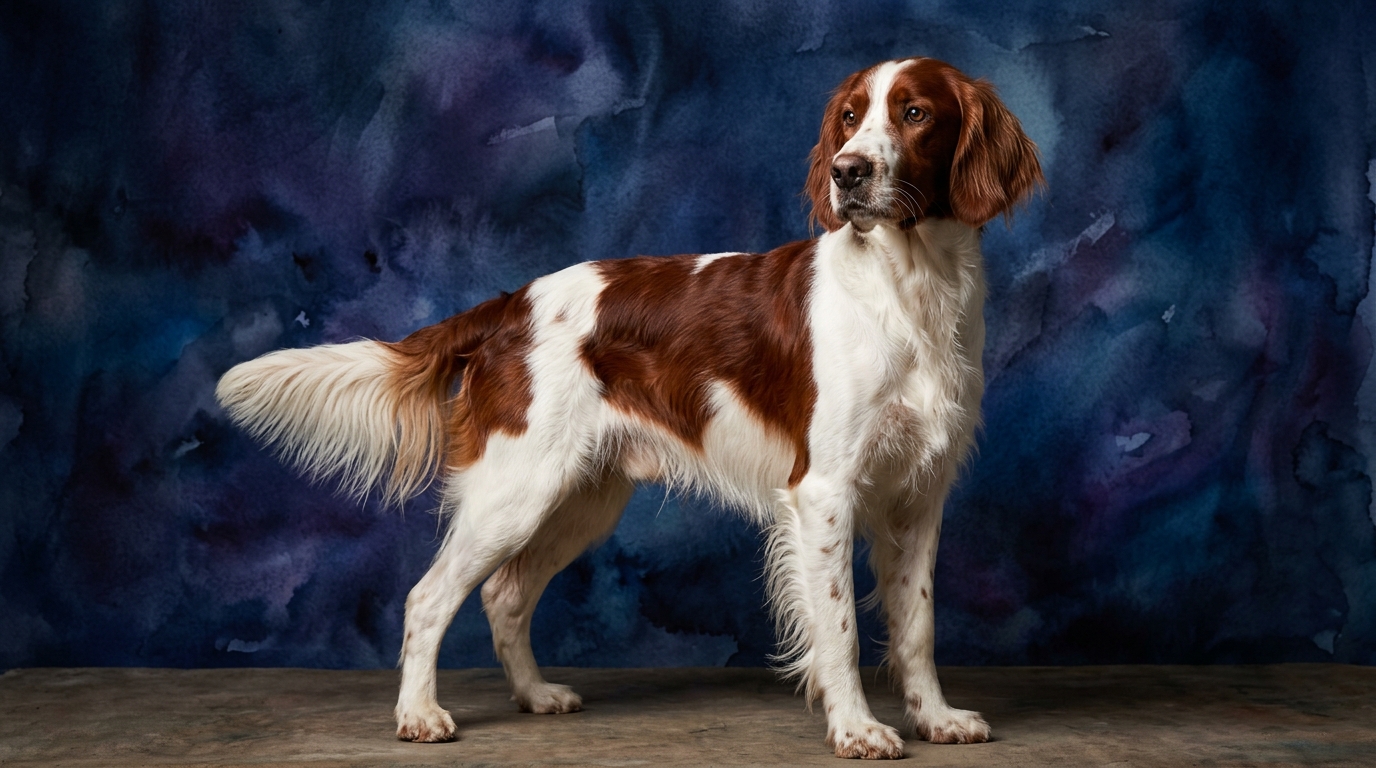
The Irish Red and White Setter, a dignified sporting dog, registers a 3/5 in problem solving, often manifesting as strategic thinking in the field, navigating complex terrain to flush and retrieve game, or discerning intricate scent trails. Their 3/5 training speed reflects a moderate ability to grasp commands, particularly when motivated by the scent of game or the desire to work cooperatively with their human handler. Social intelligence at 3/5 means they are attuned to handler cues and pack dynamics during a hunt, understanding their role in a team effort. The 3/5 instinctive drive is profoundly tied to their heritage as a bird dog, fueling their desire to range, point, and retrieve, making them tireless workers outdoors. Finally, their 3/5 memory allows them to retain complex scent patterns, recall specific locations, and remember learned commands vital for consistent performance in the field.
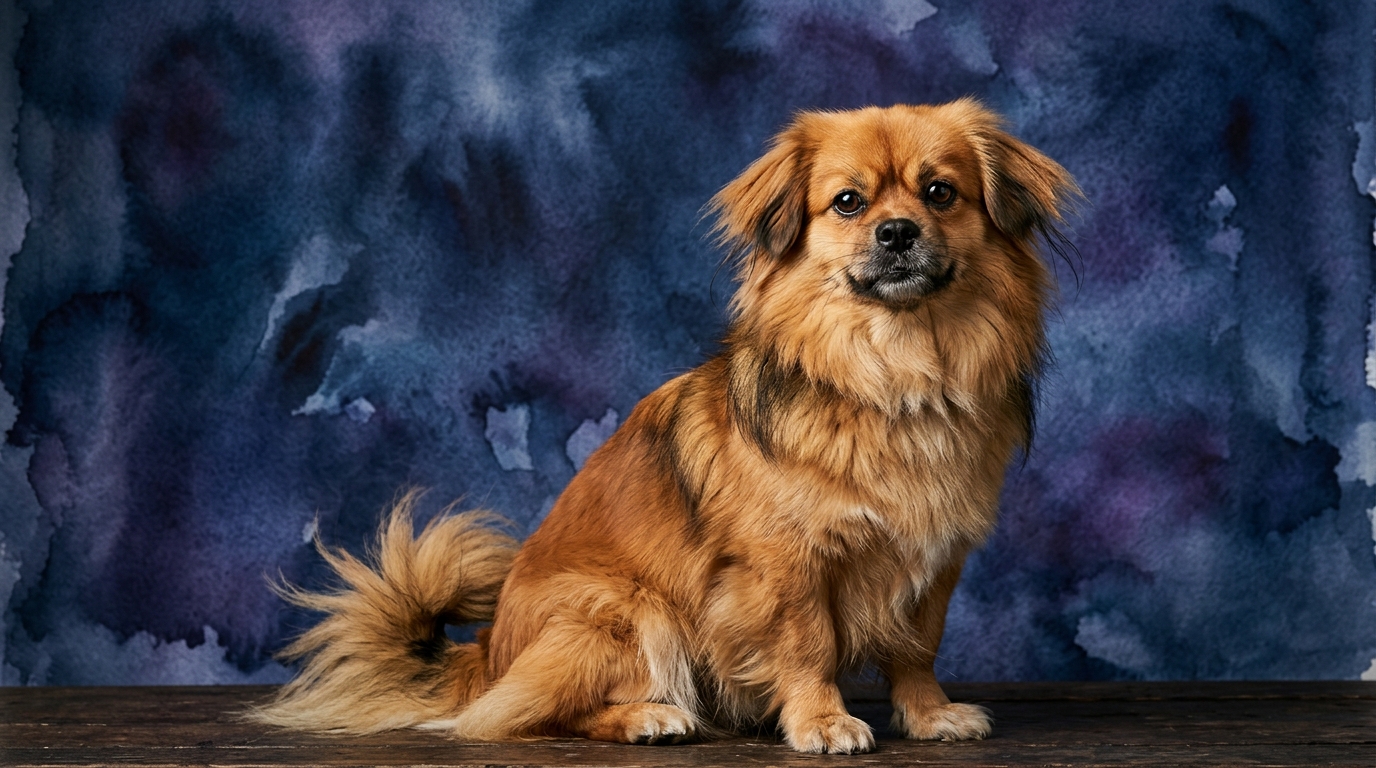
The nimble Tibetan Spaniel, a historical companion and watchdog, also registers 3/5 in problem solving, but this often translates to cleverness within a domestic setting, figuring out how to open treat containers or manipulate their humans for attention. Their 3/5 training speed means they learn at a steady pace, though their independent streak might sometimes make them appear less eager; they respond best to positive reinforcement and clear, consistent communication. Social intelligence at 3/5 is evident in their keen observation of household dynamics and human emotions, often positioning themselves as alert guardians and affectionate companions. The 3/5 instinctive drive in a Tibbie is less about hunting and more about their historical role as a "lion dog" and lookout, driving them to perch high, observe their surroundings, and alert their family to perceived intruders. Their 3/5 memory is applied to remembering household routines, where treats are kept, and the specific quirks of their human family members, making them excellent at adapting to a home environment.
Where Irish Red and White Setter Wins Cognitively
Despite identical raw scores, the Irish Red and White Setter's cognitive strengths shine in environments demanding sustained physical and mental engagement, particularly outdoors. Their 3/5 problem-solving is uniquely honed for navigating expansive landscapes, making rapid decisions on scent trails, and adapting to changing field conditions, a type of fluid intelligence distinct from a purely domestic setting. The Setter's 3/5 instinctive drive, being intrinsically tied to scent and prey, provides an unparalleled focus and endurance for tasks related to their sporting heritage; they can maintain concentration on a bird scent for extended periods, showcasing a tenacious mental stamina. This drive also fuels a cooperative spirit in a working partnership, where their social intelligence (3/5) allows them to seamlessly integrate into a hunting team, anticipating handler movements and commands with a nuanced understanding of their role in the pursuit. Their memory (3/5) is particularly robust for recalling complex routes, marking fallen game, and remembering specific training cues even amidst high-distraction environments, which is crucial for a reliable gundog. Therefore, in scenarios requiring dedicated, persistent application of cognitive skills in a natural, open environment, the Irish Red and White Setter demonstrates a specialized cognitive advantage.
Where Tibetan Spaniel Wins Cognitively
The Tibetan Spaniel's cognitive strengths, while also rated 3/5, are uniquely adapted for a life of companionship and domestic vigilance. Their 3/5 problem-solving frequently manifests as ingenious methods for achieving comfort or attention, like strategically placing themselves to block a path or using subtle cues to communicate desires. This is a practical, in-the-moment cleverness focused on manipulating their immediate social and physical environment. The Tibbie's 3/5 social intelligence is particularly acute within a household, allowing them to read human moods and anticipate routines with remarkable accuracy; they often position themselves as keen observers, understanding the subtle shifts in family dynamics and acting as sensitive emotional barometers. Their instinctive drive (3/5), rooted in their historical role as watchdogs atop monastery walls, means they possess an exceptional environmental awareness and a finely tuned sense of hearing and sight for detecting anomalies, making them superb natural alarm systems. This vigilance is a specialized application of their cognitive abilities, allowing them to process sensory input rapidly and react appropriately. Furthermore, their 3/5 memory is highly effective for retaining complex household rules, remembering preferred resting spots, and recalling which family members are most susceptible to their charms, showcasing a domestic intelligence that prioritizes social navigation and personal comfort above all else.
Which is Easier to Train and Why
Neither breed is overwhelmingly "easy" or "difficult" to train, as both possess a 3/5 training speed, indicating a moderate learning curve. However, the approach required for each differs significantly due to their behavioral predispositions. The Irish Red and White Setter, with its strong sporting heritage and instinctive drive (3/5), often requires training that channels its natural energy and prey drive into constructive tasks. They are generally eager to please their handler in a working context, but their tendency to follow scent trails or range widely means consistency, engaging drills, and strong recall training are paramount to manage potential distractions. Training needs to be stimulating and feel purposeful, perhaps mimicking hunting scenarios or involving advanced scent work, to keep them mentally invested. Conversely, the Tibetan Spaniel, while equally capable of learning at a 3/5 speed, often presents a more independent and sometimes opinionated demeanor. They are not as driven by cooperative work in the same way a Setter is; instead, they thrive on positive reinforcement, clear communication, and training that feels like a shared activity rather than a command performance. Their cleverness (3/5 problem-solving) can lead to them testing boundaries or finding loopholes, requiring an owner with patience and a sense of humor. Therefore, training a Setter often involves harnessing their drive, while training a Tibbie requires inspiring their cooperation and respecting their self-possessed nature.
Which Suits Active Owners vs Relaxed Owners
The cognitive and physical needs of these breeds strongly dictate their suitability for different lifestyles. The Irish Red and White Setter, despite its 3/5 instinctive drive score, has a profound need for extensive physical activity and mental engagement related to its sporting heritage. Their desire to range, track, and work means they thrive with active owners who can provide daily opportunities for long runs, hikes, or field work. Owners who enjoy outdoor sports, hunting, or competitive dog sports like agility or obedience will find the Setter's moderate problem-solving and memory (both 3/5) perfectly suited for these demanding activities. Their cooperative social intelligence (3/5) makes them excellent partners for these endeavors. In stark contrast, the Tibetan Spaniel, while not a couch potato, is far better suited to more relaxed owners. Their 3/5 instinctive drive is expressed through vigilance and companionship rather than intense physical exertion. They are content with moderate daily walks and enjoy indoor games that engage their 3/5 problem-solving skills, like puzzle toys. Their strong social intelligence (3/5) makes them excellent companions for owners who appreciate a dog's presence and subtle interactions rather than a partner for strenuous activities. While adaptable, a Tibbie's preference for comfort and observation aligns perfectly with a calmer, less physically demanding household environment.
The Verdict
If you are an active individual or family seeking a cooperative, energetic partner for outdoor adventures, field sports, or competitive dog activities, and you appreciate a dog whose cognitive strengths are geared towards purposeful work and endurance, choose the Irish Red and White Setter.
Opt for the Tibetan Spaniel if you desire a charming, independent, and observant companion who thrives on close family interaction, moderate activity, and appreciates a calm, yet stimulating, home environment.
🧠 Find Your Pet's IQ Score
Our Pet IQ Lab assessment covers 25+ tests across 5 cognitive dimensions — personalized to your breed.
Take the Full IQ Test →Frequently Asked Questions
Do Irish Red and White Setters have a strong prey drive?
Yes, their 3/5 instinctive drive is strongly tied to their sporting heritage, meaning they possess a significant prey drive for birds and other small game. This requires consistent training and secure containment, especially in unfenced areas, to manage their desire to follow scents.
Are Tibetan Spaniels good with children?
Tibetan Spaniels can be good with respectful, older children who understand how to interact gently with a small dog, leveraging their 3/5 social intelligence to adapt. However, due to their small size and sometimes independent nature, supervision is always recommended, especially with very young children.
What kind of mental stimulation do these breeds need, given their similar IQ scores?
Despite identical 3/5 scores, their mental stimulation needs differ in type. Irish Red and White Setters require activities that engage their sporting instincts, like scent work, retrieving games, or complex obedience tasks, while Tibetan Spaniels benefit from puzzle toys, short training sessions focusing on tricks, and opportunities to observe their environment, fulfilling their lookout drive.