Side-by-Side IQ Profile: Unpacking Breed Cognition
The Cosmic Pet Pet IQ Lab assesses canine intelligence across five crucial dimensions, providing a nuanced understanding of each breed's mental aptitudes. Here’s how the Irish Setter and Tibetan Spaniel stack up:
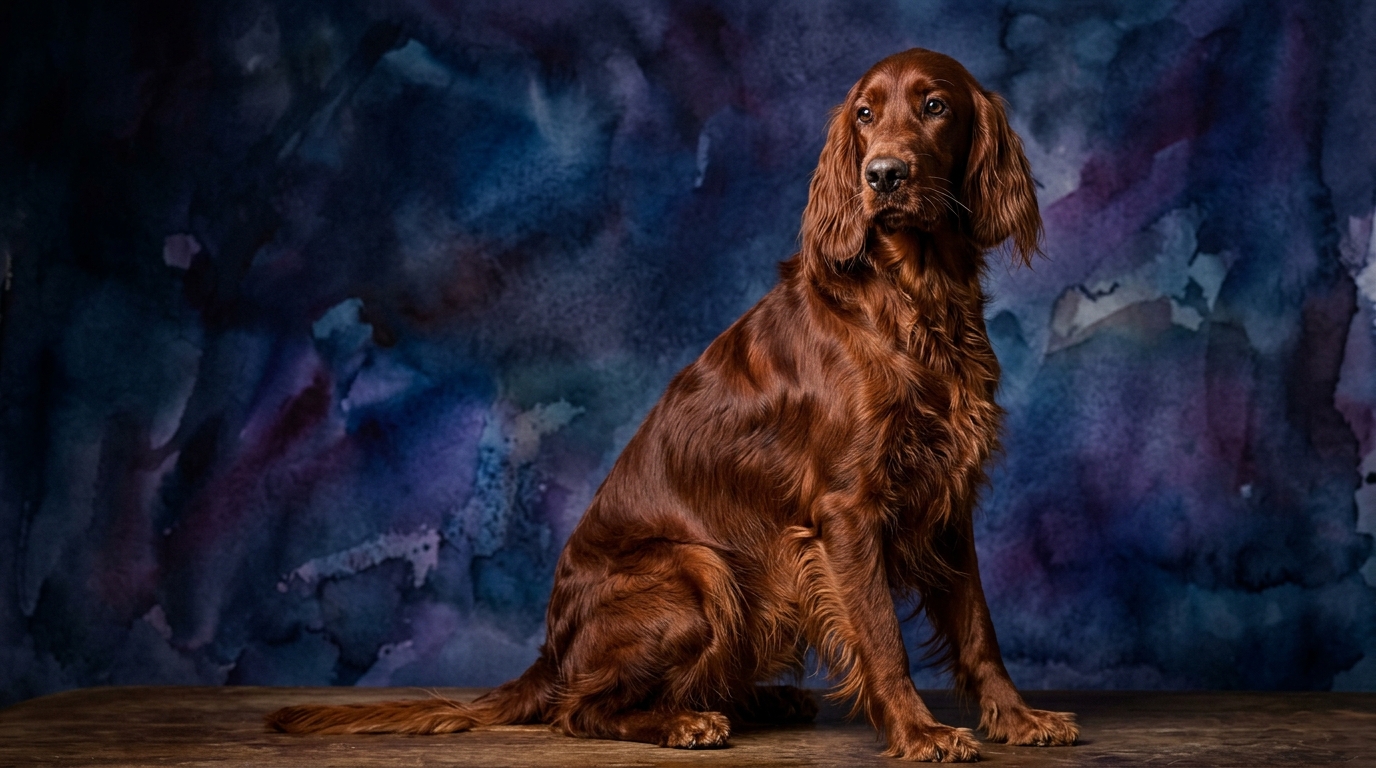
**Irish Setter: The Energetic Problem-Solver**
**Problem Solving (4/5):** Irish Setters exhibit a notable capacity for navigating complex situations, a trait honed by generations of field work where deciphering scent trails and locating game required sharp analytical skills. They often demonstrate ingenuity in figuring out how to access desired objects or overcome physical barriers.
**Training Speed (4/5):** These dogs typically grasp new commands and routines with impressive alacrity. Their eagerness to engage and their sporting heritage make them highly receptive to instruction, often requiring fewer repetitions to solidify a new behavior.
**Social Intelligence (3/5):** While affectionate and generally good-natured, their social awareness is balanced. They interact well within their family unit and with familiar individuals, but their focus might be more on their environment or tasks than on subtle human emotional shifts, placing them in a moderate range for intricate social cues.
**Instinctive Drive (3/5):** The Irish Setter possesses a well-defined drive for scent work and retrieving, a remnant of their bird dog lineage. This instinct is present and influential, motivating them towards exploration and physical activity, but it’s generally manageable and can be channeled effectively.
**Memory (4/5):** Their recall abilities are robust, enabling them to remember a wide array of commands, routines, and even specific locations over extended periods. This strong memory serves them well in complex training sequences and maintaining learned behaviors.
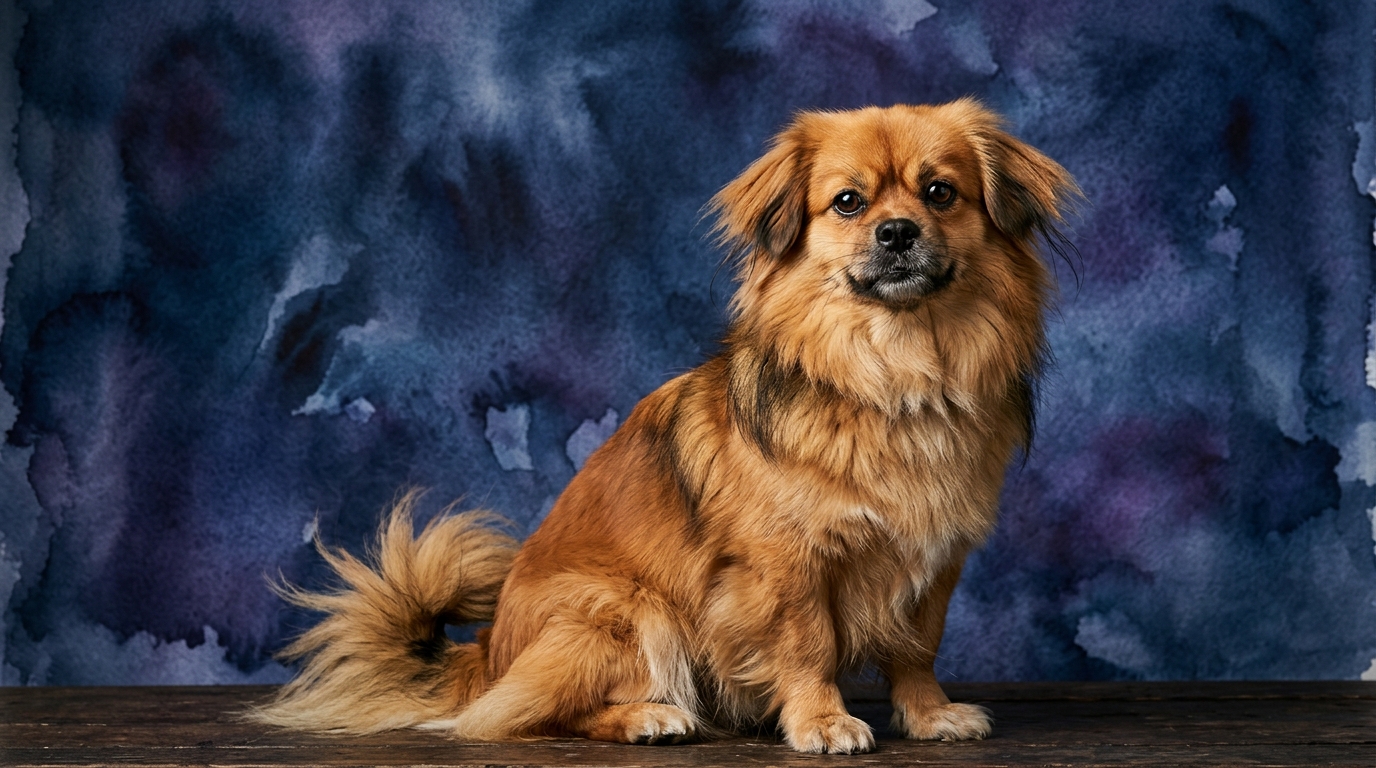
**Tibetan Spaniel: The Observant Companion**
**Problem Solving (3/5):** Tibetan Spaniels demonstrate a moderate ability to solve problems, often employing observation and strategy rather than brute force. They are capable of figuring out household dynamics and routines, and might devise clever ways to get comfortable or gain attention, though perhaps not with the same proactive manipulation as a working breed.
**Training Speed (3/5):** These companions learn at a steady pace, benefiting from consistent, positive reinforcement. While not as rapid in their acquisition of new commands as some breeds, they are certainly trainable, requiring patience and engaging methods to keep their independent spirit interested.
**Social Intelligence (3/5):** With a history as monastery companions, Tibetan Spaniels are attuned to their human family. They display a balanced social intelligence, understanding household moods and interactions, and forming deep bonds, though they can be reserved or discerning with strangers.
**Instinctive Drive (3/5):** Their instinctive drive leans towards alertness and observation, historically acting as ‘little lions’ on monastery walls. This manifests as a keen awareness of their surroundings and a tendency to bark at perceived novelties, but their prey drive or need for strenuous physical work is moderate, aligning with their companion role.
**Memory (3/5):** Tibetan Spaniels possess a reliable memory for routines, people, and places within their familiar environment. They remember who is part of their inner circle and the daily rhythms of their home, though perhaps not the extensive, multi-step sequences that a high-level working dog might retain.
Where the Irish Setter Wins Cognitively
The Irish Setter clearly demonstrates cognitive advantages in areas demanding active engagement and rapid learning. Their Problem Solving score of 4/5 means they are adept at navigating complex environments, such as intricate search patterns in a field or figuring out how to open a puzzle toy. This proactive approach to mental challenges is coupled with a Training Speed of 4/5, allowing them to absorb new commands and multi-step routines with remarkable efficiency. Furthermore, their Memory, also rated 4/5, ensures that these learned skills and solutions are retained over time, making them exceptionally reliable partners in structured activities. For owners seeking a dog that can quickly master advanced obedience, excel in canine sports, or engage in sophisticated problem-solving games, the Irish Setter's mental agility provides a distinct edge.
Where the Tibetan Spaniel Wins Cognitively
While the Tibetan Spaniel's cognitive profile shows consistent scores of 3/5 across all dimensions, this balanced moderation is precisely where their unique strengths lie for certain lifestyles. Their Problem Solving at 3/5, for instance, means they are capable of understanding household dynamics and adapting to routines without constantly seeking to outmaneuver their owners or create complex mischief. Their Social Intelligence and Instinctive Drive, both at 3/5, contribute to a self-sufficient yet deeply connected companion; they are observant and discerning without being overly reliant or demanding of constant external stimulation. This harmonious blend fosters a dog that is perceptive of its environment and family, yet inherently calm and content, making them exceptionally well-suited for a domestic role where quiet observation and steady companionship are prized above active, task-oriented intelligence.
Which is Easier to Train and Why
When assessing ease of training, the Irish Setter generally presents a more straightforward path for formal obedience. Their 4/5 Training Speed means they pick up commands quickly, often with fewer repetitions required to solidify a behavior. Coupled with a 4/5 in Problem Solving, they are more likely to understand the intent behind an exercise and generalize learned skills to new situations. Their sporting background instills a natural eagerness to work alongside a handler, making them responsive to direction. However, their moderate Instinctive Drive (3/5) means that while focused, they can still be distracted by enticing scents or movements, requiring consistent management in busy environments. In contrast, the Tibetan Spaniel, with a 3/5 in Training Speed and Problem Solving, requires more patience and creative methods. They possess an independent streak, not inherently driven by a desire to 'work' for a handler in the same way. Their training benefits from short, engaging sessions that leverage positive reinforcement and avoid harsh corrections, which can make them shut down. While they learn household rules and routines reliably, achieving advanced obedience with a Tibetan Spaniel demands a deeper understanding of their subtle motivations and a more adaptable approach from the trainer.
Which Suits Active Owners vs Relaxed Owners
The divergence in cognitive profiles clearly points to different ideal owner lifestyles. The Irish Setter, with its higher Problem Solving, Training Speed, and Memory scores, alongside a moderate Instinctive Drive, thrives with active owners. These dogs possess the mental and physical stamina for long hikes, running, and participating in canine sports like agility, scent work, or field trials. An owner who enjoys engaging their dog in stimulating training, complex games, and consistent physical exercise will find the Irish Setter a fulfilling and eager partner. Neglecting their need for mental and physical engagement could lead to boredom-related behaviors, making them less suitable for a purely relaxed home. Conversely, the Tibetan Spaniel, with its balanced 3/5 scores across the board, is an excellent match for more relaxed owners. Their moderate instinctive drive means they are content with regular, shorter walks and playtime, and are equally happy observing the world from a comfortable lap or window perch. Their social intelligence (3/5) ensures they are attentive and connected to their family without demanding constant high-energy interaction, making them ideal companions for those who appreciate a perceptive, calm presence in the home.
The Verdict
Choose Irish Setter if you are an active individual or family seeking an eager, intelligent partner for dynamic outdoor activities, advanced training, and engaging in complex mental challenges.
Choose Tibetan Spaniel if you desire a perceptive, independent yet devoted companion who thrives on close family bonds and a more relaxed home environment, appreciating their quiet observation and steady presence.
🧠 Find Your Pet's IQ Score
Our Pet IQ Lab assessment covers 25+ tests across 5 cognitive dimensions — personalized to your breed.
Take the Full IQ Test →Frequently Asked Questions
Are Irish Setters difficult to live with due to their energy?
Irish Setters possess a robust instinctive drive and problem-solving ability, meaning they require consistent physical exercise and mental stimulation to thrive. Without adequate outlets, their energy can manifest as restlessness or curiosity-driven mischief, so they are best suited for owners who can dedicate time to their active needs.
Do Tibetan Spaniels bark a lot, given their watchdog history?
Tibetan Spaniels do have an instinctive drive for alertness, historically serving as watchdogs in monasteries, which means they are prone to barking at novel sights or sounds. However, with proper training and socialization, this tendency can be managed, allowing them to be discerning guardians rather than incessant noisemakers.
Can a Tibetan Spaniel participate in dog sports?
While Tibetan Spaniels have moderate training speed and problem-solving abilities, they can certainly participate in certain dog sports, particularly those that value precision and focus over raw speed or high prey drive, such as obedience, rally, or even some forms of agility at a recreational level. Their independent nature means training might require more patience and creativity.