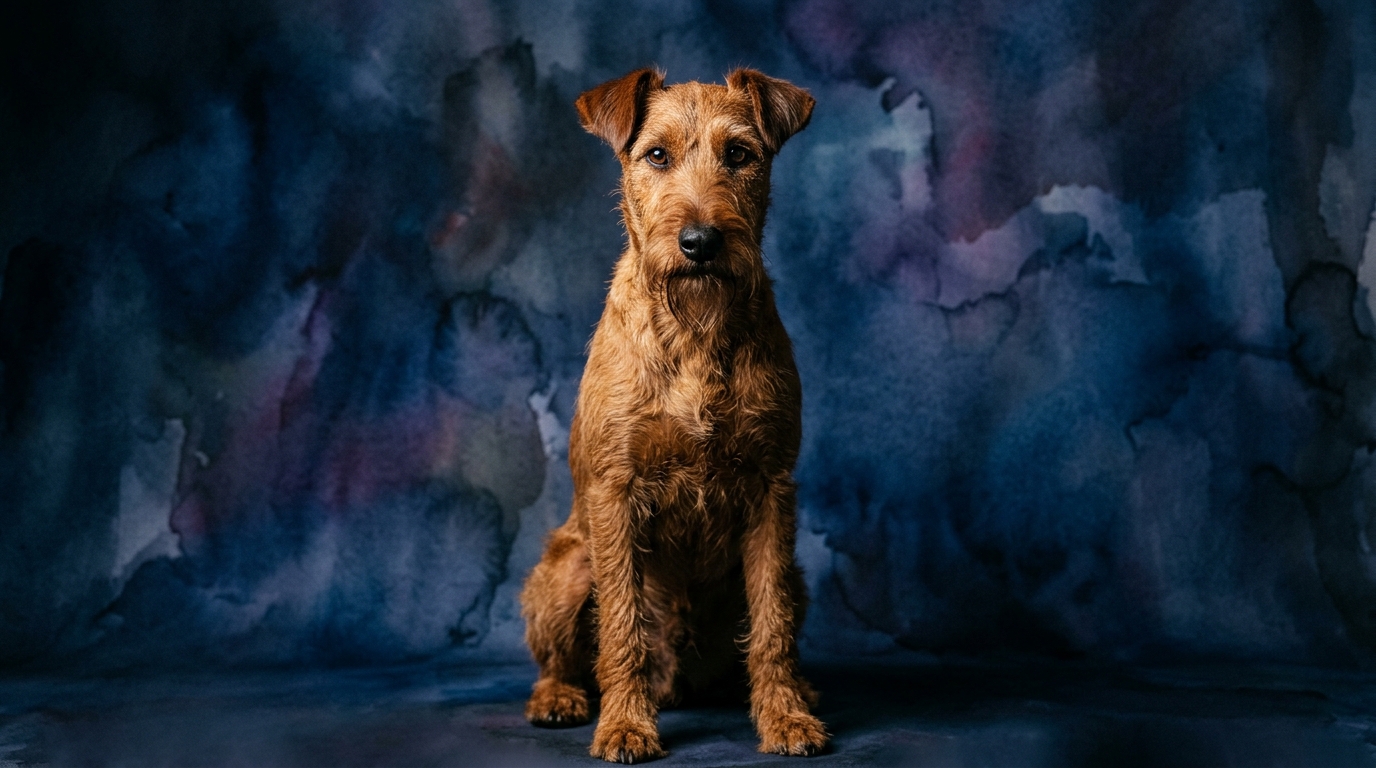
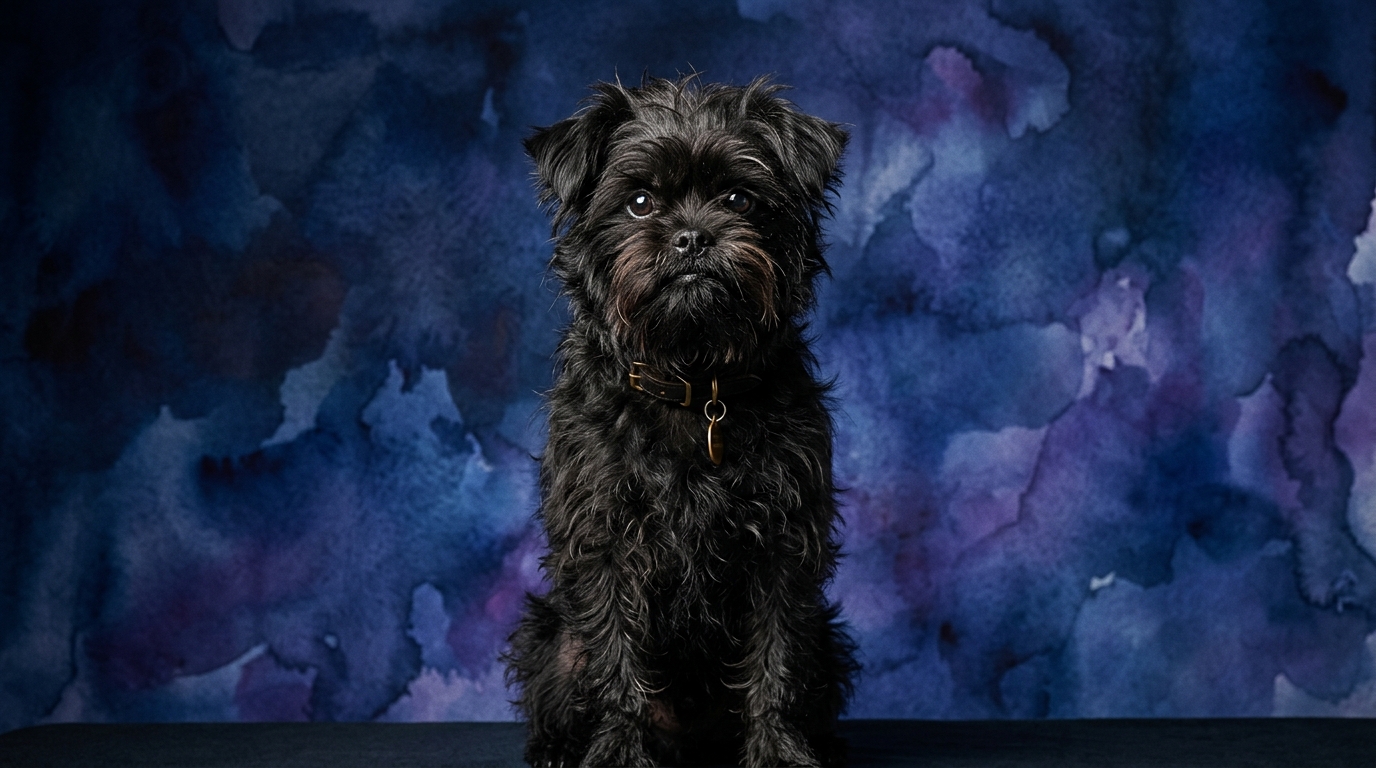
Side-by-Side IQ Profile: Irish Terrier vs. Affenpinscher
Despite both breeds receiving a consistent 3/5 rating across all five cognitive dimensions in the Pet IQ Lab, the manifestation of these scores is heavily influenced by their breed type and historical roles. Understanding these nuances is key to appreciating their individual cognitive strengths.
The **Irish Terrier**, a member of the Terrier group, approaches cognitive tasks with a tenacious and independent spirit. Its **Problem Solving (3/5)** often involves persistent, sometimes trial-and-error methods, driven by an inherent grit to overcome obstacles or pursue a goal. For example, they might meticulously work at a puzzle toy until it yields its reward, relying on physical manipulation and stamina. Their **Training Speed (3/5)** is good, but requires consistency and engaging methods to counteract their independent streak, as they can be selective in their compliance. **Social Intelligence (3/5)** in an Irish Terrier typically means strong loyalty to their primary family, with a watchful but not necessarily overtly welcoming stance toward strangers. They are adept at reading their owner's moods but may prioritize their own instincts. Their **Instinctive Drive (3/5)** is pronounced, rooted in their terrier heritage with a keen prey drive, a desire to dig, and protective instincts. This drive fuels their curiosity and physical exploration. Finally, their **Memory (3/5)** is reliable for routines, commands, and especially spatial information and scent trails, aiding in navigation and tracking.
The **Affenpinscher**, a charming member of the Toy group, displays a different cognitive style. Its **Problem Solving (3/5)** is often characterized by curiosity and a mischievous streak, leading them to figure out how to open cabinets or manipulate situations to gain attention or treats, using agility and wit rather than brute force. Their solutions can be creative and surprising. **Training Speed (3/5)** can be a delightful challenge; they learn quickly when motivated by high-value rewards, but their spirited and sometimes stubborn nature means sessions need to be brief, fun, and varied to maintain interest. Their **Social Intelligence (3/5)** allows them to be quite attuned to their family's emotional states and routines, thriving on interaction and often adept at eliciting desired responses. While generally good with familiar faces, they can be reserved or even assertive with unfamiliar individuals. Despite their size, Affenpinschers retain a respectable **Instinctive Drive (3/5)**, manifesting as alertness to their surroundings and a surprisingly bold protective instinct, making them effective watchdogs. Their curiosity drives exploration of their immediate environment. Their **Memory (3/5)** is reliable for people, places, and learned behaviors, allowing them to recall past training cues and the outcomes of their mischievous endeavors, often repeating successful strategies.
Where the Irish Terrier Wins Cognitively
The Irish Terrier’s cognitive strengths shine particularly in scenarios demanding sustained application of effort and environmental mastery. Their 3/5 problem-solving, coupled with a robust 3/5 instinctive drive, means they are less likely to abandon a task due to frustration, especially if it involves physical manipulation or overcoming an obstacle in a real-world setting. For instance, an Irish Terrier might exhibit superior persistence in figuring out a complex puzzle feeder that requires physical dexterity and repeated attempts, driven by their inherent tenacity rather than immediate gratification. Their memory, also a 3/5, is particularly effective in retaining spatial information and scent trails, making them adept at navigating complex outdoor environments or remembering the location of hidden items over time, a clear advantage rooted in their working heritage and robust physical capabilities.
Where the Affenpinscher Wins Cognitively
Conversely, the Affenpinscher's cognitive advantages often manifest in more nuanced, indoor-centric scenarios. While also rated 3/5 for problem-solving, their approach is often characterized by a quick, agile wit and a tendency to observe and mimic. An Affenpinscher might more readily figure out how to open a cabinet latch by watching a human, or devise a clever strategy to get attention, using their small size and quick movements to their advantage. Their social intelligence (3/5) allows them to be particularly adept at reading subtle human cues within a close-knit family, making them masters of charming manipulation to achieve their desires. This often translates into a more refined ability to navigate complex social dynamics within the home, discerning who is most likely to give them a treat or a cuddle with surprising accuracy.
Which is Easier to Train and Why
Both breeds hold a 3/5 rating for training speed, yet the journey of training each is distinct, heavily influenced by their underlying behavioral traits. The Irish Terrier, with its independent nature and strong instinctive drive, requires a trainer who understands canine motivation and can make learning feel like a collaborative adventure rather than a strict command-and-control exercise. They can be quite focused once engaged, but their terrier tenacity means they may challenge authority if they perceive the task as uninteresting or if there's a more compelling distraction, like a squirrel or a captivating scent. Their problem-solving often involves a degree of self-directed exploration, which can be perceived as stubbornness during training if not channeled constructively through engaging, varied routines.
The Affenpinscher, while equally rated in training speed, presents a different set of challenges. Their spirited and sometimes mischievous personality, coupled with a shorter attention span, means training sessions must be kept brief, engaging, and highly rewarding. They can be quick to pick up new commands but may choose to ignore them if a better offer, such as chasing a dust bunny or getting a belly rub, presents itself. Their social intelligence, while enabling them to understand human intentions, can also lead to them "testing the waters" of obedience, relying on their charm to get their way. Consistency and positive reinforcement are paramount for both, but the Irish Terrier demands mental wrestling and strategic engagement, while the Affenpinscher requires playful persuasion and frequent, high-value rewards to maintain focus.
Which Suits Active Owners vs. Relaxed Owners
For owners seeking a canine companion for an active lifestyle, the Irish Terrier is often the more fitting choice. Their 3/5 instinctive drive fuels a significant need for regular, vigorous exercise and mental challenges that engage their problem-solving skills. They thrive on activities like hiking, agility, or engaging scent work, which allow them to express their natural tenacity and physical prowess. An owner with a more relaxed lifestyle might find themselves overwhelmed by the Irish Terrier's energy and propensity for self-entertainment if not adequately stimulated, potentially leading to destructive behaviors born of boredom or an outlet for their strong drives.
The Affenpinscher, while certainly spirited and playful, can adapt more readily to a comparatively relaxed owner, especially those living in apartments or smaller homes. Their energy, though present, is often expressed in short bursts of enthusiastic play and indoor antics rather than sustained outdoor exertion. Daily walks and regular interactive play sessions are essential to satisfy their 3/5 instinctive drive and problem-solving curiosity, but they don't typically demand the same intensity or duration of outdoor activity as an Irish Terrier. An owner who enjoys cuddles on the couch as much as a brisk walk would find the Affenpinscher's balance of energy and companionship more suitable, as long as their mental needs for engagement are met.
The Verdict
Opt for an Irish Terrier if you are an active, experienced owner who appreciates a tenacious, independent companion eager for outdoor adventures and consistent mental engagement.
Select an Affenpinscher if you prefer a spirited yet compact companion who thrives on indoor play, close family bonds, and charming mischief, suitable for a moderately active lifestyle.
🧠 Find Your Pet's IQ Score
Our Pet IQ Lab assessment covers 25+ tests across 5 cognitive dimensions — personalized to your breed.
Take the Full IQ Test →Frequently Asked Questions
Are Irish Terriers good at learning complex tricks?
With a 3/5 in training speed and problem-solving, Irish Terriers are certainly capable of learning complex tricks. Their independent nature means the training must be engaging and rewarding, often requiring patience and creativity from the owner to maintain their focus and motivation over time. They respond well to challenges that tap into their natural curiosity and tenacity.
How do Affenpinschers typically interact with new people or pets?
Affenpinschers, with a 3/5 social intelligence, tend to be reserved or even wary with strangers and can be selective about new animal companions. While they form strong bonds with their immediate family, proper socialization from a young age is crucial to help them develop confidence and appropriate social manners, mitigating their natural cautiousness.
Do these breeds have good recall, given their instinctive drives?
Both breeds possess a 3/5 instinctive drive, which can present challenges for recall, especially if a more compelling scent or sight distracts them. Consistent, positive recall training from a young age is essential for both, but owners should be particularly diligent, especially with the Irish Terrier's strong prey drive and the Affenpinscher's independent streak.