Side-by-Side Cognitive Profiles: Decoding the 3/5 Scores
At first glance, the identical 3/5 scores for both the Irish Terrier and Australian Terrier across Problem Solving, Training Speed, Social Intelligence, Instinctive Drive, and Memory might suggest a cognitive parity. However, the nuances lie in how these scores translate into everyday behavior, shaped by each breed's history and inherent temperament. A 3/5 isn't just a number; it's a qualitative descriptor that varies in its practical application.
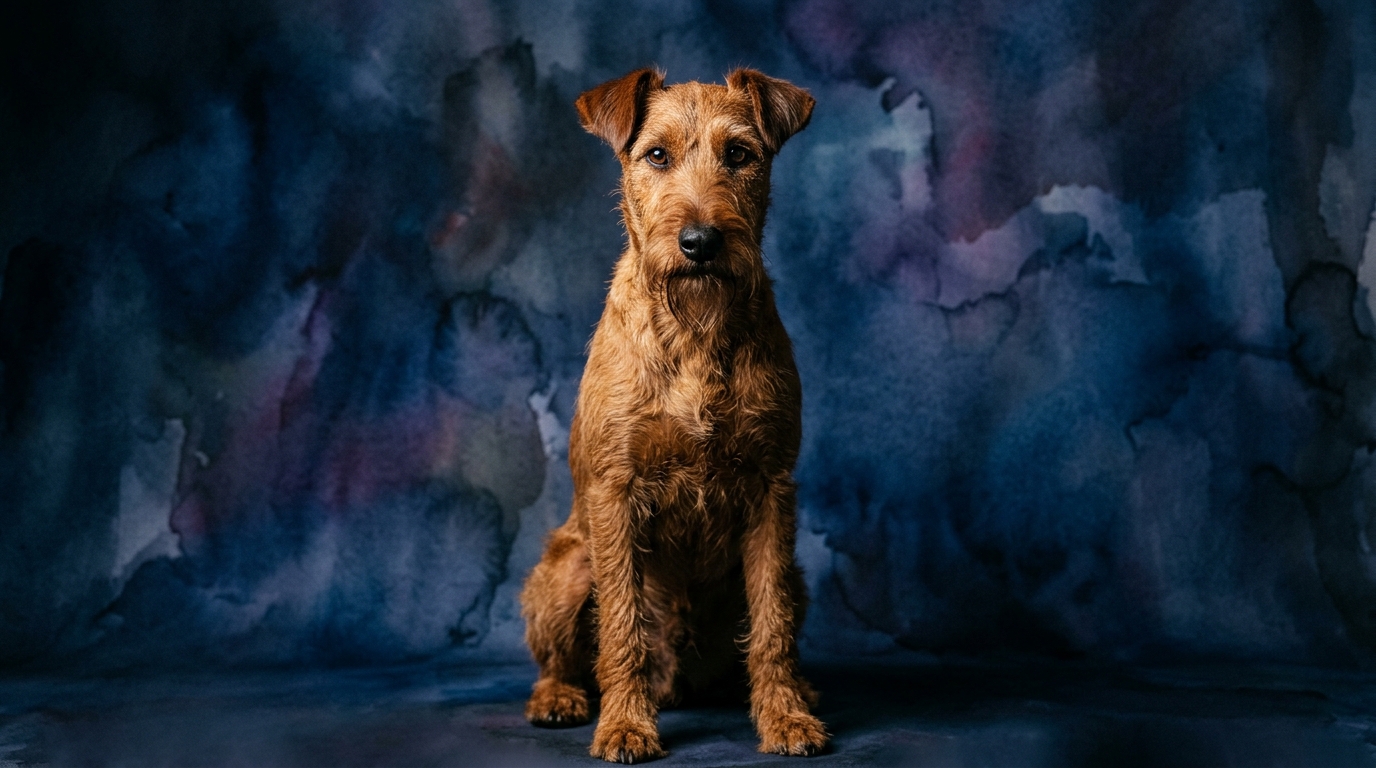
The Irish Terrier, often called the 'Daredevil' or 'Red Devil,' embodies a Problem Solving score of 3/5 through its independent and tenacious approach to challenges. This breed historically needed to figure out how to outwit and dispatch vermin on its own, often in rugged rural environments. Their solutions tend to be direct, resilient, and sometimes quite physical. For Training Speed, a 3/5 means they grasp concepts quickly, but their strong will and independent spirit can make consistent compliance a marathon, not a sprint. They learn, but they also evaluate if the task is worth their effort. Their Social Intelligence at 3/5 reflects a deep, protective bond with their immediate family, often being reserved or even aloof with strangers, and sometimes assertive with other canines. Instinctive Drive, also 3/5, manifests as a pronounced prey drive, a natural guarding tendency, and a bold willingness to engage with perceived threats. Finally, their Memory at 3/5 ensures they retain complex routines and commands, but also past experiences, both positive and negative, which can shape their future responses.
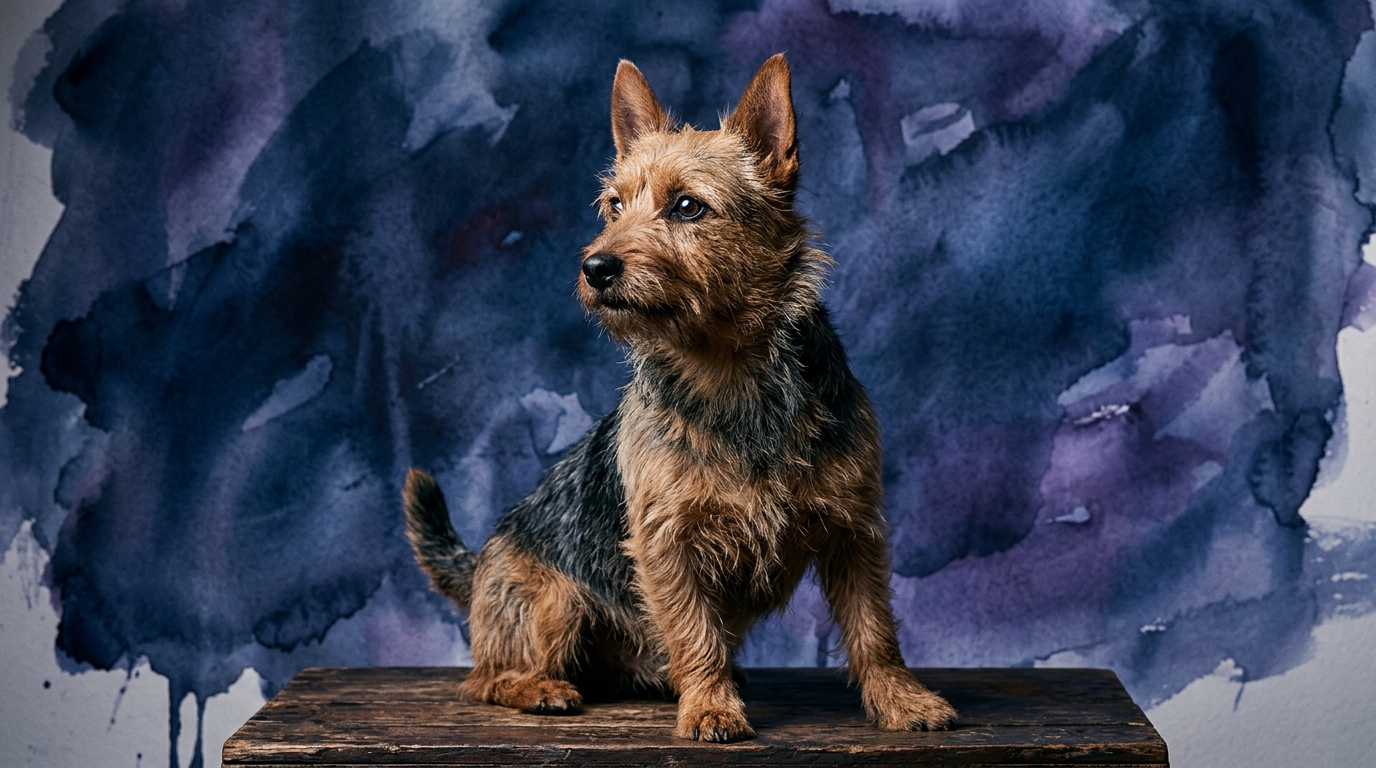
The Australian Terrier, a smaller yet equally spirited companion, expresses its 3/5 Problem Solving slightly differently. Their solutions lean towards cleverness and persistence, particularly in navigating tight spaces or persistently working towards a goal, such as digging out a burrowing creature. They are resourceful rather than overtly confrontational in their problem-solving. Their 3/5 Training Speed indicates they are eager to learn and pick up new commands with enthusiasm, often showing a desire to please their primary human, though their terrier focus can be fleeting if sessions aren't engaging. Social Intelligence at 3/5 highlights their strong desire for companionship and involvement in family life; they are often more overtly affectionate and attuned to human emotions, though they can be bossy with other pets or wary of strangers. Their Instinctive Drive, a 3/5, is evident in their keen hunting instincts for small prey, their propensity for digging, and their alert barking. Their Memory, also 3/5, means they recall training cues and family routines reliably, and they rarely forget a kind gesture or an unfair reprimand.
Where the Irish Terrier Exhibits Distinct Cognitive Strengths
The Irish Terrier's cognitive profile shines particularly in situations demanding robust independence and unwavering resolve. Their 3/5 Problem Solving, when paired with their 'Red Devil' reputation, suggests a superior capacity for autonomous decision-making under pressure. They are less likely to seek human direction when faced with a novel obstacle, preferring to devise and execute their own solutions, even if it means a bit of daring. This translates into a resilience in navigating unfamiliar environments or recovering quickly from setbacks without becoming overly reliant on external cues. Furthermore, their Social Intelligence, while appearing less outwardly effusive, is marked by a profound discernment of their family's needs and a proactive protective instinct, indicating a sophisticated understanding of their role within the pack hierarchy and a readiness to act on it without explicit command. Their memory also contributes to this, as they recall past successful independent actions, reinforcing their self-reliance.
Where the Australian Terrier Exhibits Distinct Cognitive Strengths
The Australian Terrier's cognitive advantages often lie in their adaptable cleverness and a more outwardly engaging social disposition. Their 3/5 Problem Solving is often characterized by a persistent, methodical approach, particularly when a task requires sustained effort or intricate navigation rather than brute force. They might patiently work at a puzzle toy or find a less obvious route to a desired object, demonstrating a nuanced form of resourcefulness. Their Social Intelligence, also a 3/5, is expressed through a highly attuned sensitivity to human emotions and a strong desire to be an integral part of family activities. This makes them particularly adept at reading subtle human body language and vocal tones, fostering a deeply interactive companionship. They often seem to anticipate their owner's moods, making them excellent emotional support animals. Their memory supports this by recalling specific interactions and preferences, allowing them to tailor their responses to individual family members.
Training Dynamics: Irish Terrier vs. Australian Terrier
Despite both breeds scoring 3/5 in Training Speed, their approaches to learning and compliance differ. The Irish Terrier's independent streak means that while they quickly grasp what is expected, their decision to comply hinges on whether they perceive value in the command or if their own strong will overrides it. Training an Irish Terrier requires immense consistency, patience, and a deep understanding of their terrier tenacity. Sessions must be engaging and varied to prevent boredom, and positive reinforcement is crucial to build a cooperative relationship rather than attempting to dominate their spirit. Their memory means they will remember inconsistencies in training, which can complicate future sessions.
The Australian Terrier, while possessing its own terrier stubbornness, often presents a slightly more amenable training partner due to their companion-oriented nature and desire to be involved. Their 3/5 Training Speed is often paired with an eagerness to please, especially when coupled with delicious treats or enthusiastic praise. However, their attention span can be shorter, and they can be easily distracted by environmental stimuli. Successful training with an Australian Terrier involves short, fun sessions, a variety of rewards, and a firm but gentle approach. Their social intelligence helps them respond well to the handler's mood, making them receptive when approached with positivity, but they can shut down if training becomes too harsh or repetitive.
Suitability for Active vs. Relaxed Owners
For owners seeking an active, intrepid companion, the Irish Terrier is often the preferred choice. Their robust build, boundless energy, and independent problem-solving make them ideal partners for hiking, jogging, or participating in dog sports like agility and earthdog trials. They thrive on challenges, both physical and mental, and require a household that can provide consistent stimulation and adventure. A relaxed owner might find an Irish Terrier's demands for engagement and their self-directed nature overwhelming, potentially leading to boredom-induced destructive behaviors.
The Australian Terrier, while certainly energetic and spirited, can adapt more readily to a slightly less demanding activity schedule, making them suitable for owners who are active but also appreciate periods of calm companionship. Their smaller size and strong social intelligence mean they are content with regular walks, play sessions in the yard, and ample indoor interaction. They are excellent for urban or suburban living where space might be a premium, as long as their mental and physical needs are met daily. While they enjoy adventure, they are equally happy curled up beside their owner, making them a good fit for owners who enjoy both activity and quieter moments.
The Verdict
Choose the Irish Terrier if you value a highly independent, resilient problem-solver that forms a deep, protective bond and thrives on consistent mental and physical challenges from an adventurous owner.
Opt for the Australian Terrier if you seek a clever, adaptable companion who excels in social engagement, responds well to positive training, and enjoys a balance of spirited activity and affectionate downtime with their family.
🧠 Find Your Pet's IQ Score
Our Pet IQ Lab assessment covers 25+ tests across 5 cognitive dimensions — personalized to your breed.
Take the Full IQ Test →Frequently Asked Questions
Are Irish Terriers good with other dogs?
Irish Terriers can be assertive with other dogs, especially those of the same sex, due to their strong instinctive drives and protective nature. Early and consistent socialization is crucial to foster appropriate interactions.
Do Australian Terriers bark a lot?
Australian Terriers are known for their alert barking, a manifestation of their keen instinctive drive and role as watchdogs. They will often alert their owners to anything unusual, requiring consistent training to manage this tendency.
Which breed is more suited for first-time dog owners?
Neither breed is typically recommended for entirely novice owners due to their strong terrier traits and independent minds. However, an Australian Terrier might be slightly more manageable for an inexperienced but dedicated owner willing to commit to consistent training and socialization, given their smaller size and strong desire for companionship.